Call Us on






Call Us on
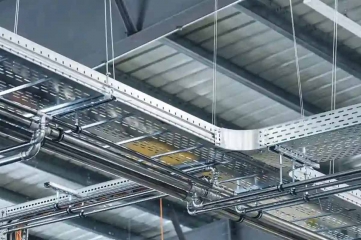
Modern Cable Tray systems are essential for a safe, orderly, and durable electrical installation in industrial infrastructures. These systems, which are designed to carry power, control, and communication cables, give a facility a well-organized way that increases operational efficiency and at the same time protects cable insulation from both mechanical and environmental stress. As the number of industries grows and so does the demand for electrical power, the need for reliable cable management solutions has become a necessity in manufacturing units, commercial facilities and infrastructure projects.
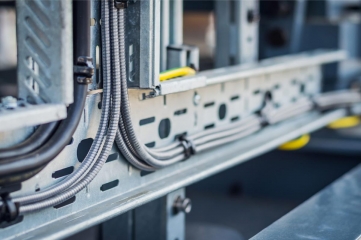
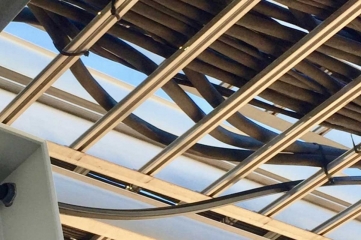
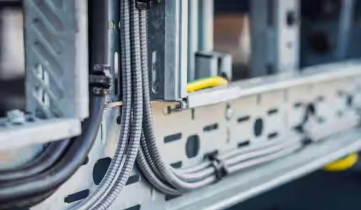
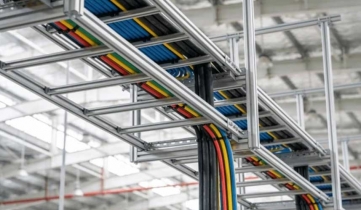
Industrial plants are heavily reliant on electrical networks, which are complex in nature, to run machinery, automation systems, and safety equipment. Cable trays act as a strong structural support system that keeps the cables in a position that is both fixed and raised, thus, cables are shielded from unnecessary bending, twisting or entangling. By ensuring correct routing and allowing for the right spacing, trays lessen the physical forces that the conductors and the insulation are subjected to, which is directly linked to the extension of cable life and the achievement of a stable system performance level.
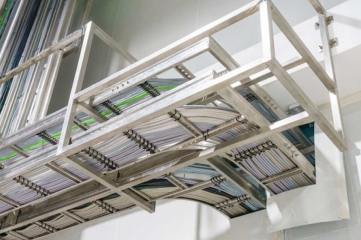
One of the primary functions of cable trays is to manage the physical weight of cables over long spans. Properly engineered trays distribute loads evenly, ensuring that cables do not sag or experience pressure points that could weaken insulation over time. This structural stability is especially critical in industrial plants where heavy-duty power cables are used continuously under high electrical loads.
Cable trays protect insulation by keeping cables away from harsh floor-level conditions such as moisture, chemical spills, dust accumulation, and accidental impact from machinery or foot traffic. Elevation also minimizes the risk of rodents or mechanical damage. In addition, trays help maintain the minimum bend radius required for cables, preventing internal conductor damage and external insulation cracking.
Good heat dissipation is a must if cable performance and safety are to be kept at priority. The use of open cable trays brings fresh air to the conductors, thus the heat that has been produced during the operation is able to dissipate by itself. This ventilation prevents overheating which is the main cause of insulation degradation in industrial environments. With the increase of electrical loads, correct thermal management is a decisive factor for system reliability.
Some of the main thermal benefits are:
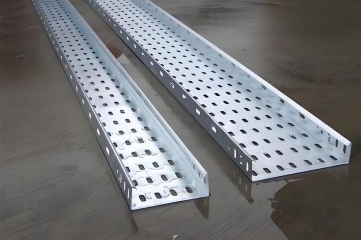
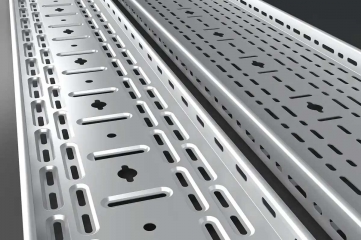
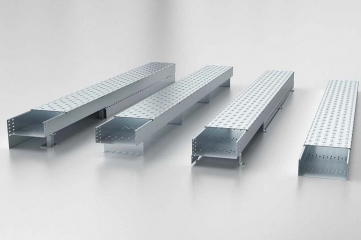
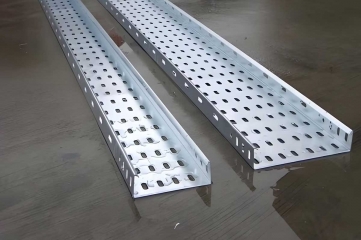
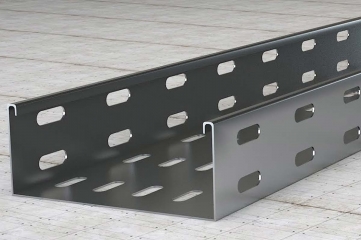
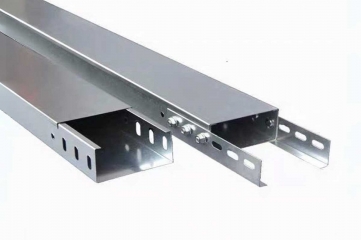
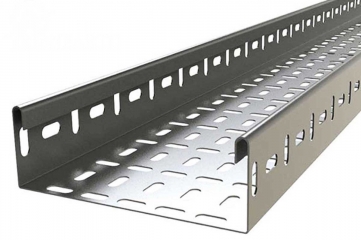
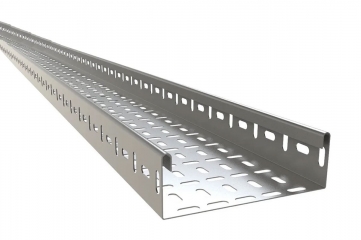
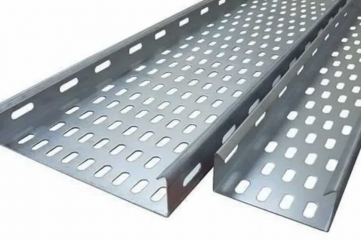
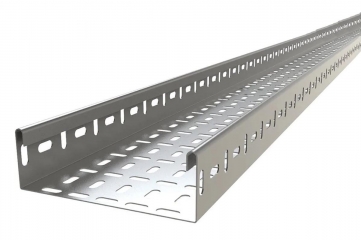
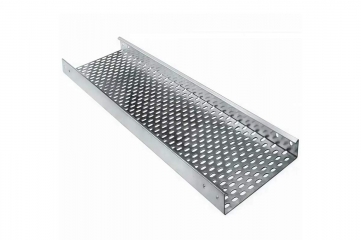
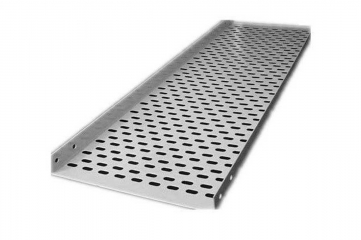
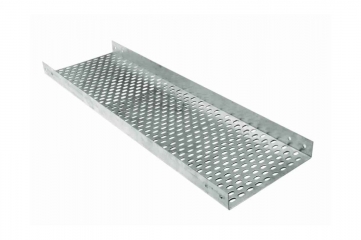
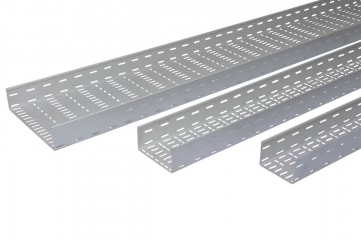
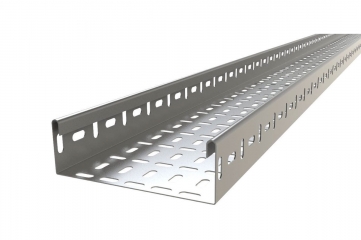
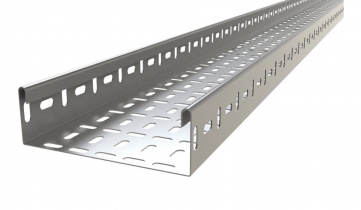
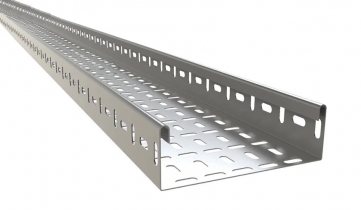
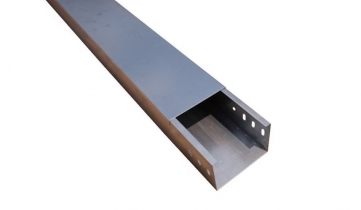
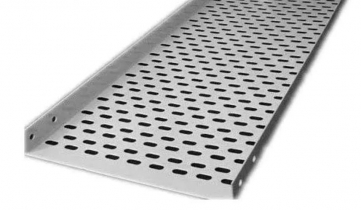
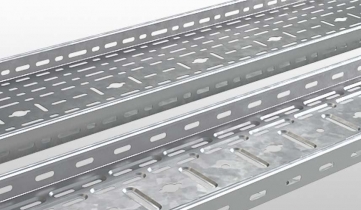
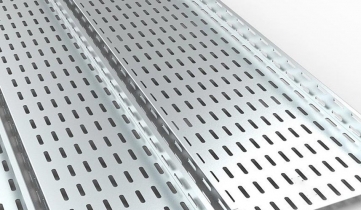
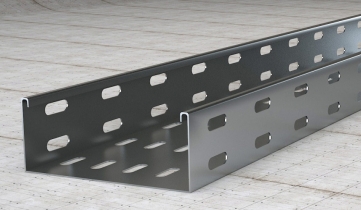
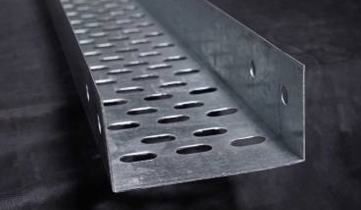
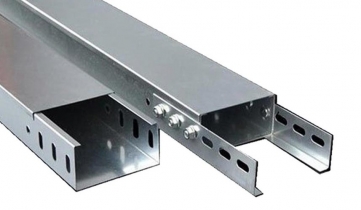
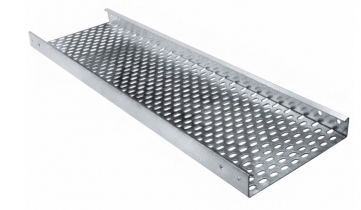
Industrial cable trays are manufactured using high-quality materials designed to withstand demanding conditions. Systems offered by Super Cable Tray Pvt. Ltd. are engineered to deliver durability, load-bearing strength, and corrosion resistance for long-term use; particularly, options such as Gi Perforated Cable Tray solutions combine structural strength with ventilation benefits, making them suitable for high-density cable installations in factories and commercial complexes.
Different sectors change over time and as a result, they have to upgrade, expand or reconfigure their electrical systems regularly. With cable trays, it is very easy to add, remove, or reroute cables because they provide access to the cable runs without any kind of intervention in the existing infrastructure. The said flexibility has a great impact on the reduction of the downtime and labor costs as opposed to the closed conduit systems which are the main reasons why trays are considered to be a future-ready solution for growing facilities.
The operational benefits are the following:
Cable management system configurations are a major factor in enhancing safety at the workplace and ensuring that the set rules are adhered to. Well-planned cable routing eliminates the possibility of workers tripping over the cables and lowers the chance of electrical faults resulting from tangled or damaged cables. Moreover, the correct grounding of metal trays makes available a safe way for fault currents, thus, both equipment and staff are protected. The above mentioned elements equip the different sectors with the needed tools to facilitate compliance with electrical standards of safety at the national and international levels.
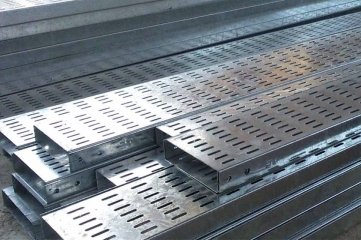
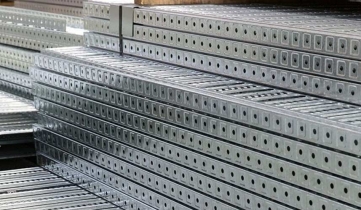
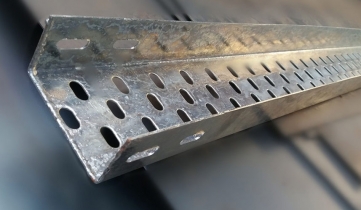
Where there is exposure to moisture, chemicals, or outdoor conditions, corrosion resistance is the feature that is most required. A Galvanized Cable Tray is able to prevent rust and thus, prolong the service life of the system by giving an additional layer of protection to the metal through zinc coating. The stated durability keeps the system performing continuously even in tough growing industries, thus maintenance cost is reduced gradually.
Some of the benefits that a corrosion resistant tray has:
Simply choosing the most attractive cable management system is not enough. One must also consider the manufacturing quality and the engineering expertise. Super Cable Tray Pvt. Ltd. is all about providing precise engineered solutions that are in line with the current industrial requirements. By focusing on the quality of the material, the load calculations, and the installation efficiency, the company enables the industry to construct safe, scalable, and efficient electrical networks.
Cable trays are an essential part of the industrial electrical infrastructure without which it would be structurally unsupported, the insulation would be unprotected and it would lack thermal efficiency and long-term reliability. Besides these features, cable trays make it possible to organize the routing of cables and to easily scale the system which, in turn, ensures that the industry can continue to operate safely and efficiently while being prepared for future growth. Investing in a good cable management system is tantamount to making a wise investment as it guarantees that the cables will be safe, readily available, and in compliance with the regulations.
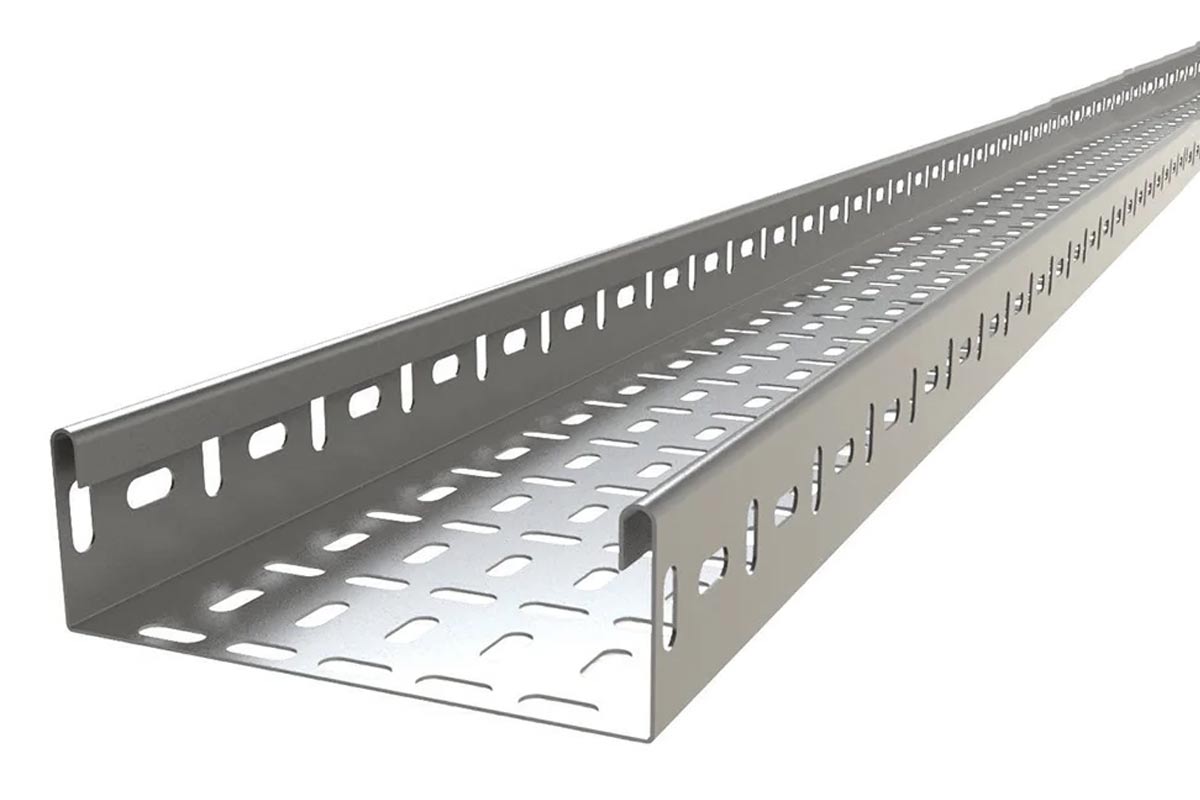
An electrical and communication cable management and organization system known as a cable tray is utilized to accommodate various types of cables, it is typically made of metal, such as aluminum or steel, and is available in a variety of sizes and shapes.
Several advantages of using a cable tray include better cable management, increased safety, and simpler maintenance. In comparison to other conduit systems, cable trays can offer a more effective and affordable solution.
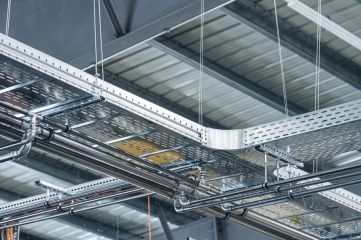
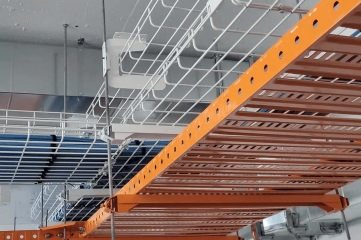
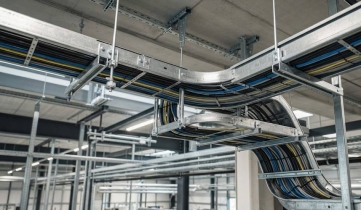
Cable trays can be installed in a number of ways, such as hanging from ceilings, mounting on walls, or using floor stands as support. The installation procedure typically entails cutting and fitting the tray to the required length as well as mounting brackets, supports, and hardware.
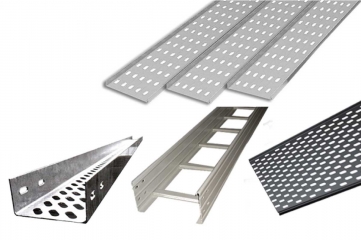
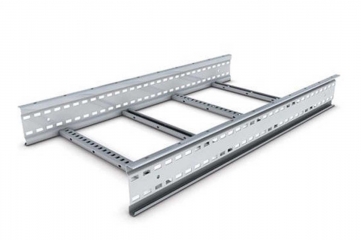
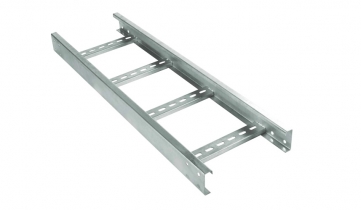
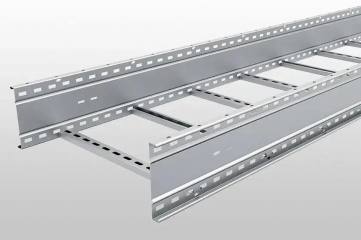
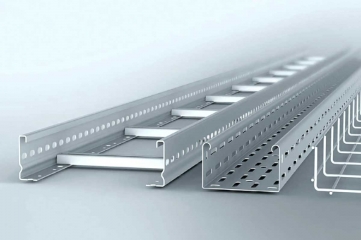
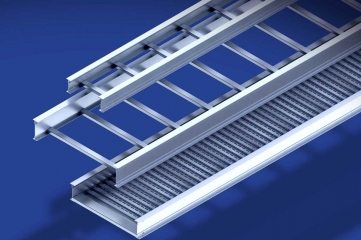
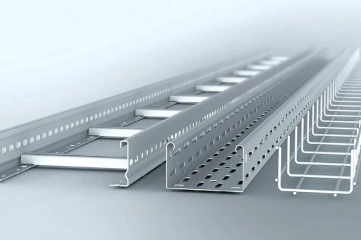
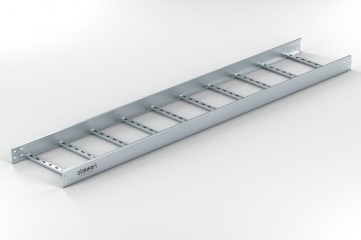
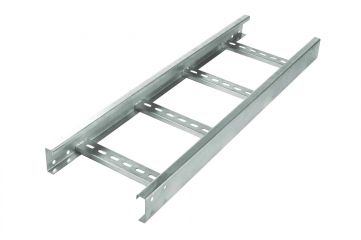
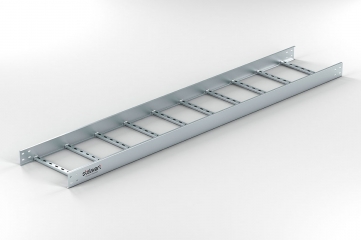
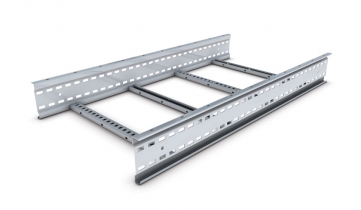
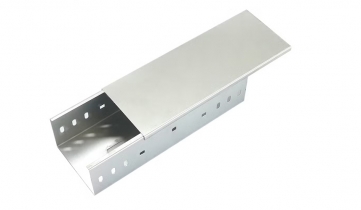
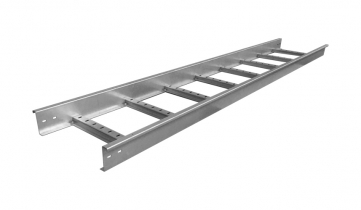
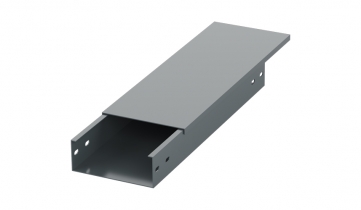
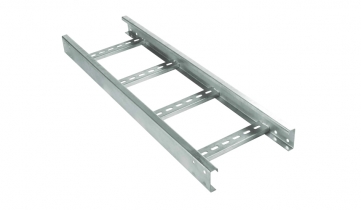
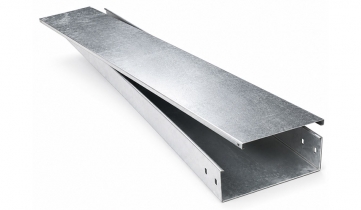
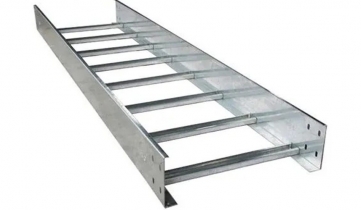
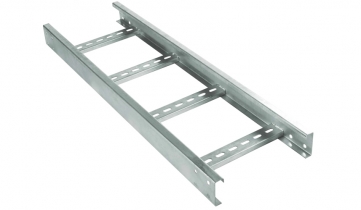
The term cable tray refers to a variety of different products, some of which include a ladder, ventilated bottom, solid bottom, wire mesh, and trough. Each variety of tray is constructed to work with a distinct set of cable arrangements and applications.
When choosing a cable tray, it is essential to take into consideration a variety of factors, including the weight and dimensions of the cables, the setting in which they will be installed, and any applicable codes and standards. It is essential to take into account the particular necessities of the project, such as the cable capacity, accessibility, and ease of installation, among other things.
The answer is yes some cable trays are constructed with fire-retardant materials. Cable trays designed to withstand fire are typically fabricated from materials like galvanized steel or stainless steel, and they are coated with materials designed to withstand fire.