Call Us on







Call Us on
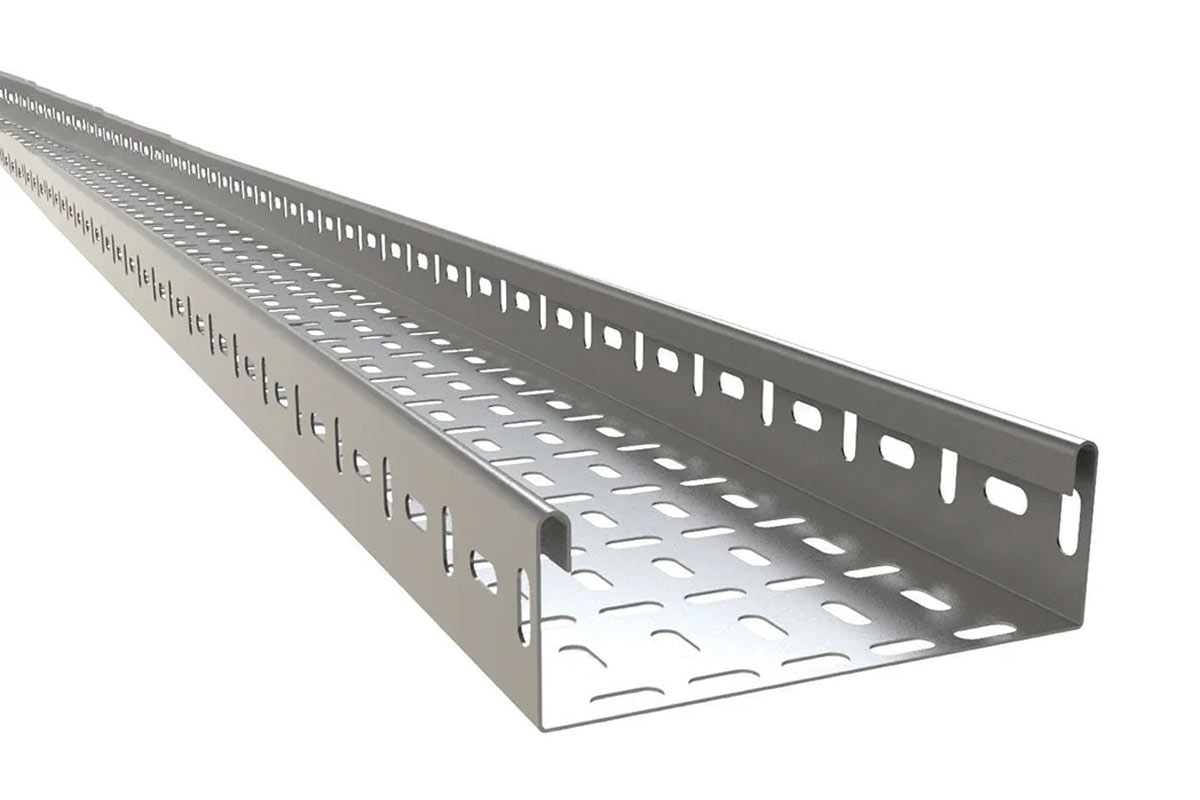
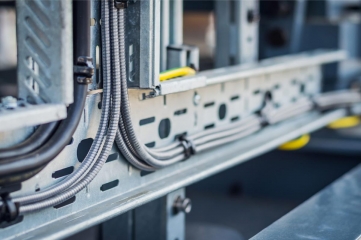
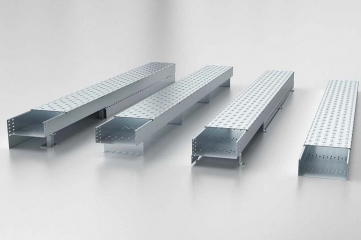
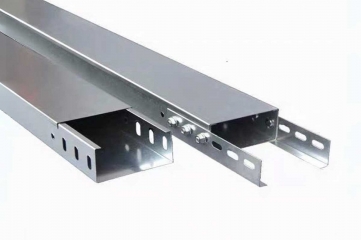
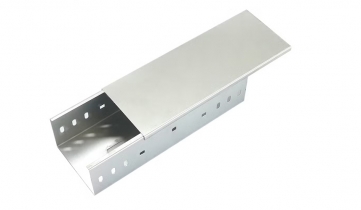
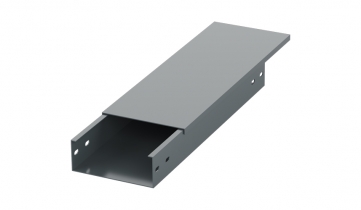
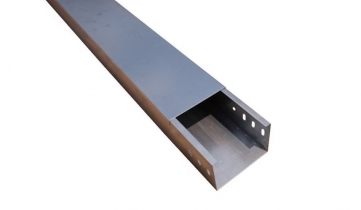
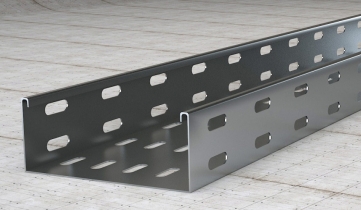
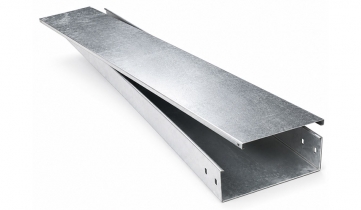
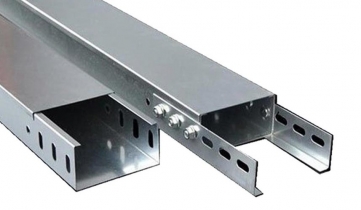
In buildings that constantly evolve, cable management no longer plays a secondary role; it has become the backbone of making places safe, clean, and reliable for the long term. Hospitals, schools, offices, and data centers: keep electrical and data cables neat and protected. This is where the Raceway Cable Tray from Super Cable Tray Pvt. Ltd. offers the smartest answer to accident prevention, day-to-day smooth operations, and system breakdown avoidance. Closed cable systems are a good choice for busy areas where everything needs to work smoothly. They offer extra protection and keep the setup neat and organized.
Since contemporary infrastructure changes so rapidly, cable management has become almost a necessity for safety, neatness, and long-lasting performance. From hospitals to schools and even in offices and data centers, neat and secure electrical and data cables provide a wide range of safety from risks and ensure smooth running. It offers total protection to the cables and makes it very convenient to manage later in the very busy areas that have the most traffic or in sensitive areas of equipment. It hides and secures all cables and thus provides an orderly but reliable arrangement for safety and daily activities.
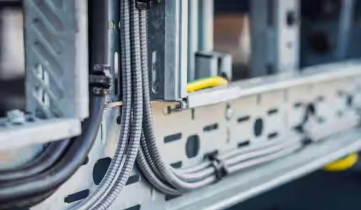
Safety around cables is mainly about protecting the cable from damage and, therefore, minimizing the potential for accidents. Cables lying loose across long corridors are hazardous. A loose cable can cause a trip hazard, or in the worst-case scenario, the cables could overheat and lead to an ignition point for an electrical fire. A cable tray allows the cabling to have a proper route and greatly reduces the likelihood of these scenarios occurring, which is even more critical in high-safety environments. Good cable route planning enables adherence to robust safety targets, assists with inspections, and makes future maintenance faster and easier.
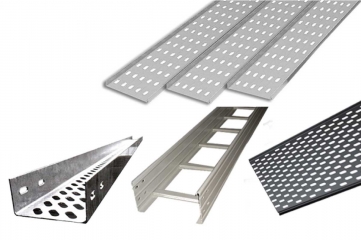
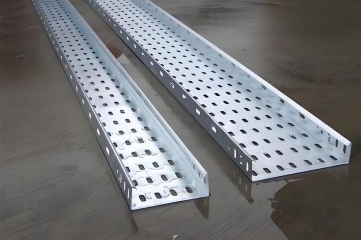
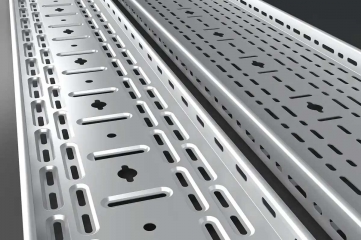
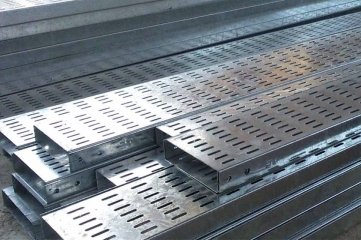
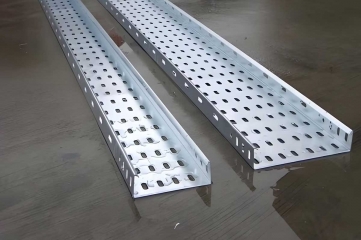
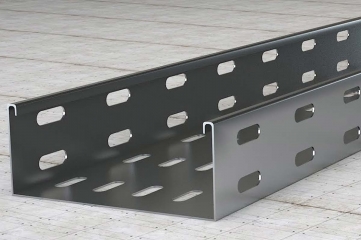
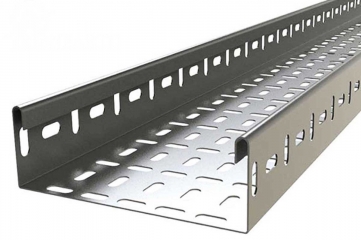
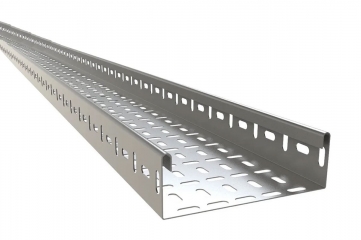
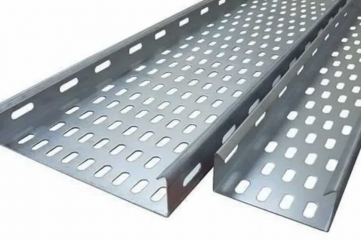
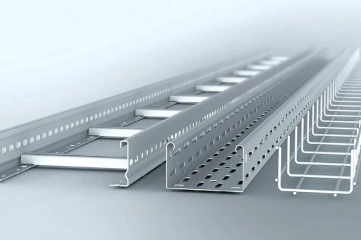
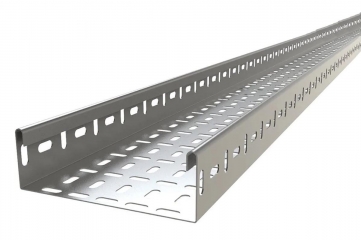
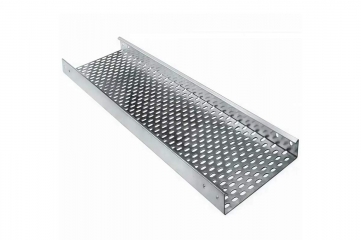
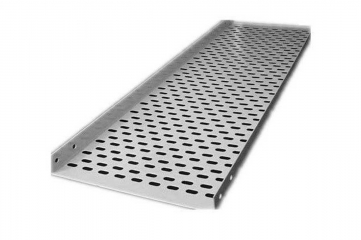
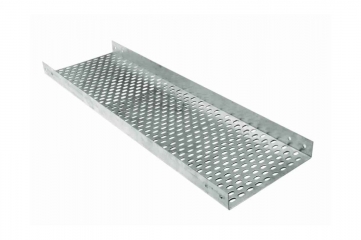
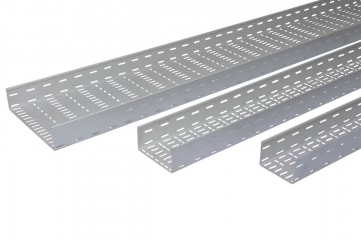
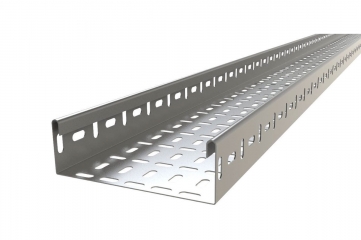
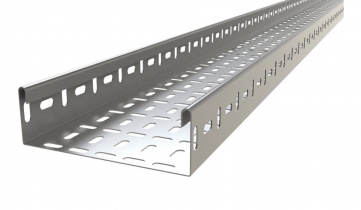
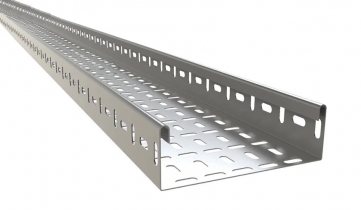
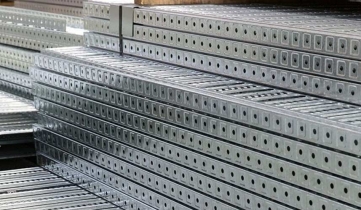
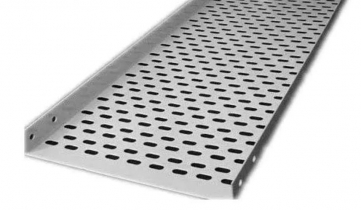
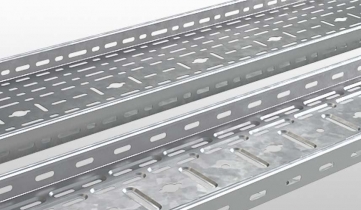
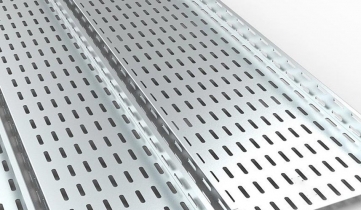
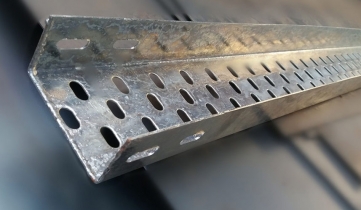
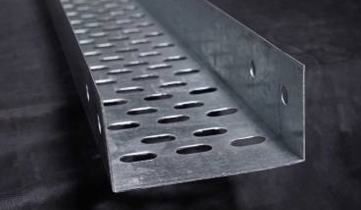
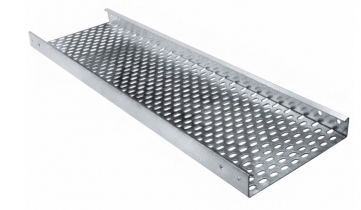
There are special types of trays specifically designed for unique applications. Cooling is actually considered more valuable than complete coverage, most especially in industrial areas. A good solution is provided by Gi Perforated Cable Trays. These trays are made from galvanized iron and are designed with small holes allowing cables to breathe. The holes act as inlets for air to flow around the cables, thus keeping them cooler and effectively preventing overheating. They are a perfect fit for places such as factories, mechanical rooms, and utility tunnels. These trays partially cover the cables while leaving them unexposed to environmental elements, thus making them long-lasting and functional in high-demand locations
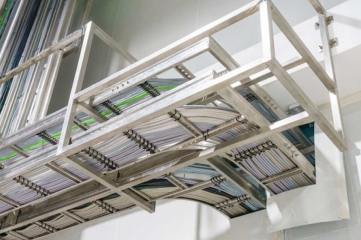
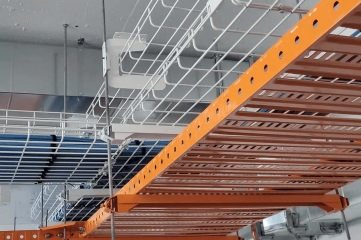
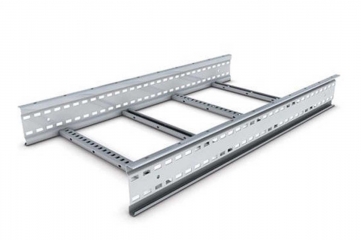
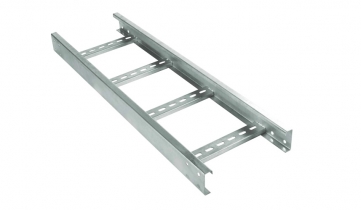
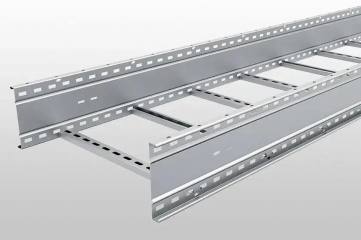
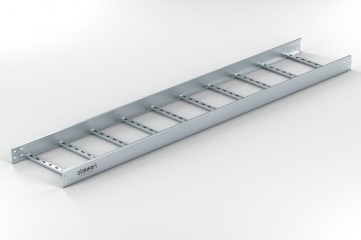
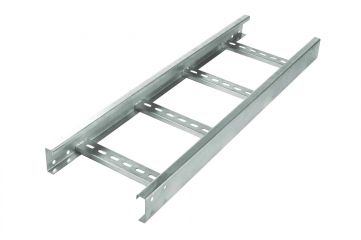
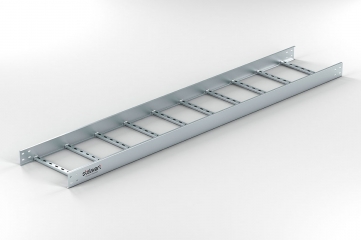
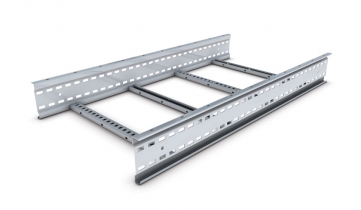
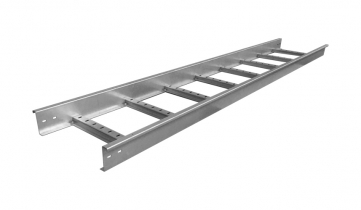
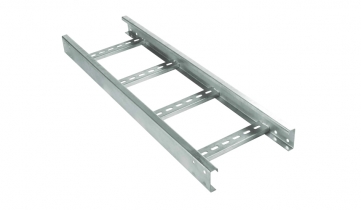
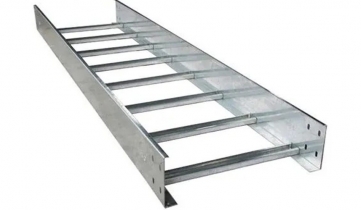
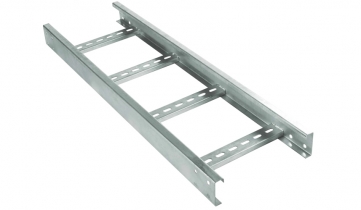
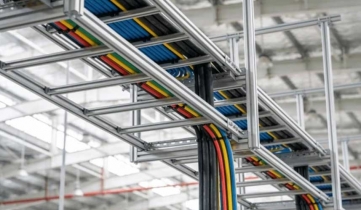
At the other end of the spectrum are heavy-duty systems for very substantial cable supports in power-intensive environments. With robust rungs framing their open scheme, Ladder Cable Trays remain the preference when cable bundles are large, heavy, and even span long distances. The traversable platform structures breathe for better air circulation, require fewer supporting points than other trays, and are primarily adopted in CSPs, server farms, and massive industrial installations, where visual containment is less of a factor than reliable functioning under extreme load. Although these are not suitable for high-cleanliness areas to prevent contamination, they have maintained an ulterior function as the backbone for various enormous electric wiring infrastructures.
Another plus of using enclosed cable systems is their manner of flexible output. If modern buildings are changing with new tech being added, the old layouts are modified and replaced. The cable tray systems can easily adapt to such changes. Some sections of the tray can be accessed, moved, or extended as per the new requirements. All such features ensure time and effort savings in the case of upgrades or repairs. This flexibility becomes especially pertinent in large projects where cabling installations need to be changed very often, and system uptime becomes critical.
In the present age, buildings are defined by a very fine balance between how things look from the outside as well as how they are internally structured and their working nature. Clean, safe, and organized homes are what every person desires. These modern trays matched that development by taking away messy wires and keeping it to a modern design. Heavy trays that are open and would suffice in most cases are no good for all sophisticated and sensitive installations where safety and performance truly matter. Therefore, it would be a really smart choice to make the areas safe and at the same time delightful.
An electrical and communication cable management and organization system known as a cable tray is utilized to accommodate various types of cables, it is typically made of metal, such as aluminum or steel, and is available in a variety of sizes and shapes.
Several advantages of using a cable tray include better cable management, increased safety, and simpler maintenance. In comparison to other conduit systems, cable trays can offer a more effective and affordable solution.
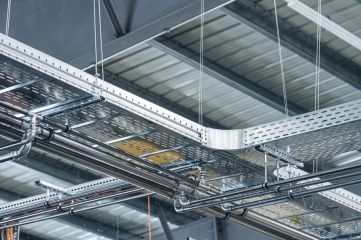
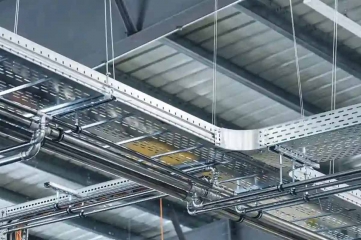
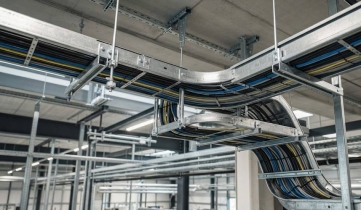
Cable trays can be installed in a number of ways, such as hanging from ceilings, mounting on walls, or using floor stands as support. The installation procedure typically entails cutting and fitting the tray to the required length as well as mounting brackets, supports, and hardware.
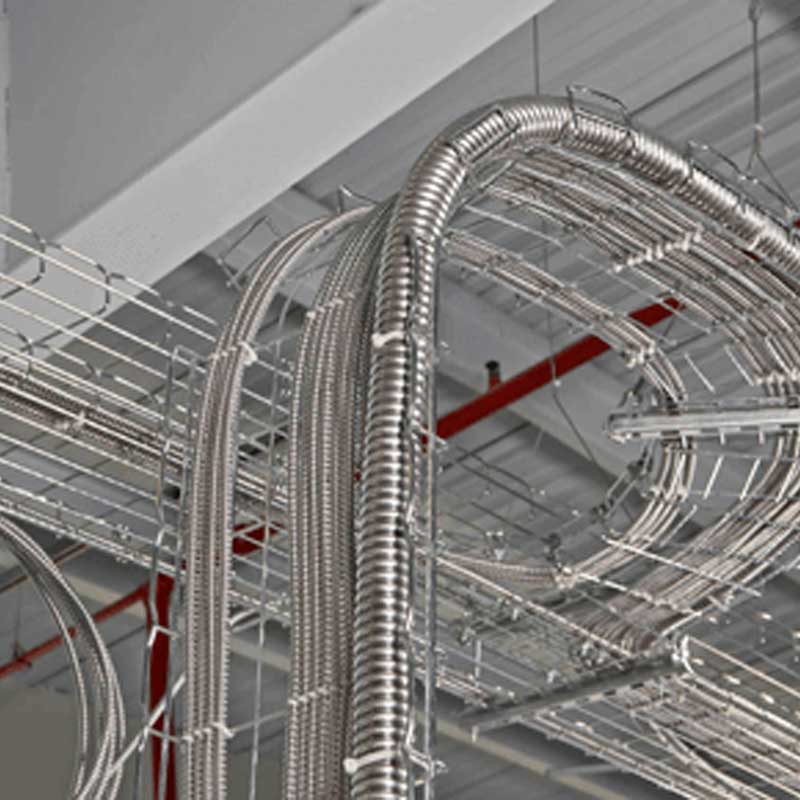
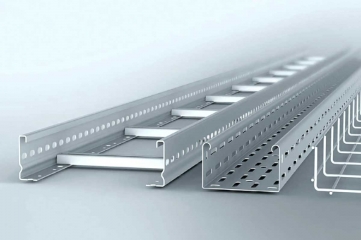
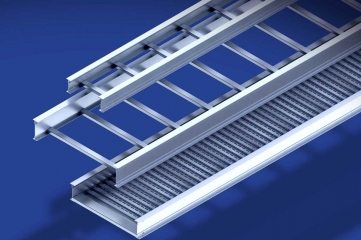
The term cable tray refers to a variety of different products, some of which include a ladder, ventilated bottom, solid bottom, wire mesh, and trough. Each variety of tray is constructed to work with a distinct set of cable arrangements and applications.
When choosing a cable tray, it is essential to take into consideration a variety of factors, including the weight and dimensions of the cables, the setting in which they will be installed, and any applicable codes and standards. It is essential to take into account the particular necessities of the project, such as the cable capacity, accessibility, and ease of installation, among other things.
The answer is yes some cable trays are constructed with fire-retardant materials. Cable trays designed to withstand fire are typically fabricated from materials like galvanized steel or stainless steel, and they are coated with materials designed to withstand fire.