Call Us on







Call Us on
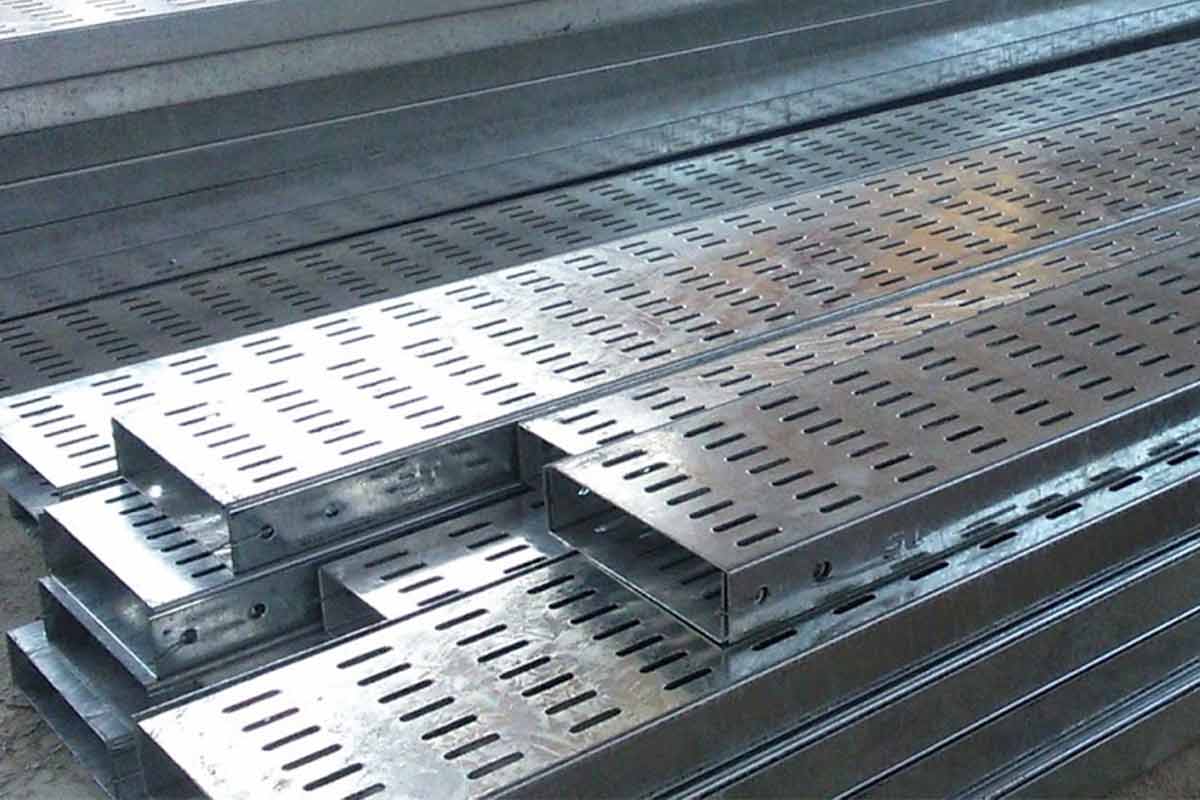
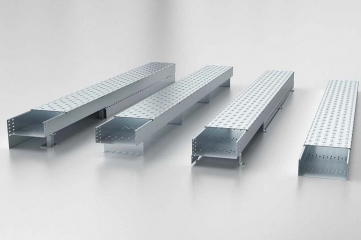
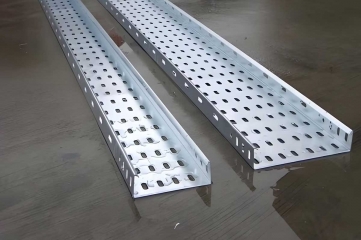
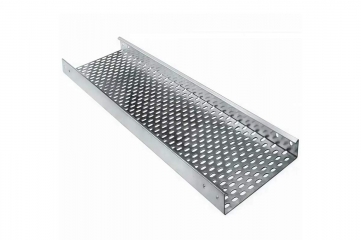
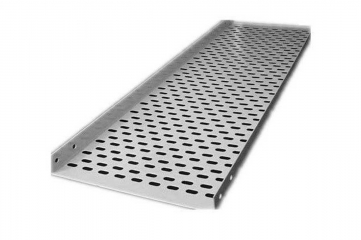
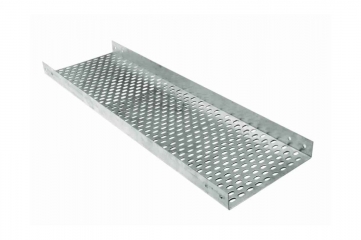
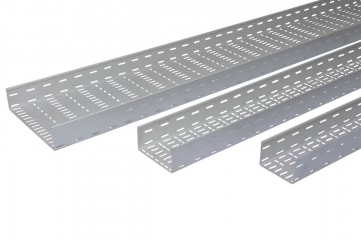
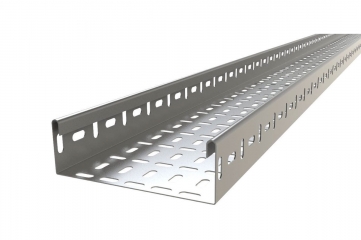
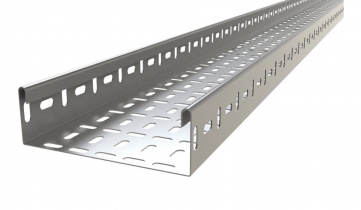
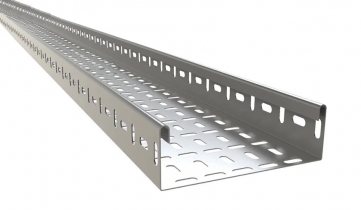
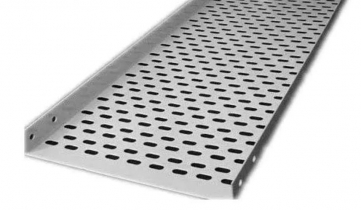
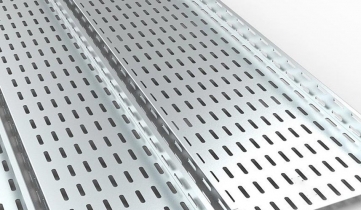
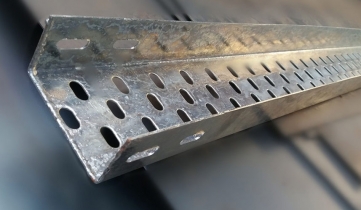
Look, when you're building infrastructure that needs to last 20 or 30 years, quality isn't negotiable. Cable management systems have to hit certain performance marks to keep things safe and working right. That's exactly why manufacturers like Super Cable Tray Pvt. Ltd. are so serious about following standards when they make Perforated Cable Trays. These aren't just boring rules on paper; they're based on years of actual engineering work and real testing. The guidelines make sure products can take whatever stress gets thrown at them, electrical, mechanical, environmental, you name it. When companies skip standards to save a buck, guess who pays for it? You do, through failures and safety problems.
Industry standards give manufacturers exact specs they've got to hit for every single piece they produce. This means what you're installing today will work exactly like the replacement parts you order five years down the road. Thickness of materials, how the holes are spaced, how much weight it handles, everything's documented, so there are no surprises. Factories test products before shipping to make sure they actually meet these targets. Here's what you get from solid quality control:
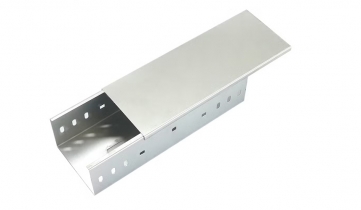
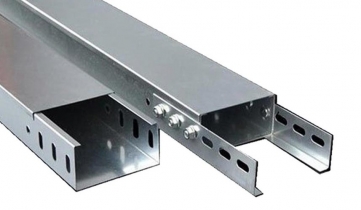
Standardized products come with actual documentation proving they meet electrical codes, both national and international ones. Fire ratings, weight limits, material specs, all of it gets tested by independent labs. This paperwork turns permit approvals and inspections from nightmares into something pretty straightforward. Your insurance company wants to see this stuff too before they'll cover your facility. A Raceway Cable Tray or whatever system you're using needs legit certification to check all these boxes. When manufacturers care about standards, they're basically handling all that compliance busywork for you. No more lying awake wondering if the inspector's gonna fail your installation.
These days, construction projects pull materials from suppliers all over the place. Standards create a universal language so products from different companies actually work together without drama. Mounting brackets, connectors, and accessories, they're all built to match up for easy assembly. You're not stuck with one supplier's proprietary system that boxes you into a corner. This really matters if you're running facilities in multiple countries. Using standardized systems everywhere makes buying parts, training people, and doing maintenance way simpler across all your sites. Your crew in one location can handle the same stuff your other teams work with.
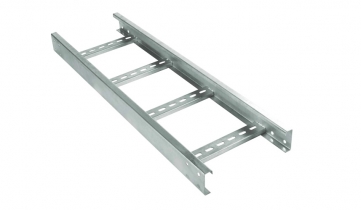
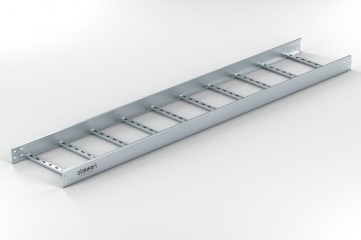
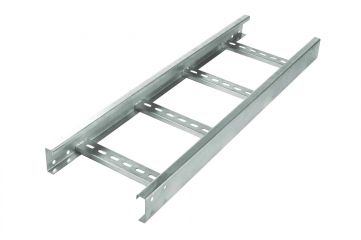
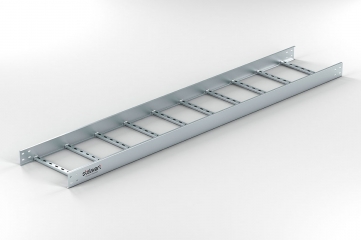
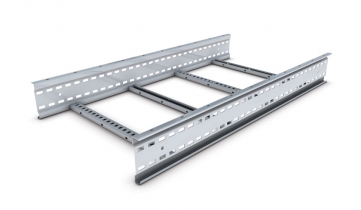
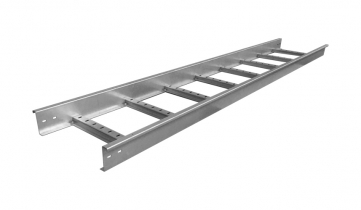
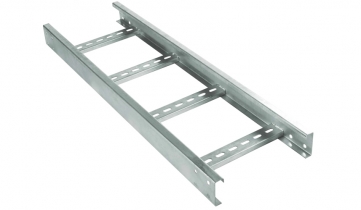
Here's how it works on the business end: companies making junk products don't stick around long. Top Ladder Cable Trays manufacturers pour serious money into meeting and beating industry standards because their reputation's on the line. Bad news travels fast when products fail or create problems for contractors on-site. People in this industry remember which brands saved their butt and which ones gave them migraines. Sticking to standards shows you're committed to quality, which keeps customers coming back. Here's what that means for you:
You'd think standards would kill creativity, but honestly, they do the opposite. Manufacturers know what baseline performance they need to hit, so they focus on improvements that actually matter. Better materials, tougher coatings, smarter designs, all created within safety frameworks that keep things legit. Testing protocols let companies prove their innovations work before they hit the market. Standards get updated as new tech and materials come along. Leading manufacturers actually sit on standards committees helping write the next round of requirements. They're not just playing by the rules, they're helping make better rules based on what actually happens in the field.
The gap between quality infrastructure and stuff that fails early usually boils down to standards compliance. These guidelines capture the combined knowledge of engineers, safety pros, and industry veterans worldwide. When manufacturers respect them, everybody wins: the installers, building owners, and people using the facilities. Standard-compliant systems cost more upfront but pay you back through years of solid performance. As electrical systems get more complicated and critical to everything we do, reliable infrastructure becomes even more important. Picking manufacturers who take standards seriously isn't being picky; it's smart business that protects what you've invested in.
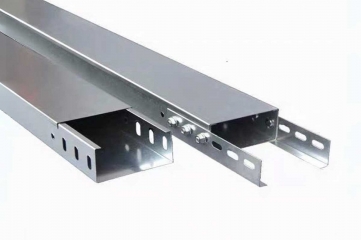
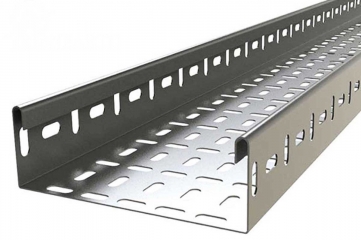
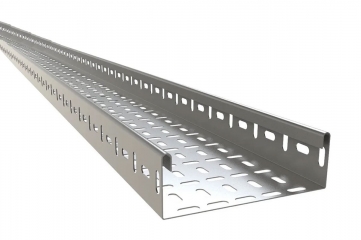
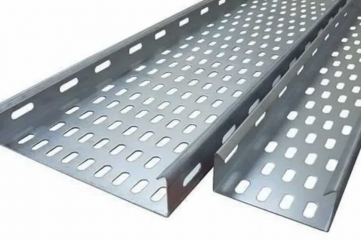
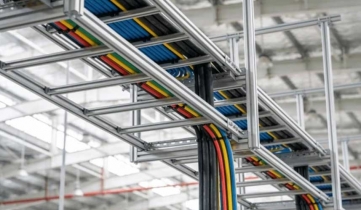
An electrical and communication cable management and organization system known as a cable tray is utilized to accommodate various types of cables, it is typically made of metal, such as aluminum or steel, and is available in a variety of sizes and shapes.
Several advantages of using a cable tray include better cable management, increased safety, and simpler maintenance. In comparison to other conduit systems, cable trays can offer a more effective and affordable solution.
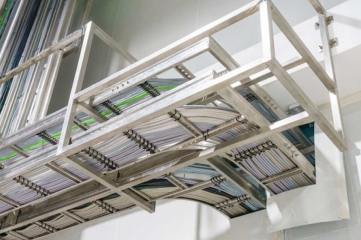
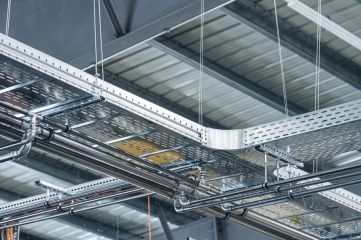
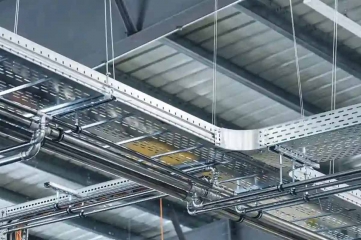
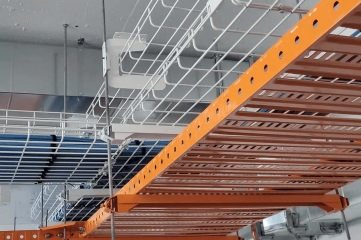
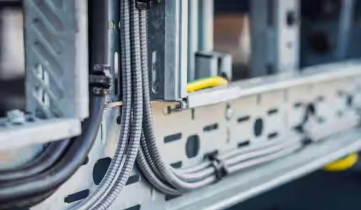
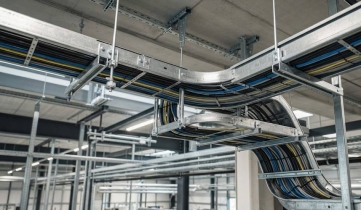
Cable trays can be installed in a number of ways, such as hanging from ceilings, mounting on walls, or using floor stands as support. The installation procedure typically entails cutting and fitting the tray to the required length as well as mounting brackets, supports, and hardware.
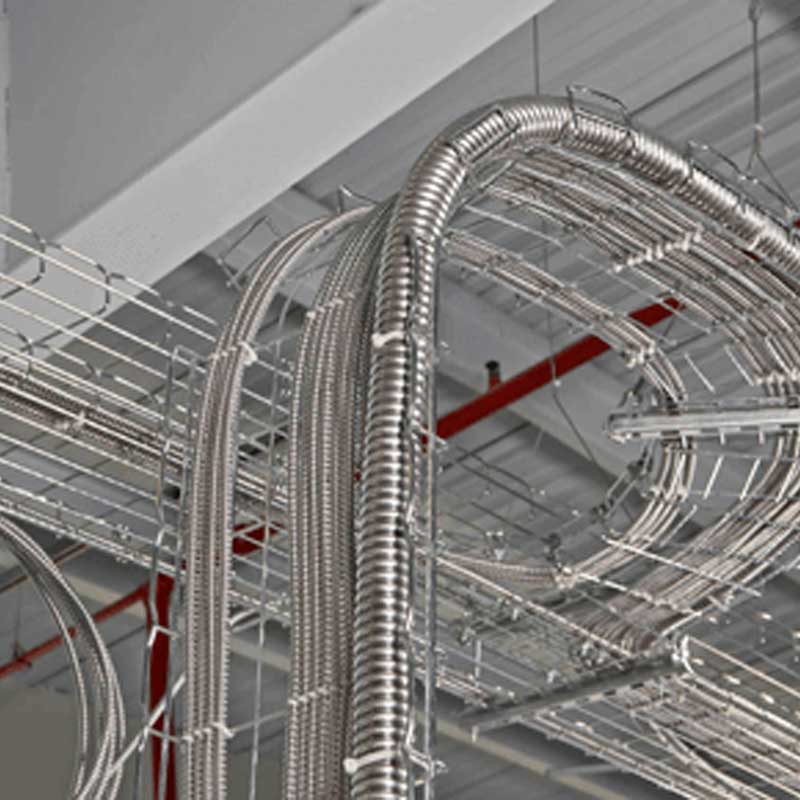
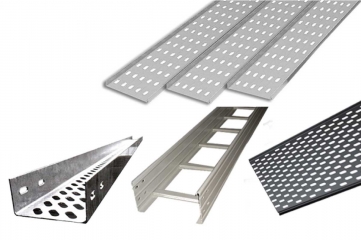
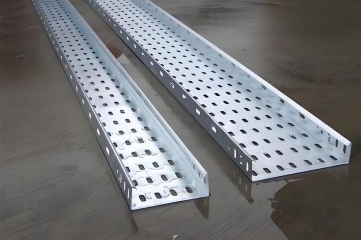
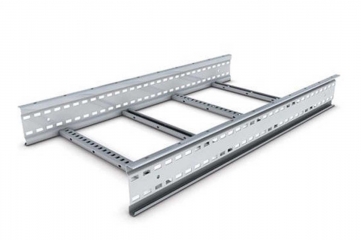
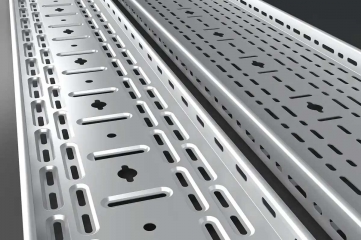
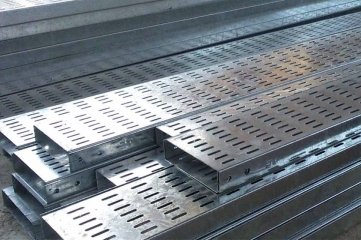
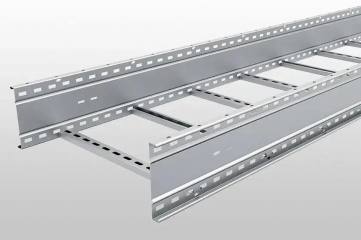
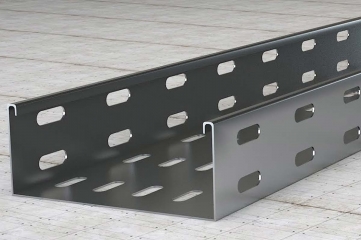
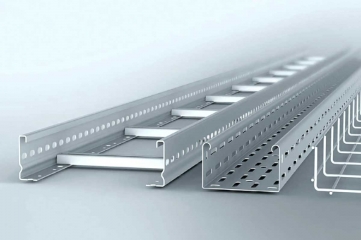
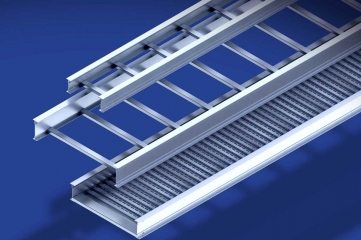
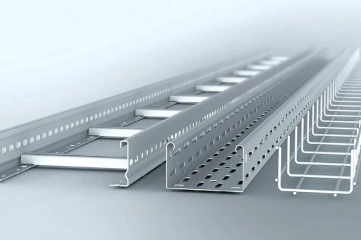
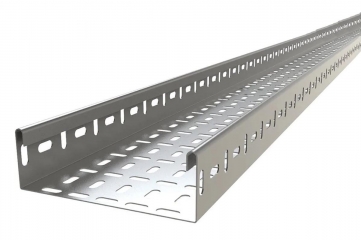
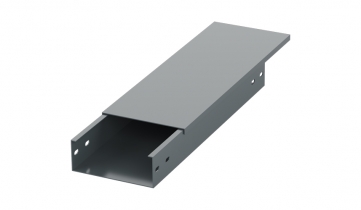
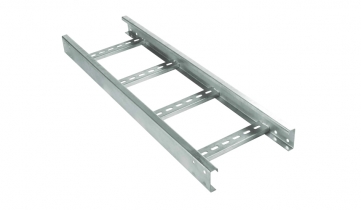
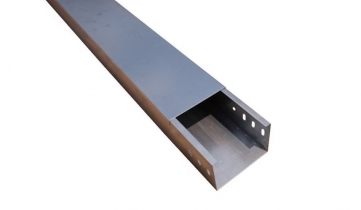
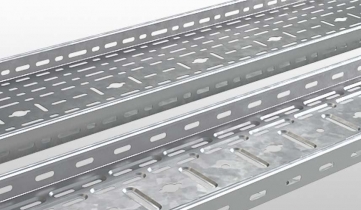
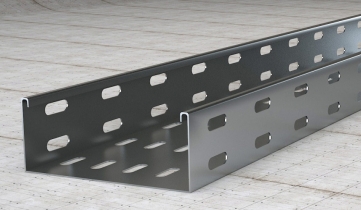
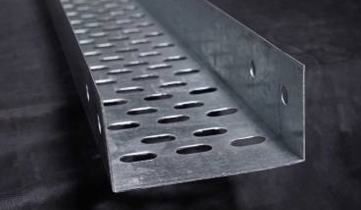
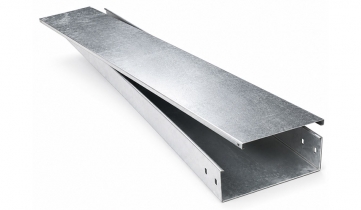
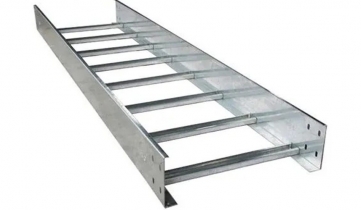
The term cable tray refers to a variety of different products, some of which include a ladder, ventilated bottom, solid bottom, wire mesh, and trough. Each variety of tray is constructed to work with a distinct set of cable arrangements and applications.
When choosing a cable tray, it is essential to take into consideration a variety of factors, including the weight and dimensions of the cables, the setting in which they will be installed, and any applicable codes and standards. It is essential to take into account the particular necessities of the project, such as the cable capacity, accessibility, and ease of installation, among other things.
The answer is yes some cable trays are constructed with fire-retardant materials. Cable trays designed to withstand fire are typically fabricated from materials like galvanized steel or stainless steel, and they are coated with materials designed to withstand fire.