Call Us on







Call Us on
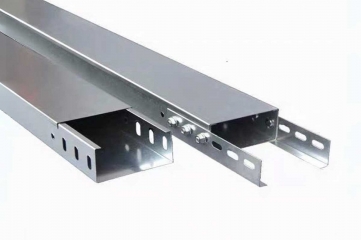
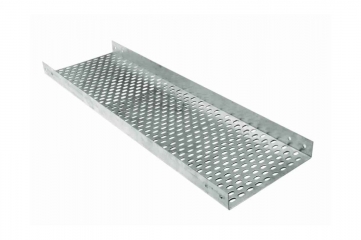
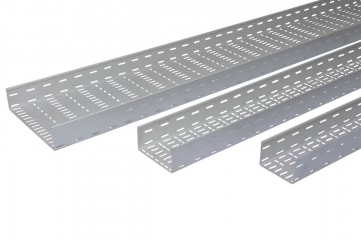
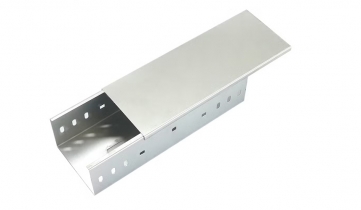
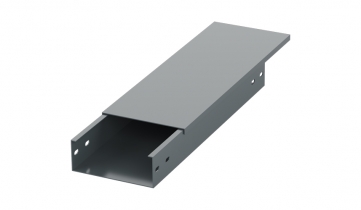
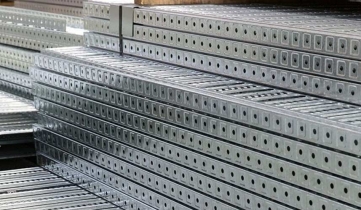
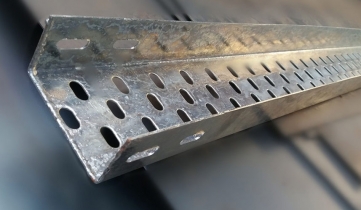
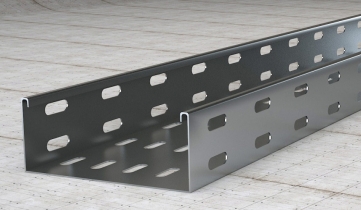
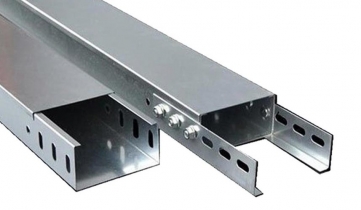
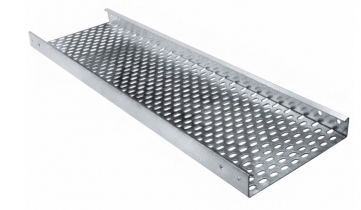
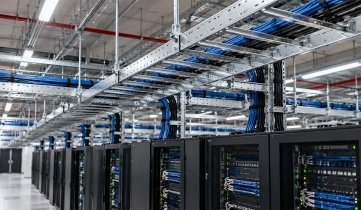
Let's be honest, dealing with messy cables is nobody's idea of a good time. When wires are all over the place and unprotected, you're basically asking for trouble. A Galvanized Cable Tray from Super Cable Tray Pvt. Ltd. gives you a solid way to keep everything neat and safe. The zinc coating on these trays is like armor against rust and environmental damage. They create clear pathways so your cables don't end up looking like tangled spaghetti. Whether you're managing a shopping mall or a factory, getting your cables organized properly just makes sense.
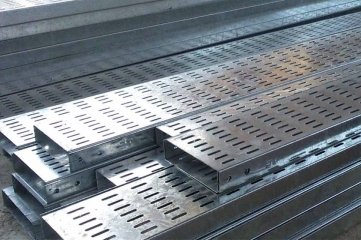
Here's the thing about metal: it rusts, especially when moisture or chemicals are around. The zinc coating on these trays acts like a shield protecting the steel underneath. It's not just painted on; it actually bonds with the metal at a molecular level. If you've got high humidity or chemical fumes in your facility, this coating is a lifesaver. You won't see those ugly rust spots popping up after just a couple of years. The zinc literally takes the hit before the base metal gets damaged. We're talking about cable infrastructure that stays solid for decades, not something you'll replace in five years.
Nobody wants to think about fires, but when you're working with electrical systems, it's important. These metal systems won't catch fire or help spread flames; that's a huge deal. The zinc coating doesn't release nasty toxic fumes when things get hot, either. If you do have an electrical fault or overheating issue, the metal structure helps contain it. Building inspectors often require non-combustible materials in certain areas, and these systems check that box. Having fire-safe infrastructure also tends to keep your insurance company happy. It's one of those things that hopefully never matters, but you're glad it's there.
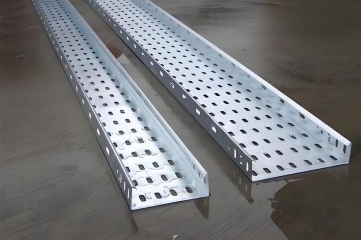
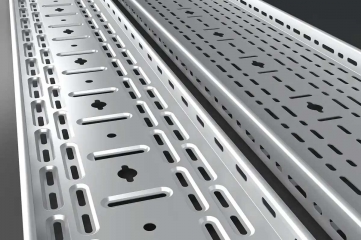
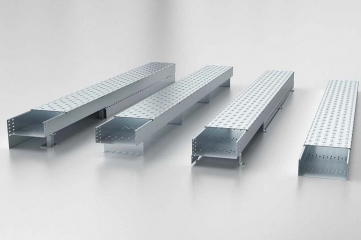
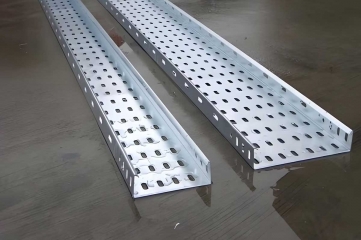
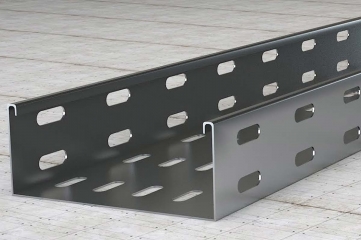
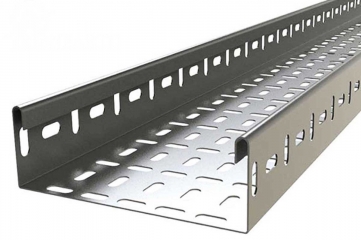
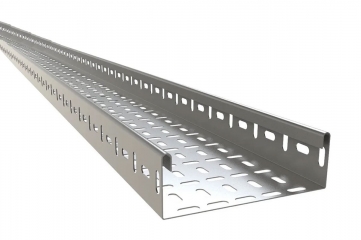
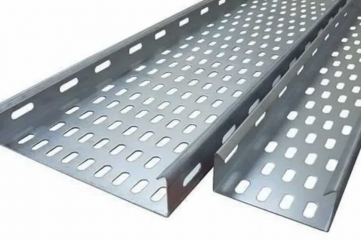
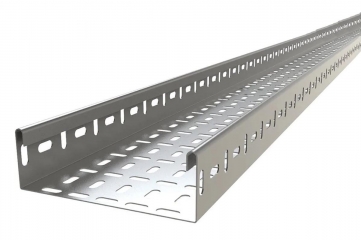
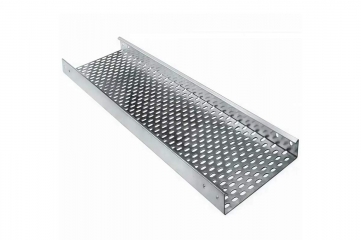
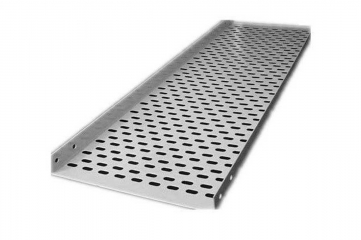
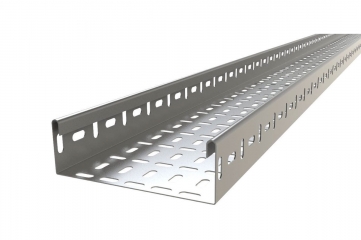
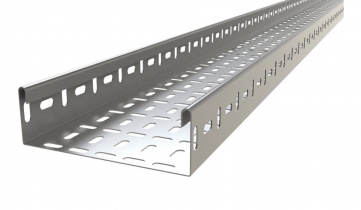
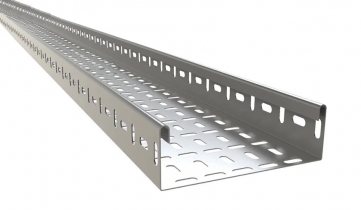
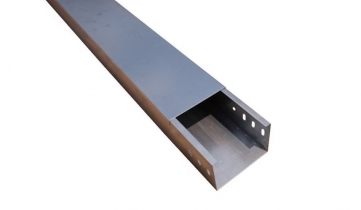
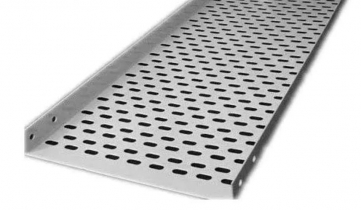
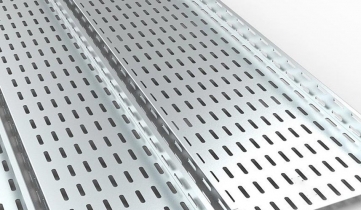
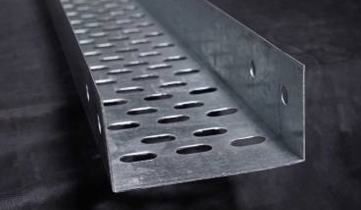
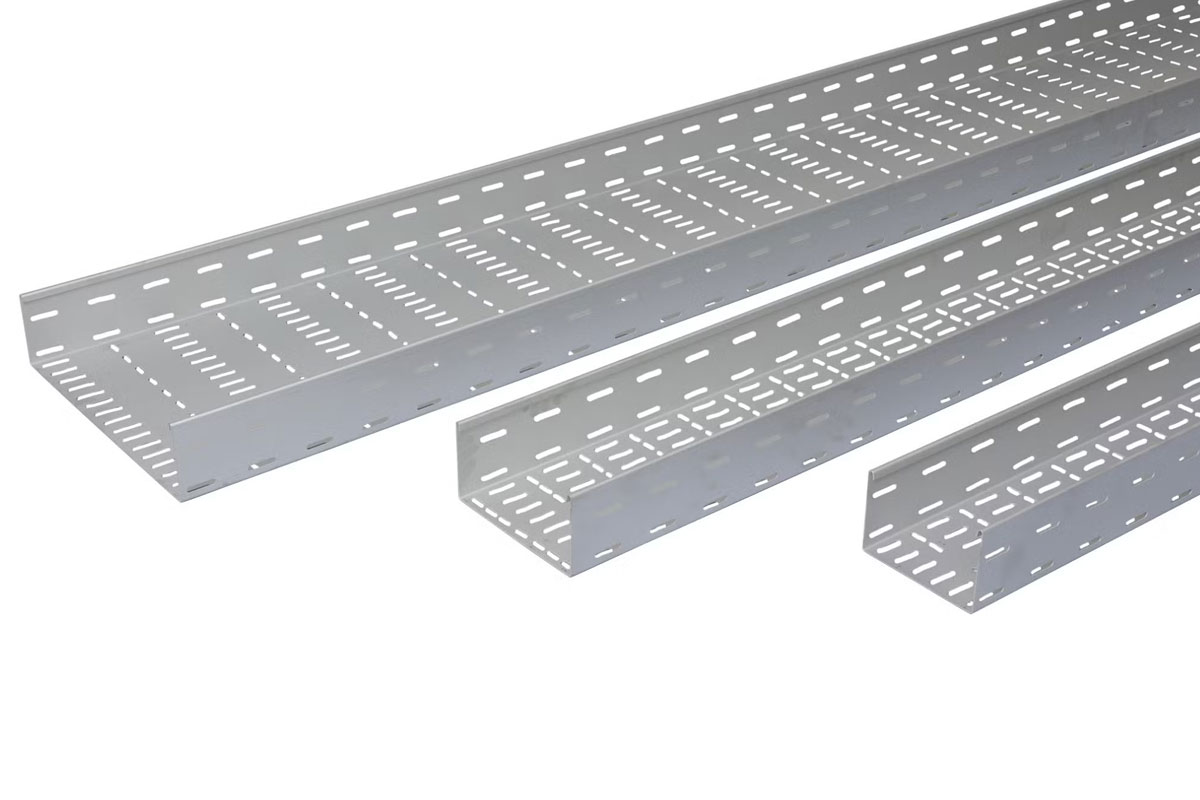
Ever tried finding one specific cable in a giant tangled mess? It's maddening, right? Organized cable pathways save your maintenance crew tons of frustration and time. A Gi Perforated Cable Tray gives you the same organizational benefits plus better airflow. When your team can work efficiently, everybody wins. Here's why it matters:
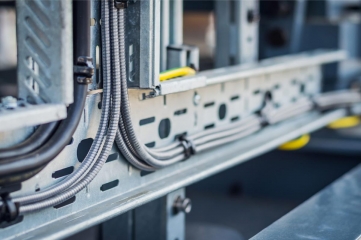
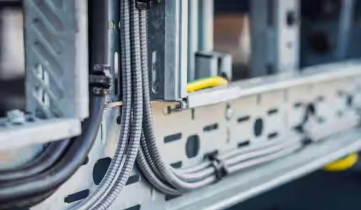
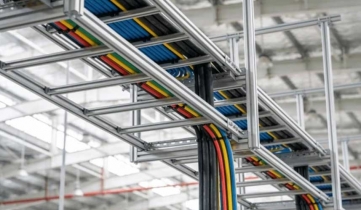
Think about how much stuff happens in a typical facility—forklifts moving around, equipment being installed, things getting bumped. The solid metal structure protects your cables from all that chaos. Workers won't accidentally crush cables when they're moving materials or machinery around. Keeping cables elevated means they're safe from floor hazards like water leaks or spills. You eliminate those sharp bends and stress points that slowly kill cables over time. This protection means your cables last way longer and you're not constantly replacing them. You're basically building a protective highway for all your electrical connections.
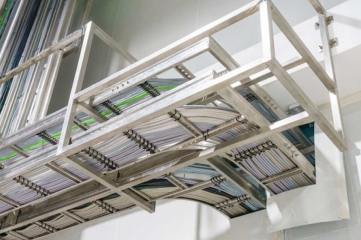
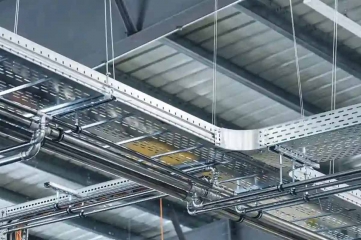
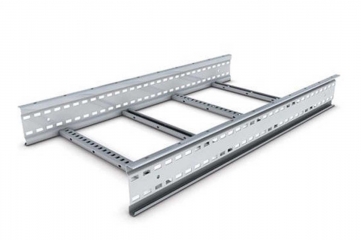
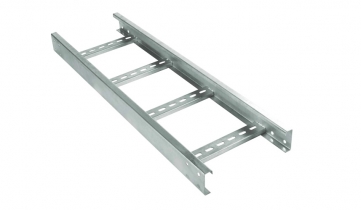
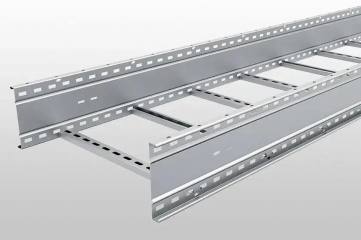
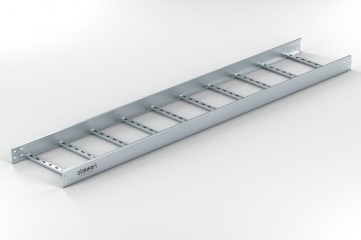
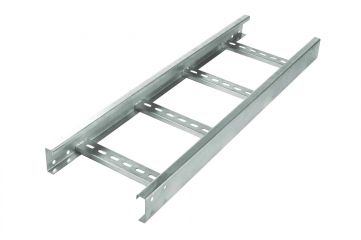
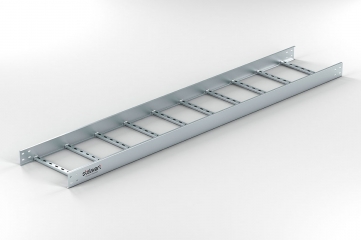
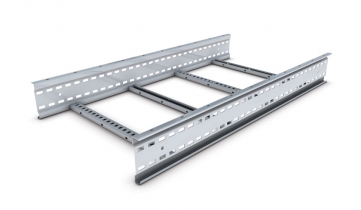
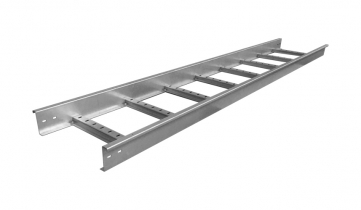
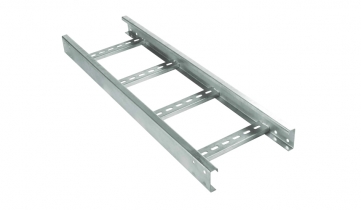
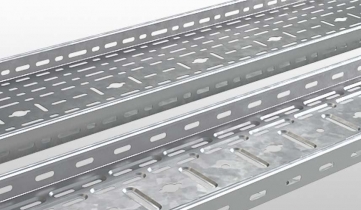
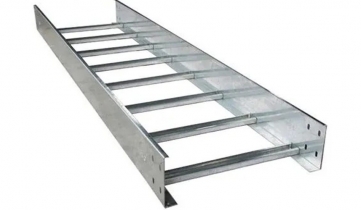
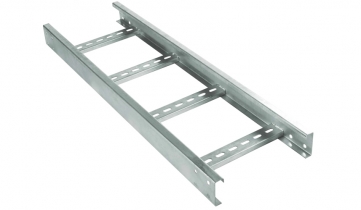
When cables aren't supported properly, they start to sag and develop weak spots that eventually fail. Ladder Cable Trays excel at load distribution with their sturdy open framework design. When cables are properly supported, they work better and survive much longer than stressed ones. These systems spread the weight evenly so no single point takes all the stress. The solid structure keeps cables from drooping, which can damage their outer jackets or internal wires. Here's what proper support does for you:
Building a safe and organized electrical setup isn't just about checking boxes on compliance forms. It's really about creating systems that protect what you've invested in and make everything run smoother. The right approach to managing cables stops problems before they even start while making maintenance way less painful. From keeping rust away to minimizing fire risks, quality systems pay dividends that add up over the years. As buildings and facilities get more complex with new tech and equipment, having rock-solid infrastructure becomes absolutely crucial. Spending money on proper cable management now saves you from expensive disasters down the road.
An electrical and communication cable management and organization system known as a cable tray is utilized to accommodate various types of cables, it is typically made of metal, such as aluminum or steel, and is available in a variety of sizes and shapes.
Several advantages of using a cable tray include better cable management, increased safety, and simpler maintenance. In comparison to other conduit systems, cable trays can offer a more effective and affordable solution.
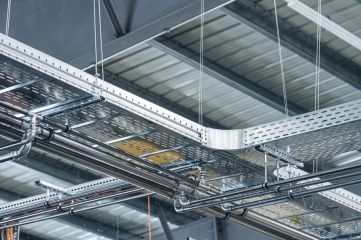
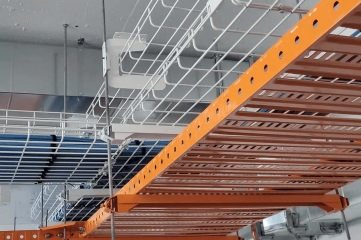
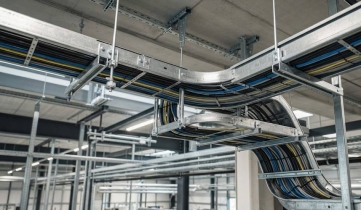
Cable trays can be installed in a number of ways, such as hanging from ceilings, mounting on walls, or using floor stands as support. The installation procedure typically entails cutting and fitting the tray to the required length as well as mounting brackets, supports, and hardware.
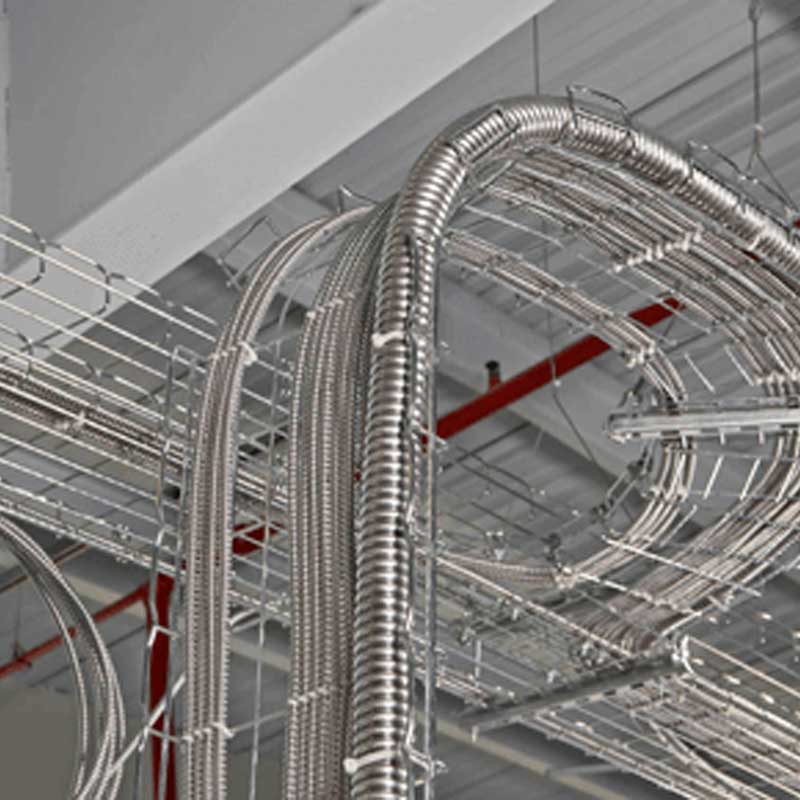
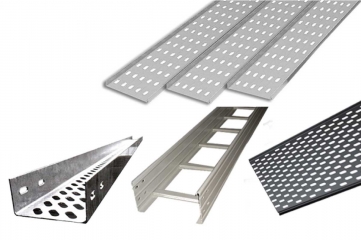
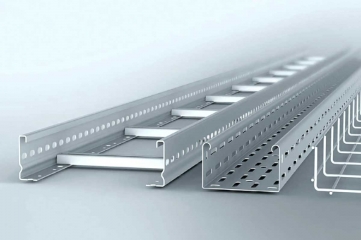
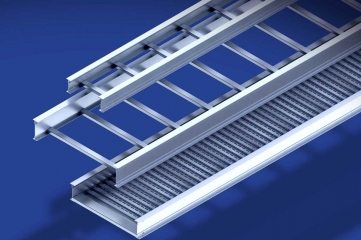
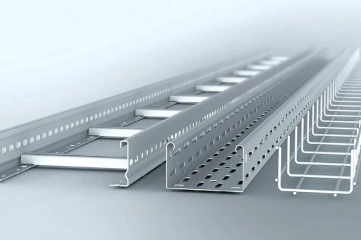
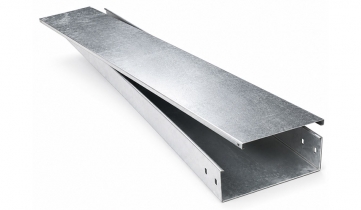
The term cable tray refers to a variety of different products, some of which include a ladder, ventilated bottom, solid bottom, wire mesh, and trough. Each variety of tray is constructed to work with a distinct set of cable arrangements and applications.
When choosing a cable tray, it is essential to take into consideration a variety of factors, including the weight and dimensions of the cables, the setting in which they will be installed, and any applicable codes and standards. It is essential to take into account the particular necessities of the project, such as the cable capacity, accessibility, and ease of installation, among other things.
The answer is yes some cable trays are constructed with fire-retardant materials. Cable trays designed to withstand fire are typically fabricated from materials like galvanized steel or stainless steel, and they are coated with materials designed to withstand fire.