




Types of Cable Trays: Benefits and Uses

Types of Cable Trays: Benefits and Uses

  • By: Admin
  • Sep 10, 2025
Types of Cable Trays: Benefits and Uses

Types of Cable Trays: Benefits and Uses

In modern electrical and industrial infrastructure, managing cables safely and efficiently is just as important as selecting the right cables themselves. Poor cable organization can lead to overheating, signal interference, maintenance difficulties, and even fire hazards. This is where a Cable Tray system becomes essential.

Cable trays provide a structured pathway for routing, protecting, and supporting power, control, and data cables across industrial plants, commercial buildings, data centers, hospitals, and infrastructure projects. Over the years, different types of cable trays have been developed to suit specific load requirements, environments, and installation conditions.

This guide explains the major types of cable trays, their benefits, applications, and how to choose the right system for your project.

What is a Cable Tray System?

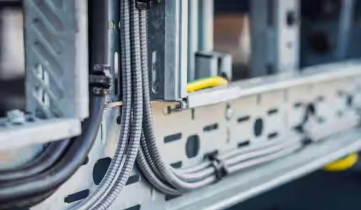
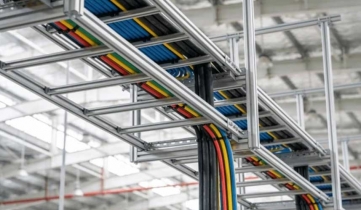
Cable Tray is a rigid structural system designed to support insulated electrical cables and wiring. Instead of running cables through conduits, trays allow easy installation, inspection, ventilation, and future expansion.

Why Cable Trays Are Essential

Using a proper cable tray system offers many advantages:

  • Improved Safety: Reduces fire risks and cable damage

  • Better Ventilation: Prevents overheating

  • Easy Maintenance: Quick cable inspection and replacement

  • Cost-Efficient: Lower installation and labor costs

  • Scalability: Easy to add or remove cables

  • Organized Infrastructure: Cleaner and safer workspaces

Major Types of Cable Trays

Different environments require different tray designs. Below are the most widely used cable tray types.

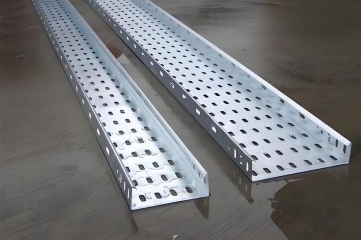
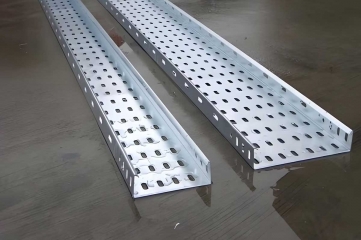
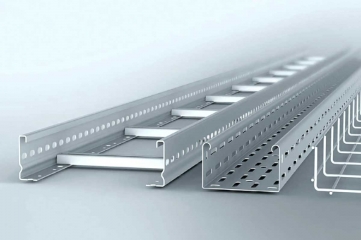
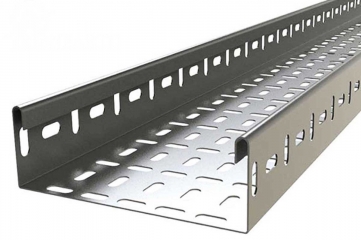
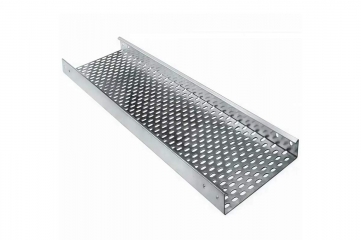
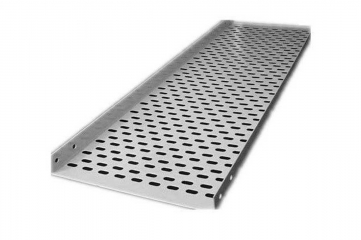
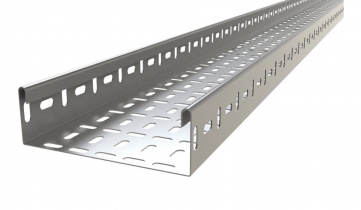
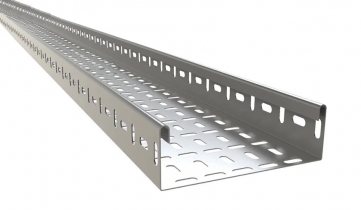
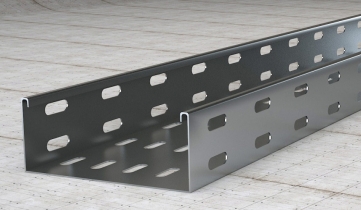
1. Perforated Cable Trays

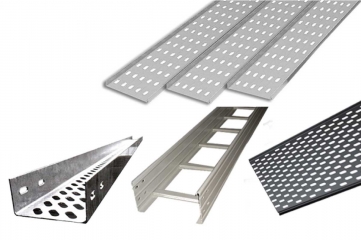
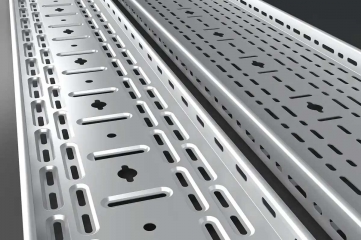
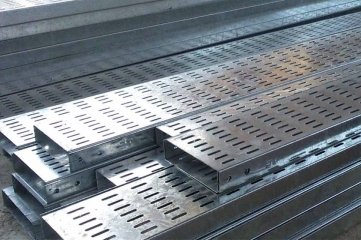
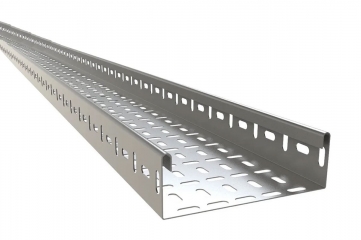
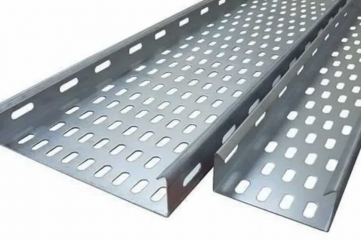
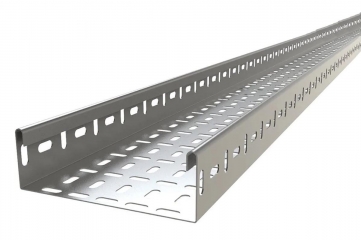
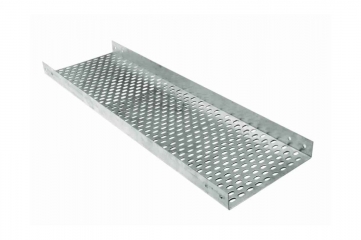
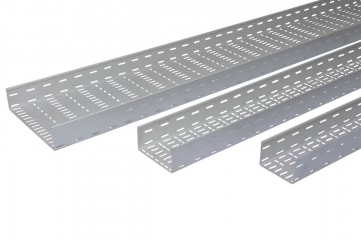
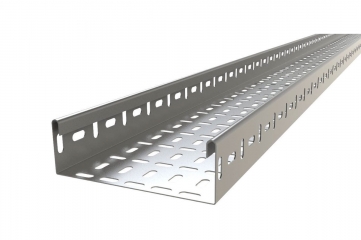
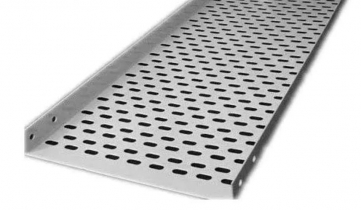
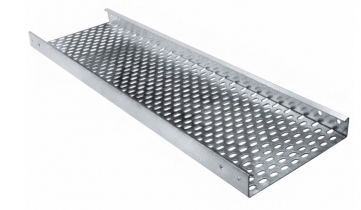
Perforated Cable Trays feature evenly spaced holes across the tray surface. These perforations allow airflow, drainage, and easy cable tying.

Benefits

  • Excellent ventilation

  • Lightweight but strong

  • Reduced dust and moisture buildup

  • Easy cable clamping and routing

Applications

  • Commercial buildings

  • Data centers

  • Control panels

  • Power distribution rooms

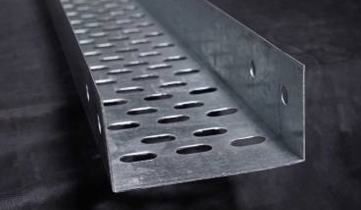
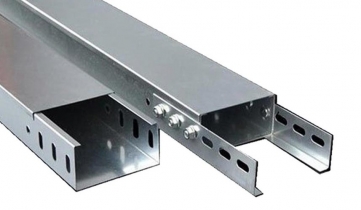
2. GI Perforated Cable Tray

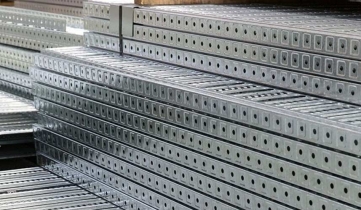
GI Perforated Cable Tray is manufactured from galvanized iron steel with a zinc coating that protects against corrosion and rust.

Benefits

  • Long service life

  • Corrosion resistance

  • Strong load-bearing capacity

  • Low maintenance

Applications

  • Industrial factories

  • Warehouses

  • Power stations

  • Chemical plants

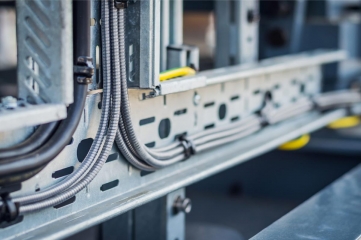
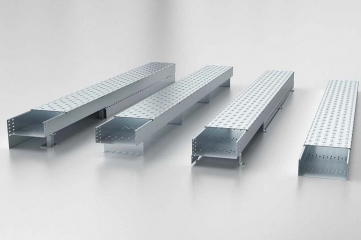
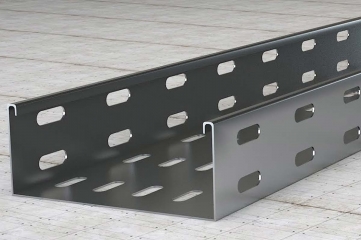
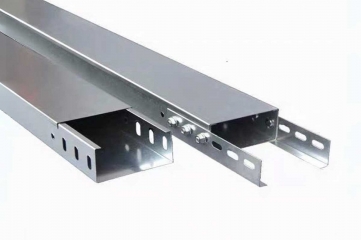
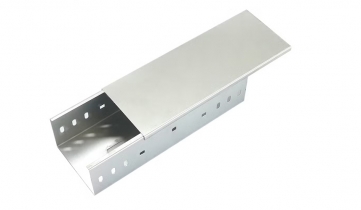
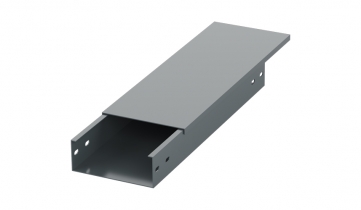
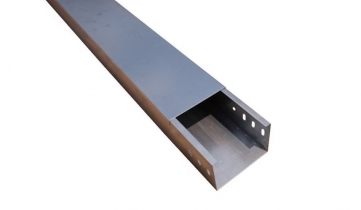
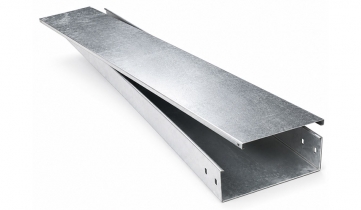
3. Raceway Cable Tray

Raceway Cable Tray is a fully enclosed or partially enclosed system designed to provide maximum protection to cables.

Benefits

  • Protects cables from dust, moisture, and physical damage

  • Provides a neat and concealed appearance

  • Enhances workplace safety

Applications

  • Office buildings

  • Hospitals

  • Laboratories

  • Airports and malls

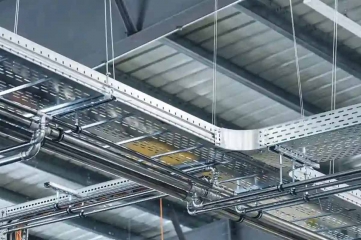
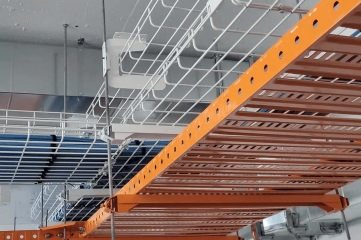
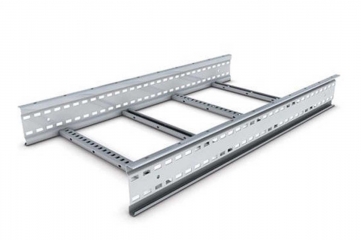
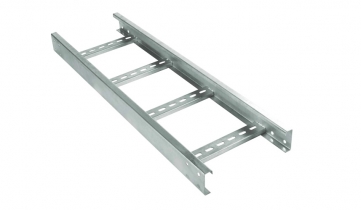
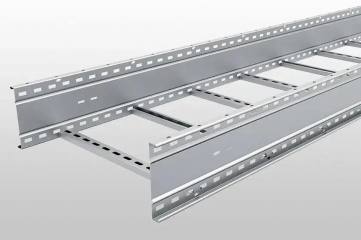
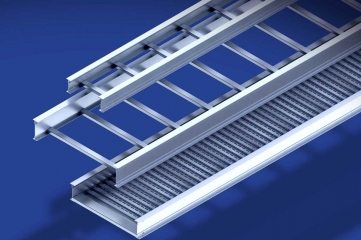
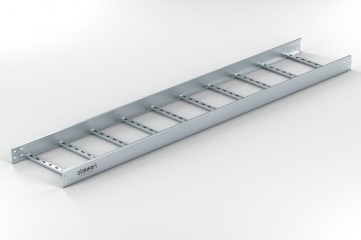
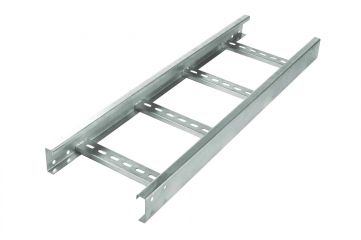
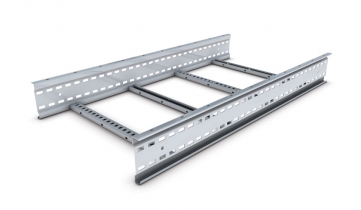
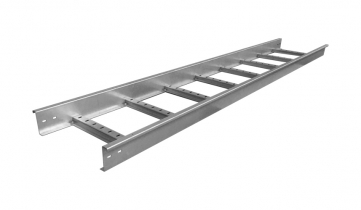
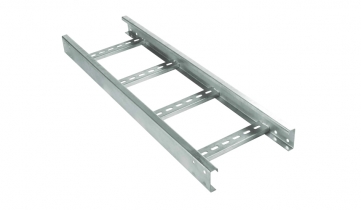
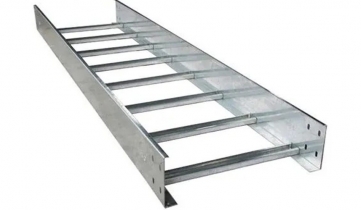
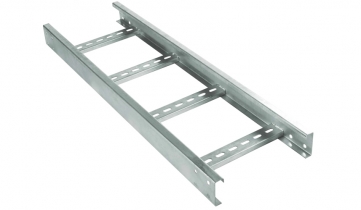
4. Ladder Cable Trays

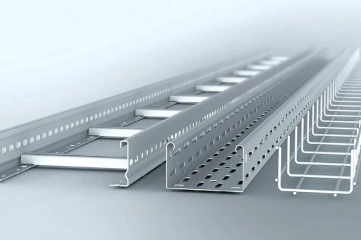
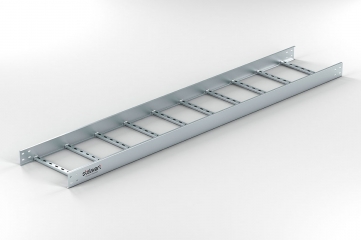
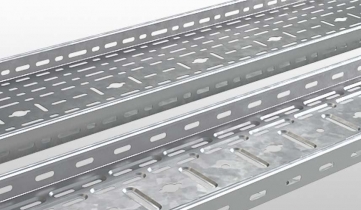
Ladder Cable Trays have a ladder-like structure with two side rails and rungs.

Benefits

  • Excellent airflow for heat dissipation

  • Suitable for heavy cables

  • Easy cable entry and exit

  • High load capacity

Applications

  • Power plants

  • Oil & gas facilities

  • Heavy industrial projects

  • Long cable runs

5. Galvanized Cable Tray

Galvanized Cable Tray is coated with zinc through hot-dip or pre-galvanization to resist corrosion.

Benefits

  • Superior corrosion protection

  • Durable for harsh environments

  • Cost-effective long-term solution

Applications

  • Outdoor installations

  • Coastal areas

  • Industrial environments

  • Renewable energy plants

Comparison Table: Types of Cable Trays

Type Strength Corrosion Resistance Ventilation Best For
Perforated Cable Trays Medium Medium High Commercial & control systems
GI Perforated Cable Tray High High High Industrial environments
Raceway Cable Tray Medium High Low Offices & sensitive areas
Ladder Cable Trays Very High Medium Very High Heavy industrial power cables
Galvanized Cable Tray High Very High Medium Outdoor & corrosive areas


How to Choose the Right Cable Tray

When selecting a cable tray system, consider:

  1. Load Capacity – number and weight of cables

  2. Environmental Conditions – moisture, heat, chemicals

  3. Installation Area – indoor or outdoor

  4. Ventilation Needs – high heat environments need airflow

  5. Safety Standards – fire and electrical regulations

  6. Future Expansion – ease of upgrades

Industry Standards & Compliance

High-quality cable trays comply with:

  • IS standards

  • NEMA VE-1

  • IEC guidelines

Certified manufacturing ensures safety, durability, and regulatory compliance.

Conclusion

Choosing the right Cable Tray system is not just about cable support—it’s about ensuring safety, efficiency, and long-term performance. From Perforated Cable Trays and GI Perforated Cable Trays to Raceway Cable Tray, Ladder Cable Trays, and Galvanized Cable Tray, each type serves a unique purpose across industries.

By understanding their benefits and applications, you can design a reliable cable management system that improves workflow, reduces risks, and supports future growth.

A well-planned cable tray solution is a long-term investment in safety, performance, and infrastructure reliability.


Popular Blogs

FAQs

What are cable tray systems?

An electrical and communication cable management and organization system known as a cable tray is utilized to accommodate various types of cables, it is typically made of metal, such as aluminum or steel, and is available in a variety of sizes and shapes.

What are the benefits of using cable trays?

Several advantages of using a cable tray include better cable management, increased safety, and simpler maintenance. In comparison to other conduit systems, cable trays can offer a more effective and affordable solution.

How are cable trays installed?

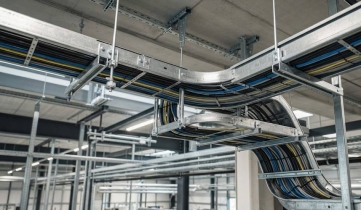
Cable trays can be installed in a number of ways, such as hanging from ceilings, mounting on walls, or using floor stands as support. The installation procedure typically entails cutting and fitting the tray to the required length as well as mounting brackets, supports, and hardware.

What are the different types of cable trays?

The term cable tray refers to a variety of different products, some of which include a ladder, ventilated bottom, solid bottom, wire mesh, and trough. Each variety of tray is constructed to work with a distinct set of cable arrangements and applications.

How do I select the suitable cable tray for my needs?

When choosing a cable tray, it is essential to take into consideration a variety of factors, including the weight and dimensions of the cables, the setting in which they will be installed, and any applicable codes and standards. It is essential to take into account the particular necessities of the project, such as the cable capacity, accessibility, and ease of installation, among other things.

Are cable trays fire-resistant?

The answer is yes some cable trays are constructed with fire-retardant materials. Cable trays designed to withstand fire are typically fabricated from materials like galvanized steel or stainless steel, and they are coated with materials designed to withstand fire.


Our Clients
Get A Quote