Call Us on







Call Us on
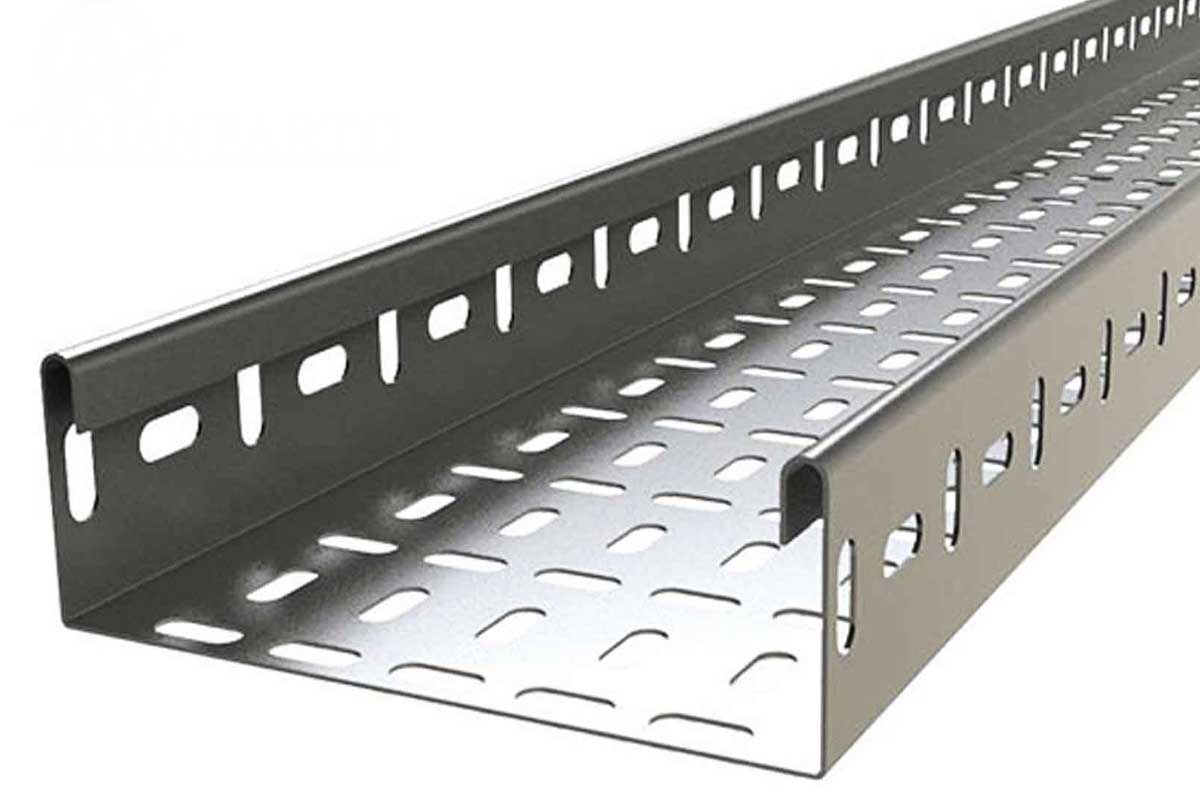
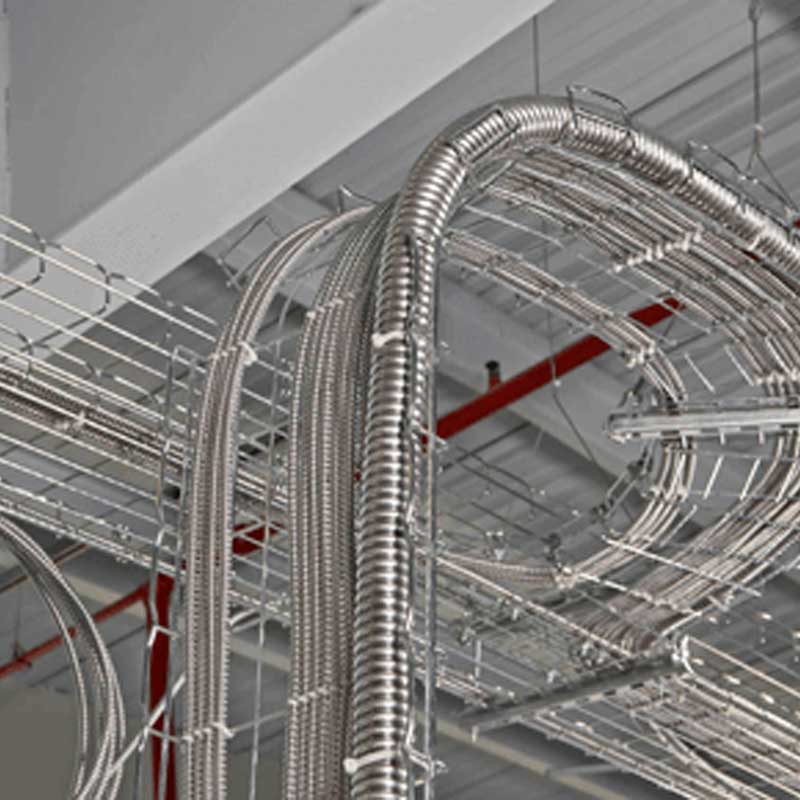
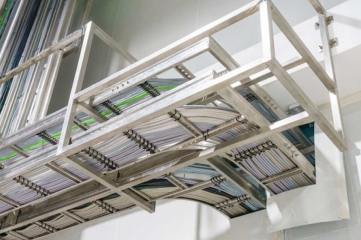
Keeping electrical systems safe and organized depends heavily on the upkeep of cable support structures. The use of a Cable Tray system plays a vital role in preventing tangled wires, fire hazards, and cable damage over time. Whether installed in industrial plants, commercial premises, or residential buildings, maintaining these systems ensures long-lasting performance and reduced downtime.
The first step that you should take is to perform regular inspections in order to find the first signs of damage. Search for corrosion, dents, parts that may be loose, the accumulation of debris or areas that are sinking. By conducting frequent checks you will be able to solve small problems with the risk of them becoming expensive repairs. Also, it is highly recommended to thoroughly examine the horizontal and vertical parts of your tray network for any changes in cable position.
Dust, moisture, and industrial residue can have a negative impact on the strength and performance of the tray. And, it could be removed using soft brushes or air blowers, without interfering with the cables. The use of strong chemicals that might cause the metal parts to corrode should be avoided. The act of cleaning also makes it easier to see during the inspections and keeps the area around the cables safe and well-ventilated.
Overloading a tray can cause a series of issues such as sagging, breakage, and overheating of the wires. Always adhere to the manufacturer's weight capacity recommendations. If your system grows over time, think about cabling redistribution or the setting up of more support structures. Proper load management significantly contributes to the lengthening of installation life.
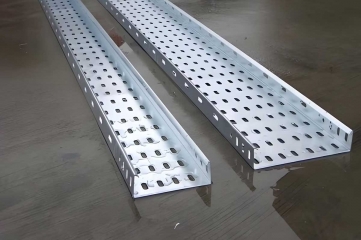
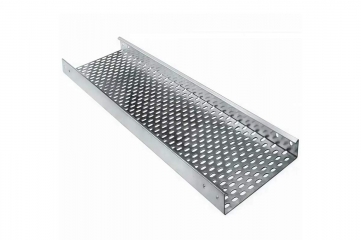
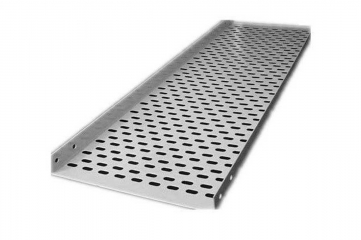
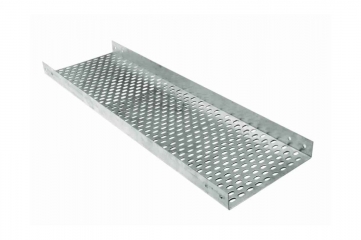
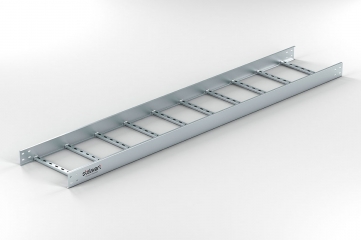
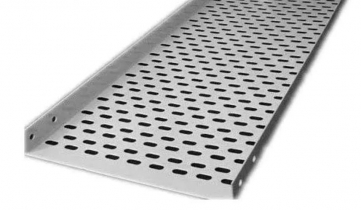
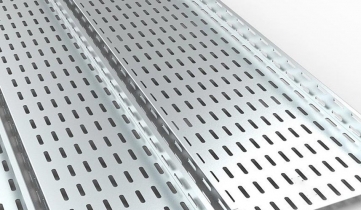
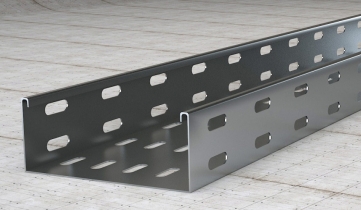
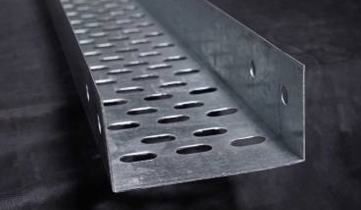
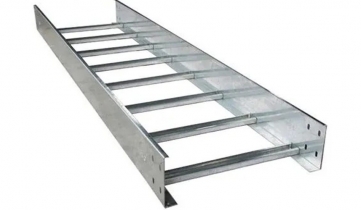
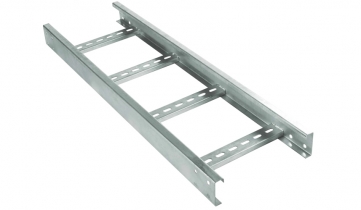
Particularly in perforated and ladder trays, avoid grouping excess cables in confined areas. Power and data lines that produce heat during their functioning are usually routed through the Top Cable Tray. One of the heat management techniques is proper spacing which also facilitates heat dissipation. Good air circulation not only cools the insulation but also reduces fire hazards.
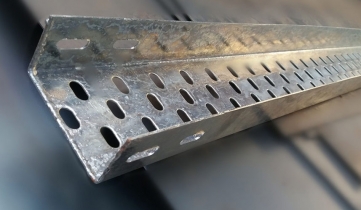
Do not postpone fixing trays that show signs of corrosion or structural damage. Replace broken supports, bent covers and rusted joints immediately. If using galvanized or aluminum trays, verify that anti-corrosion coatings remain intact. Keeping spare parts ready speeds up maintenance and avoids interruptions.
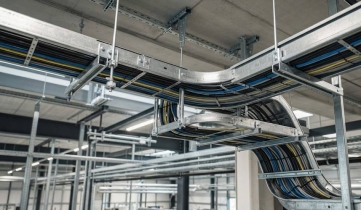
Inspect that the bolts, clamps, bends, tees and reducers remain securely fixed. Parts that are not properly fitted can cause displacement and put more pressure onto the wires. The equipment vibrations in the vicinity can cause small gaps between the connections; hence, the process of tightening should always be present in your maintenance schedule.
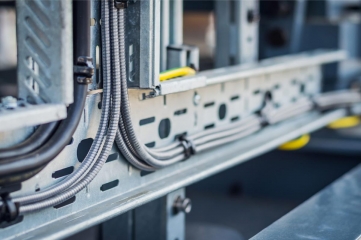
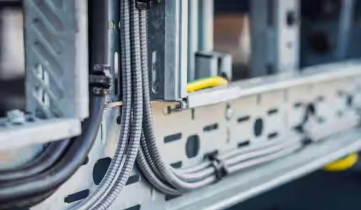
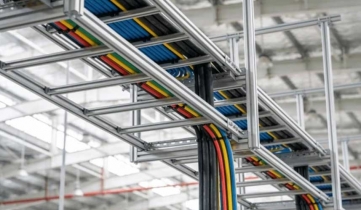
Proper routing gets rid of the incidents of overlapping and tangled cables. Use ties or separators that match the type of tray to ensure that the cables are in their proper positions. Bending cables to a radii less than the specified one is a performance alteration that might also cause insulation breakdown. Besides that, good organization is an element that facilitates the rapid diagnosing of the fault and the effective upgrading of the system.
Humidity, chemical exposure, and temperature fluctuations can reduce the durability of metal trays. Consider using protective coatings or covers in harsh environments. For outdoor setups, make sure water drainage is unobstructed and check for any signs of corrosion after heavy rains.
Skilled workers are the backbone of effective maintenance, when they have good knowledge of different types of trays, the installation standards and the safety rules. They get training in tool usage, defect detection and quick issue reporting. This guarantees uniform maintenance methods throughout all locations.
Maintain a log of inspections, repairs, and replacements. Documentation helps to track patterns, plan upgrades and assess long-term performance. It also assists in budgeting and compliance with safety regulations.
Essentially, a maintenance program that is very efficient will not be enough to save the tray system if it lacks durability. The use of high-quality metals and the accessories that are compatible with them is one of the ways you can have strength, stability, and the ability to carry heavy loads. A lot of experts, when they are looking for the durability of the tray over a long period, count on the Super Cable Tray Pvt. Ltd. as one of the leaders in the Best Cable Tray solutions due to their technological accuracy and the usability of their designs.
When systems increase in size, the installation of cables is sometimes done without examining the tray's capacity or arrangement again. Design your tray layout considering future expansion. Make room for easy access and extra space to accommodate the new cables without disrupting the current ones.
How to maintain the cable support system effectively will prolong the time that the systems are functional, keep their safety as well as minimize the occurrence of operational disruptions. These all basic through scheduled maintenance will keep both the cables and the installation they serve in good condition. By doing routine work and following proper procedures, one can be sure that the tray system will continue to operate at its optimum capacity and will be able to accommodate future power requirements.
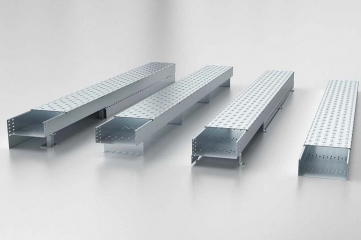
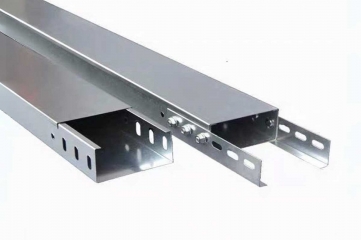
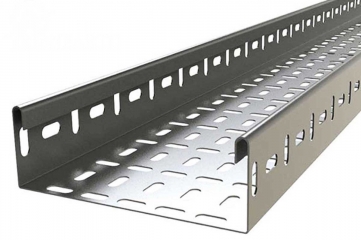
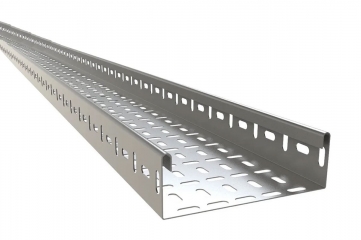
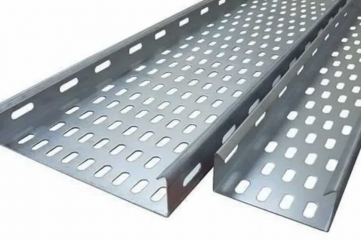
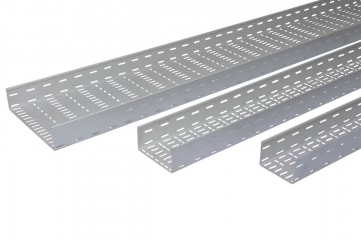
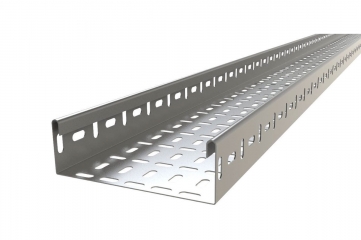
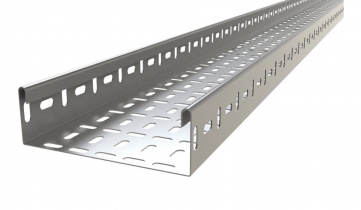
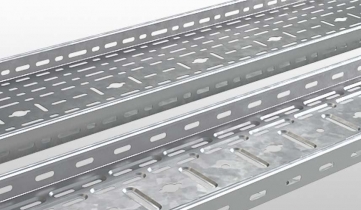
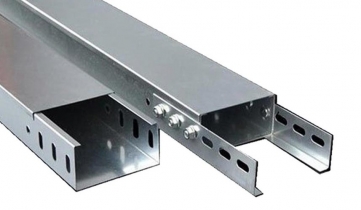
An electrical and communication cable management and organization system known as a cable tray is utilized to accommodate various types of cables, it is typically made of metal, such as aluminum or steel, and is available in a variety of sizes and shapes.
Several advantages of using a cable tray include better cable management, increased safety, and simpler maintenance. In comparison to other conduit systems, cable trays can offer a more effective and affordable solution.
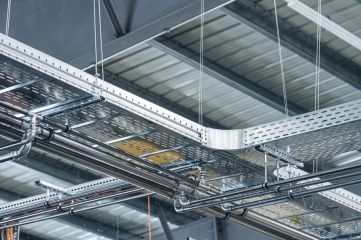
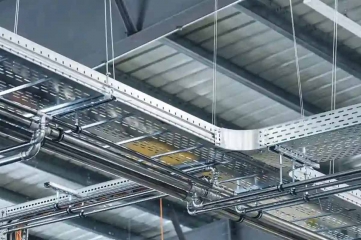
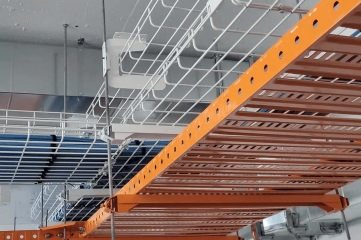
Cable trays can be installed in a number of ways, such as hanging from ceilings, mounting on walls, or using floor stands as support. The installation procedure typically entails cutting and fitting the tray to the required length as well as mounting brackets, supports, and hardware.
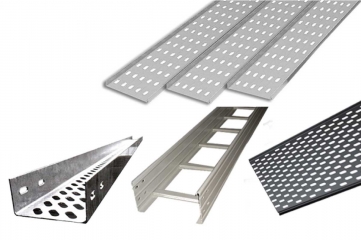
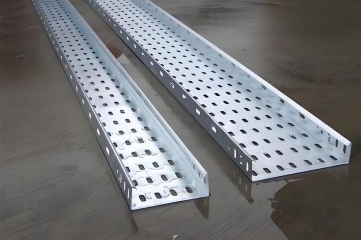
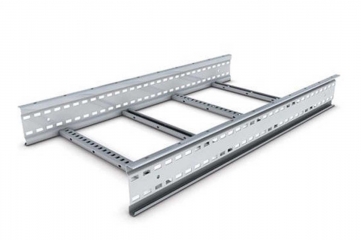
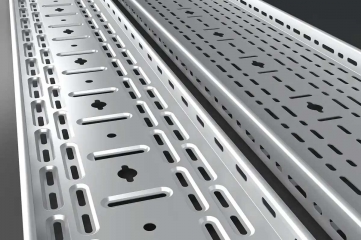
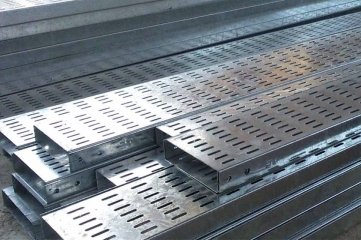
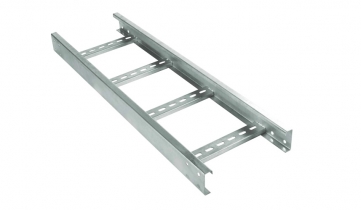
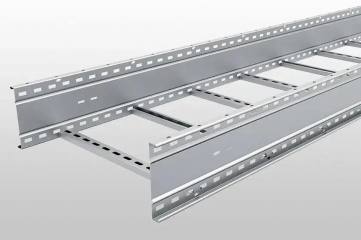
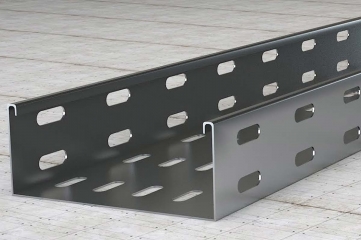
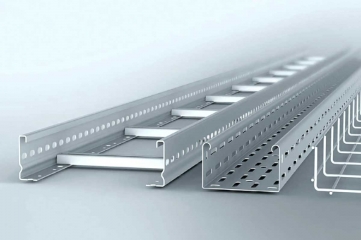
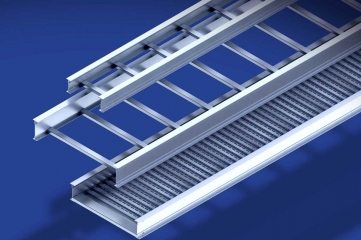
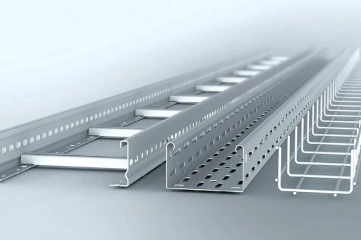
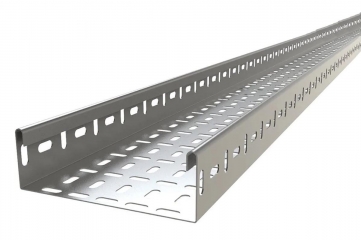
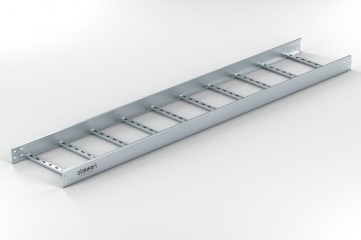
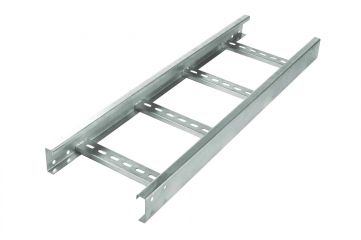
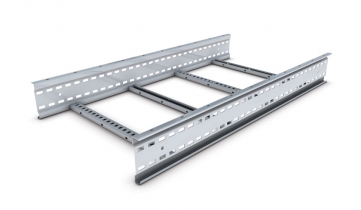
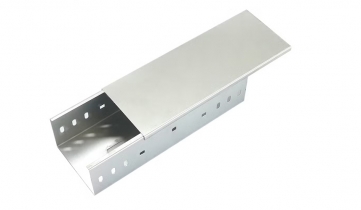
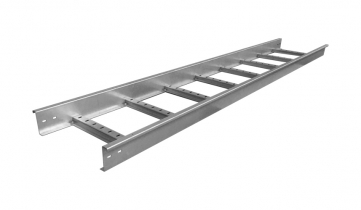
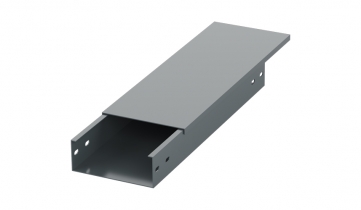
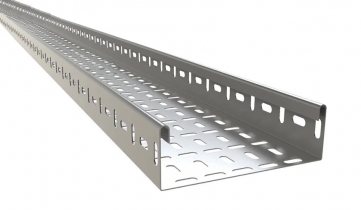
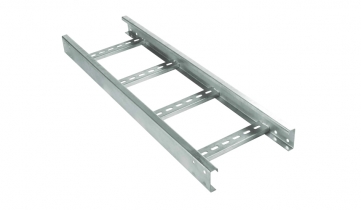
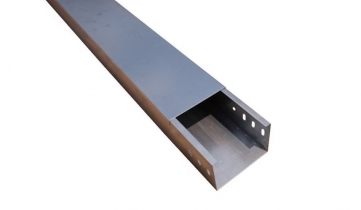
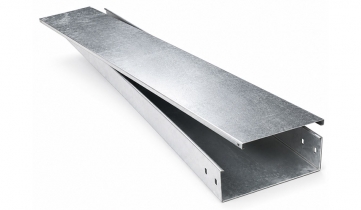
The term cable tray refers to a variety of different products, some of which include a ladder, ventilated bottom, solid bottom, wire mesh, and trough. Each variety of tray is constructed to work with a distinct set of cable arrangements and applications.
When choosing a cable tray, it is essential to take into consideration a variety of factors, including the weight and dimensions of the cables, the setting in which they will be installed, and any applicable codes and standards. It is essential to take into account the particular necessities of the project, such as the cable capacity, accessibility, and ease of installation, among other things.
The answer is yes some cable trays are constructed with fire-retardant materials. Cable trays designed to withstand fire are typically fabricated from materials like galvanized steel or stainless steel, and they are coated with materials designed to withstand fire.