Call Us on







Call Us on
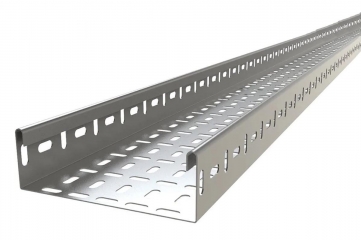
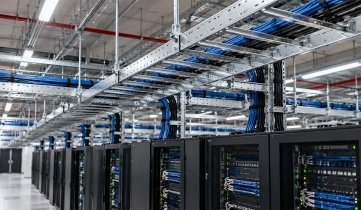
The heart of the current digital economy is formed in data centers. For everything that happens every time we upload a file in the cloud, stream content, or conduct any business, everything really lies on a great deal of infrastructure within these facilities. All that needs to be done well at the data centers for their operations is high efficiency, reliability, and minimal downtime. At the back, cables complexly lay their own networks for data and power delivery around the clock. The network gets tangled and has no ability to cool the environment, system failures, and complicated maintenance without some monitoring. Therefore, it is worth saying that cable management is not just a support activity but forms part of infrastructure planning. Among the best reliable solutions are the Cable Trays from Super Cable Tray Pvt. Ltd., which have gained popularity as the preferred way of organizing, securing, and managing cabling in demanding environments such as data centers.
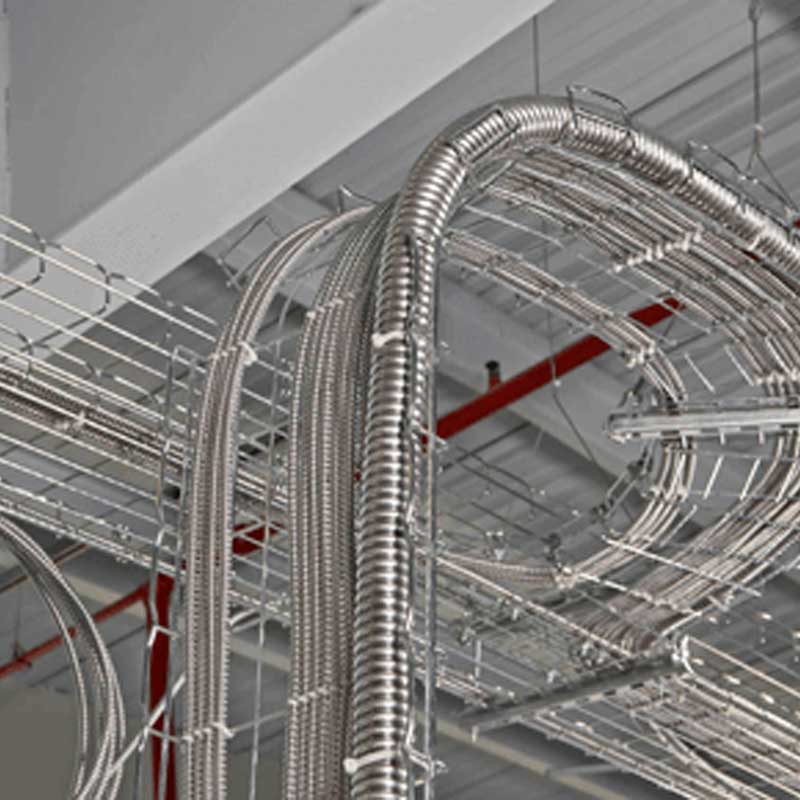
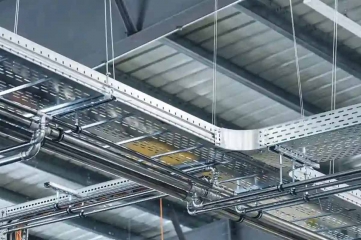
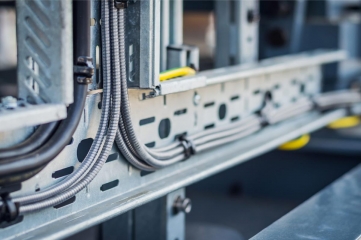
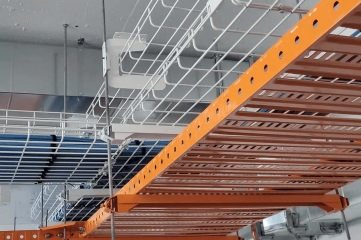
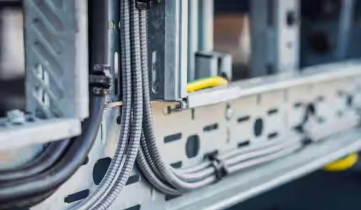
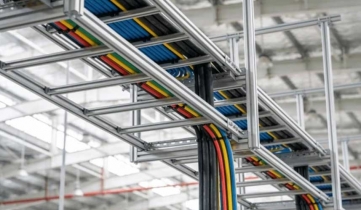
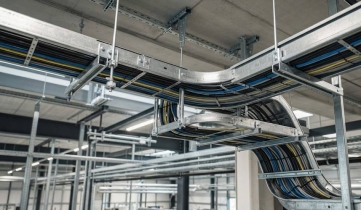
Cable management is essential to mitigate these challenges. Data and power cables cross thousands of paths throughout a facility. Poorly run cables are messy, or bunched together, and block airflow to cool equipment while trapping more heat and increasing wear. These trays help in creating structured pathways that stand above the ground where cables can be separated and routed securely from one another. This prevents tangling and strain on wires, maintaining the directed airflow to cool server racks. Thus, structuring paths not only contributes to the performance of a system but also allows technicians to work with cabling easily and in most cases without leaving the ground floor.
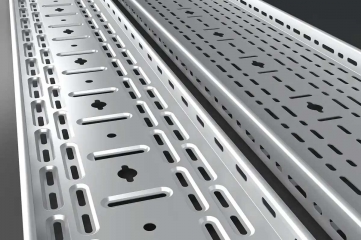
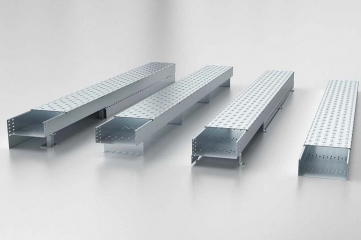
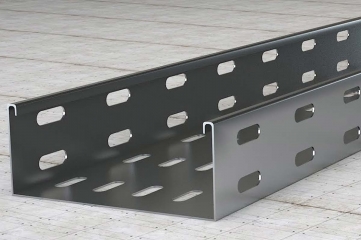
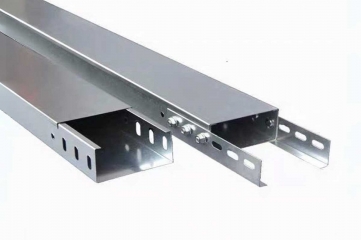
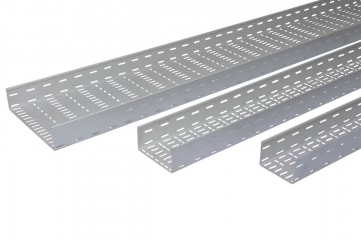
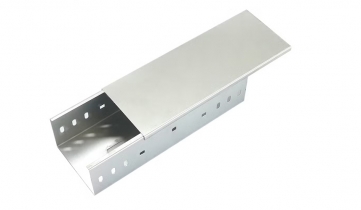
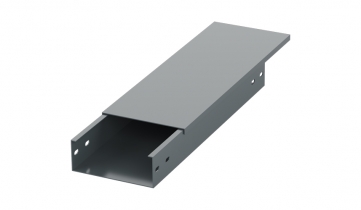
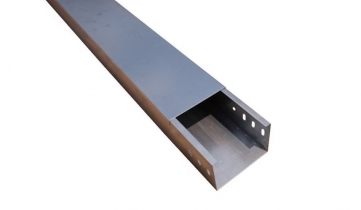
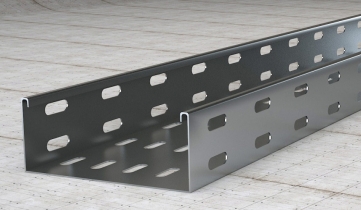
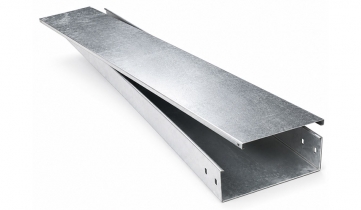
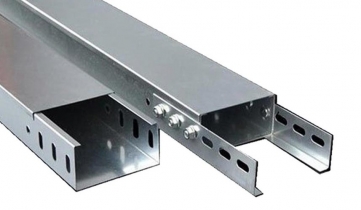
Data centers are always under pressure to expand. As the needs grow, more and more servers and systems are put into operation, which may need rapid and flexible adjustments to cable connections. This is just the right place to use a Raceway Cable Tray. Unlike open trays, raceways are enclosed, offering extra protection from dust, moisture, and accidental contact. Their design is excellent for areas with high traffic or sensitive environments where security in a cable routing method is required. Additionally, these enclosed ways help shield cables from electromagnetic interference so that signals remain clear even in very dense, high-power areas. They also have a clean appeal, making them a flexible option for professional and enterprise-grade facilities.
The hallmark of an environment handling vast electrical networks is safety. Disorganised cables lead to the creation of numerous trip hazards, short circuit risks, and potential fire threats. These are addressed by tray systems which hold cables suspended from the ground with non-crossing types of cables, thus minimising interference as well as heat buildup. As for the facility and fire-rated cable arrangements, they help facilities to comply with safety codes and regulatory standards. Constructed path and traceability allow the easy following of national and international safety guidelines such as ISO standards and Uptime Institute tier levels, which play a central role in risk management and operational trust.
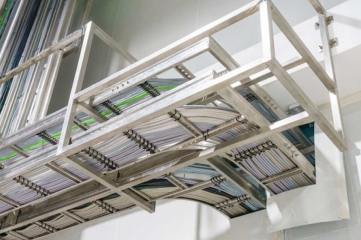
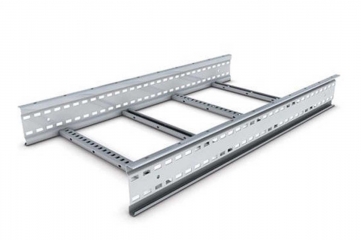
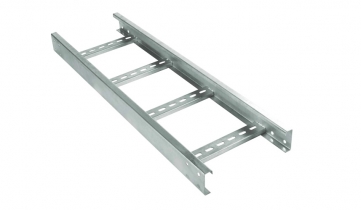
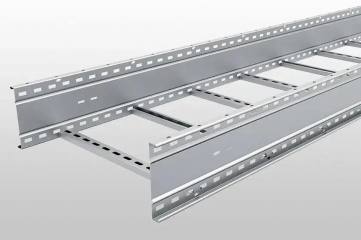
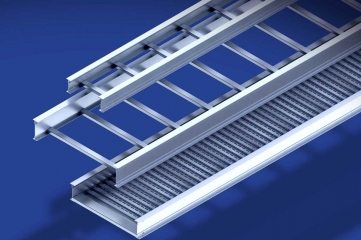
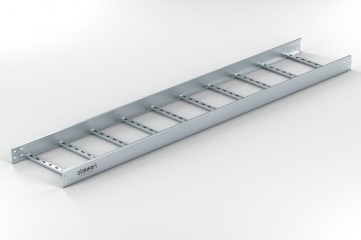
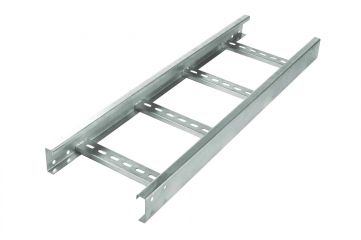
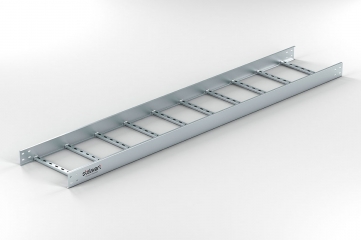
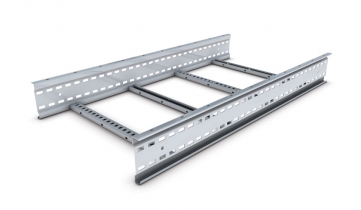
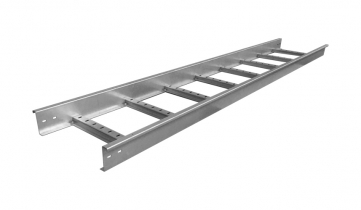
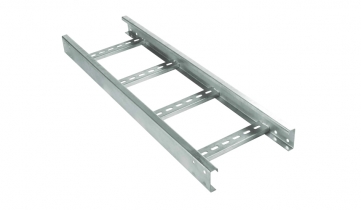
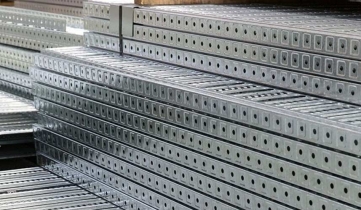
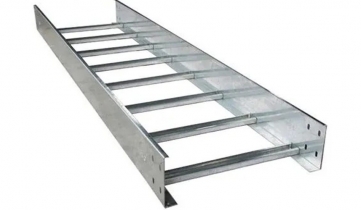
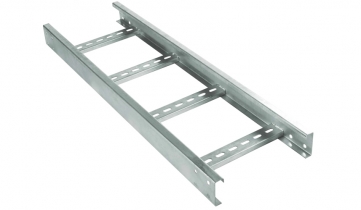
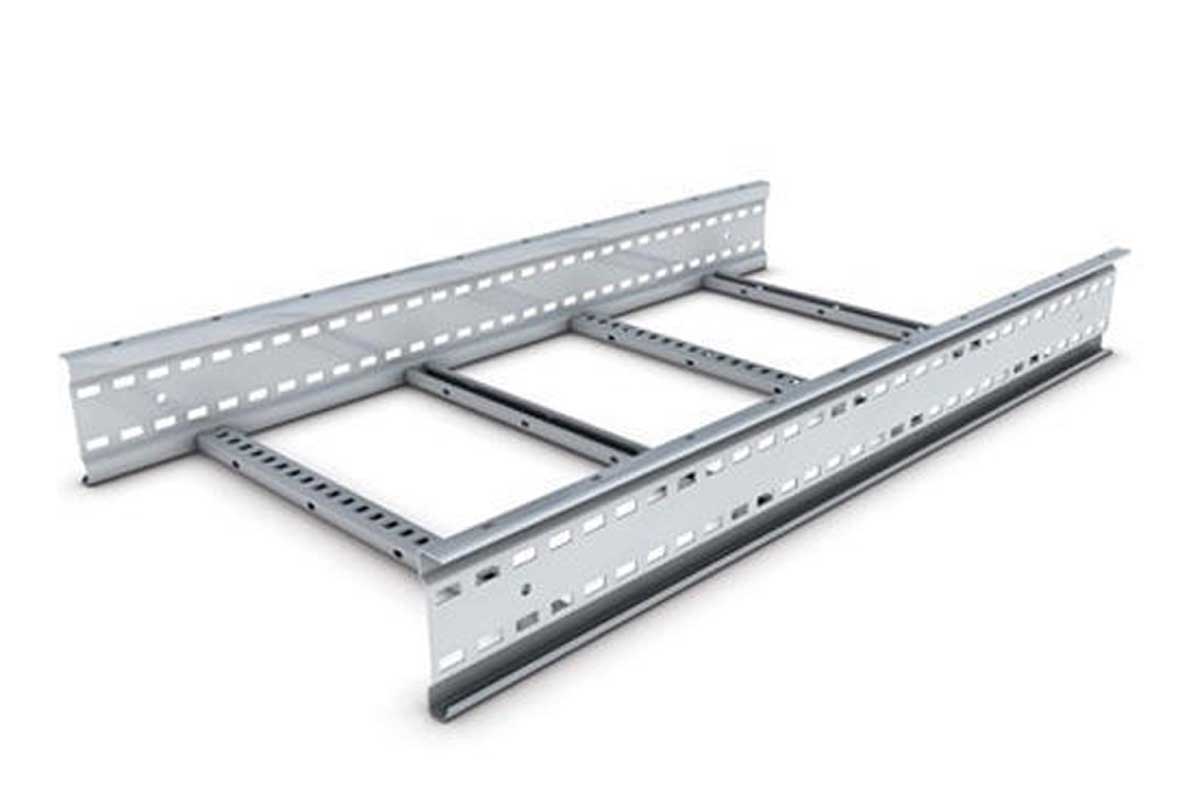
Cable management for heavy loads at long distances requires strength and stability. Ladder Cable Trays serve as excellent options. These trays have two side rails and rungs, allowing structured installation of wiring while keeping frames open for improved airflow and to avoid overheating. Less support is required for the long spans of these trays, making them an ideal option not only for short installation times but also for low overall installation costs. Construction materials such as aluminum or galvanized steel are built to withstand stress even inside a potent data center.
A high-performing data center supports more than just processing power. It depends on how well it handles growth, speed, and overall infrastructure reliability. Well-structured support systems improve airflow, reduce the need for frequent maintenance, and extend the lifespan of critical technology. Whether the priority is protection, durability, or access, the right cable support choice provides strength today and flexibility for upgrades tomorrow. In today’s digital world, where technology evolves rapidly, investing in scalable and organized cable systems is not optional but essential.
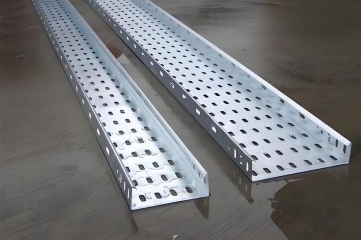
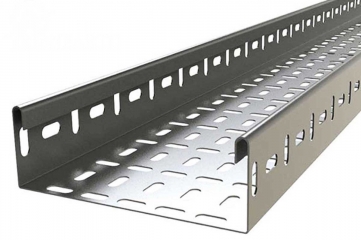
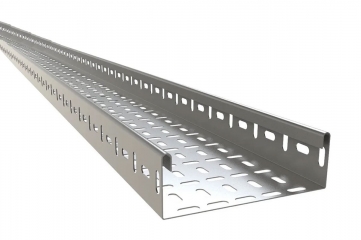
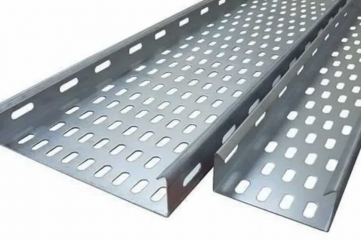
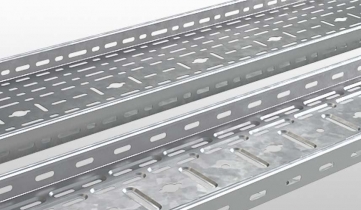
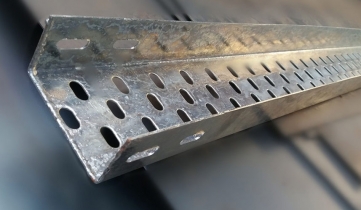
An electrical and communication cable management and organization system known as a cable tray is utilized to accommodate various types of cables, it is typically made of metal, such as aluminum or steel, and is available in a variety of sizes and shapes.
Several advantages of using a cable tray include better cable management, increased safety, and simpler maintenance. In comparison to other conduit systems, cable trays can offer a more effective and affordable solution.
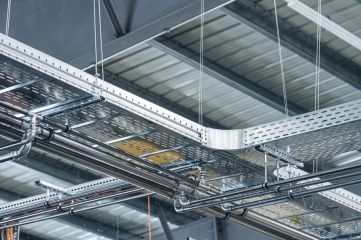
Cable trays can be installed in a number of ways, such as hanging from ceilings, mounting on walls, or using floor stands as support. The installation procedure typically entails cutting and fitting the tray to the required length as well as mounting brackets, supports, and hardware.
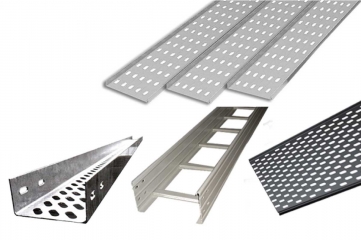
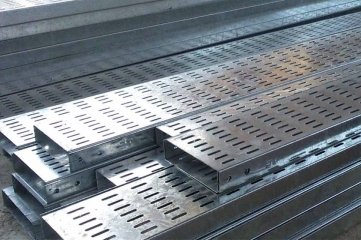
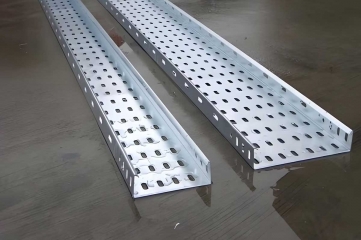
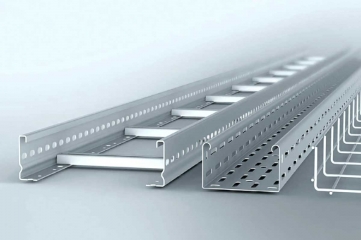
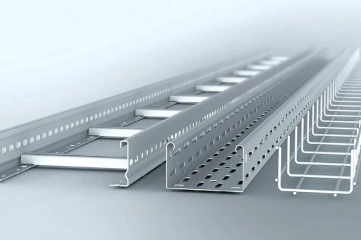
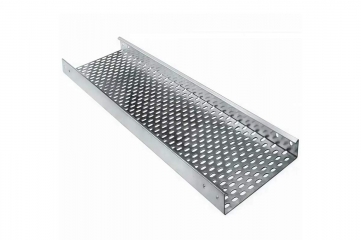
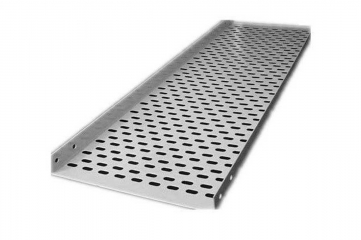
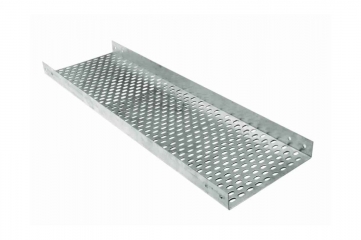
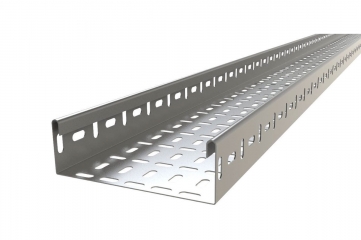
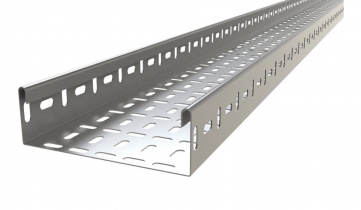
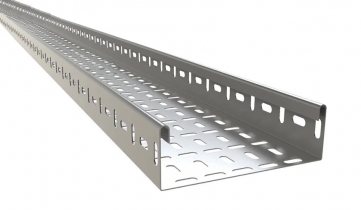
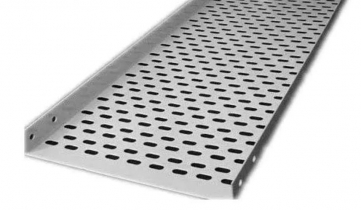
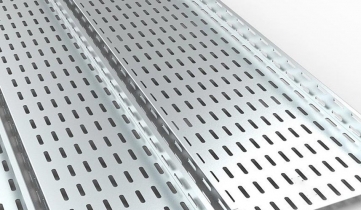
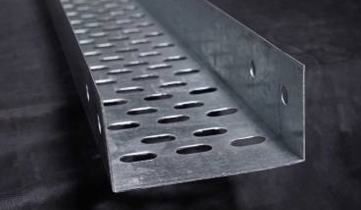
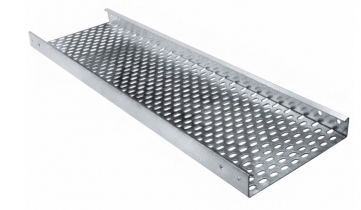
The term cable tray refers to a variety of different products, some of which include a ladder, ventilated bottom, solid bottom, wire mesh, and trough. Each variety of tray is constructed to work with a distinct set of cable arrangements and applications.
When choosing a cable tray, it is essential to take into consideration a variety of factors, including the weight and dimensions of the cables, the setting in which they will be installed, and any applicable codes and standards. It is essential to take into account the particular necessities of the project, such as the cable capacity, accessibility, and ease of installation, among other things.
The answer is yes some cable trays are constructed with fire-retardant materials. Cable trays designed to withstand fire are typically fabricated from materials like galvanized steel or stainless steel, and they are coated with materials designed to withstand fire.