Call Us on






Call Us on
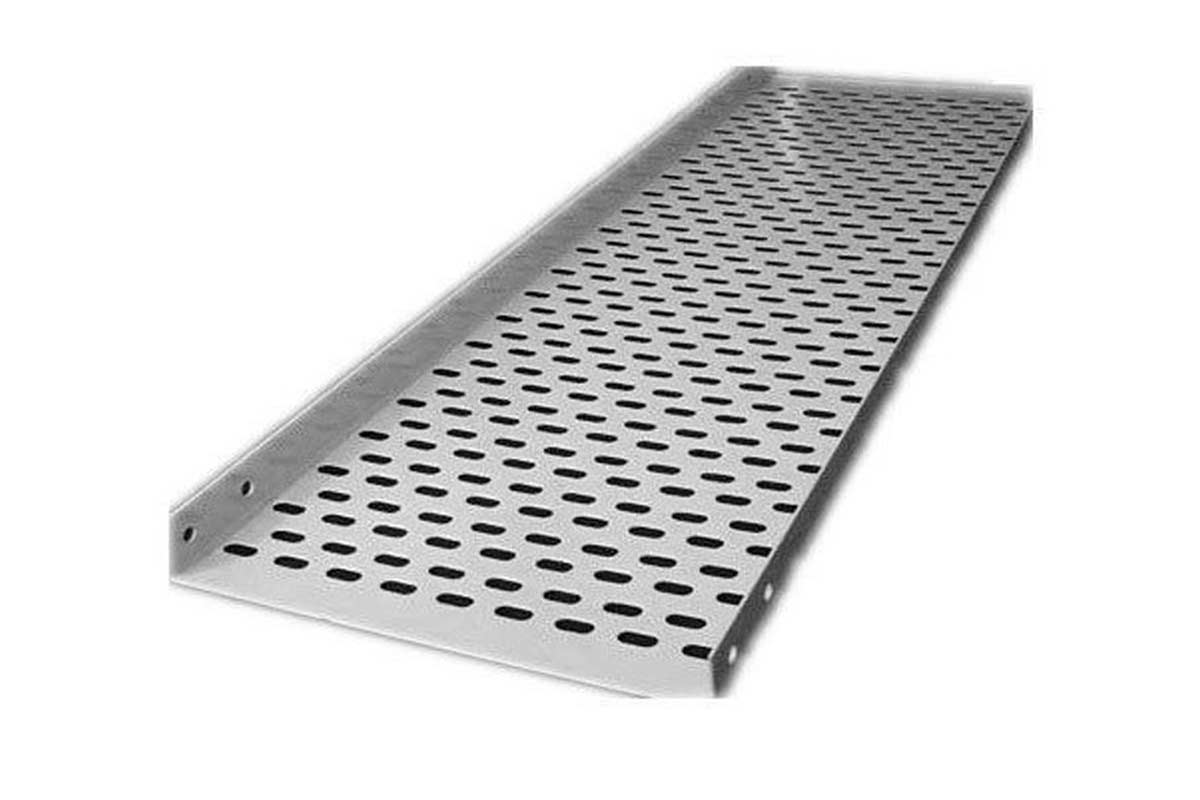
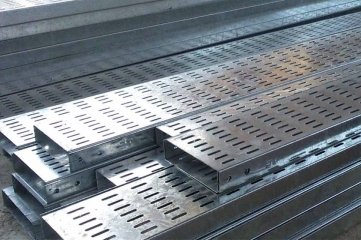
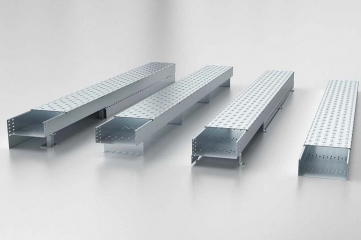
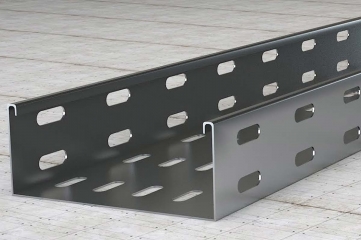
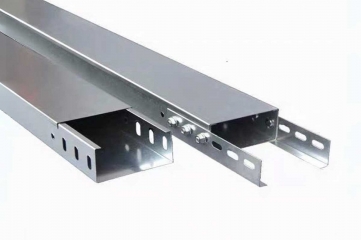
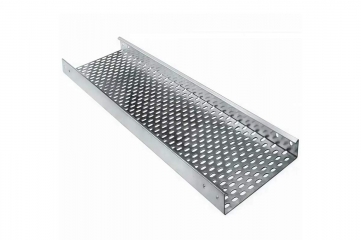
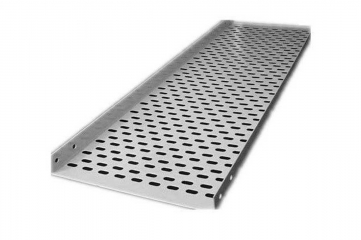
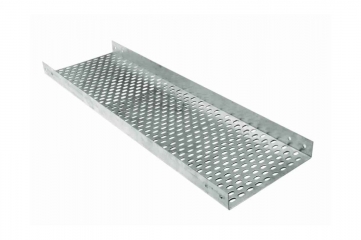
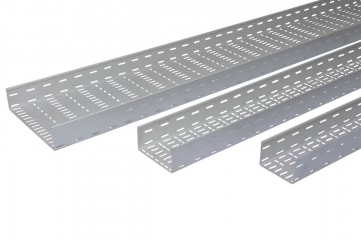
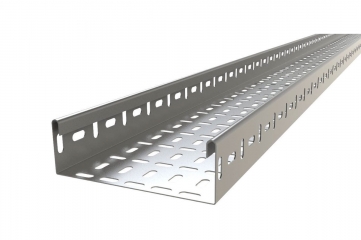
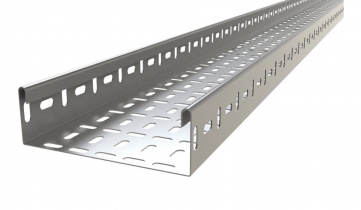
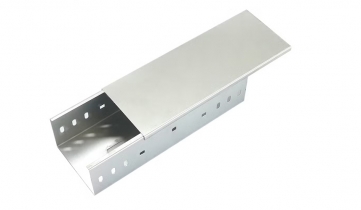
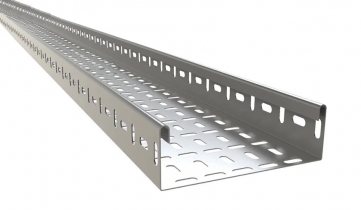
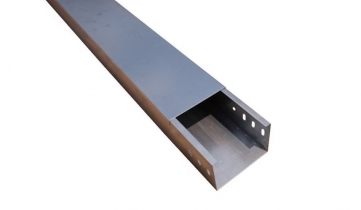
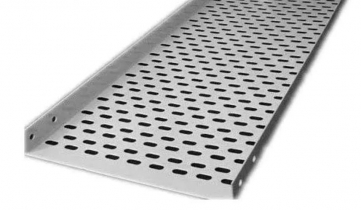
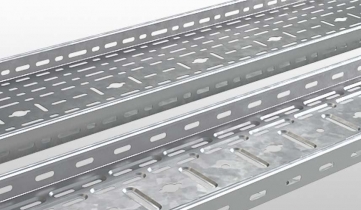
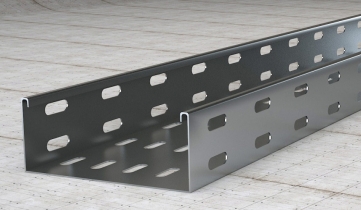
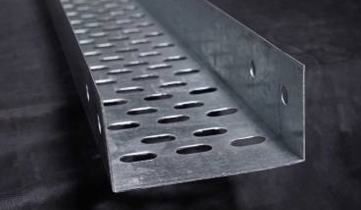
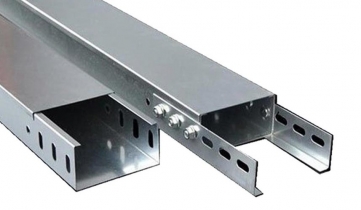
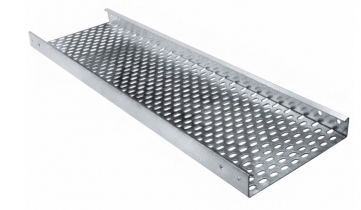
Wherever we can see industrial and commercial installations of modern times, it is almost inevitable for Gi Perforated Cable Tray systems not to be present as these systems have become an indispensable means of corrosion protection of the electrical infrastructure over the time. Constructed to offer steady reliability under tough situations, these trays not only utilize sophisticated galvanization methods but also a cleverly perforated design that lessens the absorption of the moisture, allows better ventilation, and thus increases the life of the whole system. Such are the advantages of the trays that they have become the mainstay of the safety and longevity facilities.
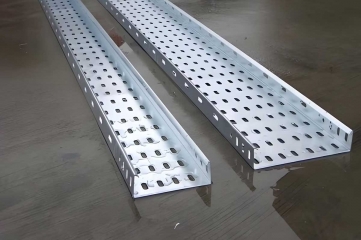
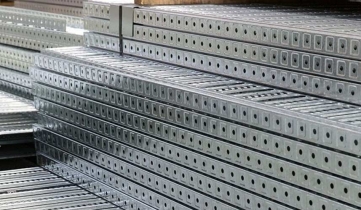
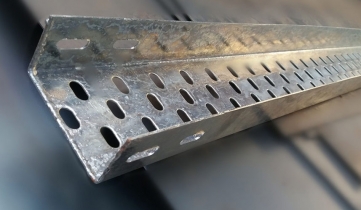
Perforated trays backed with galvanization constitute one of the main pillars of corrosion protection. The method entails the application of zinc, the element which, when reacts with the base steel, is the one that retains the protective layer on the steel's surface making the steel less vulnerable to the environmental factors. It is this zinc coating that plays the role of the most potent barrier preventing the trio of oxygen, water, and pollutants from the air from reacting with the steel surface. Even in tough industrial scenarios, galvanization is still able to maintain the performance and structural strength of the product for a very long time.
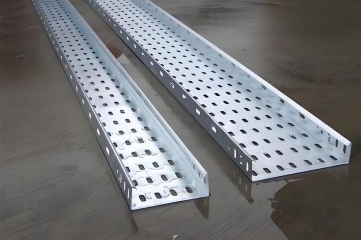
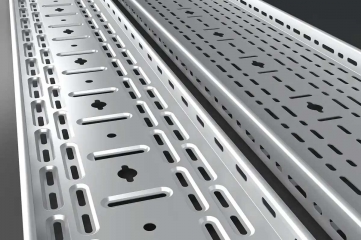
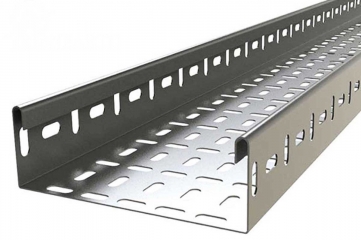
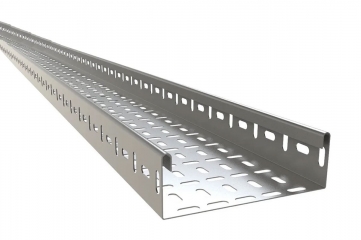
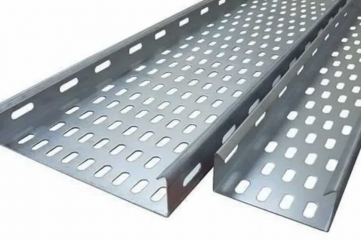
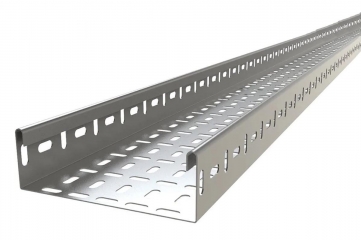
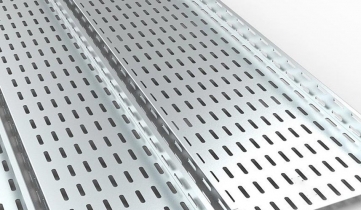
Besides serving as a means to tidy up cables, the perforated pattern is crucial to the perforations. To avoid the formation of rust that is usually caused by the staying of water, dust, and chemical residues that are the result of solid bottom systems, perforations have been made. Liquids seep out of the area quickly, while air is circulated freely around the tray surface. The combination of these two factors eliminates the chances of the presence of moisture in the air as well as that of localized corrosion, especially in the case of humid or open-air installations.
Some of the main benefits of perforations are:
Zinc alone is not just a surface protection but also a sacrificial shield. For instance, if the tray is getting scratches or little incisions during mounting, the zinc layer will be the one to corrode thus protecting the steel that is exposed underneath. This self-protective reaction stops the rust from spreading and therefore the tray remains capable of carrying the load. Eventually, this process contributes substantially to the extension of the service life while at the same time, it lowers the maintenance that is necessary.
Heat is capable of speeding up metal oxidation if it is not controlled properly. Thus, the perforated design enables the heat that is produced by the electrical conductors to be released in a natural way and as a result, there is no temperature rise along the tray surface. By limiting the thermal stress, the tray is still able to save not only the zinc protective layer but also the steel underneath. This thermal equilibrium, in fact, is very useful in the case of high-density cabling where airflow needs to be continuous.
Perforated trays are a good choice and can be found at any step of the supply chain, from manufacturing plants to infrastructure projects. One of their most positive features is their resistance to corrosion, characteristic that makes them very suitable for places that are exposed to a changing or humid atmosphere, chemical vapors or variable temperatures. In comparison to closed systems, perforated trays allow for easier inspection and it is guaranteed that any part of the wear will be addressed instantly, thus cutting down on the unexpected downtime.
The benefits of the typical application may comprise:
A trusted brand is a provider of highly precise and meticulously planned solutions that are aimed at satisfying the changing needs of industrial infrastructures. The company guarantees the consistent performance of its products even under the most challenging conditions by combining the advanced galvanization standards with the functional perforation layouts. One such brand is Super Cable Tray Ltd. Pvt., its products are a perfect fit for today's projects where resistance to corrosion, load stability, and easy maintenance are among the most important factors, thus strengthening the user's trust in every installed Cable Tray system.
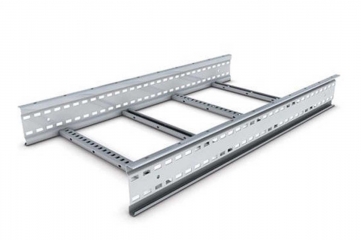
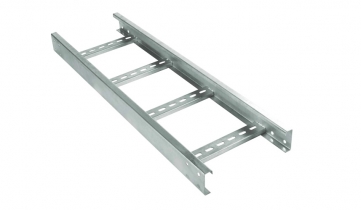
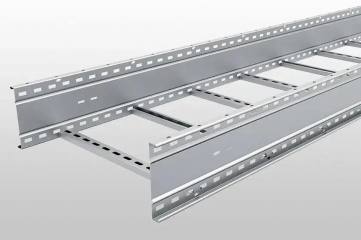
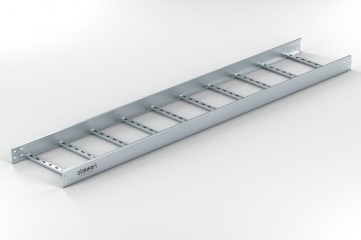
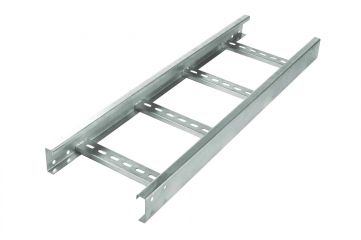
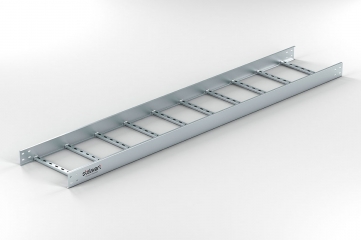
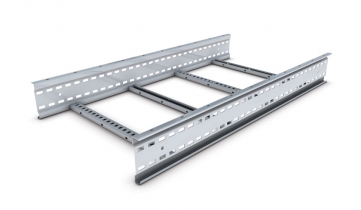
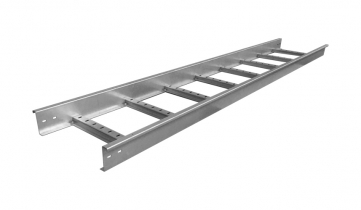
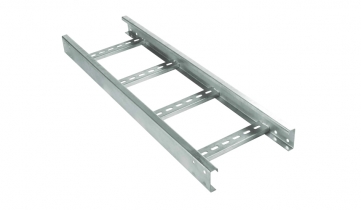
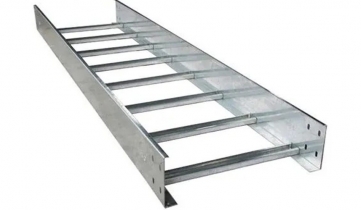
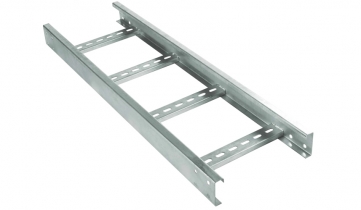
While perforated trays are very effective in preventing corrosion, they can also be used together with other strong cable management solutions like Ladder Cable Trays which are used in heavy, load applications. As a result, these systems provide the flexibility in design that allows engineers to decide on configurations based on load capacity, airflow needs and environmental exposure. This flexibility makes it possible to support scalable installations without safety and longevity being compromised.
Galvanized perforated trays are good contributors to the development of a sustainable infrastructure. Steel and zinc being recyclable materials, they are in line with eco-friendly construction practices. Moreover, due to the long service life of these trays, the replacement frequency is low, thus decreasing the consumption of materials and the costs of the project as a whole. Their capacity to resist severe conditions while still being minimally maintained makes them a financially safe choice for long-term installations.
Choosing a well-engineered perforated tray system is a proactive step toward protecting critical electrical networks. With its dual-layer corrosion defense, efficient drainage and superior airflow, this solution ensures reliability in environments where failure is not an option. Supported by proven manufacturing expertise, Super Cable Tray Pvt. Ltd. continues to provide dependable systems that help industries achieve safer, longer-lasting, and more efficient cable management outcomes.
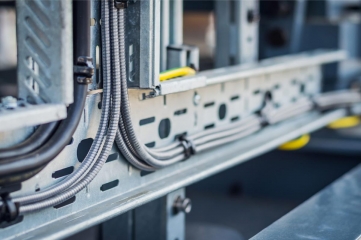
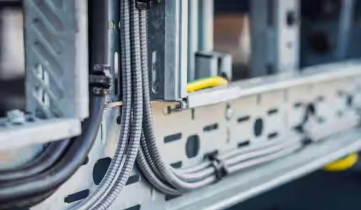
An electrical and communication cable management and organization system known as a cable tray is utilized to accommodate various types of cables, it is typically made of metal, such as aluminum or steel, and is available in a variety of sizes and shapes.
Several advantages of using a cable tray include better cable management, increased safety, and simpler maintenance. In comparison to other conduit systems, cable trays can offer a more effective and affordable solution.
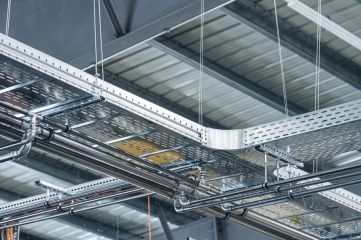
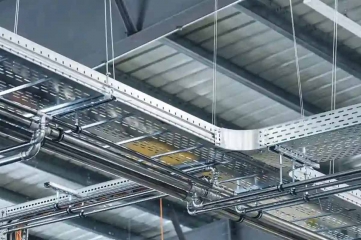
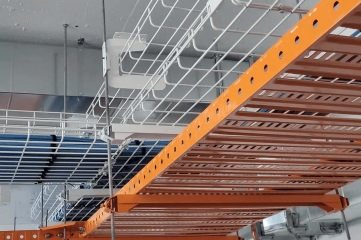
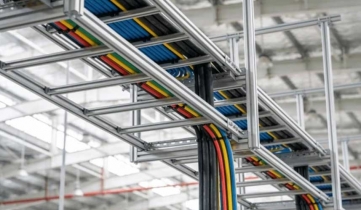
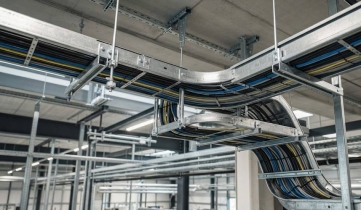
Cable trays can be installed in a number of ways, such as hanging from ceilings, mounting on walls, or using floor stands as support. The installation procedure typically entails cutting and fitting the tray to the required length as well as mounting brackets, supports, and hardware.
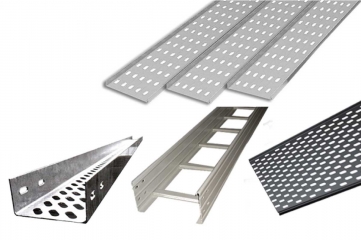
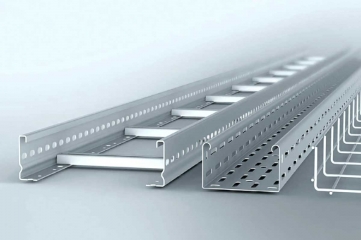
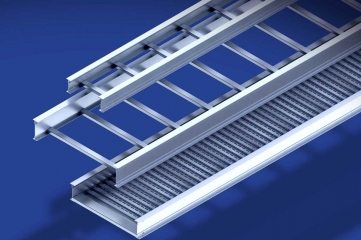
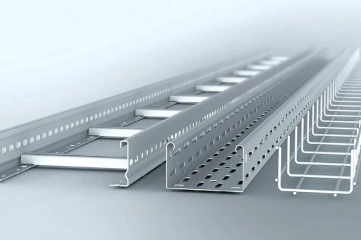
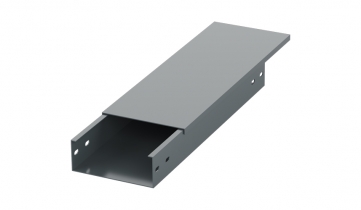
The term cable tray refers to a variety of different products, some of which include a ladder, ventilated bottom, solid bottom, wire mesh, and trough. Each variety of tray is constructed to work with a distinct set of cable arrangements and applications.
When choosing a cable tray, it is essential to take into consideration a variety of factors, including the weight and dimensions of the cables, the setting in which they will be installed, and any applicable codes and standards. It is essential to take into account the particular necessities of the project, such as the cable capacity, accessibility, and ease of installation, among other things.
The answer is yes some cable trays are constructed with fire-retardant materials. Cable trays designed to withstand fire are typically fabricated from materials like galvanized steel or stainless steel, and they are coated with materials designed to withstand fire.