Call Us on







Call Us on
When you're dealing with heavy-duty electrical installations, choosing the right support system isn't just important; it's absolutely critical. Industrial facilities, manufacturing plants, and large commercial buildings all depend on reliable infrastructure to manage their complex wiring networks. A Cable Tray from reputable manufacturers like Super Cable Tray Pvt. Ltd. forms the foundation of these installations. Getting this choice right means you'll enjoy better safety, longer lifespan, and smooth performance even under tough conditions.
Let's talk about the most important thing first: how much weight your system needs to handle. In industrial settings, you're not just dealing with a few light wires. You've got thick power cables, control wiring, and communication lines all running together. Before you make any decisions, you need to calculate the total weight and don't forget to account for future expansions. Nobody wants to redo everything in a few years because they didn't plan. The way weight is distributed across the entire span matters just as much as the total load. Steel construction usually wins when you need serious strength, though it's heavier than aluminum alternatives.
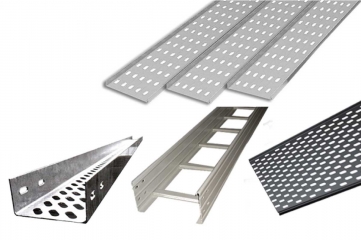
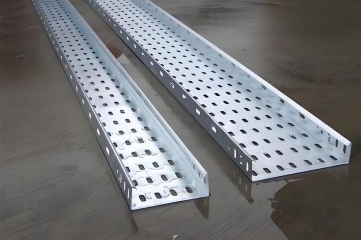
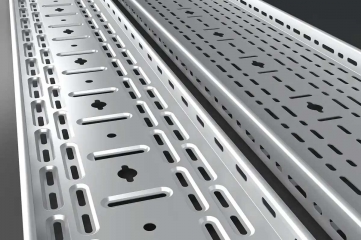
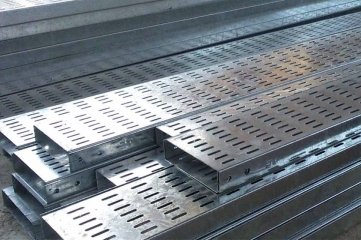
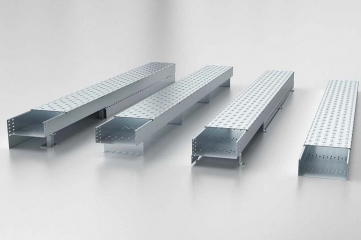
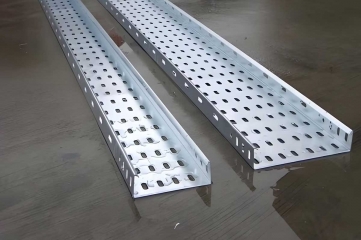
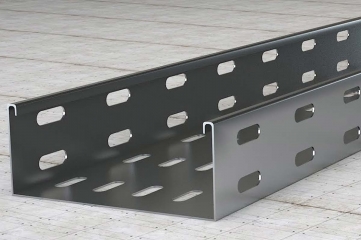
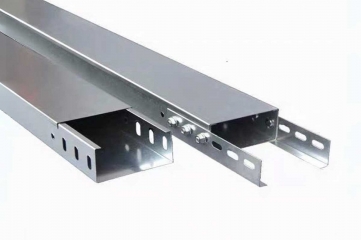
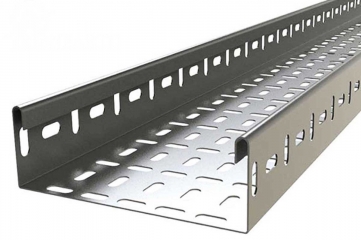
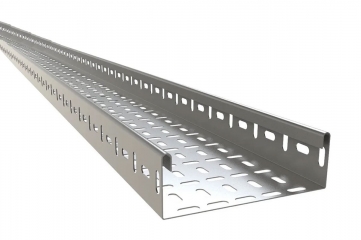
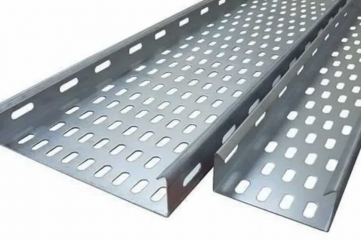
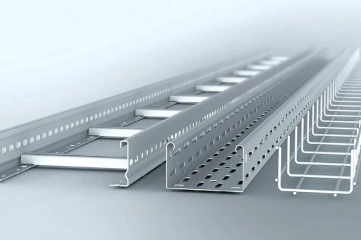
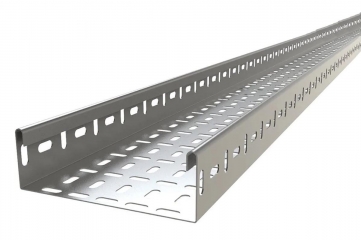
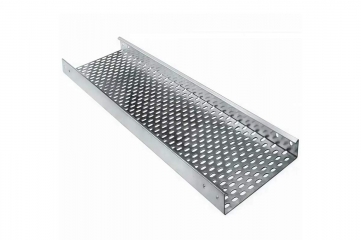
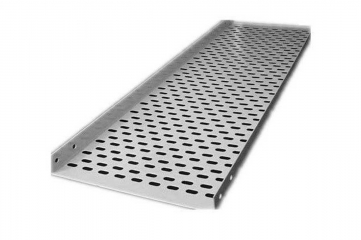
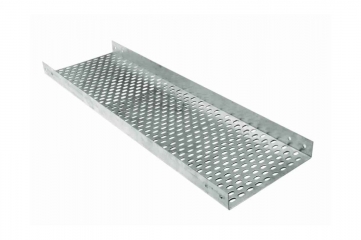
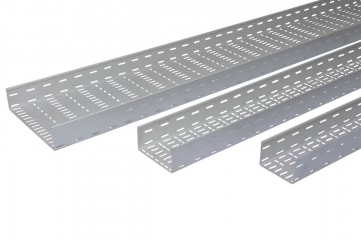
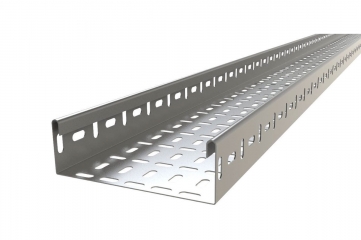
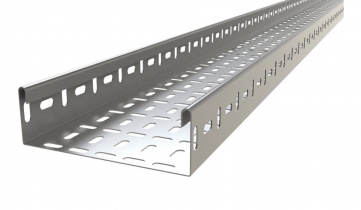
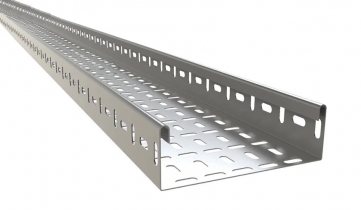
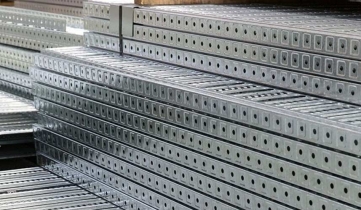
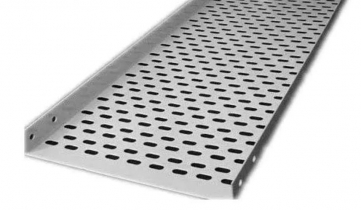
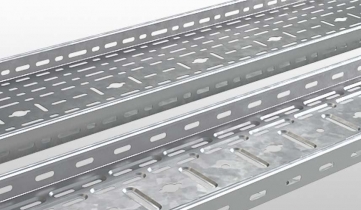
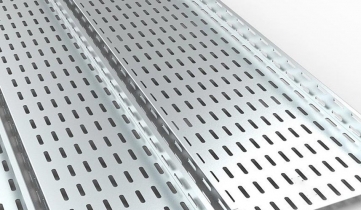
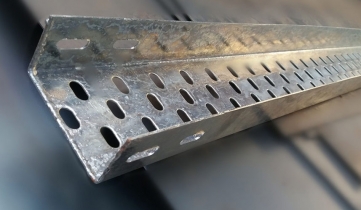
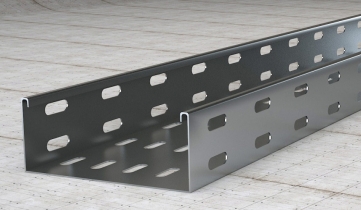
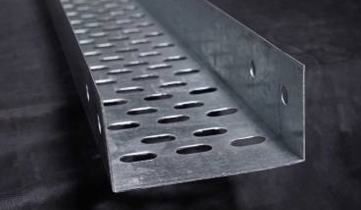
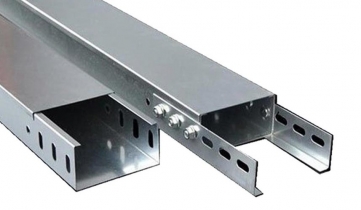
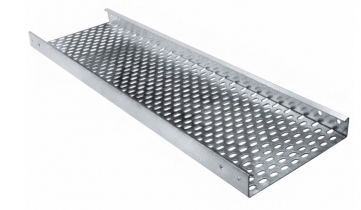
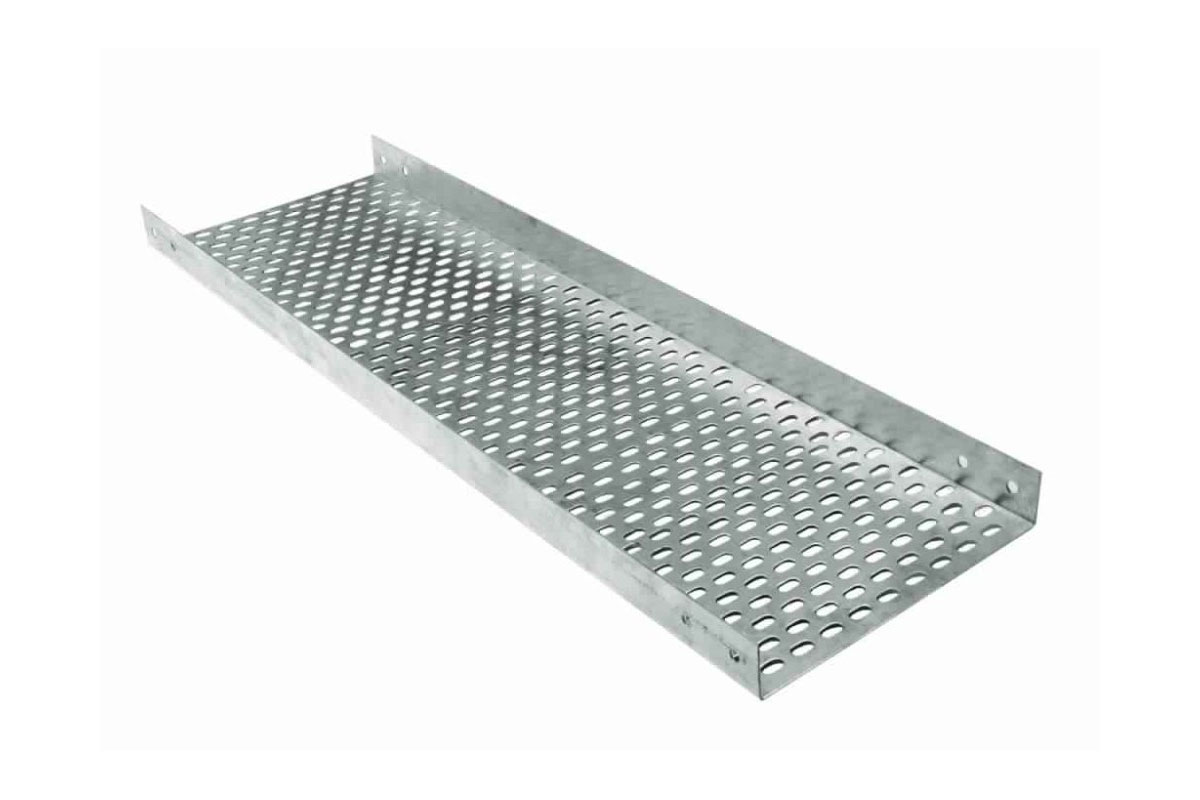
Different materials perform differently, especially when conditions get tough. Steel stands out for its exceptional strength and ability to handle extreme mechanical stress without bending. It's the go-to choice when you absolutely need maximum durability. Aluminum works beautifully in corrosive environments while still offering decent load capacity. It's lighter too, which can make installation easier. When you're dealing with chemical exposure or constant moisture, stainless steel becomes your best friend. Perforated Cable Trays are fantastic when you need good ventilation alongside solid structural strength for medium-duty jobs. Whatever material you choose affects both your maintenance budget and how long everything lasts.
Your operating conditions play a huge role in what works and what doesn't. Temperature swings make materials expand and contract throughout the day, which can cause problems if you haven't planned for it. High humidity levels mean you need better corrosion resistance to avoid premature failures. Manufacturing facilities often have chemical exposures that demand specialized coatings or upgraded materials. If you're installing outdoors, you've got weather, UV radiation, and temperature extremes to worry about. Each of these factors needs careful consideration during your planning stage. Skipping this step almost always leads to problems down the road.
The physical layout affects everything from how easy installation is to how well things work long-term. You've got several options to consider:
Your configuration choice should match what you actually need and the space you're working with.
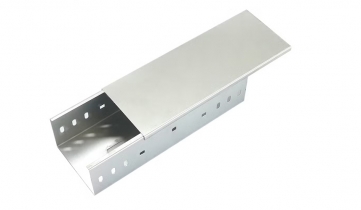
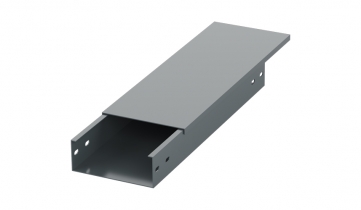
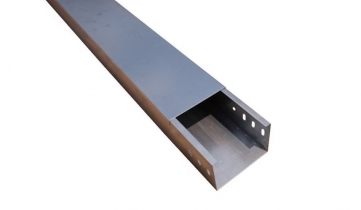
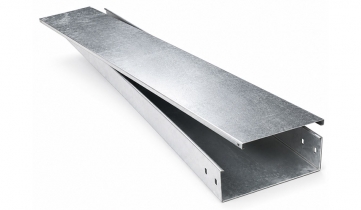
How you mount everything and space your supports determines whether your system stays stable under load. Wall-mounted setups need strong anchors to handle the sideways forces from cable weight. Ceiling-suspended systems require proper hanger spacing so nothing sags over time. Floor-supported configurations offer rock-solid stability but take up floor space you might need for other things. A Raceway Cable Tray system works perfectly when you need enclosed protection for sensitive communication wiring. Always follow manufacturer specifications for support spacing; it keeps your warranty valid and everything safe. Proper installation today prevents costly repairs and adjustments down the line.
You can't ignore regulations when it comes to cable management installations. National electrical codes lay out minimum clearances, fire ratings, and grounding requirements you must follow. Some industries have extra rules for hazardous locations or clean rooms. Keeping good documentation proves compliance during inspections and helps with insurance audits. It's smart to have professional engineers verify everything against applicable codes before you buy anything. This saves massive headaches later and ensures your facility operates within legal boundaries.
Taking time to make the right choice prevents expensive mistakes and ensures everything runs smoothly. Heavy-duty situations need a thorough analysis of what you're working with and what you're up against. This initial decision affects your efficiency, maintenance costs, and safety for many years. Getting advice from experienced suppliers and qualified engineers gives you insights you might miss on your own. A well-designed system supports your operations while keeping everything safe and reliable, no matter what challenges come your way.
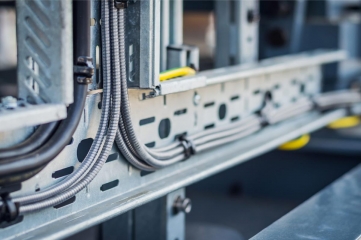
An electrical and communication cable management and organization system known as a cable tray is utilized to accommodate various types of cables, it is typically made of metal, such as aluminum or steel, and is available in a variety of sizes and shapes.
Several advantages of using a cable tray include better cable management, increased safety, and simpler maintenance. In comparison to other conduit systems, cable trays can offer a more effective and affordable solution.
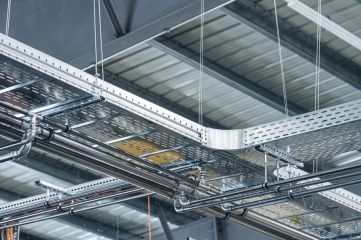
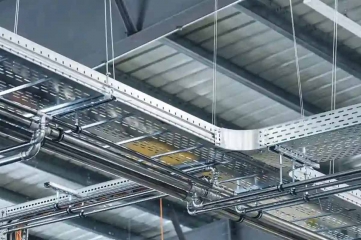
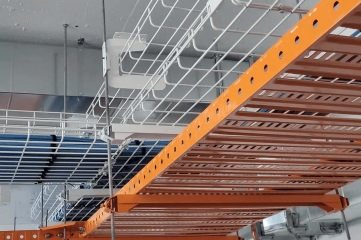
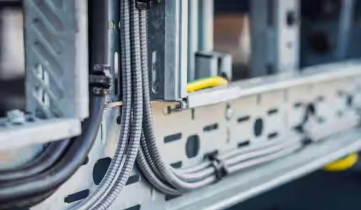
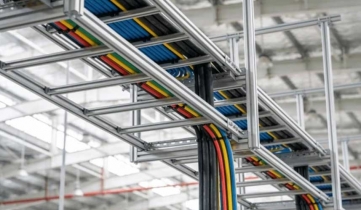
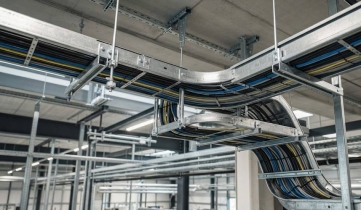
Cable trays can be installed in a number of ways, such as hanging from ceilings, mounting on walls, or using floor stands as support. The installation procedure typically entails cutting and fitting the tray to the required length as well as mounting brackets, supports, and hardware.
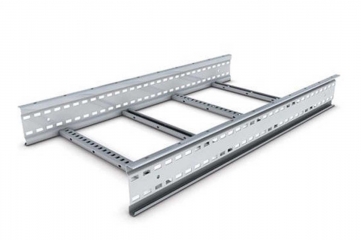
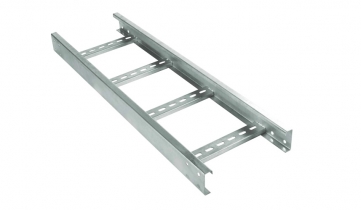
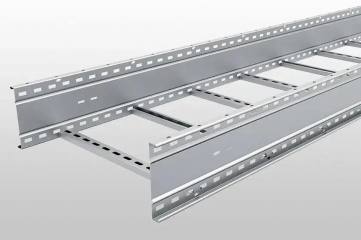
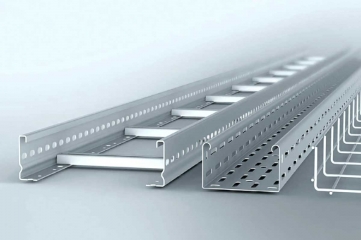
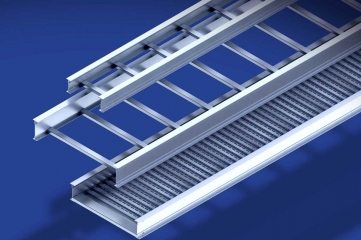
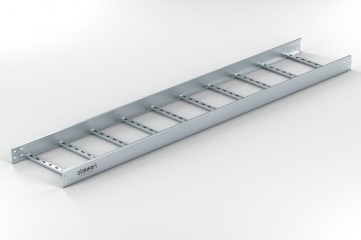
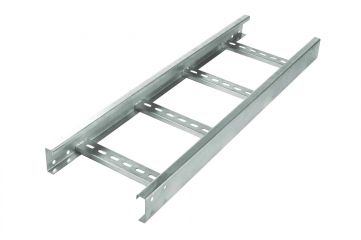
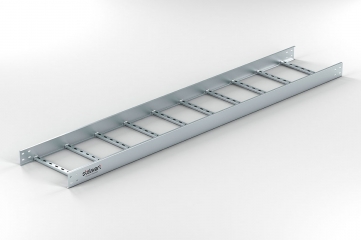
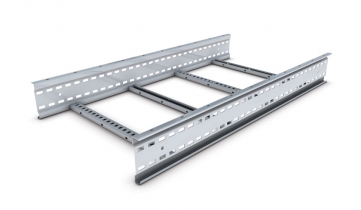
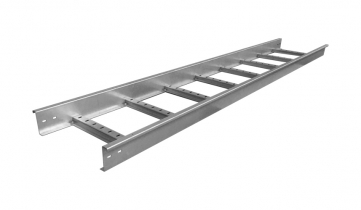
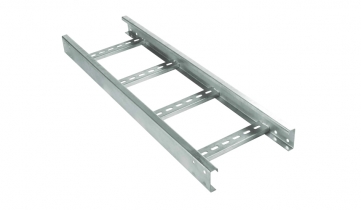
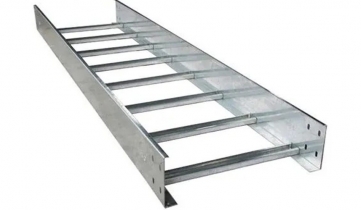
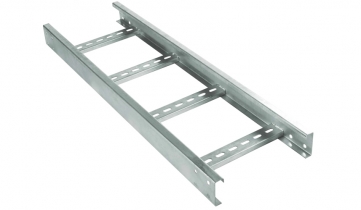
The term cable tray refers to a variety of different products, some of which include a ladder, ventilated bottom, solid bottom, wire mesh, and trough. Each variety of tray is constructed to work with a distinct set of cable arrangements and applications.
When choosing a cable tray, it is essential to take into consideration a variety of factors, including the weight and dimensions of the cables, the setting in which they will be installed, and any applicable codes and standards. It is essential to take into account the particular necessities of the project, such as the cable capacity, accessibility, and ease of installation, among other things.
The answer is yes some cable trays are constructed with fire-retardant materials. Cable trays designed to withstand fire are typically fabricated from materials like galvanized steel or stainless steel, and they are coated with materials designed to withstand fire.