Call Us on







Call Us on
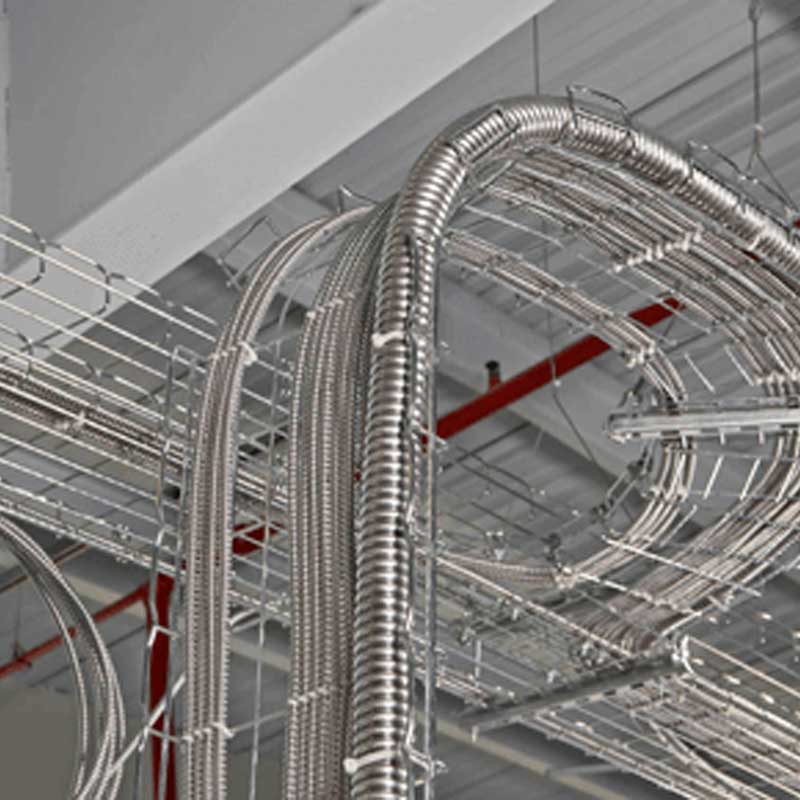
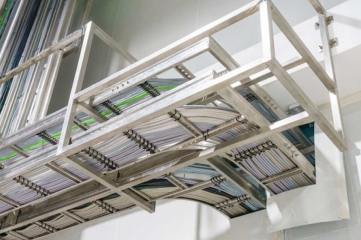
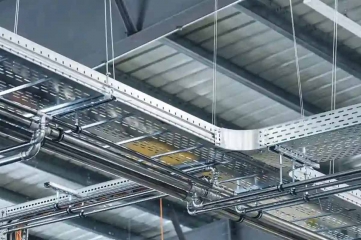
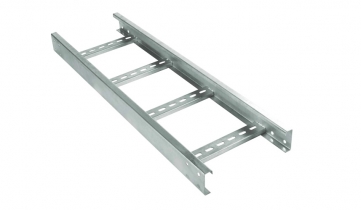
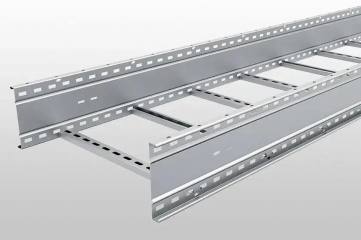
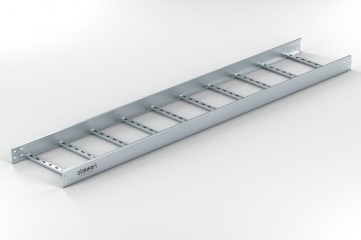
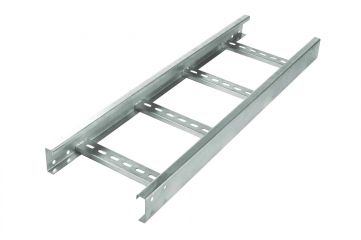
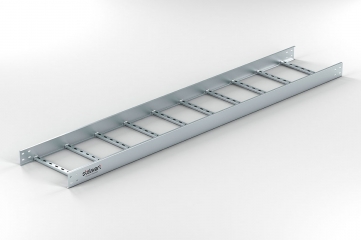
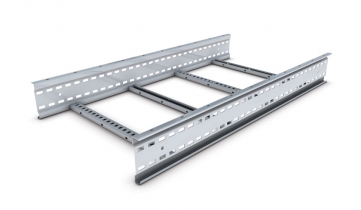
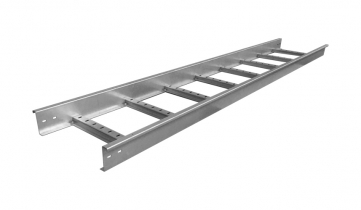
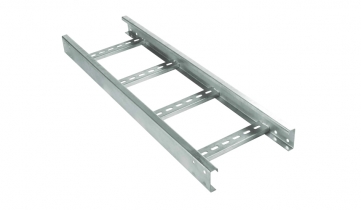
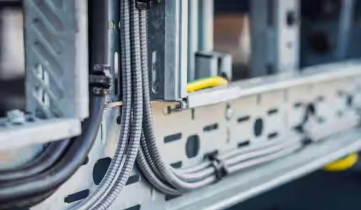
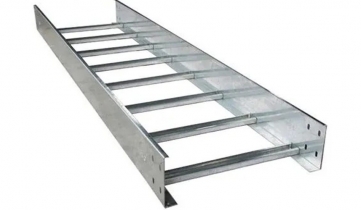
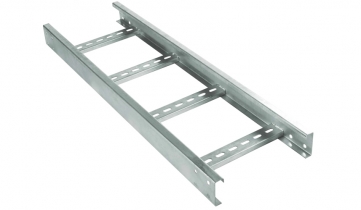
Running a power plant or manufacturing facility isn't easy; there's so much infrastructure to manage. You've got thousands of cables running everywhere, powering different machines and keeping operations smooth. Ladder Cable Trays from Super Cable Tray Pvt. Ltd. have become the go-to choice for organizing all this electrical chaos. They're basically strong, open frameworks that keep cables neat and accessible. The best part is how they let air flow freely, which prevents overheating issues. These systems need to be tough enough to handle whatever the industrial environment throws at them.
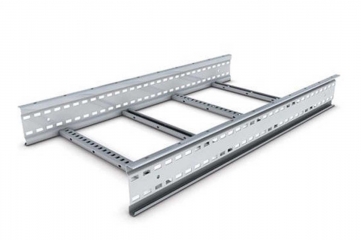
Let's be real industrial facilities use massive amounts of power, which means really thick, heavy cables. These cable management systems are designed with side rails and rungs that work together beautifully. Here's what makes them so dependable:
When you're dealing with equipment that pulls serious electricity, you can't afford to use anything less sturdy.
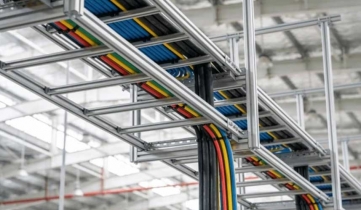
Here's something that doesn't get enough attention: cables get hot when electricity flows through them. If that heat builds up, you're looking at damaged insulation and potential failures. The open design lets air move freely around every cable in the system. This isn't just nice to have; it's essential in environments where temperatures already run high. Power plants run 24/7, which means cables are constantly working and generating heat. Good airflow means your cables last longer, and you spend less on replacements. You can even adjust the spacing between rungs to get better cooling if needed.
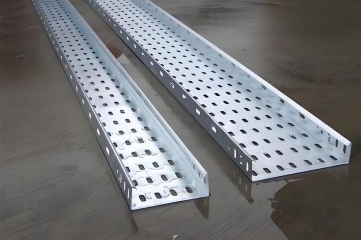
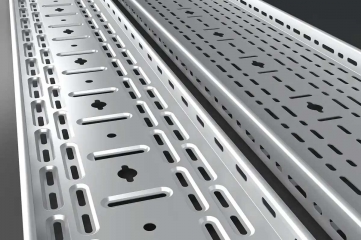
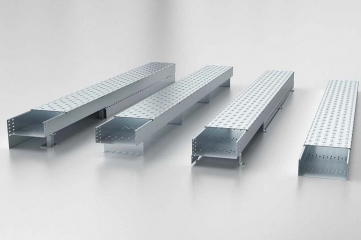
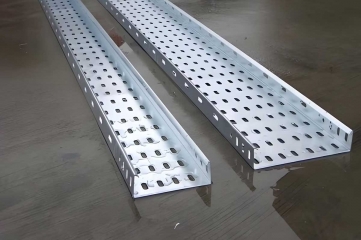
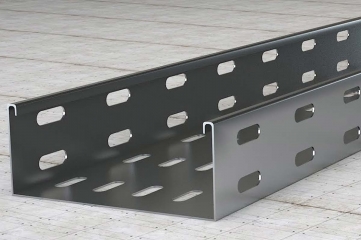
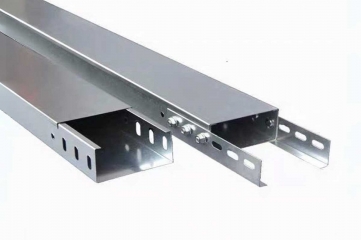
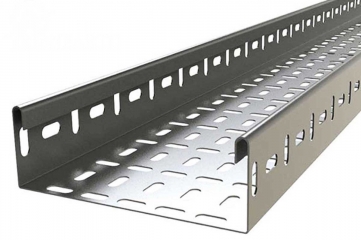
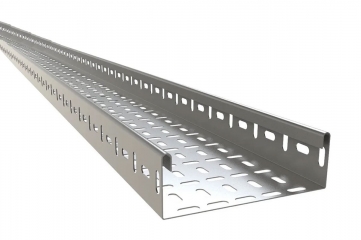
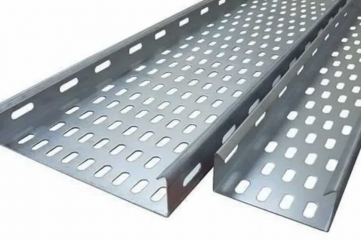
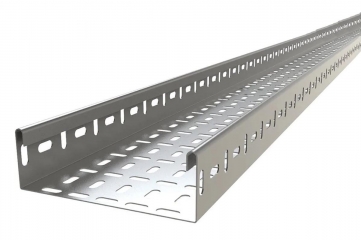
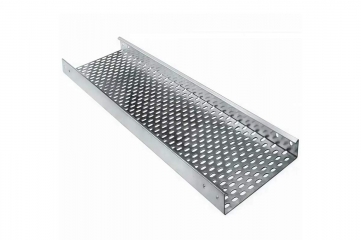
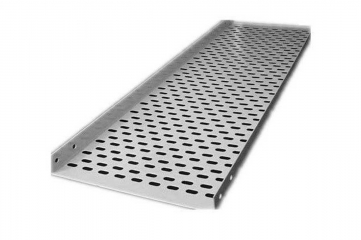
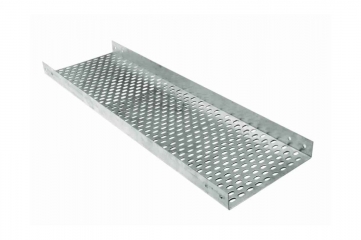
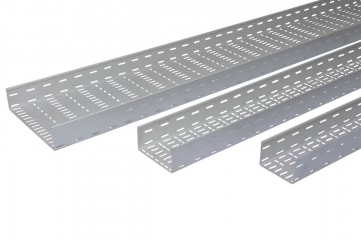
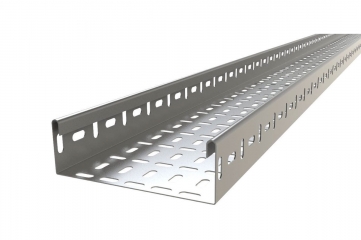
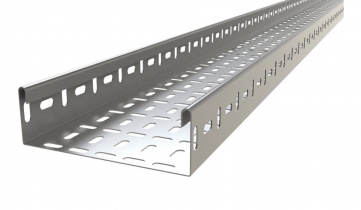
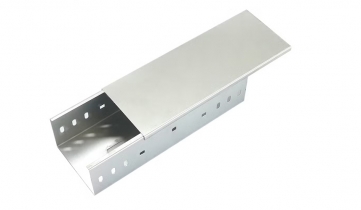
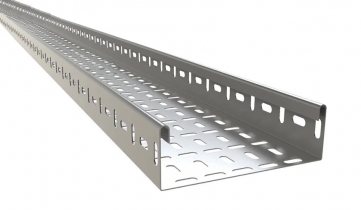
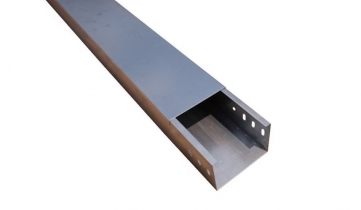
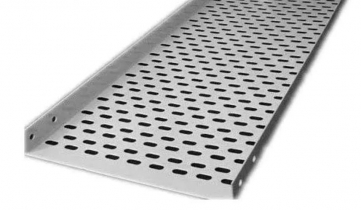
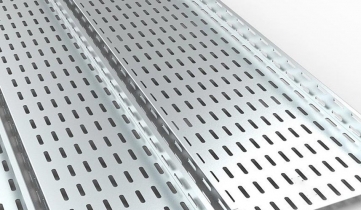
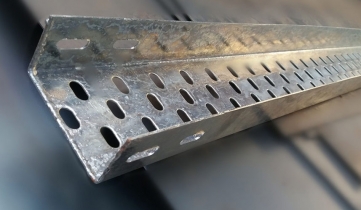
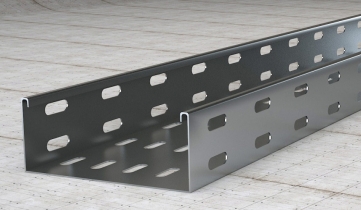
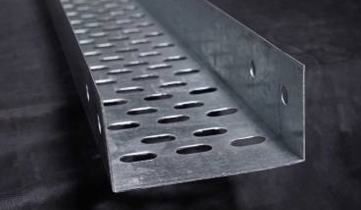
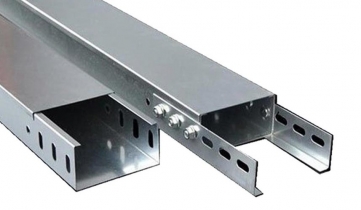
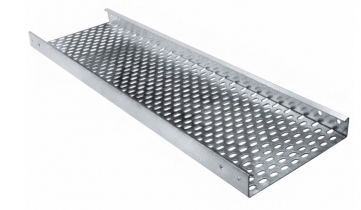
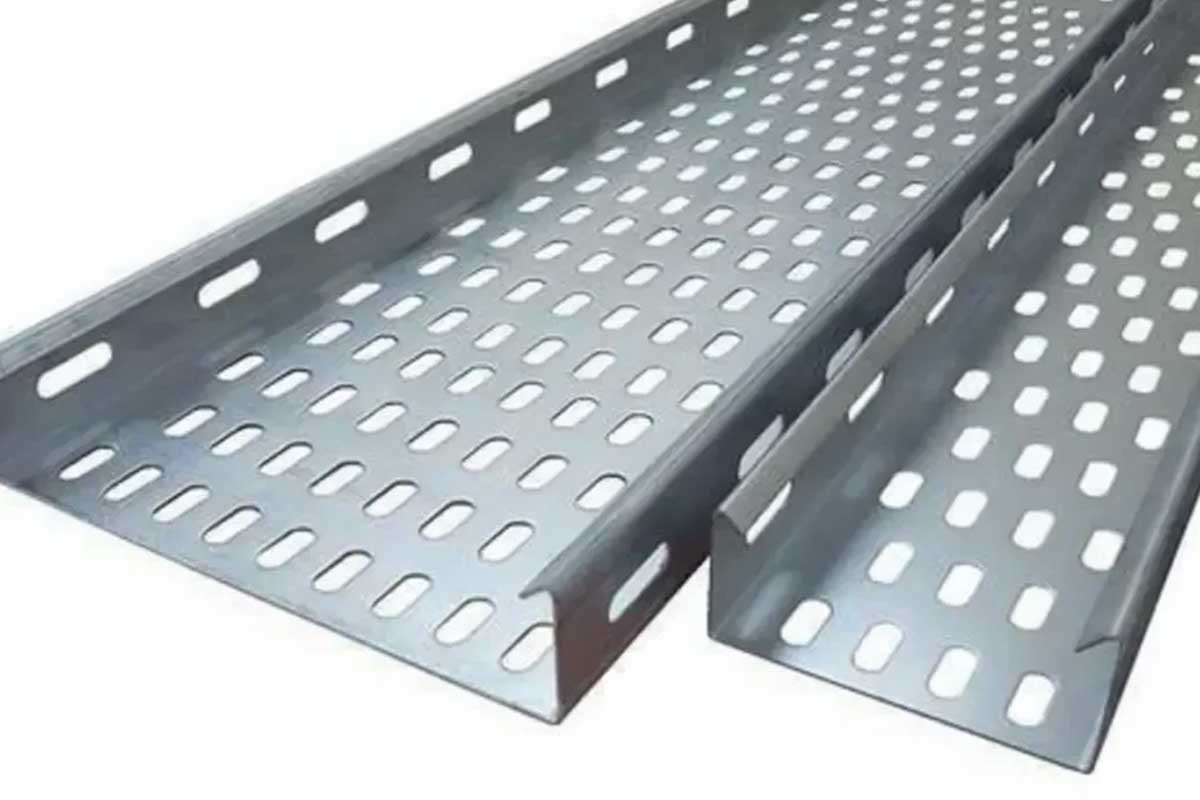
Nobody wants their production line shut down for days while electricians install cable trays. A Gi Perforated Cable Tray works similarly but gives you extra protection from dust and debris. Less downtime means more productivity, which is what it's all about. The good news is these systems go up surprisingly fast with minimal fuss. Here's why maintenance teams appreciate them:
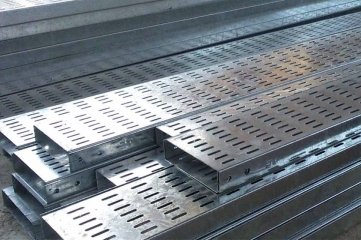
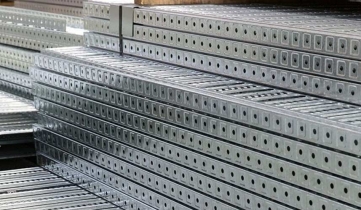
Look, we all have budgets to stick to, especially with large-scale industrial projects. These cable tray systems might seem like a big purchase upfront, but they're actually smart investments. Once they're installed, they barely need any maintenance, just occasional check-ups. The materials hold up against rust, impacts, and harsh environmental conditions for decades. When your facility expands or you upgrade equipment, the system adapts without requiring a complete overhaul. A Galvanized Cable Tray gives you even better protection in areas with moisture or chemicals. You're basically buying peace of mind that lasts for the long haul.
Industrial facilities have to follow tons of safety codes and electrical standards—it's not optional. These cable management systems are built to meet or beat those requirements right out of the box. The open structure makes grounding and bonding your electrical system straightforward and code-compliant. Fire inspectors appreciate the non-combustible materials and the spacing that stops flames from spreading. When auditors come around, they can easily see that your cable pathways are properly organized. Plus, insurance companies tend to give better rates when your electrical setup meets all the standards. It's one less thing to worry about during inspections.
Industrial facilities need systems that work hard without constant babysitting. There's a reason you see these cable management solutions in factories and power plants worldwide. They've proven themselves in everything from chemical plants to car manufacturing facilities. As industries evolve and technology changes, these systems keep adapting to meet new challenges. Their flexibility means they'll likely remain the backbone of industrial electrical infrastructure for years to come.
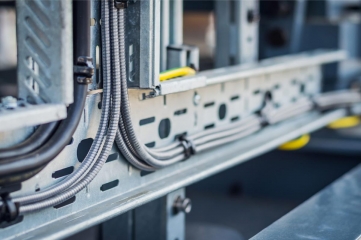
An electrical and communication cable management and organization system known as a cable tray is utilized to accommodate various types of cables, it is typically made of metal, such as aluminum or steel, and is available in a variety of sizes and shapes.
Several advantages of using a cable tray include better cable management, increased safety, and simpler maintenance. In comparison to other conduit systems, cable trays can offer a more effective and affordable solution.
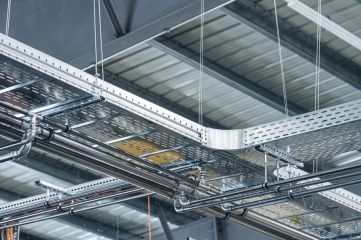
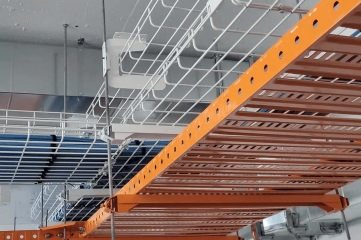
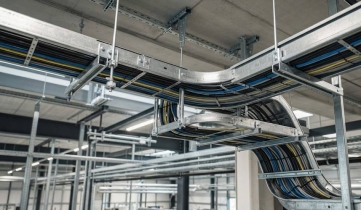
Cable trays can be installed in a number of ways, such as hanging from ceilings, mounting on walls, or using floor stands as support. The installation procedure typically entails cutting and fitting the tray to the required length as well as mounting brackets, supports, and hardware.
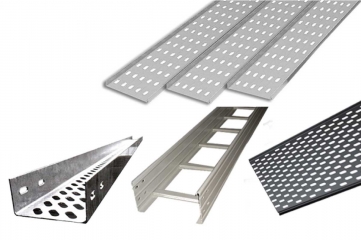
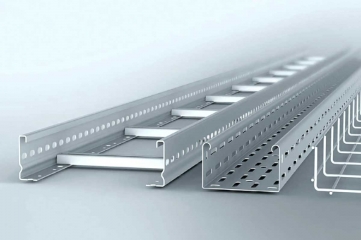
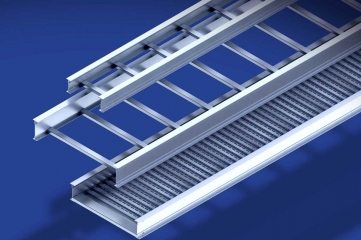
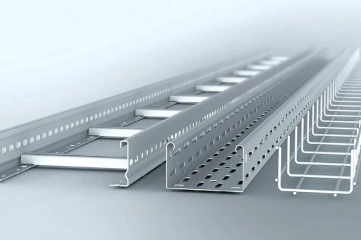
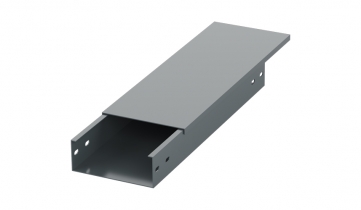
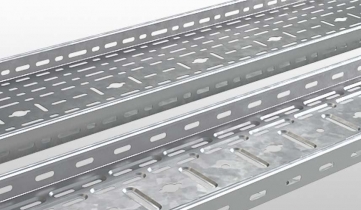
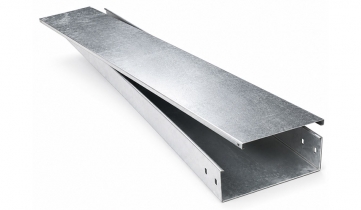
The term cable tray refers to a variety of different products, some of which include a ladder, ventilated bottom, solid bottom, wire mesh, and trough. Each variety of tray is constructed to work with a distinct set of cable arrangements and applications.
When choosing a cable tray, it is essential to take into consideration a variety of factors, including the weight and dimensions of the cables, the setting in which they will be installed, and any applicable codes and standards. It is essential to take into account the particular necessities of the project, such as the cable capacity, accessibility, and ease of installation, among other things.
The answer is yes some cable trays are constructed with fire-retardant materials. Cable trays designed to withstand fire are typically fabricated from materials like galvanized steel or stainless steel, and they are coated with materials designed to withstand fire.