Call Us on







Call Us on
Neglected wiring management can force any maintenance team into a continuous war with tangles, wear, and accessibility issues. Indeed, the Best Cable Trays in India by Super Cable Tray Pvt. Ltd. function as more than a structure for cables—an investment in efficiency, safety, and long-term savings—facilitating easy repairs and making upgrades less troublesome. With easy installations, inspections, and servicing, they will make technicians' lives easier and ensure the reliable performance of electrical systems for years to come. As dependable as they may be, these trays showcase the most practical and forward-looking approach to them.
Electrical maintenance is more than just restoring faults—it's also ensuring safety for people. Properly constructed tray systems will include safety-based features such as rounded edges, which protect cables from abrasion; proper fastening systems to ensure that wiring is stable; and anti-slip surfaces wherein the wiring is suspended. These not only protect cables but also serve to provide safety to maintenance personnel working above or in confined spaces. High-voltage cables run above each other in factories and power plants; thus, such measures provide a low possibility of injury or damage to equipment. Given this, maintenance teams will not have to expose themselves to risky, unnecessary dangers while proceeding with maintenance tasks.
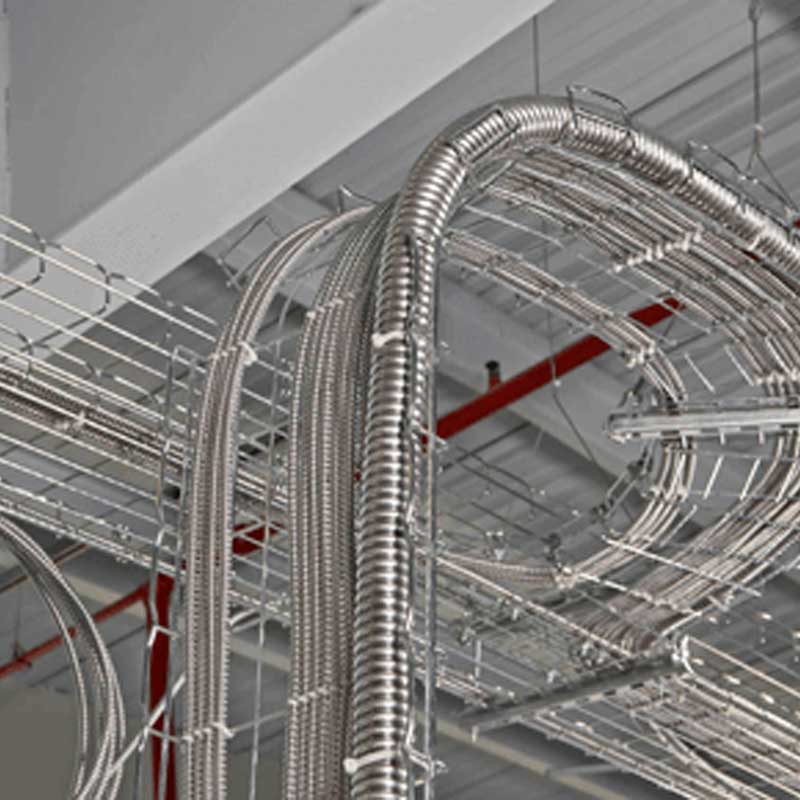
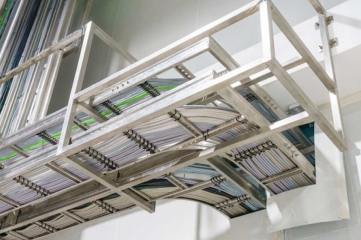
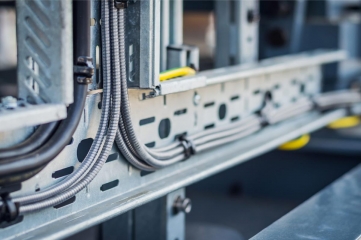
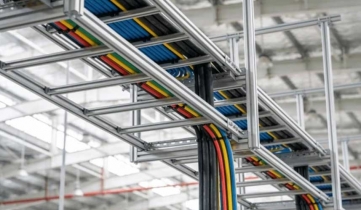
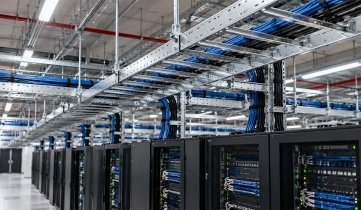
One of the most practical ways cable trays can help reduce the hassles of maintenance is through organized layouts. If cables are properly arranged, it is very easy to identify, inspect, or change them in case of any problem. If there are tangled wires in the data center, troubleshooting time may be blocked, just as signal disruptions occur. The experienced Cable Trays Manufacturer in India knows this and designs trays that have proper spacing, clear routing channels, and even labeling options to minimize the time a maintenance team spends searching for the right cable. Additionally, having smooth edges further prevents damage to insulation and repair in the worst-case scenario.
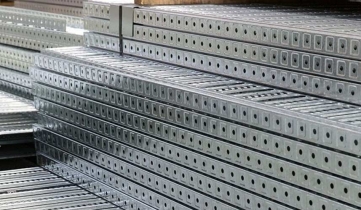
A hidden cost of cable maintenance is the replacement of damaged trays or supports. High-quality trays are made from galvanized steel, aluminum, or other robust materials that can withstand harsh environments. For instance, coastal areas where humidity and salt can corrode their galvanized finishes are protected from quick wear. In any heavy industrial setup, impact, vibration, and temperature variations can be defied through durable trays. This resistance leads to longer-lasting infrastructures, which demand fewer replacements or maintenance costs over the years. Durable trays tend to pay for themselves many times over in eliminating repeated expenses.
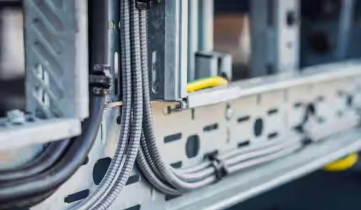
Time spent during maintenance translates into money, and any downtime is the enemy. In facilities with thick wires, technicians can trace problems through the setup without wasting time, which gives continuity to their operations and saves on lost production due to extended outages. Reliable Cable Trays are designed to open and free via a design that enables maintenance technicians to reach cables without stripping away walls, ceilings, or conduits. This aspect is valued in industrial plants where machines shut down or are not operational for an hour. Hence, accessibility offered by the trays enables just quick processing of repairs, replacements, or checks in the systems.
The best looks towards the future, viewing it as the most immediate answer to its problems with today. Most cable trays are designed for adding cables or upgrading systems without major structural changes. The IT, manufacturing, and renewable energy sectors require this, especially due to rapid technology change, thereby leading to more needs for expansion. To avoid malfunctions, these makers provide after-sales support to reinstall everything in line for new systems. Maintenance teams will now be able to install new systems without disrupting them. Not only will that save money, but it will also absolve the hassles typically associated with large rewiring projects.
For industries where uptime is critical, cutting down on the maintenance hassle not only provides convenience but also protects productivity, safety, and investment. With an organized layout and easily accessible, long-lasting durability, built-in safety features and future scalability, the right tray can be the factor that ensures maintenance from a recurring problem into a smooth process. Finally, choosing the right trays means fewer distressing surprises and lost time as well as a more reliable electrical network—that is why trays are part and parcel of professional setup, performance and peace of mind.
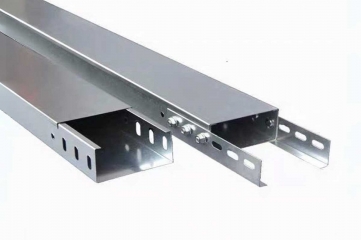
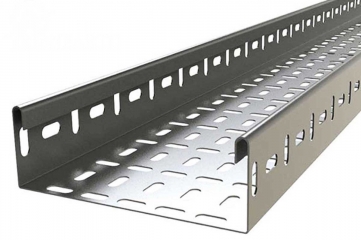
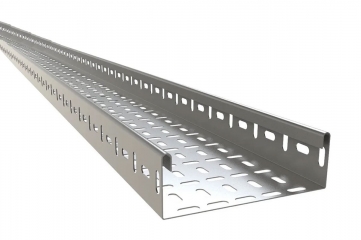
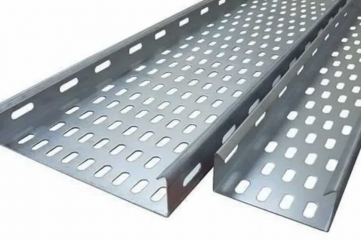
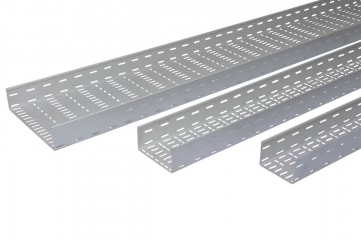
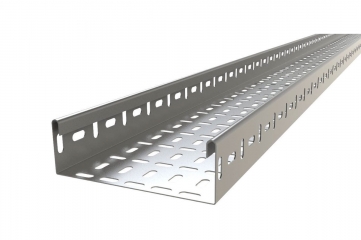
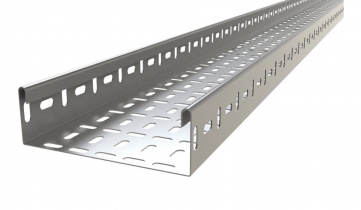
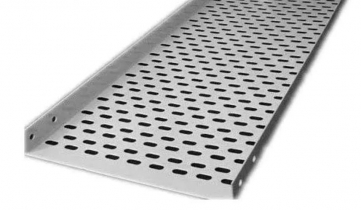
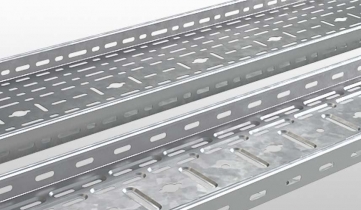
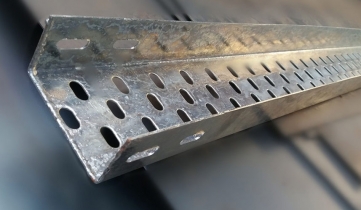
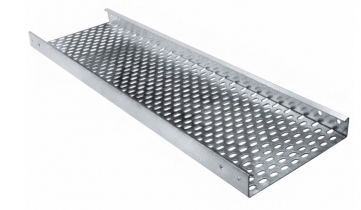
An electrical and communication cable management and organization system known as a cable tray is utilized to accommodate various types of cables, it is typically made of metal, such as aluminum or steel, and is available in a variety of sizes and shapes.
Several advantages of using a cable tray include better cable management, increased safety, and simpler maintenance. In comparison to other conduit systems, cable trays can offer a more effective and affordable solution.
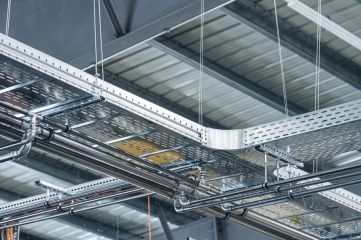
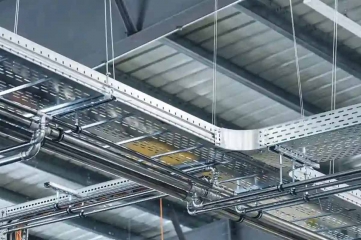
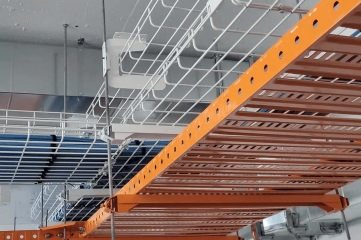
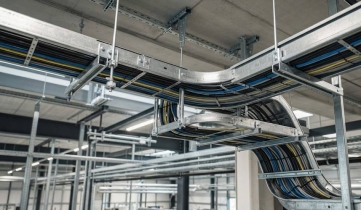
Cable trays can be installed in a number of ways, such as hanging from ceilings, mounting on walls, or using floor stands as support. The installation procedure typically entails cutting and fitting the tray to the required length as well as mounting brackets, supports, and hardware.
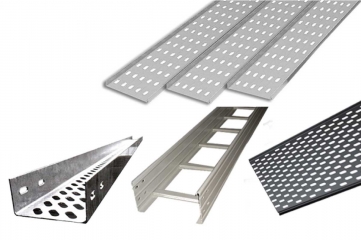
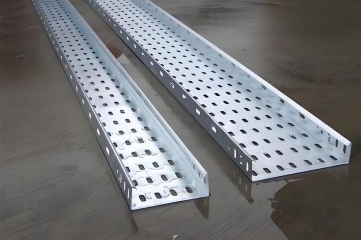
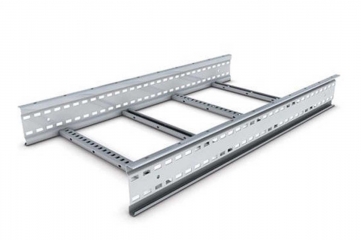
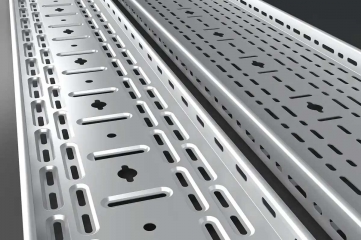
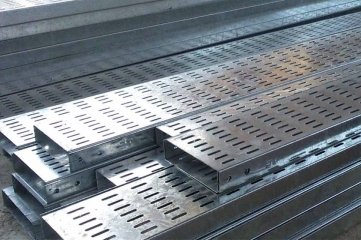
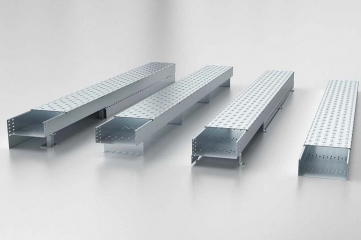
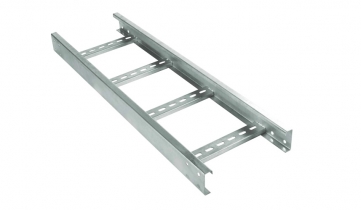
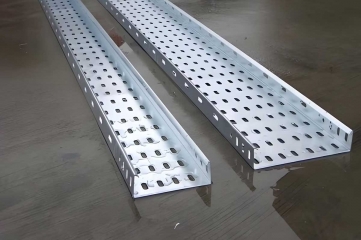
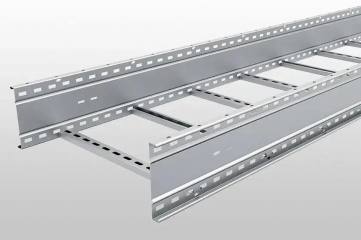
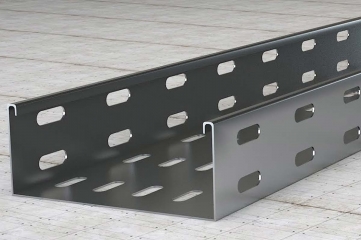
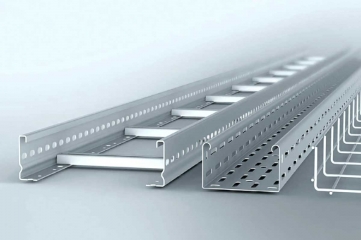
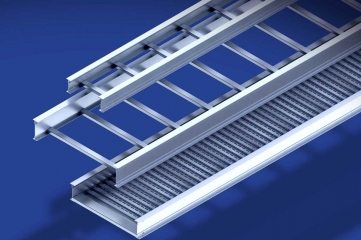
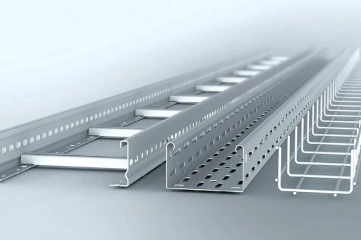
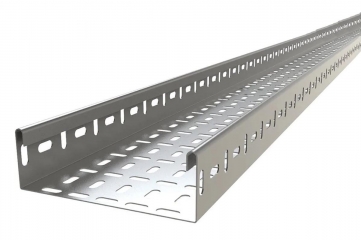
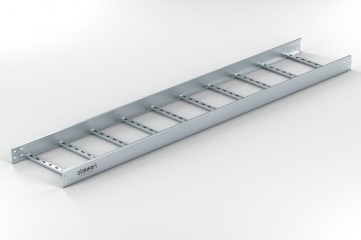
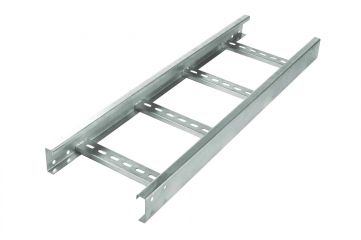
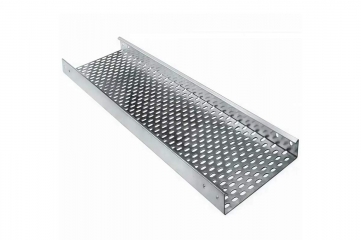
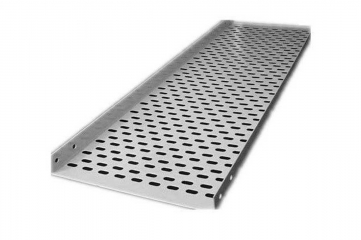
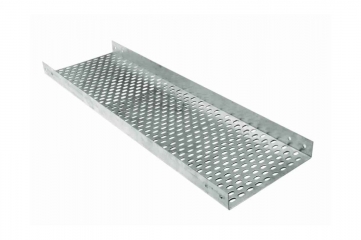
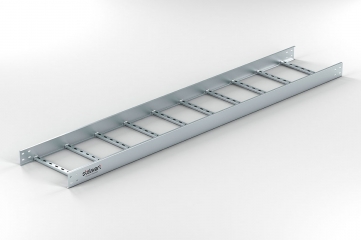
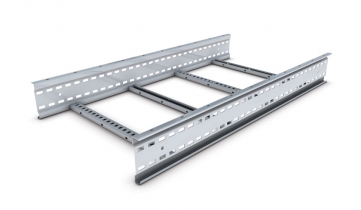
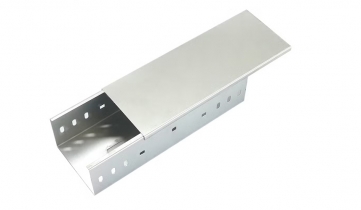
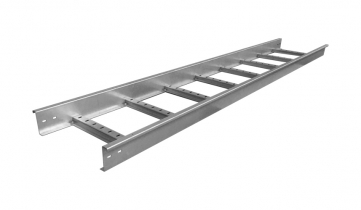
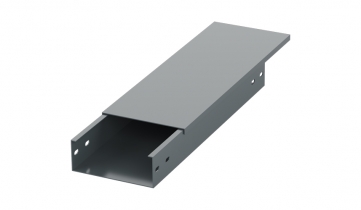
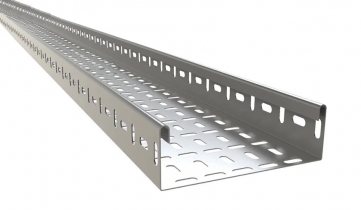
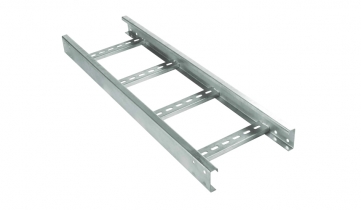
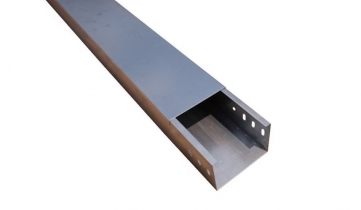
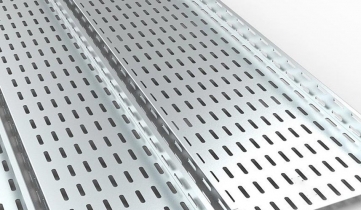
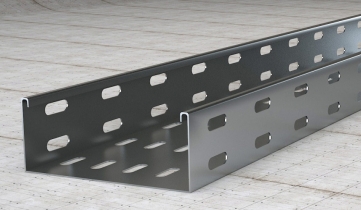
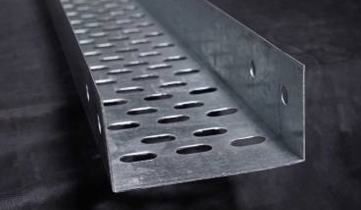
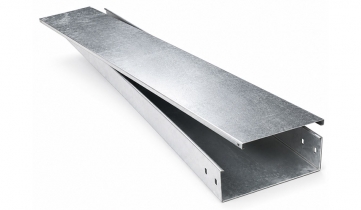
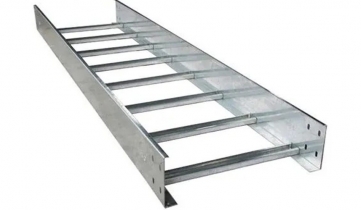
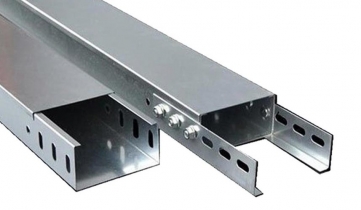
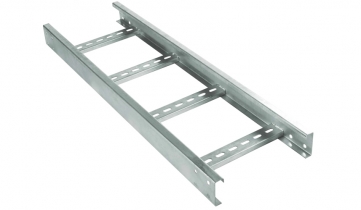
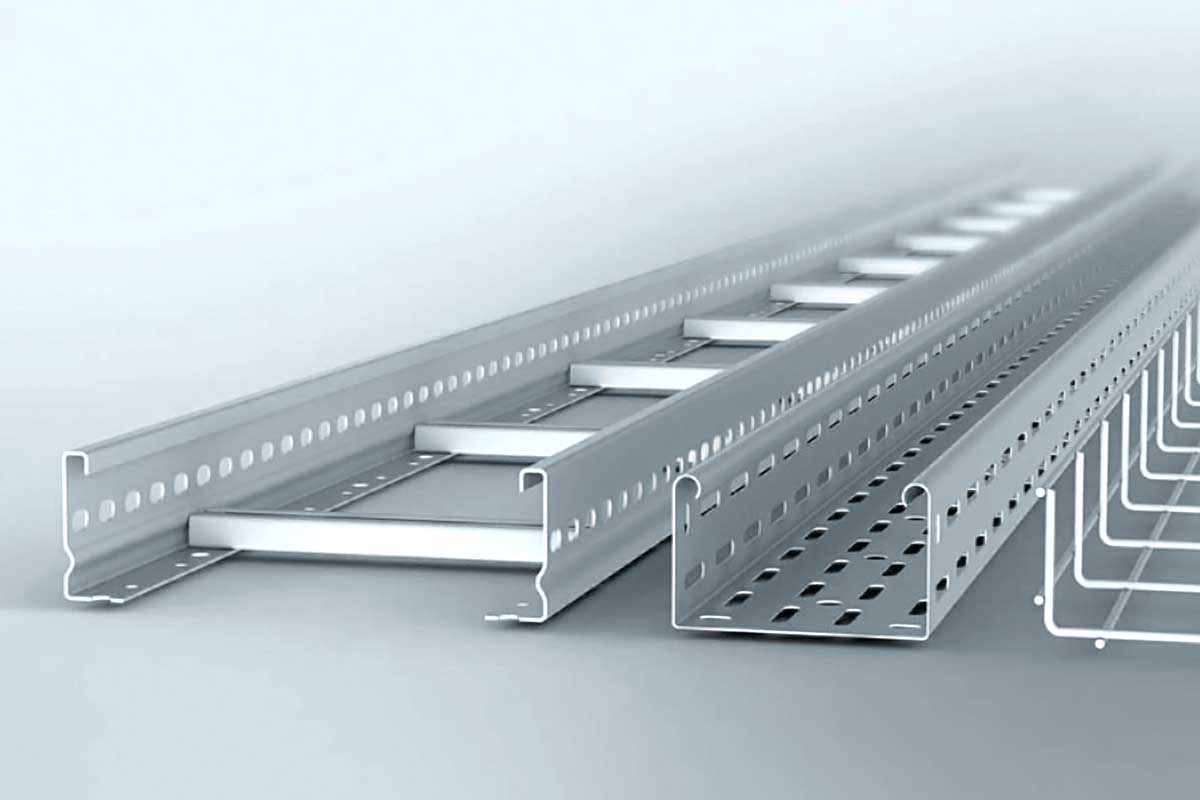
The term cable tray refers to a variety of different products, some of which include a ladder, ventilated bottom, solid bottom, wire mesh, and trough. Each variety of tray is constructed to work with a distinct set of cable arrangements and applications.
When choosing a cable tray, it is essential to take into consideration a variety of factors, including the weight and dimensions of the cables, the setting in which they will be installed, and any applicable codes and standards. It is essential to take into account the particular necessities of the project, such as the cable capacity, accessibility, and ease of installation, among other things.
The answer is yes some cable trays are constructed with fire-retardant materials. Cable trays designed to withstand fire are typically fabricated from materials like galvanized steel or stainless steel, and they are coated with materials designed to withstand fire.