Call Us on







Call Us on
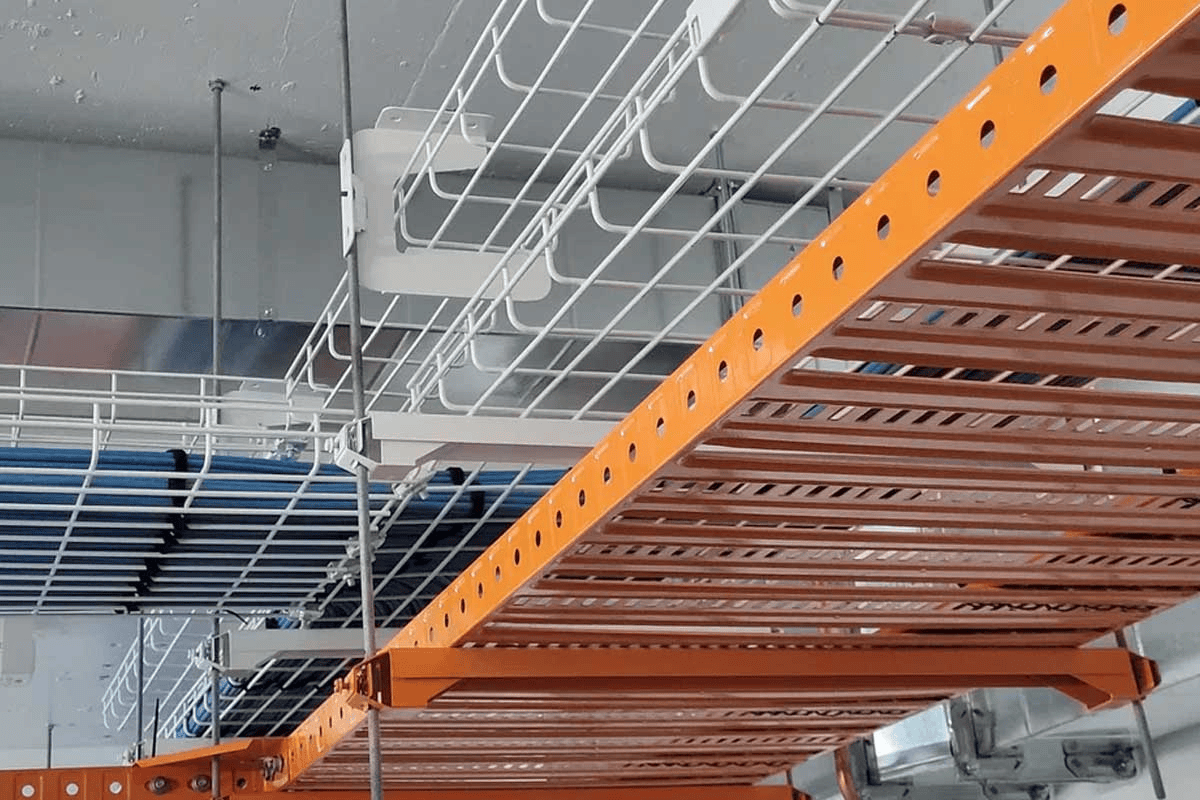
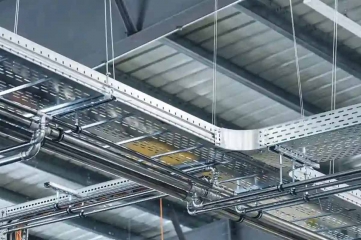
In today’s industrial and commercial electrical systems, proper cable management is not optional—it is essential. Poorly routed cables can lead to safety hazards, power failures, difficult maintenance, and higher operational costs. A raceway cable tray is a reliable and widely accepted solution that helps organize, protect, and support electrical and communication cables in a structured way.
Raceway cable tray systems are designed to provide enclosed or semi-enclosed protection, making them suitable for environments where cables need shielding from dust, moisture, mechanical damage, and accidental contact. Because of their durability, flexibility, and ease of maintenance, raceway cable trays are used across industries worldwide.
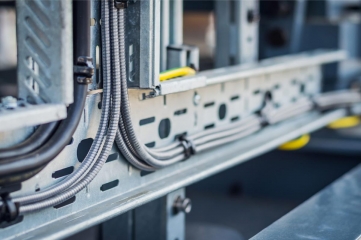
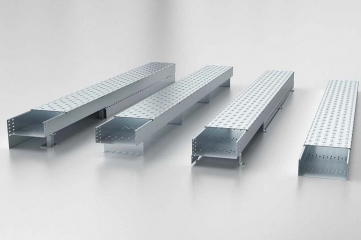
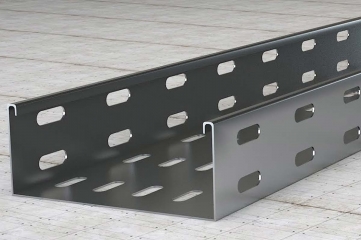
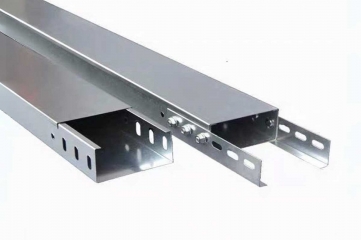
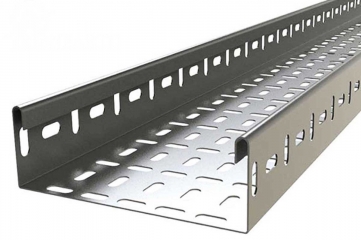
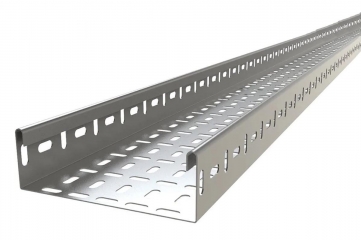
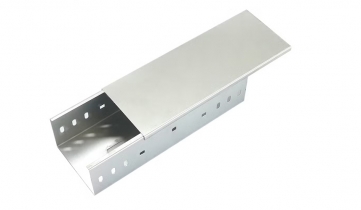
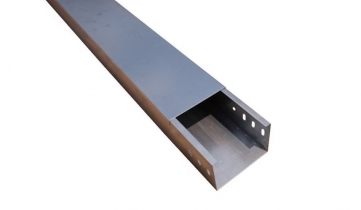
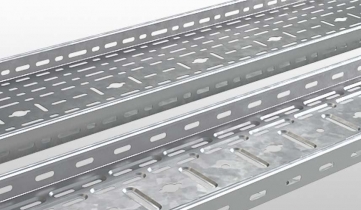
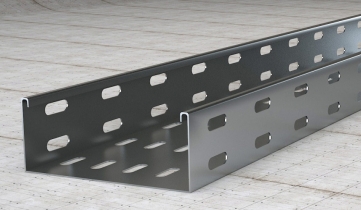
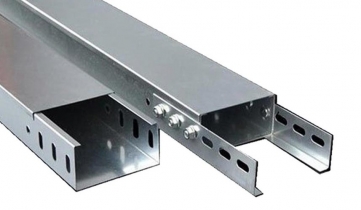
A raceway cable tray is an enclosed electrical raceway system used to route power cables, control cables, and data cables safely. Unlike open ladder or perforated trays, raceway systems offer better cable protection by covering the cables from external exposure.
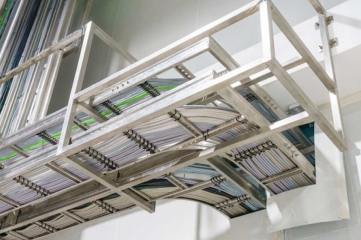
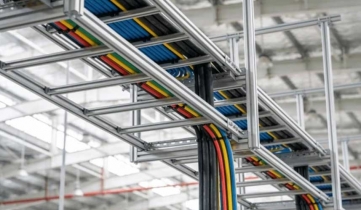
These systems are commonly used in industrial plants, commercial buildings, data centers, power stations, and infrastructure projects where safety, cleanliness, and organized cable routing are critical. Raceway cable trays also allow easier inspection and future cable additions compared to rigid conduit systems.
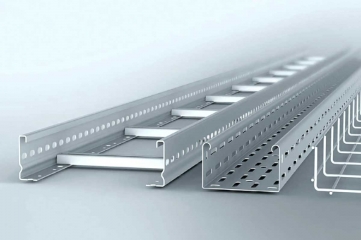
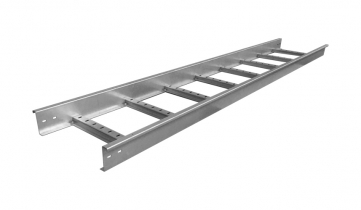
Different applications require different raceway designs. The most common types include:
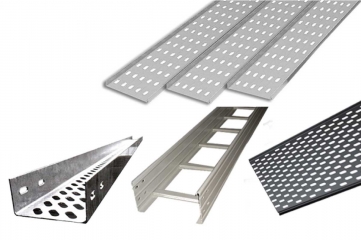
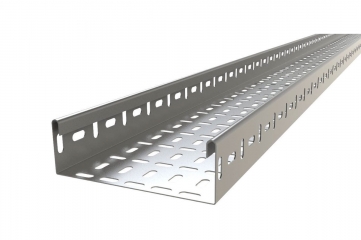
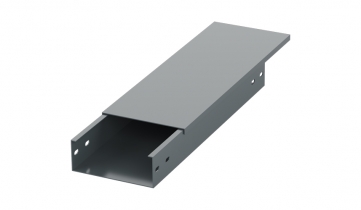
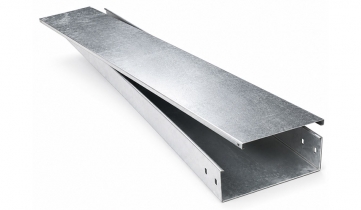
This type provides complete cable protection and is ideal for power, control, and instrumentation cables. It is commonly used where environmental protection and safety are top priorities.
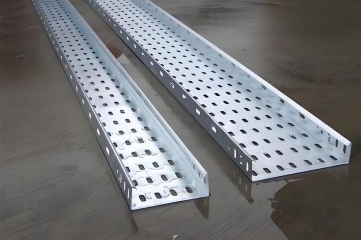
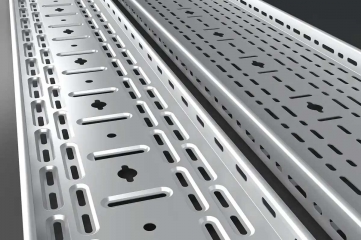
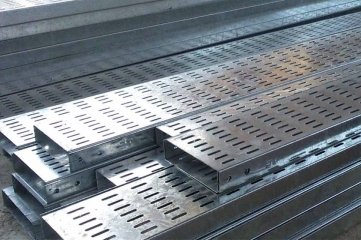
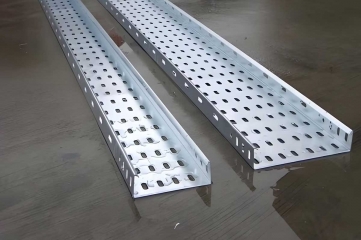
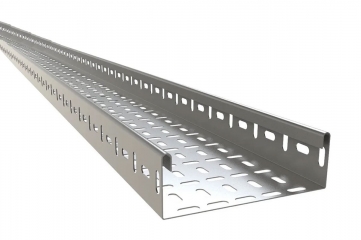
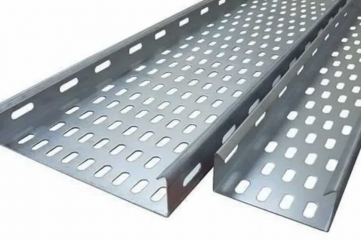
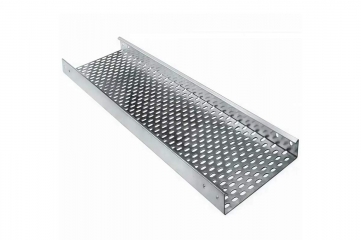
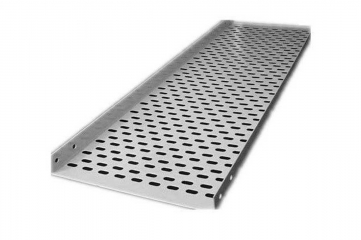
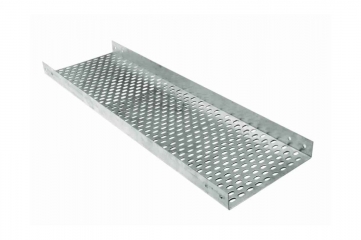
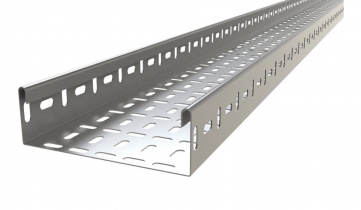
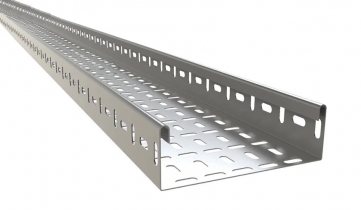
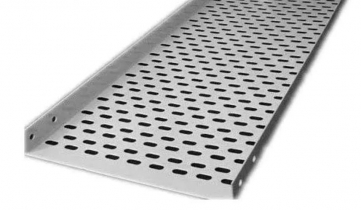
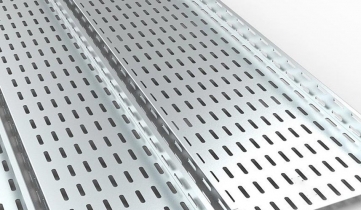
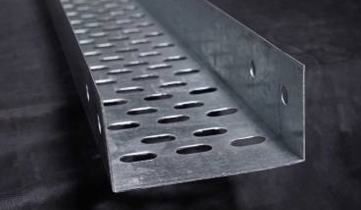
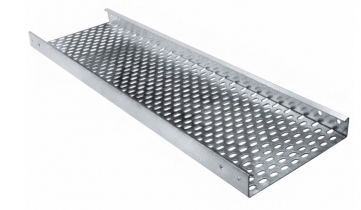
Perforated raceway trays include ventilation holes that allow airflow and heat dissipation. They are suitable for power cables and installations where heat buildup must be controlled.
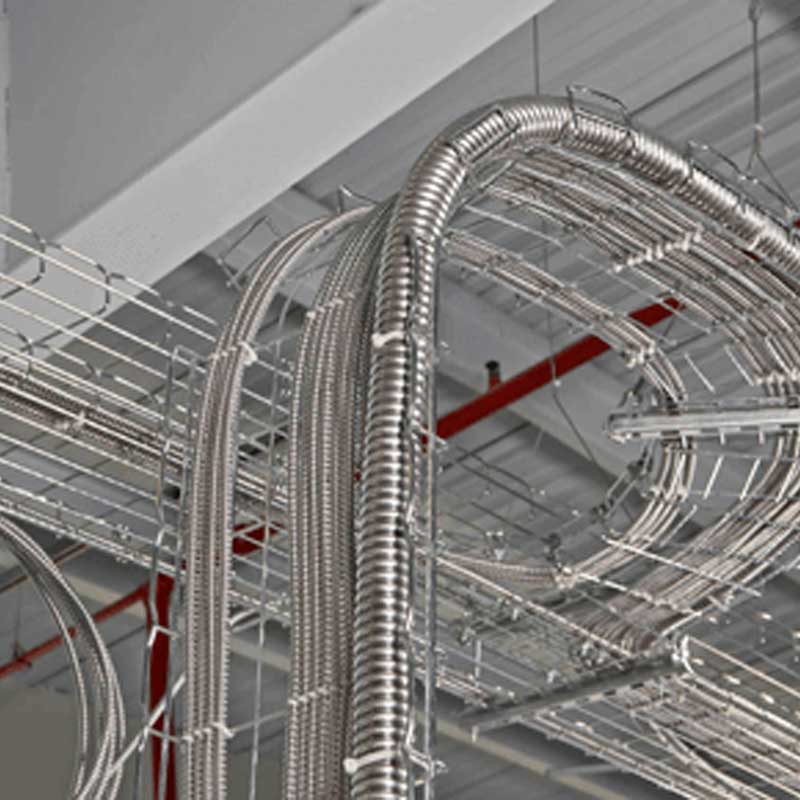
Wire mesh raceway trays are lightweight and flexible. They are mainly used for data, telecom, and low-load applications where quick installation and easy cable modification are required.
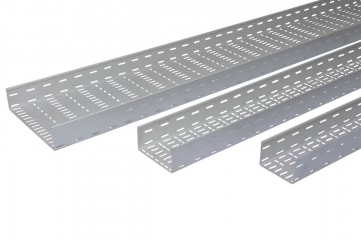
Choosing the correct size is essential for safe operation and future expansion. Raceway cable tray sizes depend on cable quantity, cable diameter, and load requirements.
| Width (mm) | Depth (mm) | Typical Application |
|---|---|---|
| 50 – 100 | 50 | Data and control cables |
| 150 – 300 | 75 – 100 | Industrial power cables |
| 450 – 600 | 100 – 150 | Heavy-duty installations |
Manufacturers often provide custom sizes to match specific project requirements.
Material selection plays a major role in performance and durability. Raceway cable trays are typically manufactured from mild steel, galvanized iron, aluminum, and stainless steel. Key specifications include tray thickness, load-carrying capacity, surface finish, corrosion resistance, and compliance with electrical standards.
MS Hot Dip Galvanised Raceway
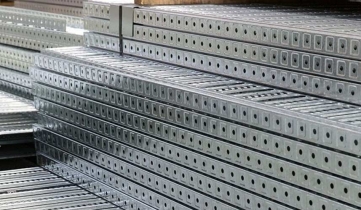
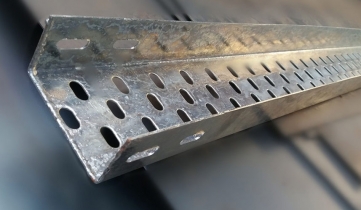
An MS Hot Dip Galvanised Raceway is made from mild steel and coated using the hot-dip galvanizing process. This coating offers excellent corrosion resistance, making it suitable for outdoor installations, chemical plants, coastal areas, and humid environments. These raceways are strong, long-lasting, and require minimal maintenance, making them ideal for heavy industrial use.
MS Powder Coated Raceway
An MS Powder Coated Raceway is mainly used for indoor applications. The powder coating provides a smooth, uniform finish and additional protection against wear and mild corrosion. These raceways are commonly used in commercial buildings, control panels, and electrical rooms where appearance and cleanliness are important.
GI Raceway
A GI Raceway is manufactured from galvanized iron and is one of the most widely used options in industrial and commercial projects. GI raceways offer a good balance of strength, corrosion resistance, and cost efficiency. They are suitable for general electrical installations and indoor environments.
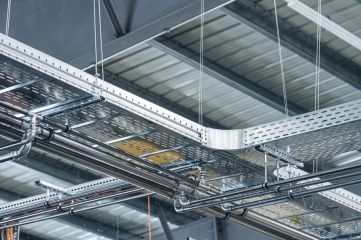
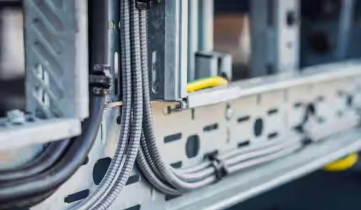
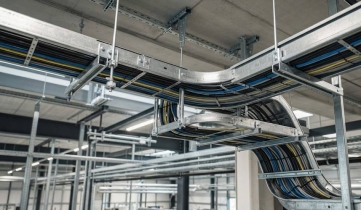
Proper installation is critical for safety and long-term reliability. Raceway cable tray installation includes correct support spacing, secure mounting, grounding, and proper alignment. One of the key advantages of raceway systems is easy access for inspection, maintenance, and cable replacement without disturbing the entire system.
A raceway cable tray floor system is used when overhead cable routing is not possible. These systems are installed under raised floors in data centers, control rooms, and office spaces. Floor raceways protect cables from physical damage while keeping workspaces clean and hazard-free.
The raceway cable tray price depends on several factors, including material type, tray size, thickness, surface finish, and order quantity. While the initial cost may vary, raceway cable trays offer long-term value due to durability, easy maintenance, and flexibility for future expansion.
Compared to traditional conduit systems, raceway cable trays provide faster installation, better heat dissipation, and easier cable modification. This makes them a preferred choice for modern industrial electrical infrastructure where system upgrades are frequent.
FAQs – Raceway Cable Tray
What is a raceway cable tray used for?
It is used to safely route and protect electrical and communication cables in industrial and commercial installations.
Which material is best for raceway cable trays?
MS hot dip galvanised raceways are ideal for harsh environments, while GI and powder coated raceways are suitable for indoor use.
Can raceway cable trays be installed on floors?
Yes, raceway cable trays are widely used in underfloor and raised floor cable management systems.
How do I choose the right raceway cable tray size?
Tray size depends on cable quantity, load requirements, and future expansion needs.
Conclusion
A well-designed raceway cable tray system improves electrical safety, organization, and efficiency. With multiple options such as MS hot dip galvanised raceway, MS powder coated raceway, and GI raceway, these systems provide reliable and scalable cable management solutions for modern industrial and commercial projects.
An electrical and communication cable management and organization system known as a cable tray is utilized to accommodate various types of cables, it is typically made of metal, such as aluminum or steel, and is available in a variety of sizes and shapes.
Several advantages of using a cable tray include better cable management, increased safety, and simpler maintenance. In comparison to other conduit systems, cable trays can offer a more effective and affordable solution.
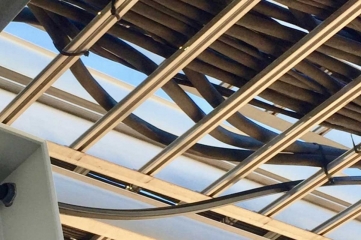
Cable trays can be installed in a number of ways, such as hanging from ceilings, mounting on walls, or using floor stands as support. The installation procedure typically entails cutting and fitting the tray to the required length as well as mounting brackets, supports, and hardware.
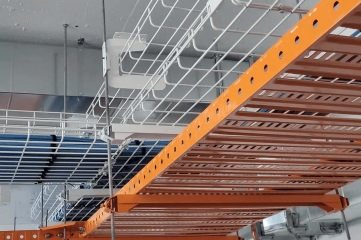
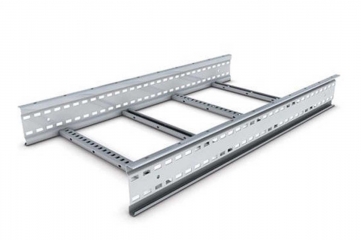
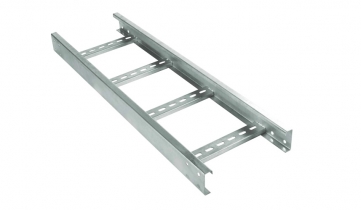
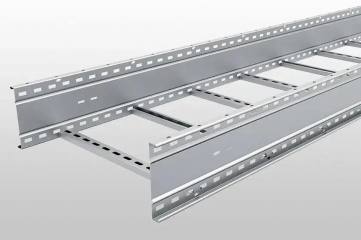
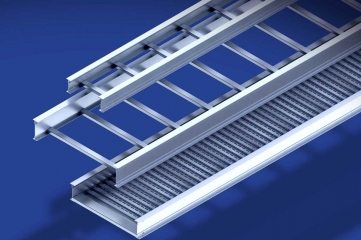
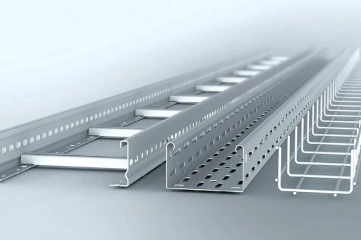
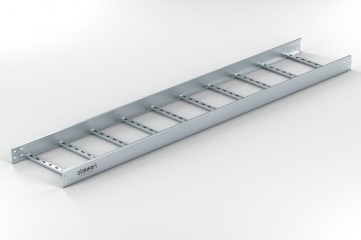
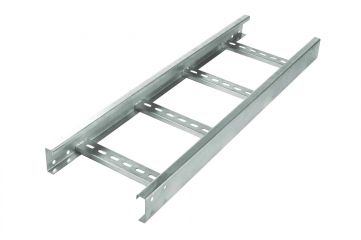
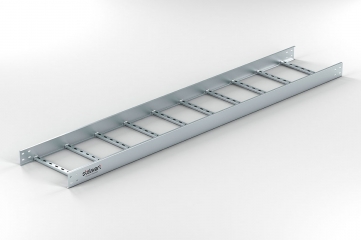
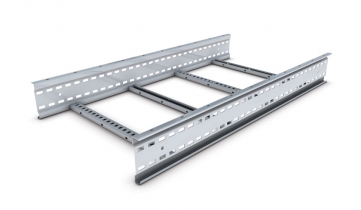
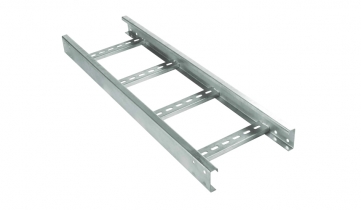
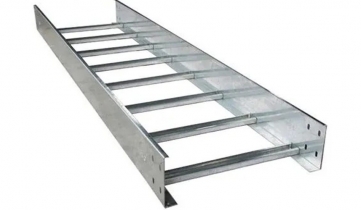
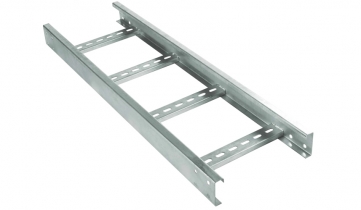
The term cable tray refers to a variety of different products, some of which include a ladder, ventilated bottom, solid bottom, wire mesh, and trough. Each variety of tray is constructed to work with a distinct set of cable arrangements and applications.
When choosing a cable tray, it is essential to take into consideration a variety of factors, including the weight and dimensions of the cables, the setting in which they will be installed, and any applicable codes and standards. It is essential to take into account the particular necessities of the project, such as the cable capacity, accessibility, and ease of installation, among other things.
The answer is yes some cable trays are constructed with fire-retardant materials. Cable trays designed to withstand fire are typically fabricated from materials like galvanized steel or stainless steel, and they are coated with materials designed to withstand fire.