Call Us on







Call Us on
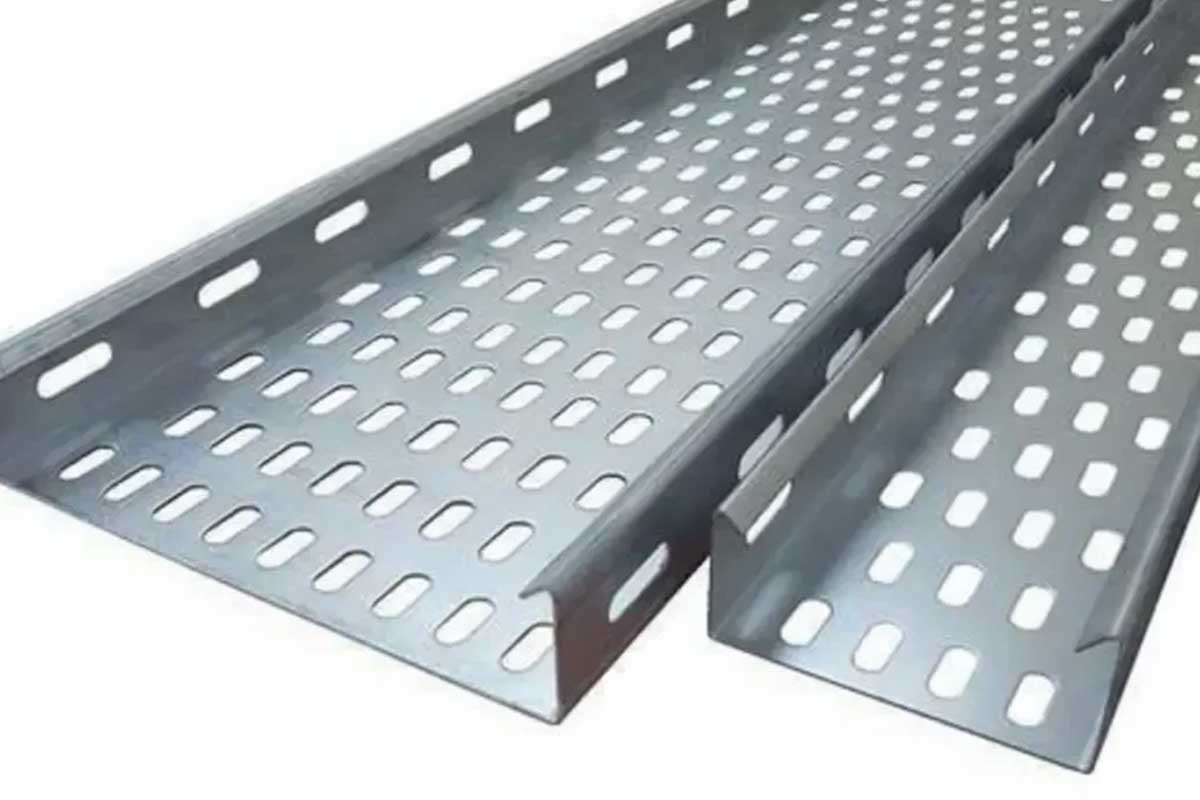
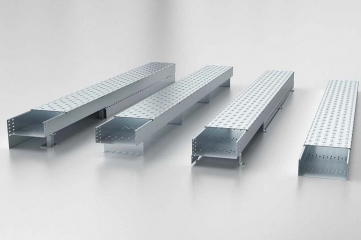
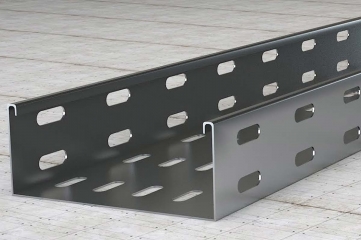
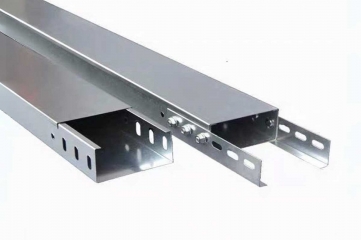
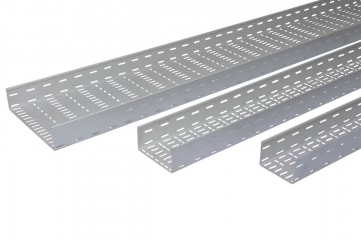
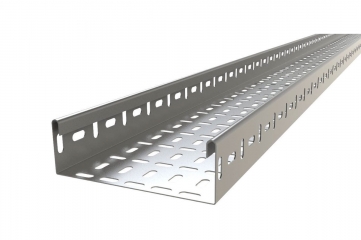
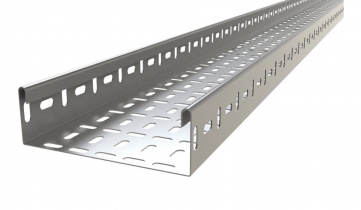
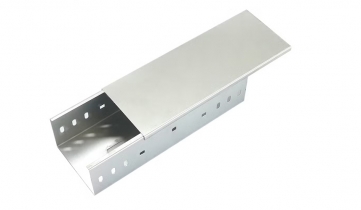
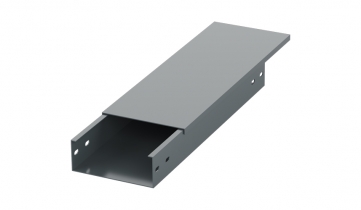
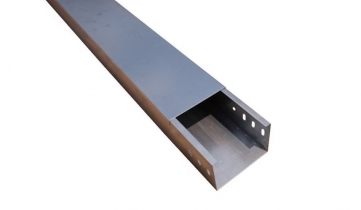
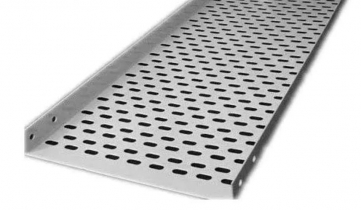
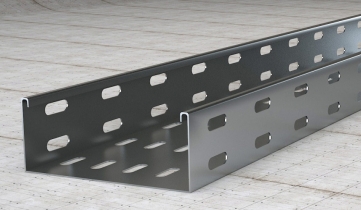
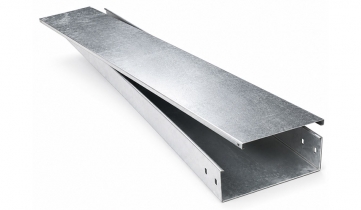
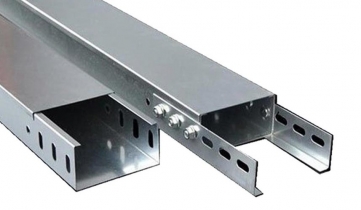
Let's face it, cable management in modern buildings is way more complicated than it used to be. You've got power lines, data cables, control wiring, and who knows what else running everywhere. A Raceway Cable Tray from Super Cable Tray Pvt. Ltd. gives you a smart way to handle all of it. Think of it as a protected highway system for your cables that keeps everything safe and organized. The enclosed structure protects your wires from the havoc that takes place in your factory. If your electrical system is so crucial, you have to take the time to find the best, even if it is not the cheapest, solution.
Walk through any busy facility, and you'll see why exposed cables are a bad idea. The enclosed design protects your wiring from getting bumped, dropped on, or accidentally damaged. Someone driving a forklift or moving equipment around won't even know your cables are there. Dust, moisture, and random debris can't get inside to mess things up either. In places with heavy machinery or lots of people walking around, this protection is absolutely crucial. The solid walls mean your cables aren't just neatly arranged—they're actually protected from real-world hazards. It's like giving your entire electrical system a suit of armor against everyday workplace accidents.
Here's something everyone cares about: how long will this take, and what's it gonna cost? These systems are built so your crew can put them together without needing a PhD. Here's why installation goes smoothly:
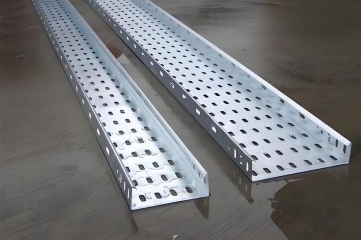
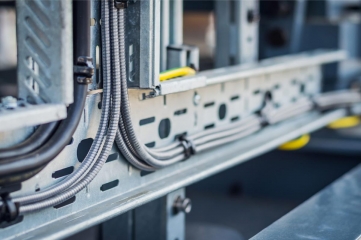
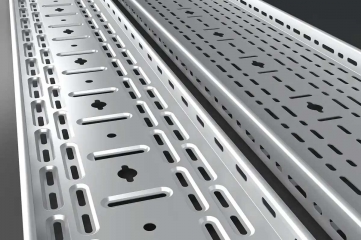
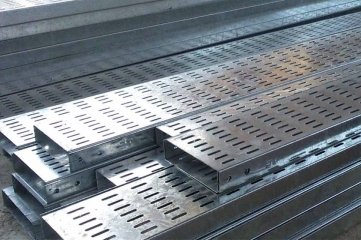
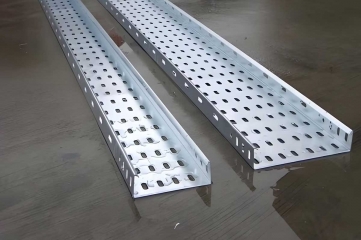
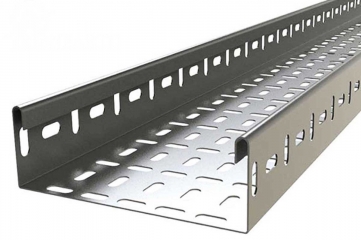
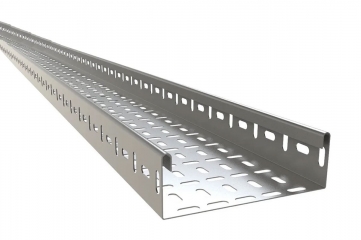
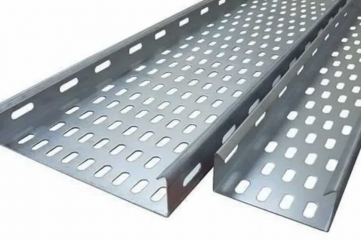
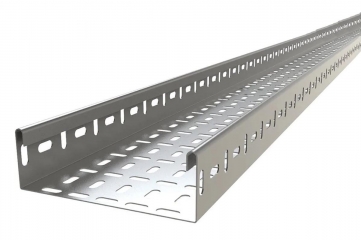
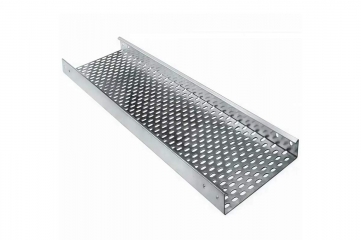
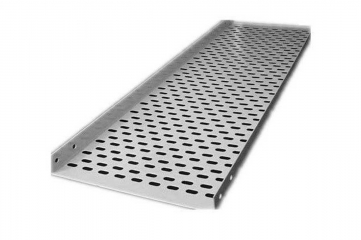
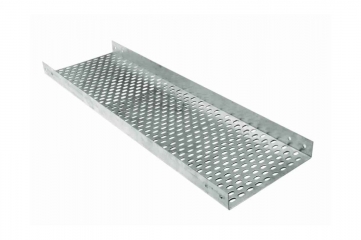
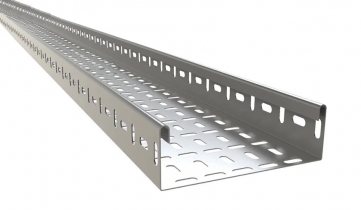
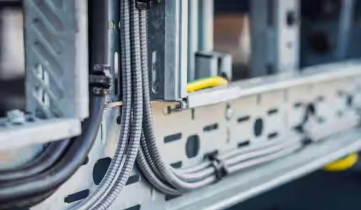
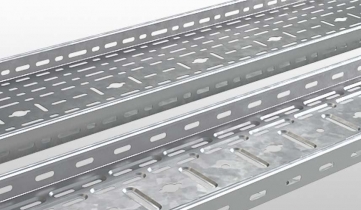
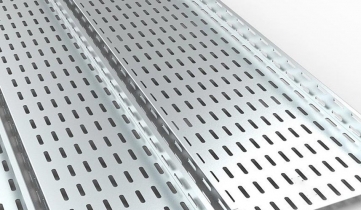
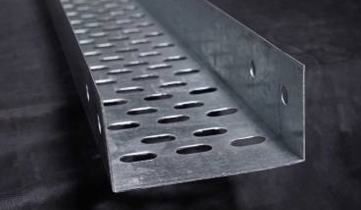
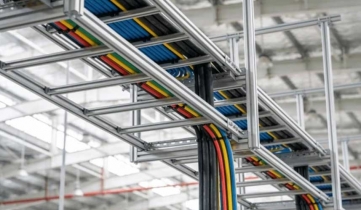
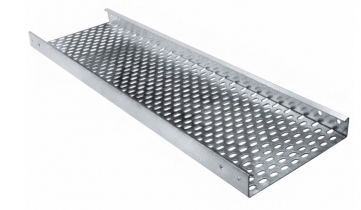
You know what's the worst? You need to add a cable later and discover that your existing setup is a complete disaster. Good cable management is like having a clean garage; you know where everything is when you need it. The enclosed channels keep different cable types separated, so they're not all mixed together. You can run power cables in one area and keep data lines separate to avoid interference problems. When something goes wrong, your technician can get to the right cable without tearing everything apart. Perforated Cable Trays work similarly but give you better airflow for cables that run hot. Being organized means fixing problems fast instead of spending hours just figuring out what's where.
Building inspectors don't mess around when it comes to fire safety, and they shouldn't. These enclosed systems use fire-resistant materials that won't help flames spread if something goes wrong. The design limits airflow, which can actually slow down fire progression during electrical faults. Most cities and states have pretty specific rules about how cable pathways need to be built. Using systems that already meet these standards means you won't fail inspections or need expensive do-overs. Your insurance company probably likes seeing proper cable management, too, since it reduces their risk. When you're putting money into infrastructure, you might as well do it right the first time.
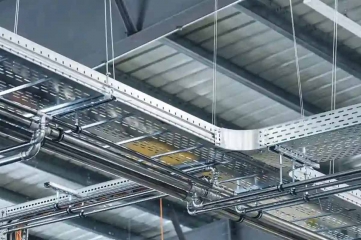
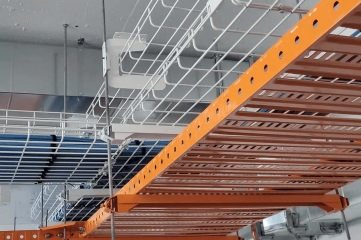
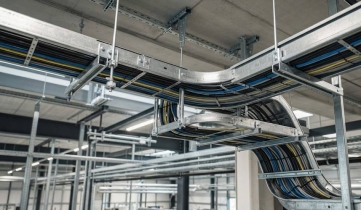
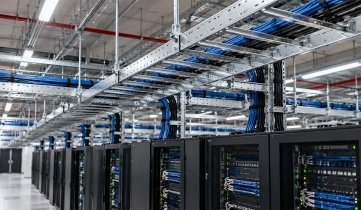
Modern buildings are packed with stuff, ductwork, pipes, electrical, networking, you name it. The compact design lets you protect your cables without hogging all your available space. You can mount these on walls, hang them from ceilings, or tuck them under raised floors. Vertical runs work great when your ceiling and floor space is already maxed out. The slim Cable Tray profile means you're not sacrificing tons of room just for cable management.
Building solid electrical infrastructure is about more than just connecting wires and flipping switches. It's really about creating systems that protect what you've invested in while making life easier day-to-day. The right way to handle cables stops problems before they happen and keeps everything running without drama. From protecting against damage to checking all the safety boxes, quality systems pay you back over and over. As technology keeps changing and facilities keep adding more equipment, having infrastructure you can count on matters even more. Spending the money on proper solutions now beats dealing with expensive emergencies later, trust me on that one.
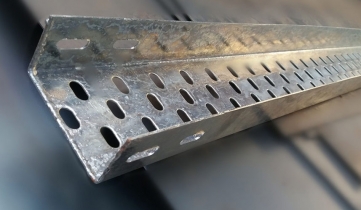
An electrical and communication cable management and organization system known as a cable tray is utilized to accommodate various types of cables, it is typically made of metal, such as aluminum or steel, and is available in a variety of sizes and shapes.
Several advantages of using a cable tray include better cable management, increased safety, and simpler maintenance. In comparison to other conduit systems, cable trays can offer a more effective and affordable solution.
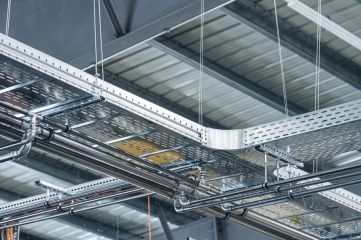
Cable trays can be installed in a number of ways, such as hanging from ceilings, mounting on walls, or using floor stands as support. The installation procedure typically entails cutting and fitting the tray to the required length as well as mounting brackets, supports, and hardware.
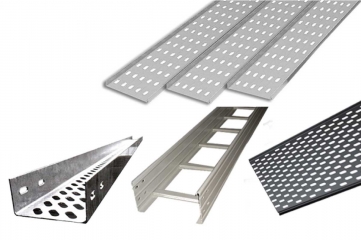
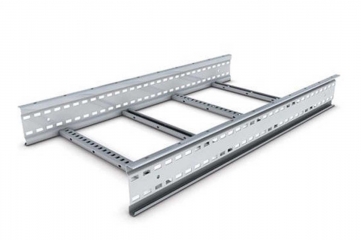
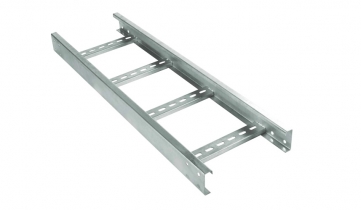
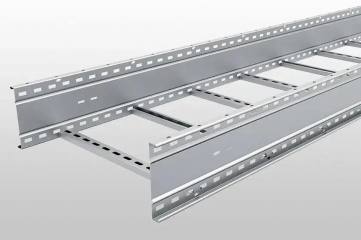
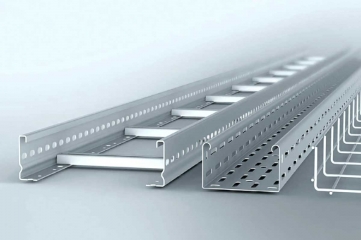
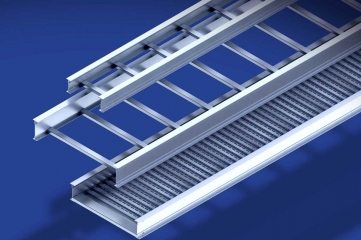
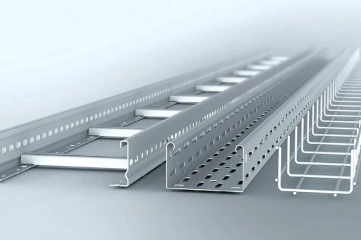
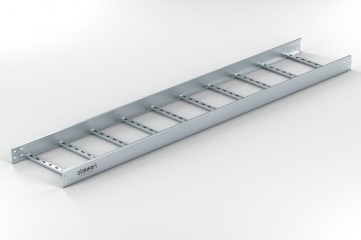
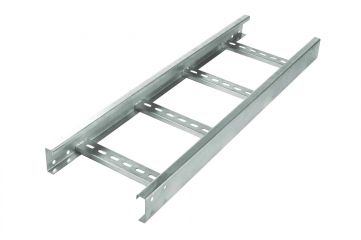
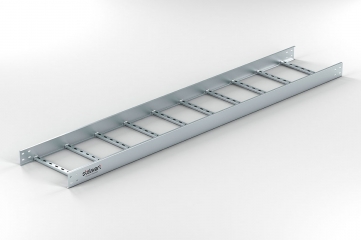
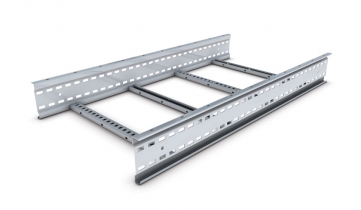
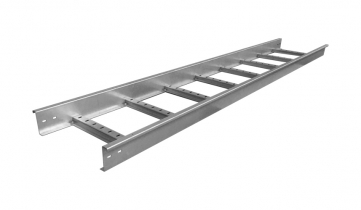
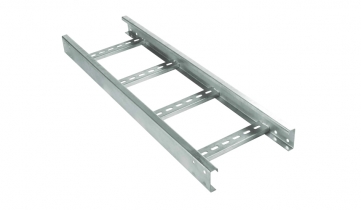
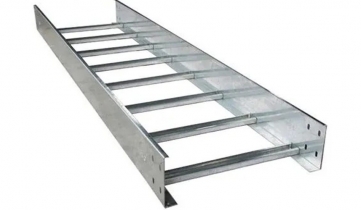
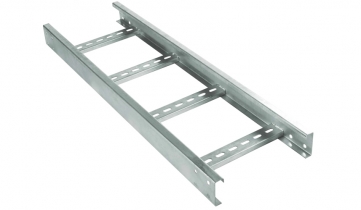
The term cable tray refers to a variety of different products, some of which include a ladder, ventilated bottom, solid bottom, wire mesh, and trough. Each variety of tray is constructed to work with a distinct set of cable arrangements and applications.
When choosing a cable tray, it is essential to take into consideration a variety of factors, including the weight and dimensions of the cables, the setting in which they will be installed, and any applicable codes and standards. It is essential to take into account the particular necessities of the project, such as the cable capacity, accessibility, and ease of installation, among other things.
The answer is yes some cable trays are constructed with fire-retardant materials. Cable trays designed to withstand fire are typically fabricated from materials like galvanized steel or stainless steel, and they are coated with materials designed to withstand fire.