Call Us on







Call Us on
Ever tried tracing a faulty wire in a jungle of tangled cables? It is like finding an electric eel. Frustrating, risky, and not fun. That, in workplaces, costs one time more than patience, but it can drain money budgets much faster than you can say "short circuit." So, choosing the right support system has become less "where do we put the cables?" and more "how do we keep costs down for years to come?" A reliable installation is not just where wires dangle. What these Cable Trays mean is that they are a prudent instrument of protection, organization, and, most of all, assets in the long term.
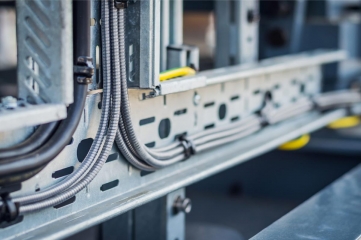
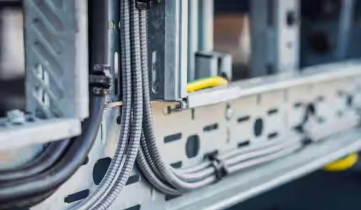
Disorganized wiring leads to increased repair times, frequency of fault occurrence, and higher maintenance costs. When cables are properly routed through an organized support system, technicians can easily gain access to the wiring, trace down the source of the problem without wasting precious hours untangling or tracing wires through this messy setup, and finally tackle the problem. Organized pathways also help prevent unnecessary forces and bends in the cables, which can damage the insulation and outages. This resulted in fewer service interruptions and time for troubleshooting. Over months, even years, this arrangement accounted for savings on repair and downtime costs.
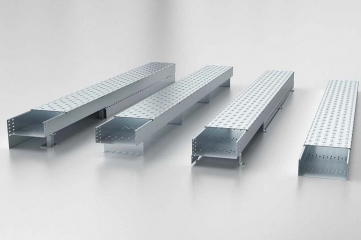
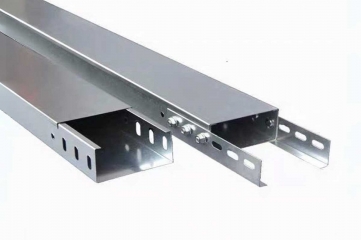
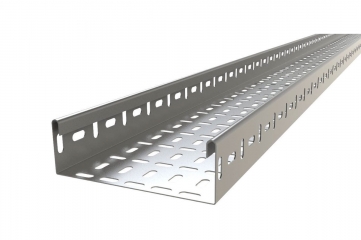
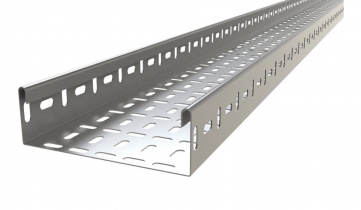
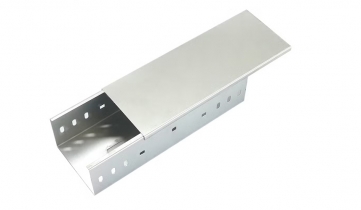
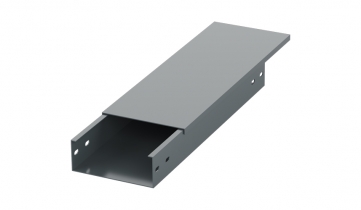
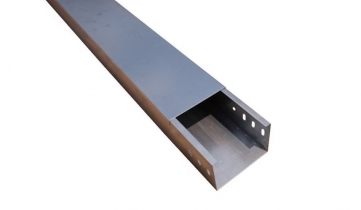
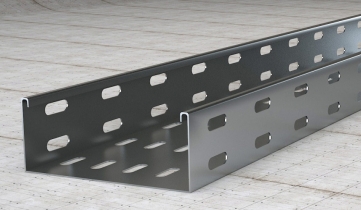
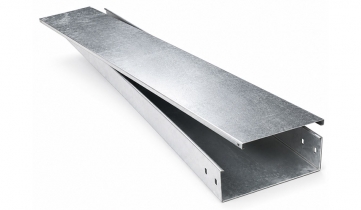
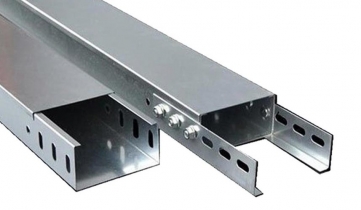
Moisture, dust, and fluctuating temperatures are common elements that a cable might encounter, not to mention the chemical environment that could affect its service life. A well-designed support solution, such as Raceway Cable Trays by Super Cable Tray Pvt. Ltd., provides a protective enclosure that keeps cables away from the damaging factors mentioned. With thinning, abrasion, and insulation deterioration, all can be minimized by that additional barrier. By avoiding exposure to threats, extending the electrical system's lifetime, reducing the number of replacements and emergencies, and having longer periods when the system can be relied on to work with dependability and save money.
Whenever a facility undergoes growth or advancement in technology, higher electrical demands will follow. The cable support system, being reliable from the inception, prepares the grounds for future expansion that is easier and cheaper. Modular and scalable designs enable new cables with virtually no reconstruction or support for expensive retrofitting. This even saves dollars during expansion but ensures that the infrastructure will be well-fit to meet future requirements without disrupting existing systems. In terms of industries having rapid high growth, this becomes a significant long-term cost advantage.
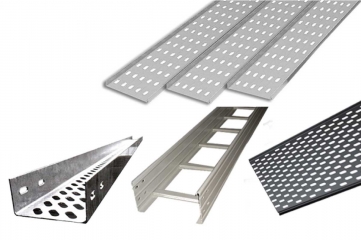
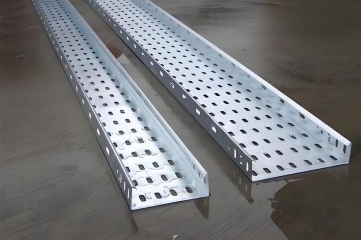
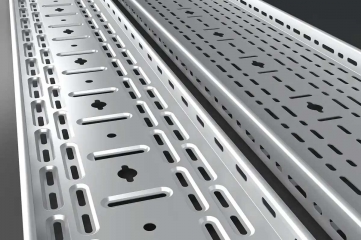
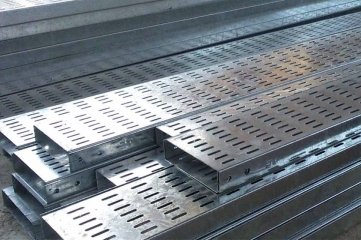
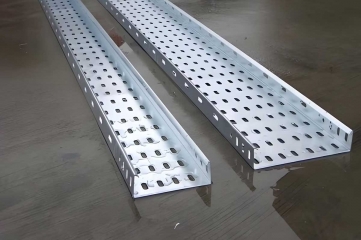
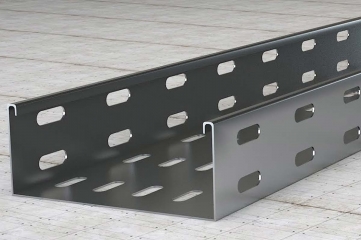
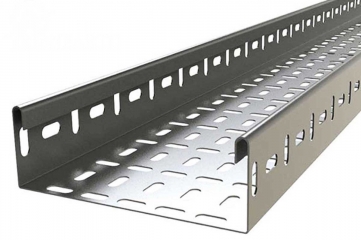
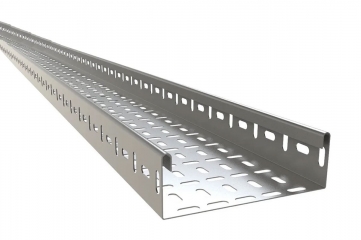
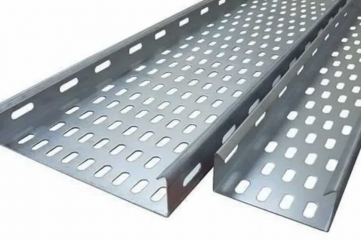
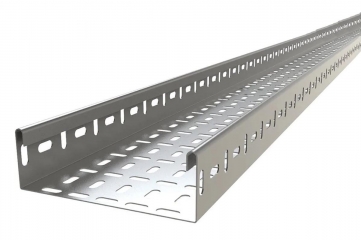
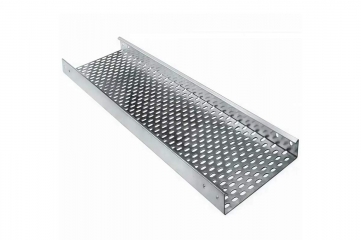
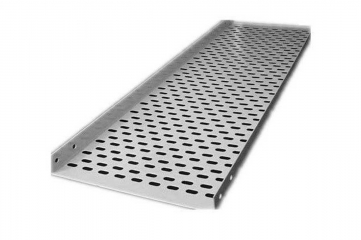
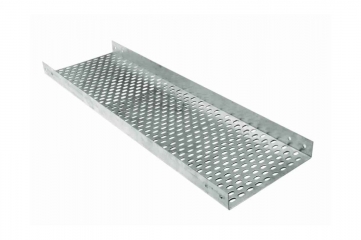
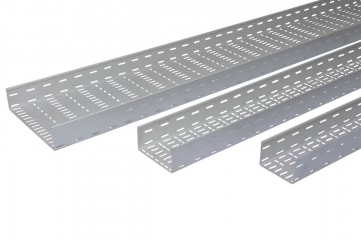
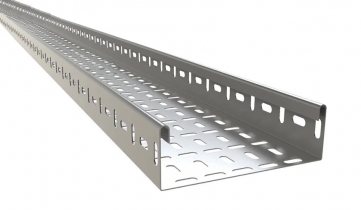
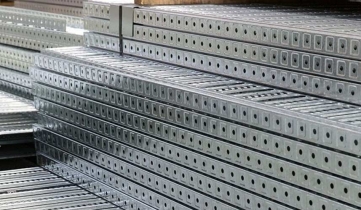
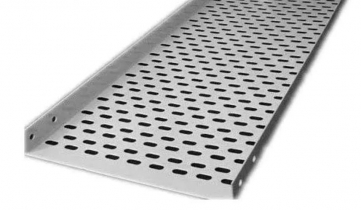
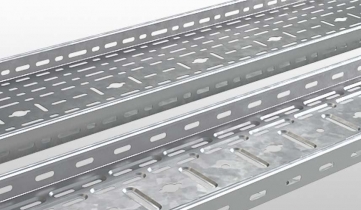
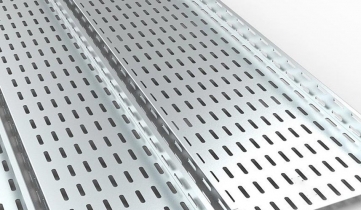
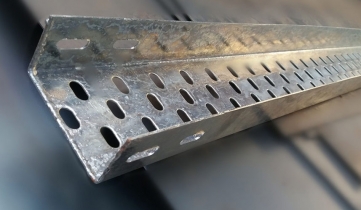
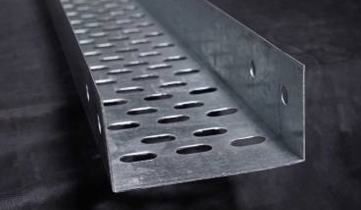
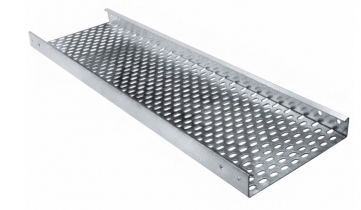
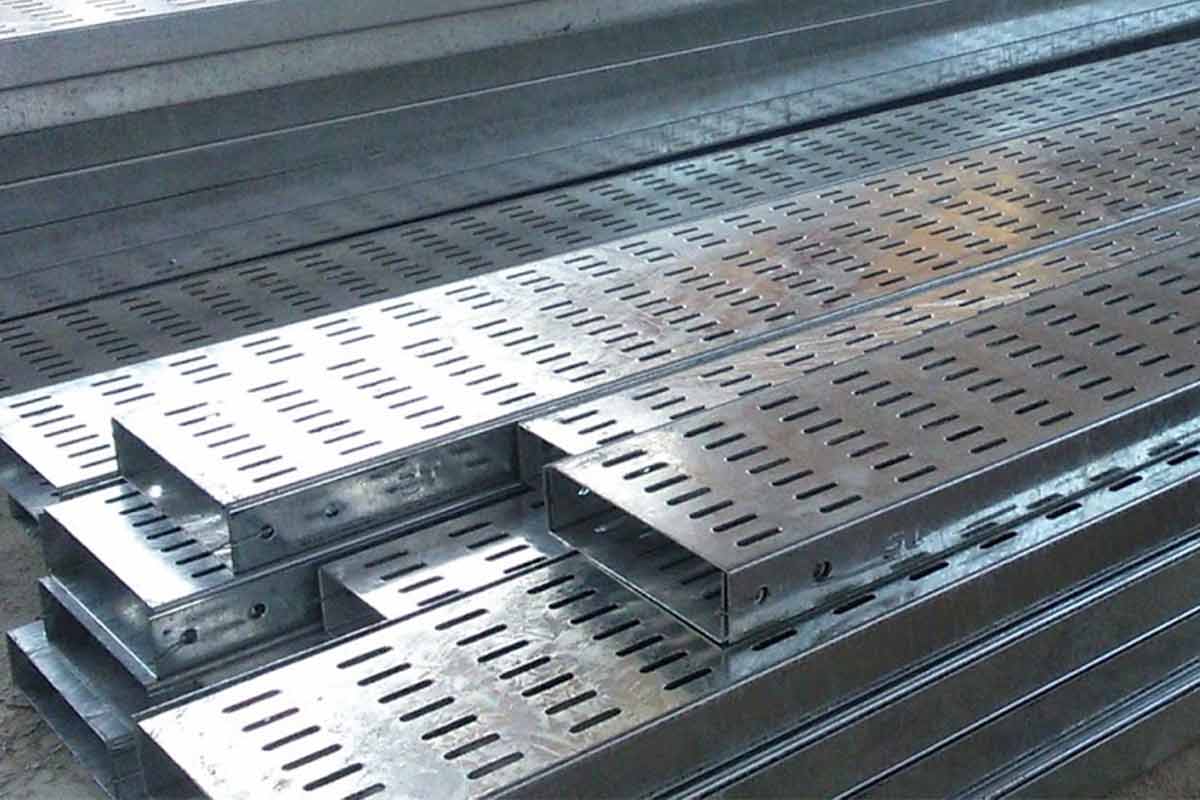
Two factors determine the way a cable flows: the cable’s dimensions and the length of the cable. Open but solid construction, such as Gi Perforated Cable Trays, permits easy accessibility for technicians—the substitute allows the cable to be easily identified, replaced, or redirected without opening broad areas of the installation. The time factor involved and the resolution of faults will subsequently be lower, also reducing the cost of downtime effects. Add in the quicker fixes, and there's less loss of productivity during redundant procedures, which matters a lot in facilities where productivity is wired directly to their continuity.
Neglecting or poorly maintaining wired systems presents safety hazards, causing electrical fires, short circuits, and even total malfunctioning of the system. With these lockouts, the total costs incurred due to repairs would run in the millions, alongside horrific penalties, legal implications, and other damages to a company's reputation. A compliant cabling support system mitigates risks by providing wired systems with protection and order. An establishment with such a system is likely to remain in compliance with various industry standards and safety regulations while avoiding fines, liability, and expensive emergency responses.
Proper installations are more than just holding cables; they protect your investment, cause minimal future intervention, and are flexible enough for future modifications. Organizing, protecting, and making wiring accessible will reduce the frequency and costs of repairs due to environmental destruction and generally ensure that scalability continues smoothly. So, whether you use encased systems, such as Raceway Cable Trays, or open designs like Gi Perforated Cable Trays, it communicates a clear message: money spent today means a lot more in savings tomorrow. Think even farther than just supporting lines; think about supporting a bottom line year after year.
An electrical and communication cable management and organization system known as a cable tray is utilized to accommodate various types of cables, it is typically made of metal, such as aluminum or steel, and is available in a variety of sizes and shapes.
Several advantages of using a cable tray include better cable management, increased safety, and simpler maintenance. In comparison to other conduit systems, cable trays can offer a more effective and affordable solution.
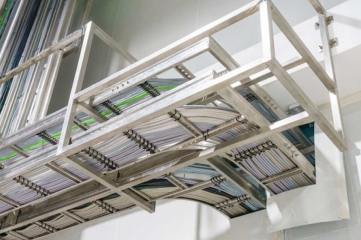
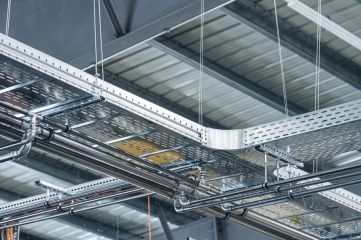
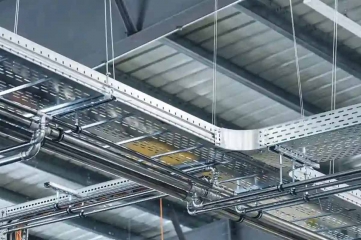
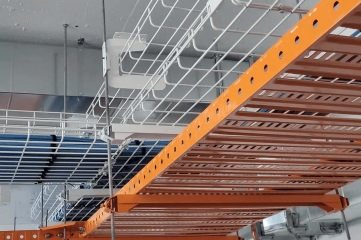
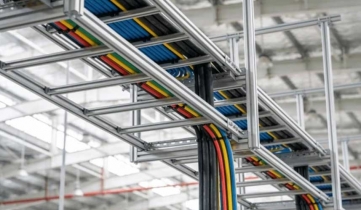
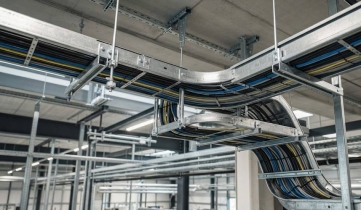
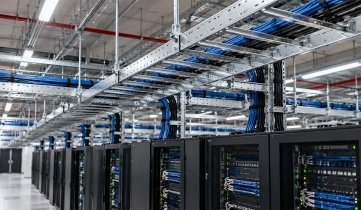
Cable trays can be installed in a number of ways, such as hanging from ceilings, mounting on walls, or using floor stands as support. The installation procedure typically entails cutting and fitting the tray to the required length as well as mounting brackets, supports, and hardware.
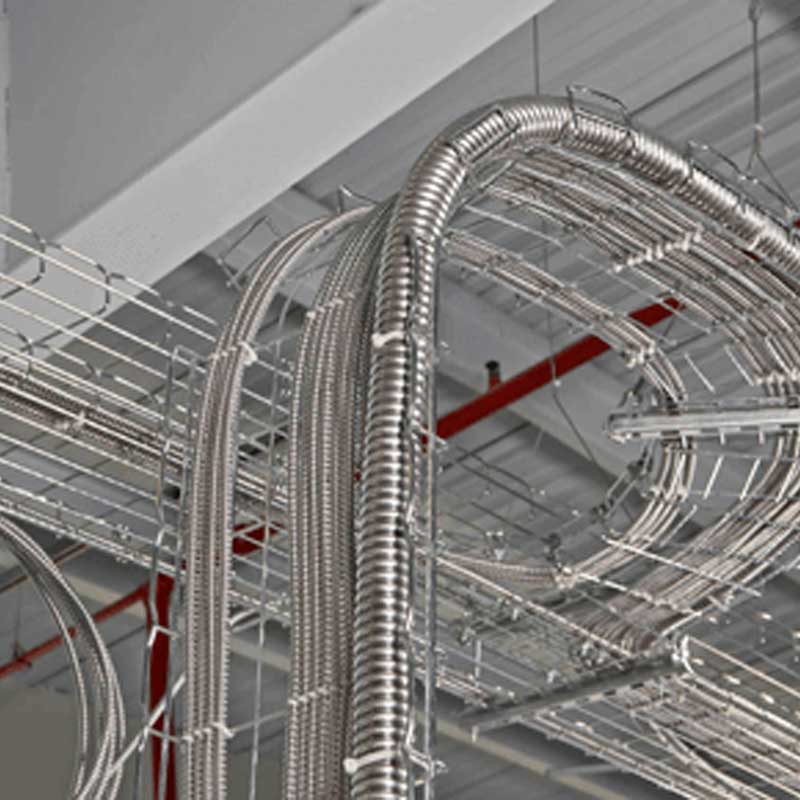
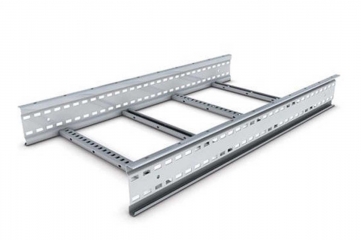
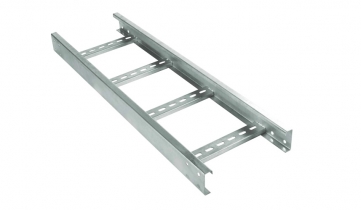
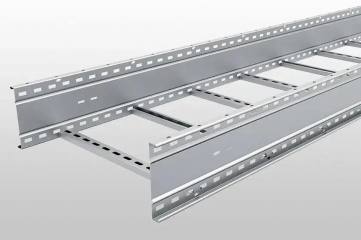
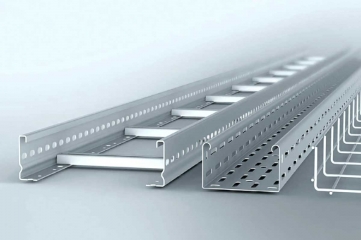
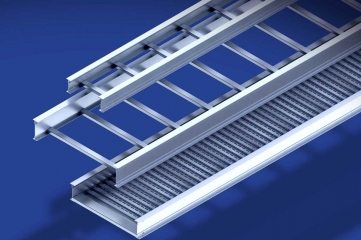
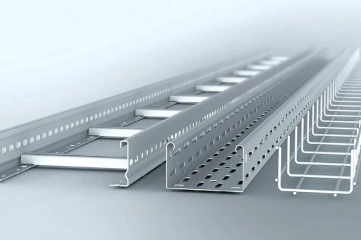
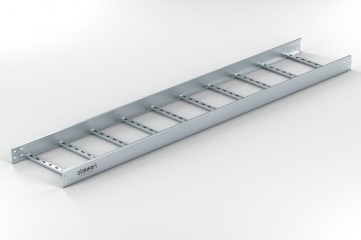
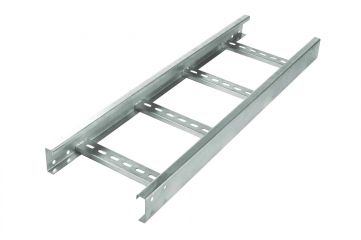
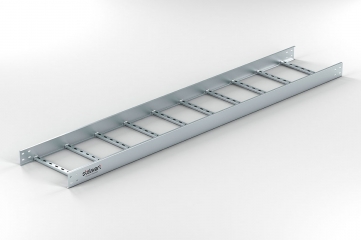
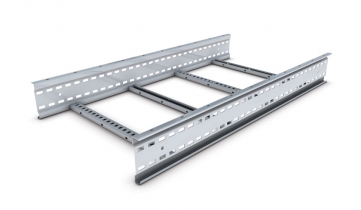
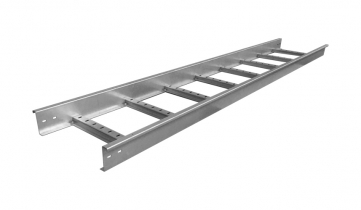
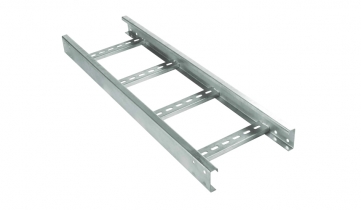
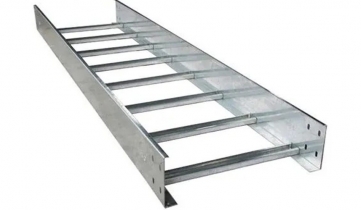
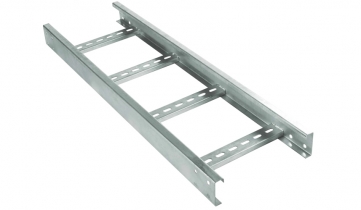
The term cable tray refers to a variety of different products, some of which include a ladder, ventilated bottom, solid bottom, wire mesh, and trough. Each variety of tray is constructed to work with a distinct set of cable arrangements and applications.
When choosing a cable tray, it is essential to take into consideration a variety of factors, including the weight and dimensions of the cables, the setting in which they will be installed, and any applicable codes and standards. It is essential to take into account the particular necessities of the project, such as the cable capacity, accessibility, and ease of installation, among other things.
The answer is yes some cable trays are constructed with fire-retardant materials. Cable trays designed to withstand fire are typically fabricated from materials like galvanized steel or stainless steel, and they are coated with materials designed to withstand fire.