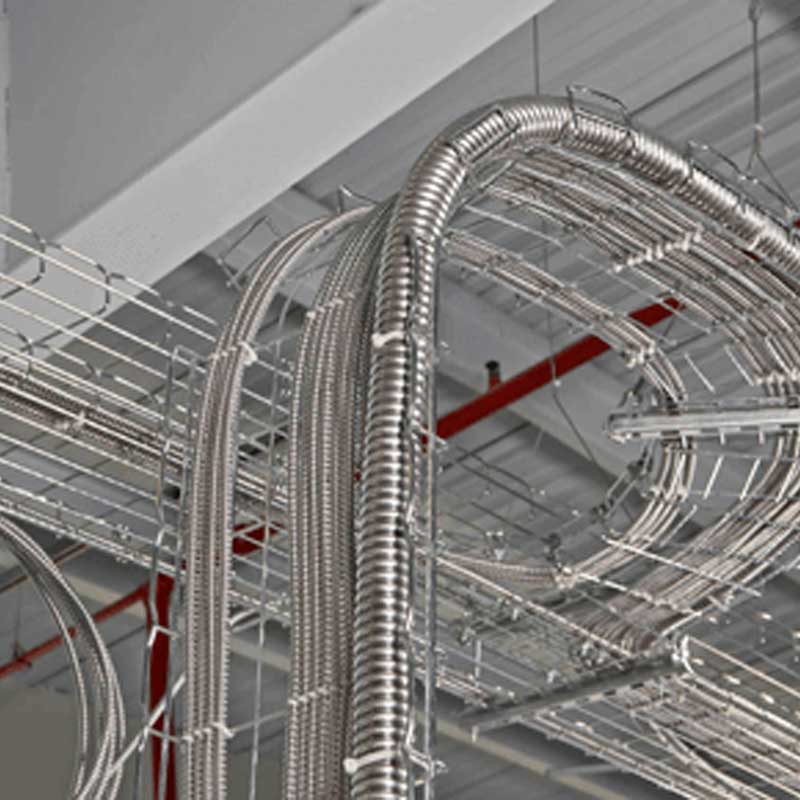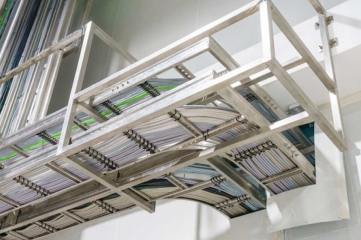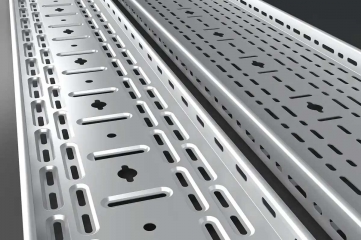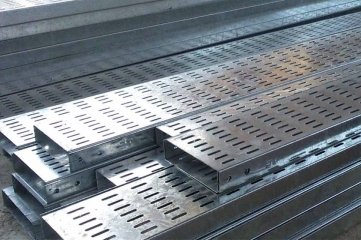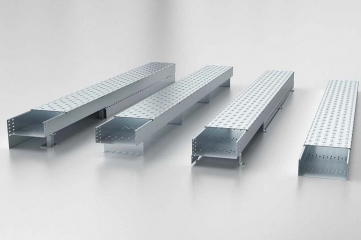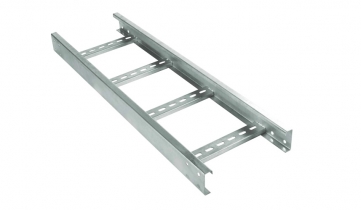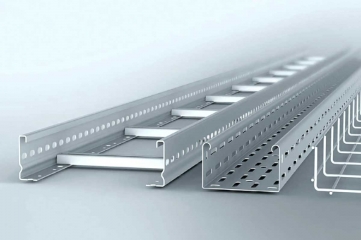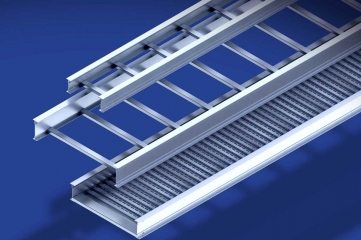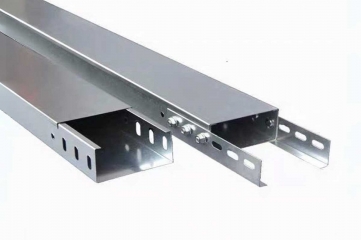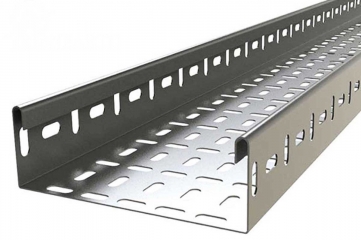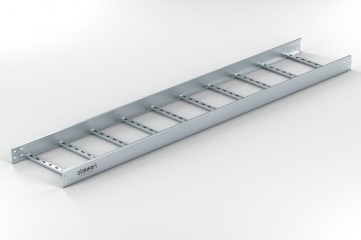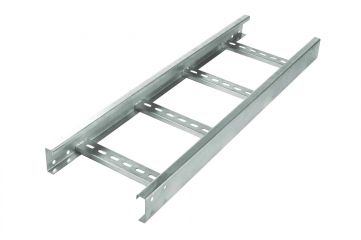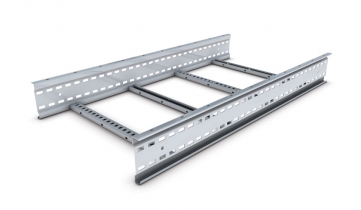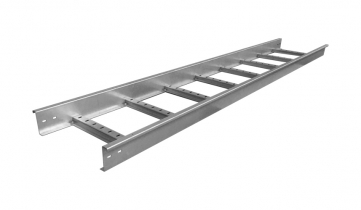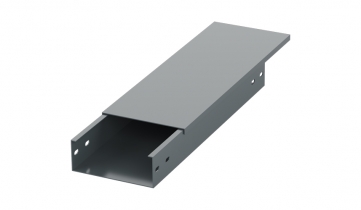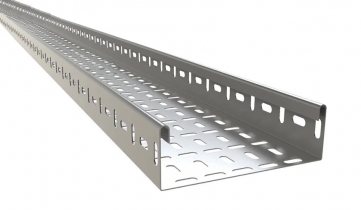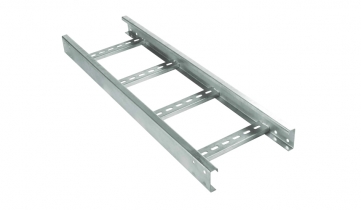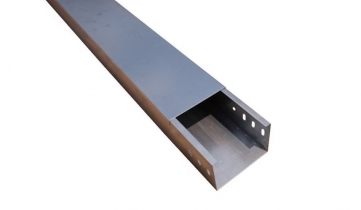





With the modern infrastructure comes a need for a cable management system that can efficiently, safely, and flexibly handle cables. When technology and industries advance rapidly, the way cables are organized, supported, and protected directly affects the operational effectiveness of all these systems. Out of all systems available, Ladder Cable Trays are the best option for many installations today due to their strength, their design features, and all the practical benefits they provide.
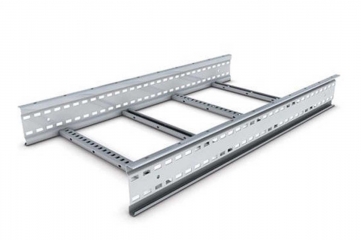
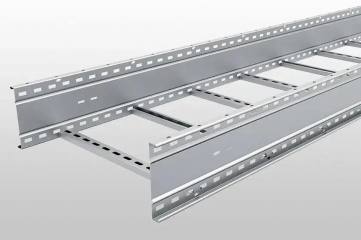
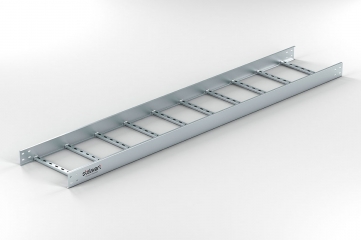
Such trays, which have gained immense popularity, in fact, are the very best features that open up space for heavy cable loading without bending or warping under load. Its robust structure makes it perfectly suited to power plants, data centers, commercial complexes, and industries requiring thousands of meters of wiring to remain solid. Unlike other options, the design survives even in high-demand settings, providing long-lasting strength. In short, ladder trays are a solution that is not only sufficient for present needs but can easily be modified to accommodate future cable demands.
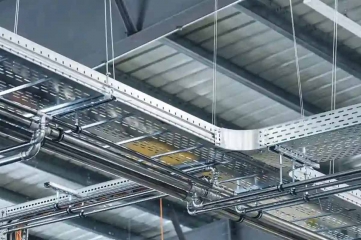
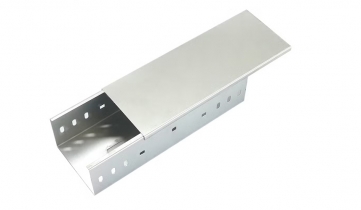
Performance usually fades into irrelevance until a system gets an overhaul or troubleshooting. Open design ladder trays allow a technician to access, repair, or change cables without tearing apart the entire setup. This saves time and ensures an uninterrupted workflow during times when there is no room in the industry for hanging around without workflow. Ladder trays are comparatively more maintenance-friendly, unlike these closed alternatives, such as Raceway Cable Tray systems provided by Super Cable Tray Pvt. Ltd, which implies more stress and inefficiencies in repair operations.
Cable safety comes first, especially in heavy-duty applications when wires are permanently under stress. Ladder trays are designed in a way that no heat gets built up; therefore, they are able to sustain the performance of the cables throughout their lifetime. Thus, reducing heat is crucial to avoid insulation damage or failure of the entire system. Ventilation alone makes ladder trays much more reliable than all closed systems, where heat is trapped and very often jeopardizes the integrity of the cable.
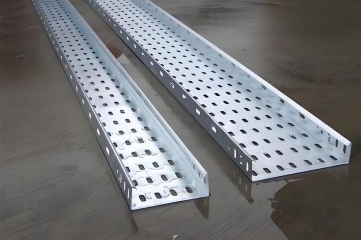
Though strong, built, and long-lasting ladder trays are also a balance between low cost and performance. According to most other alternatives that demand high-strenuous work, this form of installation is much shorter and requires less labor. Scalability is another important point where these trays allow organizations to expand their cable networks without any added complexity. Such trays are much lighter and flexible in design and generally favored in cost-sensitive environments that still prioritize reliability, although the more commonly used and cliometric preferred Galvanized Cable Trays are among the most relied-upon products.
The global preference for ladder trays is backed by their adoption in industrial, commercial, and technological sectors. They present performance, safety, and adaptability-a hallmark of demanding environments. We assure quality Trays manufactured to strict performance metrics trusted by several industries as a result of their durability and efficiency. Choosing a proven manufacturer strongly reinforces the confidence given by industries in their cable infrastructure, as well as deepens the assurance that an industry is getting a system based on long-term performance and safety considerations.
The efficiency of these trays makes them very competitive in a market that must have performance and safety seamlessly jiving with cost management. Such a durable system supports a large amount of cable runs; easy maintenance is designed to reduce the risks of overheating, both critical aspects of operational safety. The cost-effective and hyperflexible embodiments generally outperform most closed systems available in the market today. Be it for industrial plants or technology hubs, or simply growing businesses, ladder trays are at the forefront of proven and practical solutions in assuring reliable cable management systems over the years to come.
An electrical and communication cable management and organization system known as a cable tray is utilized to accommodate various types of cables, it is typically made of metal, such as aluminum or steel, and is available in a variety of sizes and shapes.
Several advantages of using a cable tray include better cable management, increased safety, and simpler maintenance. In comparison to other conduit systems, cable trays can offer a more effective and affordable solution.
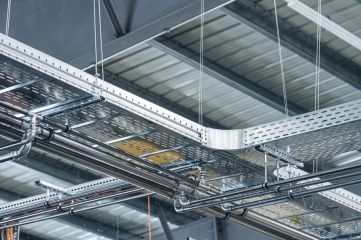
Cable trays can be installed in a number of ways, such as hanging from ceilings, mounting on walls, or using floor stands as support. The installation procedure typically entails cutting and fitting the tray to the required length as well as mounting brackets, supports, and hardware.
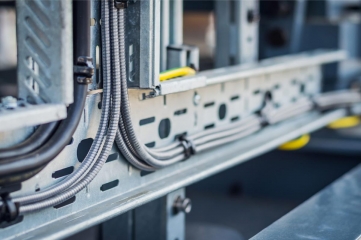
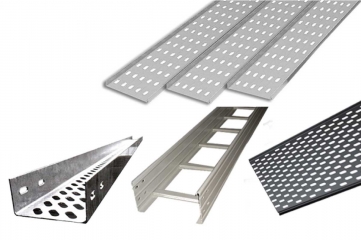
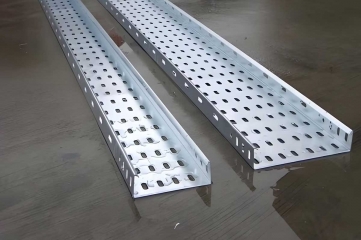
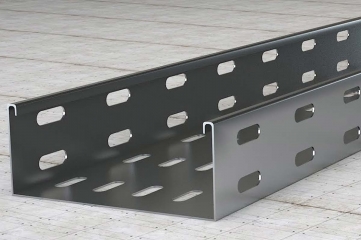
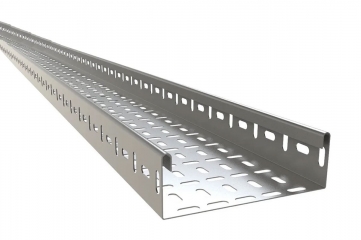
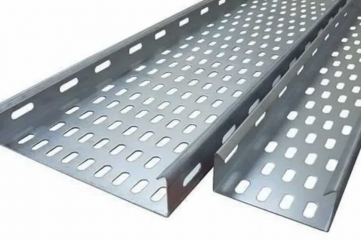
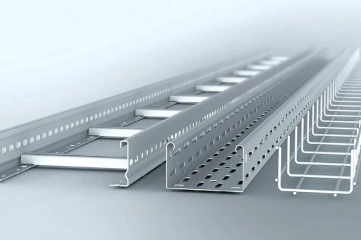
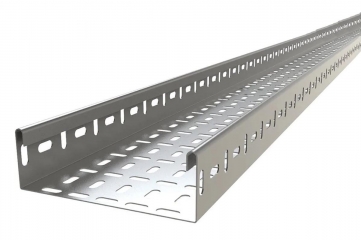
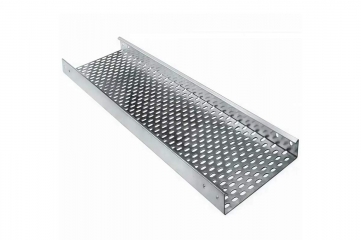
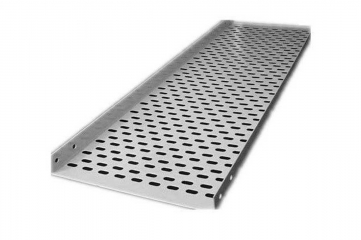
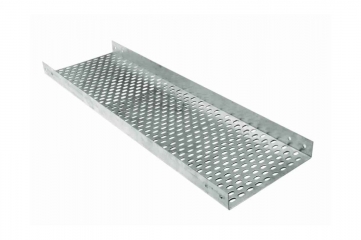
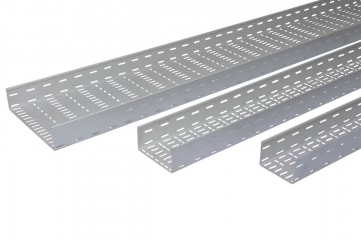
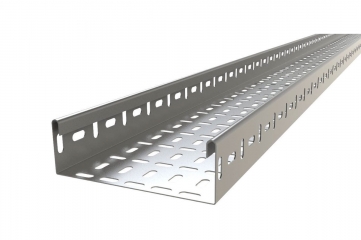
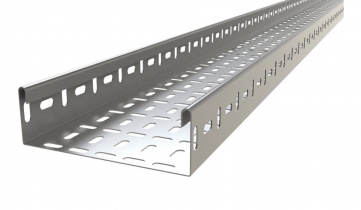
The term cable tray refers to a variety of different products, some of which include a ladder, ventilated bottom, solid bottom, wire mesh, and trough. Each variety of tray is constructed to work with a distinct set of cable arrangements and applications.
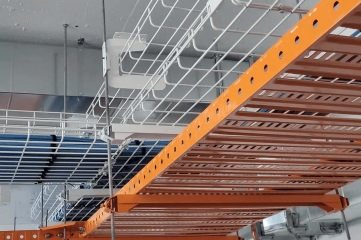
When choosing a cable tray, it is essential to take into consideration a variety of factors, including the weight and dimensions of the cables, the setting in which they will be installed, and any applicable codes and standards. It is essential to take into account the particular necessities of the project, such as the cable capacity, accessibility, and ease of installation, among other things.
The answer is yes some cable trays are constructed with fire-retardant materials. Cable trays designed to withstand fire are typically fabricated from materials like galvanized steel or stainless steel, and they are coated with materials designed to withstand fire.