Call Us on







Call Us on
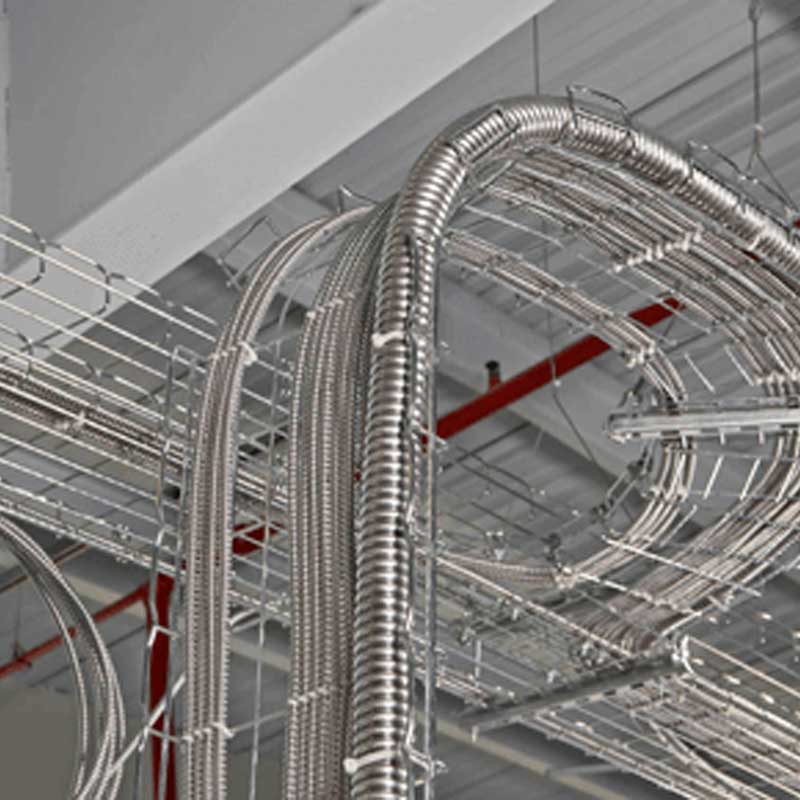
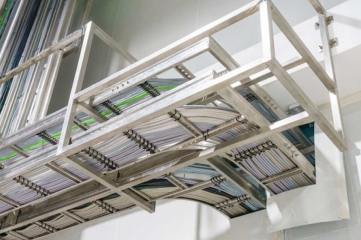
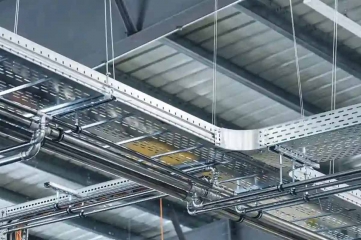
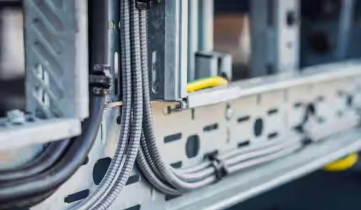
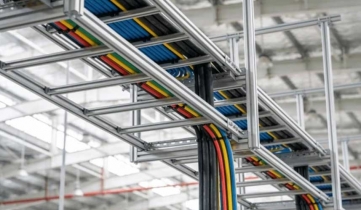
Walking into a high-capacity manufacturing plant or a sprawling power station feels like entering a living organism, but it is the invisible network of wires that keeps the pulse steady. Managing those miles of electrical lines requires much more than just a few heavy-duty zip ties; it demands a structural backbone that can take a beating. A professional Cable Tray setup from Super Cable Tray Pvt. Ltd. serves as that backbone, providing a dedicated highway that lifts sensitive lines off the oily shop floor and away from the chaos of forklifts and foot traffic. It isn’t just about making the facility look organized for a client tour; it is a fundamental engineering move that directly impacts the thermal performance and longevity of your entire electrical grid.
Safety isn't just a poster in the breakroom; it’s a tangible result of how you manage your physical space. Elevated tray systems remove these hazards entirely, keeping the walking paths clear and ensuring high-voltage lines are well out of reach. Furthermore, high-quality metal trays are naturally grounded, providing an extra layer of protection against static buildup and potential short circuits. By containing the wires in a dedicated, grounded metal path, you significantly lower the risk of arc flashes, especially in facilities dealing with sensitive industrial gases or fine dust.
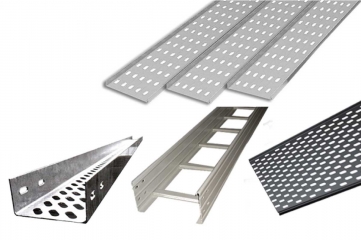
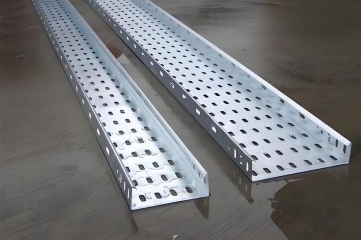
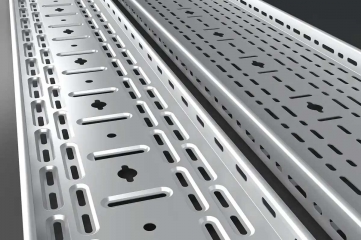
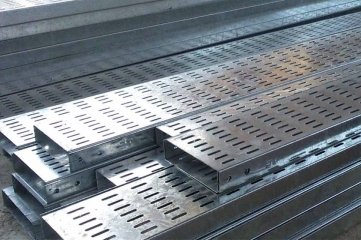
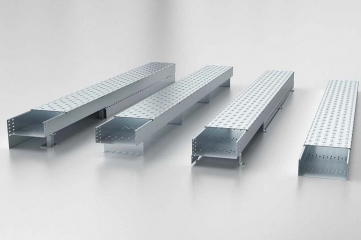
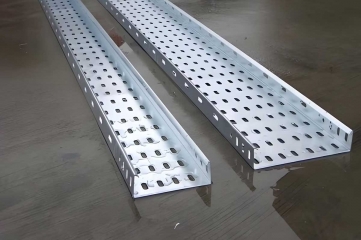
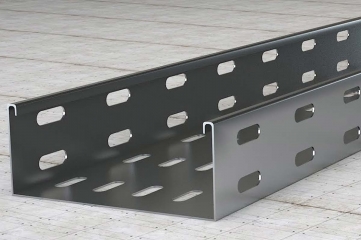
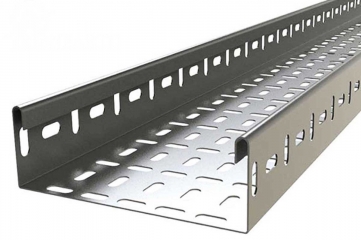
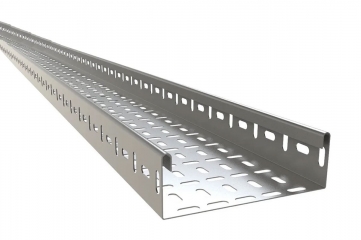
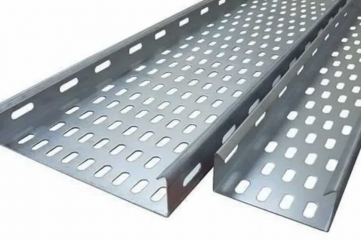
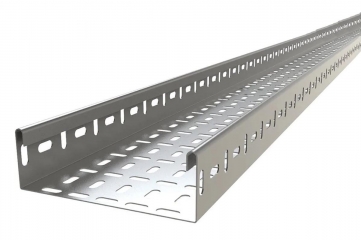
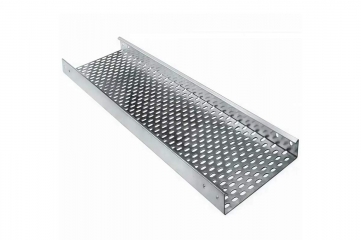
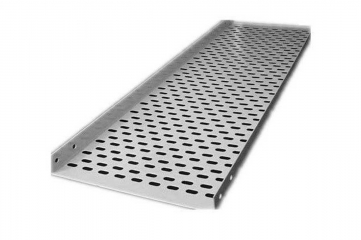
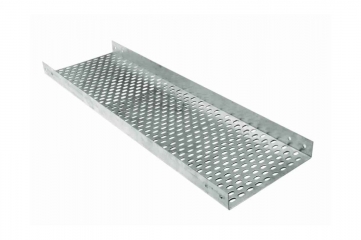
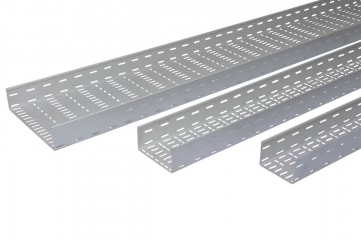
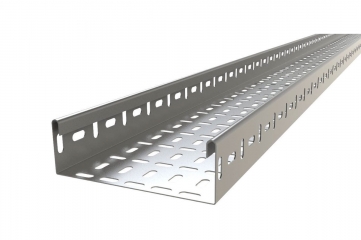
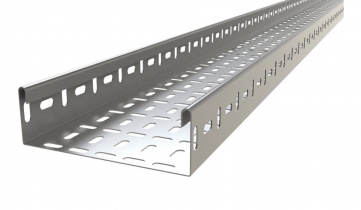
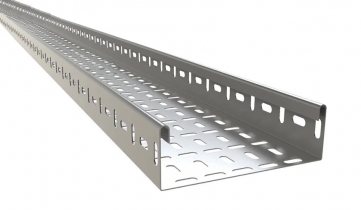
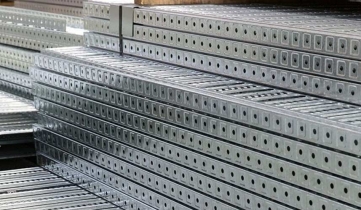
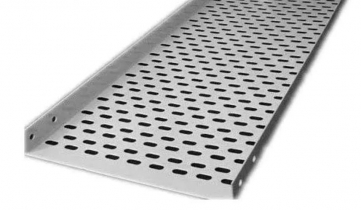
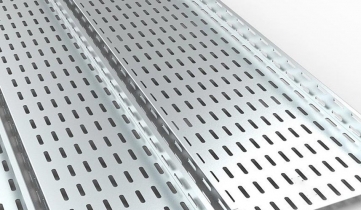
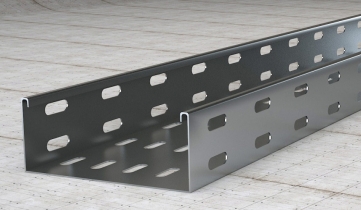
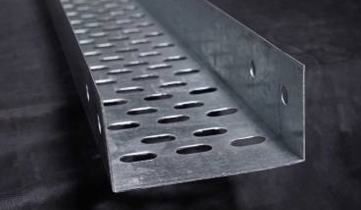
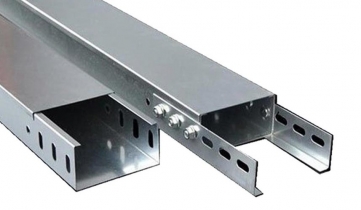
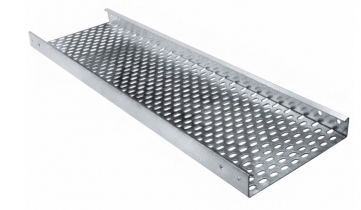
Heat is the silent predator of electrical efficiency, yet it’s often the most overlooked factor in industrial wiring. When high-voltage cables are stuffed into traditional pipes or tight conduits, they act like a thermal blanket, trapping energy and causing insulation to bake and eventually fail. By utilizing Perforated Cable Trays, you allow air to circulate freely around every conductor, dissipating heat naturally and letting the cables run at their full intended capacity.
Ask any electrician what their biggest headache is, and they’ll probably describe trying to "fish" a new wire through three hundred feet of dark, curved pipe. In the industrial world, time is the most expensive thing you own, and the transparency of a tray system is a massive cost-saver. This visibility also makes it incredibly easy to trace a specific line from the breaker to the machine, cutting out the "guesswork" that often leads to accidental disconnects and expensive troubleshooting sessions during a midnight crisis.
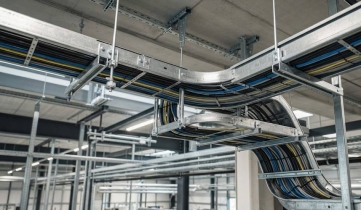
In an era of rapid automation, your infrastructure needs to be as agile as your software. A rigid, closed-off wiring system is a dead end that forces you to spend a fortune on retrofitting every time a new robotic arm is added to the floor. Cable trays are essentially modular; they can be extended, branched off, or rerouted with simple mechanical fasteners. This "Lego-like" flexibility means that as your industrial project grows from a small assembly line to a full-scale automated facility, your cable management system evolves alongside it.
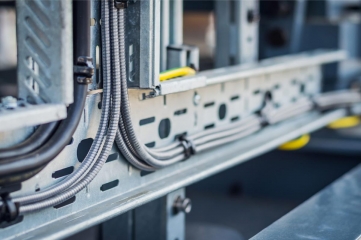
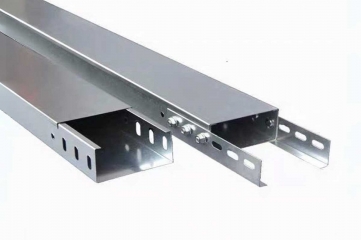
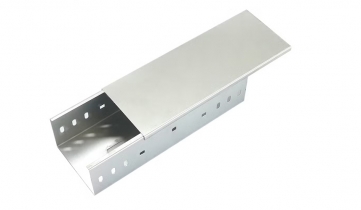
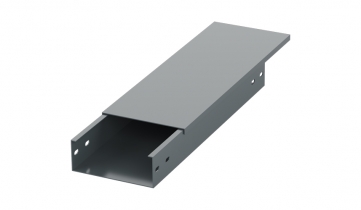
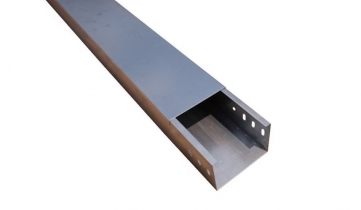
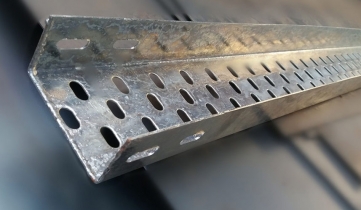
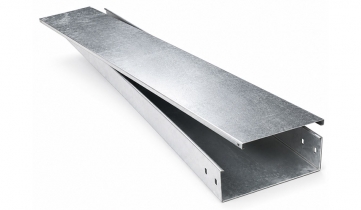
Shop floors are notoriously rough, forklifts zip around, motors vibrate constantly, and the occasional chemical spill is just part of the Tuesday routine. A robust Raceway Cable Tray provides a semi-enclosed, protective corridor that shields sensitive data lines and control cables from external impacts while still maintaining the flexibility to swap circuits as your tech evolves. Unlike rigid piping that requires a specialized crew just to make a simple turn, these raceways offer a balanced approach, giving you the "armored" protection of a conduit with the modular ease of an open system. It’s the perfect sweet spot for facilities that need a bit more physical defense against the grit and grime of a heavy-duty production line.
When the final bolt is tightened and the facility hums to life, the true value of your cable management strategy becomes clear through what you don't see, you don't see smoke, you don't see frayed wires, and you don't see maintenance crews working overtime to fix a "mystery" power surge. Investing in a professional-grade tray system is the hallmark of a project that values long-term stability over short-term shortcuts. It is the invisible insurance policy that protects your machinery, your data, and your people from the chaotic nature of industrial energy.
An electrical and communication cable management and organization system known as a cable tray is utilized to accommodate various types of cables, it is typically made of metal, such as aluminum or steel, and is available in a variety of sizes and shapes.
Several advantages of using a cable tray include better cable management, increased safety, and simpler maintenance. In comparison to other conduit systems, cable trays can offer a more effective and affordable solution.
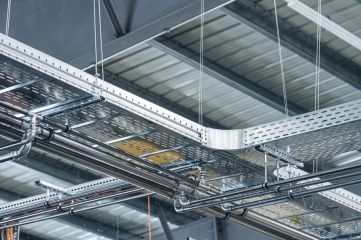
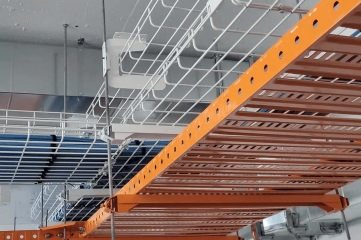
Cable trays can be installed in a number of ways, such as hanging from ceilings, mounting on walls, or using floor stands as support. The installation procedure typically entails cutting and fitting the tray to the required length as well as mounting brackets, supports, and hardware.
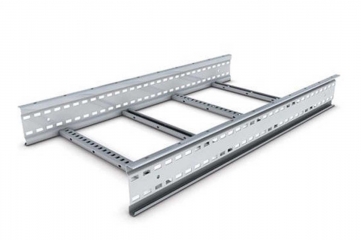
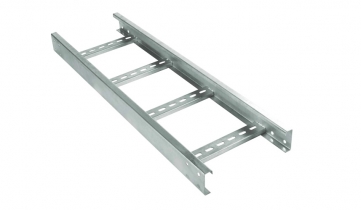
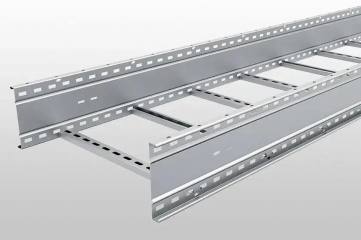
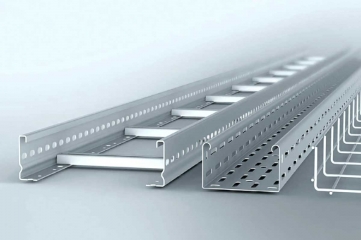
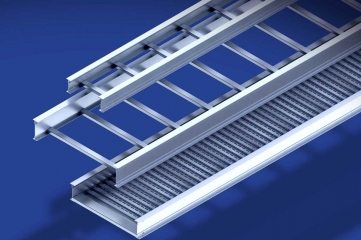
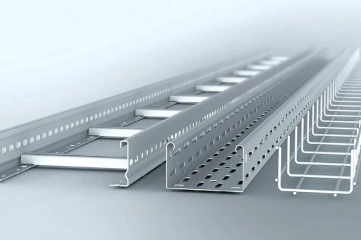
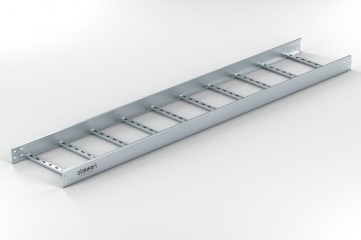
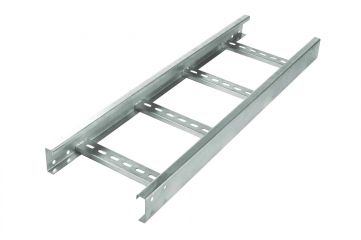
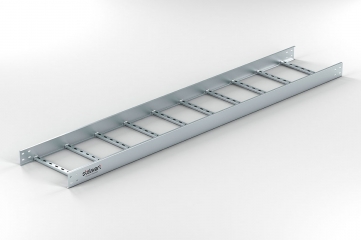
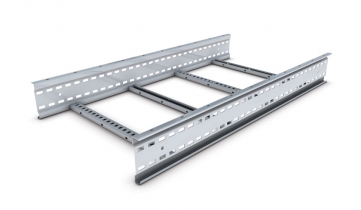
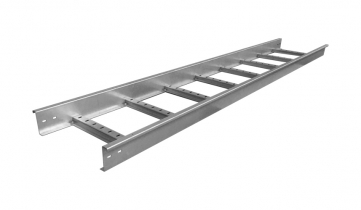
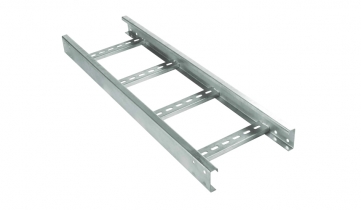
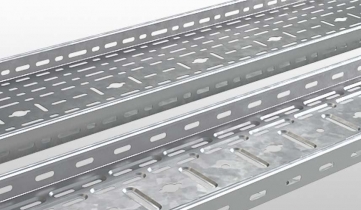
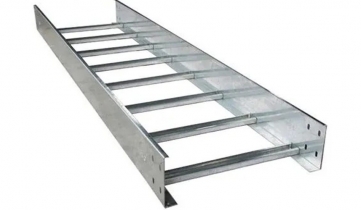
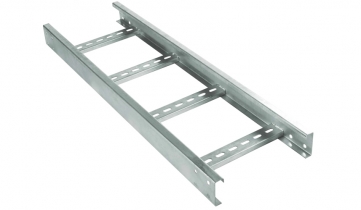
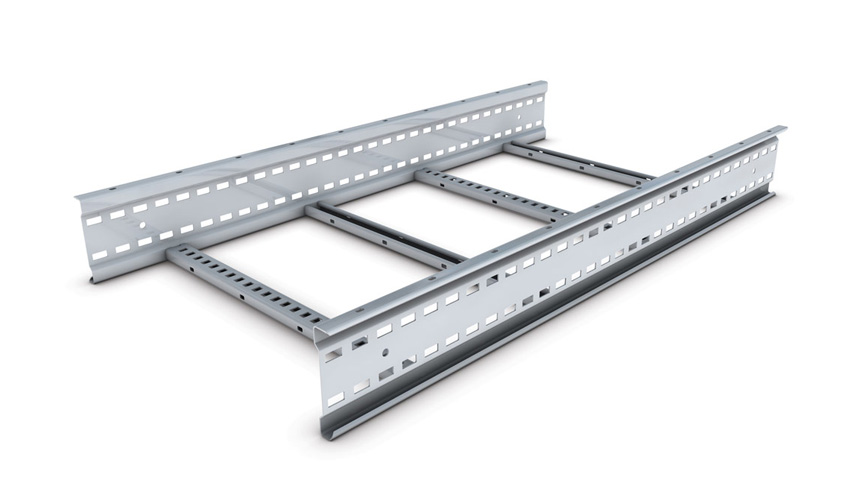
The term cable tray refers to a variety of different products, some of which include a ladder, ventilated bottom, solid bottom, wire mesh, and trough. Each variety of tray is constructed to work with a distinct set of cable arrangements and applications.
When choosing a cable tray, it is essential to take into consideration a variety of factors, including the weight and dimensions of the cables, the setting in which they will be installed, and any applicable codes and standards. It is essential to take into account the particular necessities of the project, such as the cable capacity, accessibility, and ease of installation, among other things.
The answer is yes some cable trays are constructed with fire-retardant materials. Cable trays designed to withstand fire are typically fabricated from materials like galvanized steel or stainless steel, and they are coated with materials designed to withstand fire.