Call Us on







Call Us on
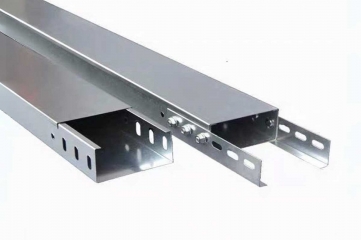
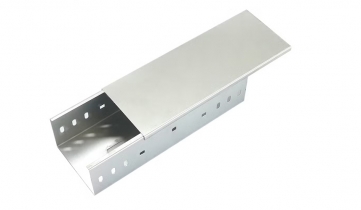
When you’re staring at the blueprints for a massive industrial facility or a high-rise commercial hub, the wiring often feels like one of those "set it and forget it" details. But anyone who has managed a facility for more than a minute knows that entropy is a greedy, relentless landlord. Corrosion, mechanical wear, and environmental stress can turn a once-sleek electrical setup into a crumbling mess of rust and loose wires in a surprisingly short window. This is exactly where the Galvanized Cable Tray proves its worth as more than just a piece of hardware; it’s a financial strategy disguised as metal. By opting for a system protected by a metallurgical bond of zinc, you are essentially buying a long-term insurance policy against the elements.
The real beauty of galvanized systems reveals itself when you actually sit down and do a "Life Cycle Cost" (LCC) analysis. If you install a painted or untreated tray, you might save 15% on the initial purchase, but you’ll end up paying for it three times over in labor costs when that paint starts to flake and the rust sets in. Maintenance in a live facility is a logistical nightmare; you have to deal with work permits, height safety gear, and the potential downtime for the machinery sitting below. Galvanized trays, by contrast, are largely maintenance-free for 20 to 50 years depending on the environment. You aren't just saving money on the metal itself; you are saving thousands in man-hours and avoiding the massive "opportunity cost."
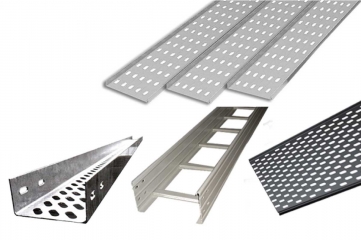
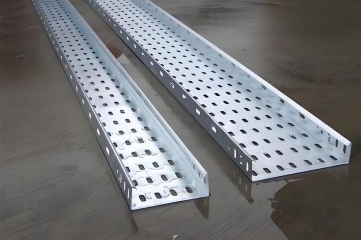
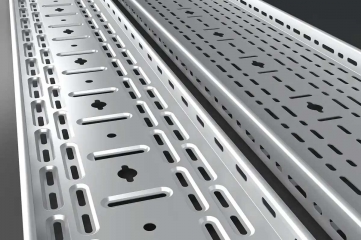
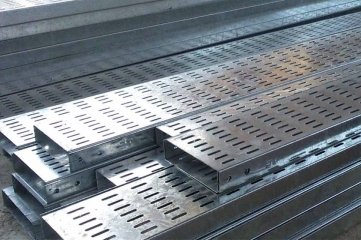
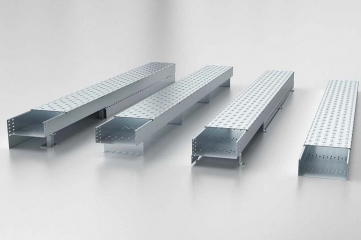
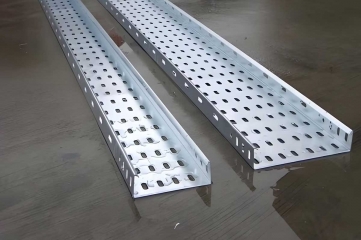
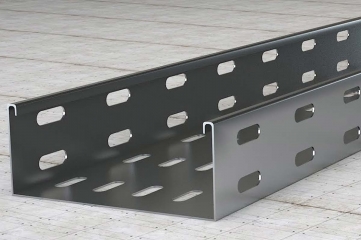
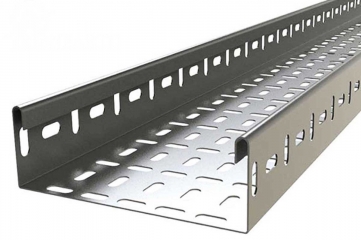
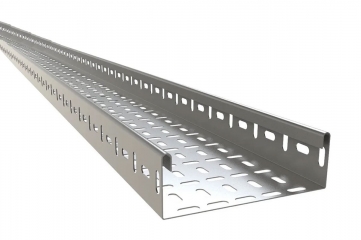
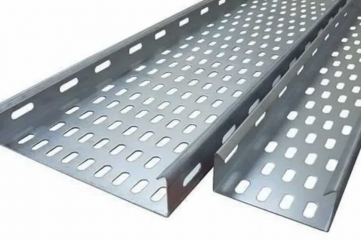
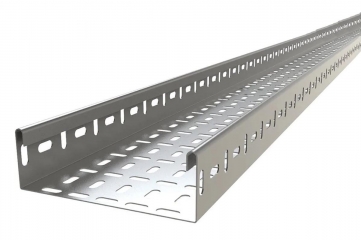
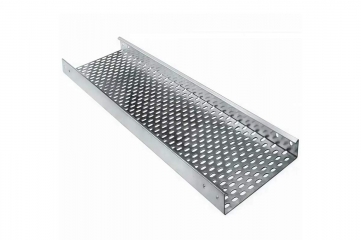
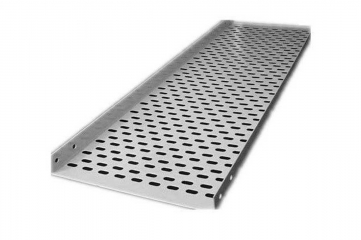
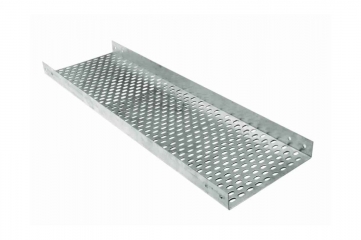
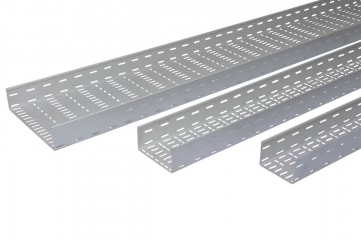
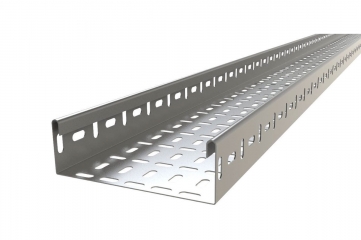
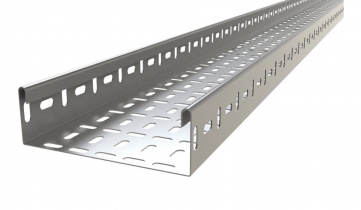
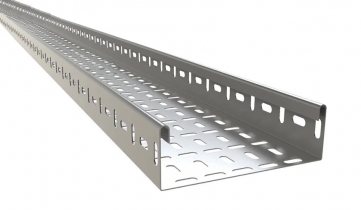
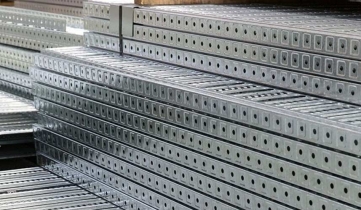
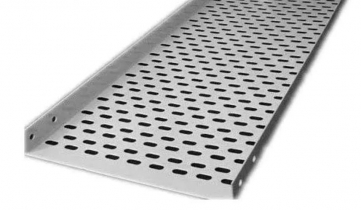
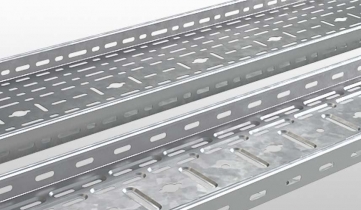
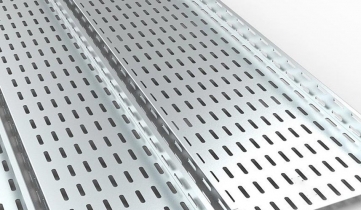
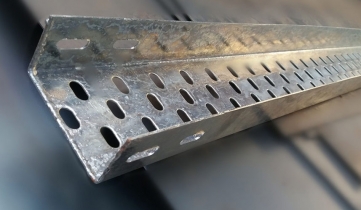
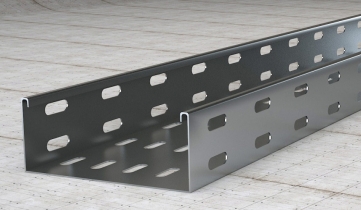
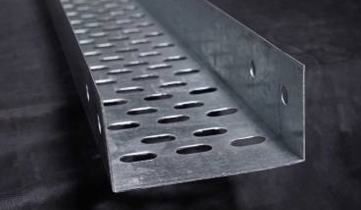
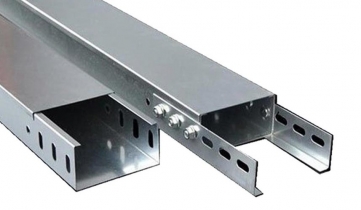
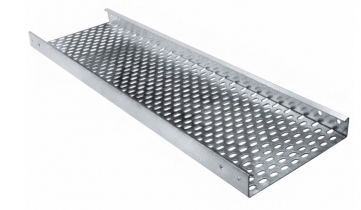
Not all environments are created equal, and sometimes standard galvanization isn't enough for the heavy hitters of industry. When you are dealing with high-humidity tunnels or outdoor substations, you need a finish that is fused to the metal at a molecular level. Utilizing an MS Hot Dip Galvanised Perforated Cable Tray ensures that every single nook, cranny, and perforated hole is completely sealed within a thick, rugged layer of molten zinc. This "perforated" design is particularly clever because it balances two opposing needs: it provides plenty of surface area to support heavy cable bundles while allowing moisture and dust to fall straight through rather than pooling and creating a breeding ground for localized corrosion.
While the tech inside your servers or the motors on your assembly line will likely be replaced every decade, your cable management system should be a permanent fixture. A galvanized tray doesn't just resist rust; it maintains its physical strength under pressure. Over time, non-galvanized trays can lose their structural load-bearing capacity as the steel thins out due to oxidation, leading to sagging or "bowing" that puts immense stress on the cables. Galvanization keeps the steel thick and rigid, which is vital for maintaining the proper bend radius of sensitive data cables or high-voltage power lines.
The science behind why some metals fail while others endure isn't just a stroke of luck, it is chemistry in action. In coastal regions or chemical processing plants, the air is thick with salt and moisture, which acts like liquid sandpaper on standard, unprotected steel. A high-quality Galvanized Steel Cable Tray by Super Cable Tray Pvt. Ltd. utilizes a "sacrificial" protection method; the zinc coating literally gives itself up, corroding slowly to save the structural steel hiding underneath. This means that even if the tray gets dinged during a rough installation or a heavy cable pull, the surrounding zinc prevents the rust from spreading like a virus across the entire run.
When the final inspection is over and the lights are finally on, the true test of a facility's design is how little you have to think about it in the years that follow. Choosing a galvanized solution is a sign of a project manager who values stability over short-term savings. It’s about building a legacy of reliability where the infrastructure supports the business rather than draining its resources. By prioritising materials that can withstand the harshest industrial "weather," you ensure that your facility remains a high-performing asset that holds its value for generations.
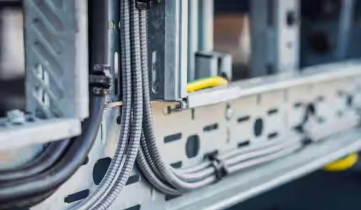
An electrical and communication cable management and organization system known as a cable tray is utilized to accommodate various types of cables, it is typically made of metal, such as aluminum or steel, and is available in a variety of sizes and shapes.
Several advantages of using a cable tray include better cable management, increased safety, and simpler maintenance. In comparison to other conduit systems, cable trays can offer a more effective and affordable solution.
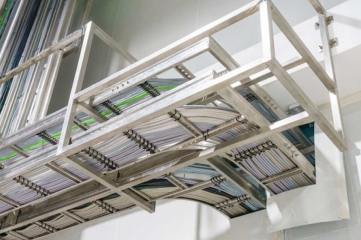
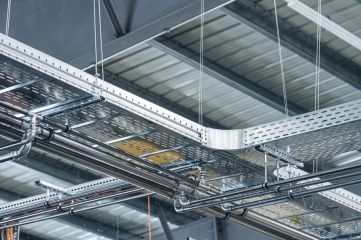
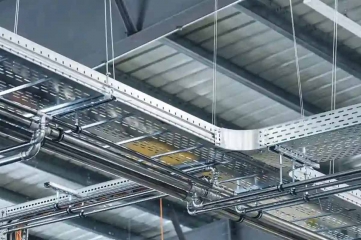
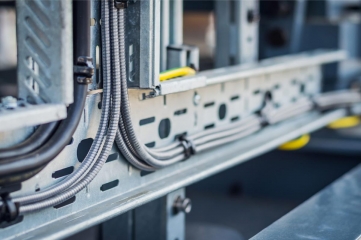
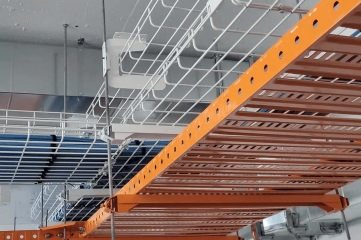
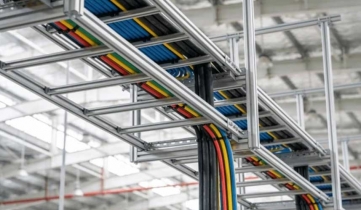
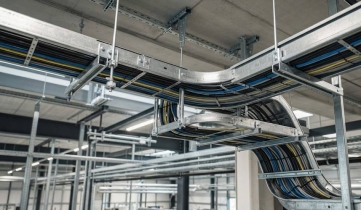
Cable trays can be installed in a number of ways, such as hanging from ceilings, mounting on walls, or using floor stands as support. The installation procedure typically entails cutting and fitting the tray to the required length as well as mounting brackets, supports, and hardware.
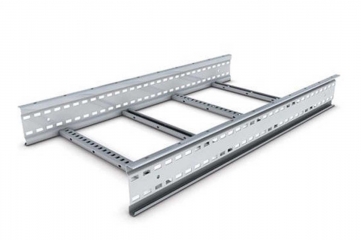
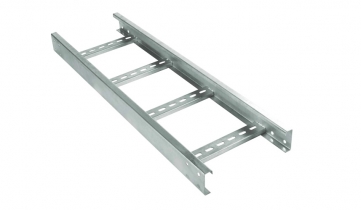
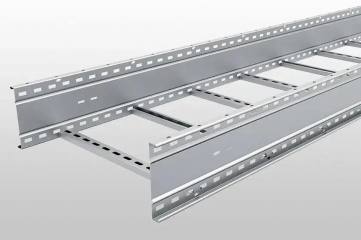
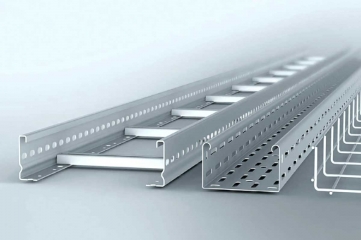
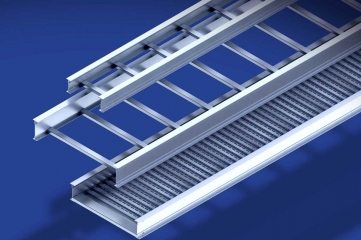
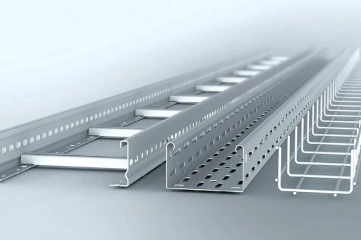
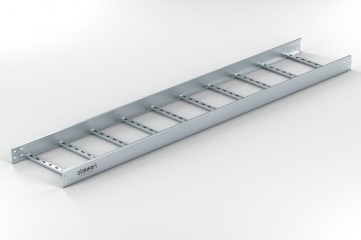
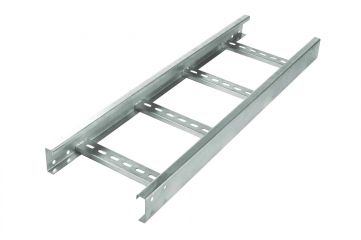
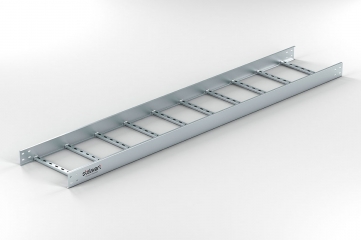
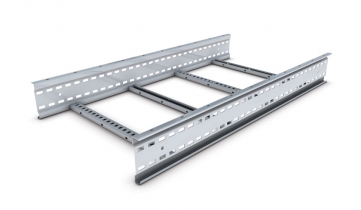
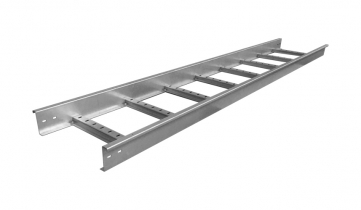
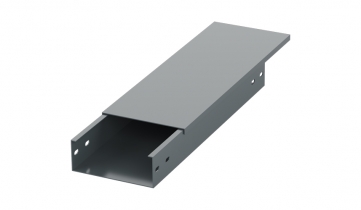
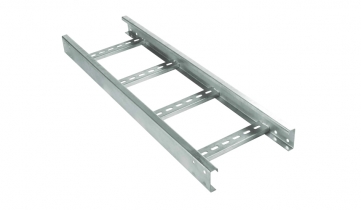
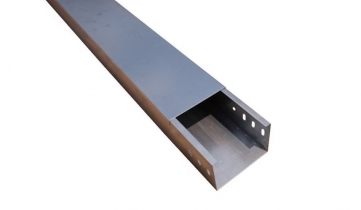
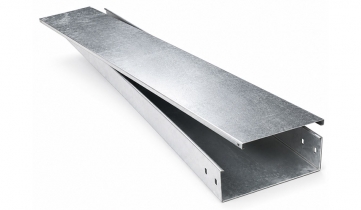
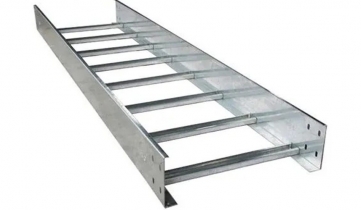
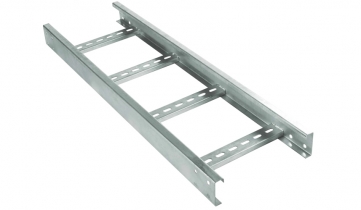
The term cable tray refers to a variety of different products, some of which include a ladder, ventilated bottom, solid bottom, wire mesh, and trough. Each variety of tray is constructed to work with a distinct set of cable arrangements and applications.
When choosing a cable tray, it is essential to take into consideration a variety of factors, including the weight and dimensions of the cables, the setting in which they will be installed, and any applicable codes and standards. It is essential to take into account the particular necessities of the project, such as the cable capacity, accessibility, and ease of installation, among other things.
The answer is yes some cable trays are constructed with fire-retardant materials. Cable trays designed to withstand fire are typically fabricated from materials like galvanized steel or stainless steel, and they are coated with materials designed to withstand fire.