Call Us on







Call Us on
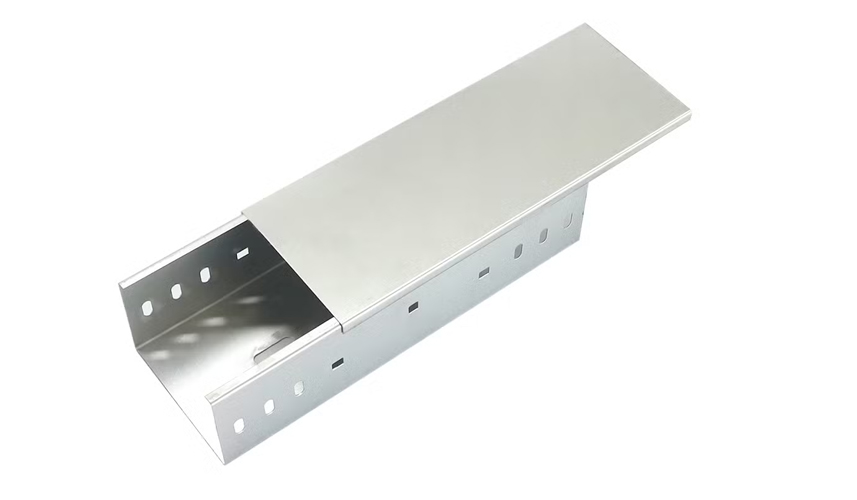
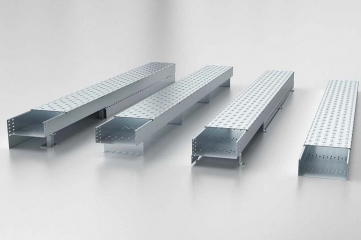
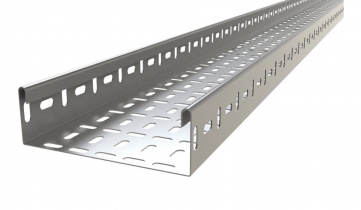
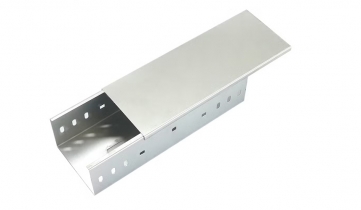
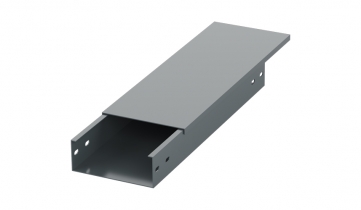
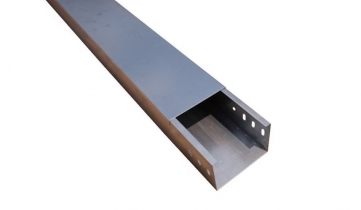
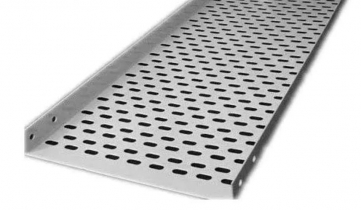
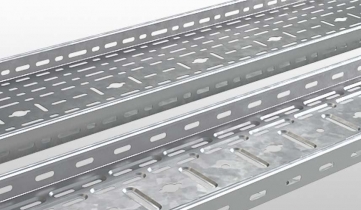
When you’re staring at a massive industrial floor or a high-tech office complex, the wiring is often the last thing on your mind, until something goes wrong. Managing thousands of meters of data and power lines isn't just about hiding them behind a wall; it is about creating a sustainable, accessible, and safe highway for your facility's energy. A Raceway Cable Tray by Super Cable Tray Pvt. Ltd. stands out as the ultimate hybrid in the world of electrical infrastructure, offering the protective enclosure of a conduit with the expansive capacity of a tray. In an era where material costs are spiking and labor is at a premium, finding a solution that slashes installation time while offering a fifty-year lifespan isn't just a "good idea"—it is a financial necessity for any project manager looking to keep their margins healthy.
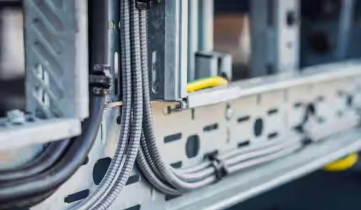
Beyond the physical protection, raceway systems play a massive role in the electrical safety and thermal performance of your cables. Bunching cables in a tight pipe creates a thermal blanket that traps heat, causing insulation to bake and eventually fail. A well-sized raceway provides enough internal volume for heat to dissipate, preventing the dreaded "derating" of cables, where they lose their current-carrying capacity. It is an insurance policy that pays out every single day through lower energy resistance and a significantly reduced risk of electrical fires, protecting both your expensive hardware and your people.
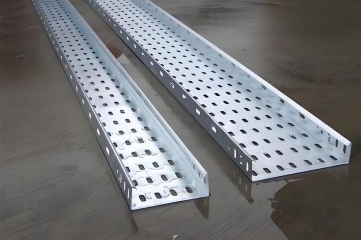
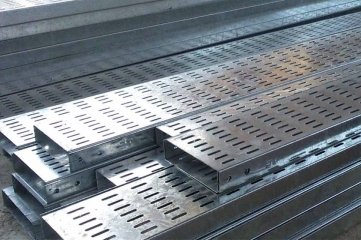
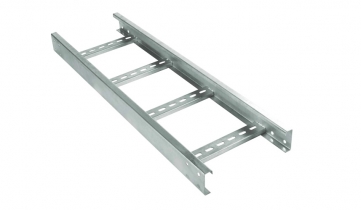
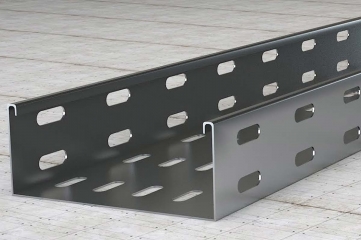
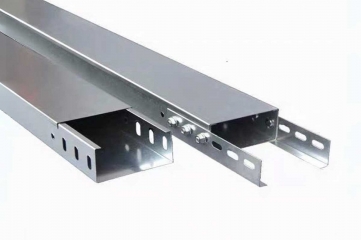
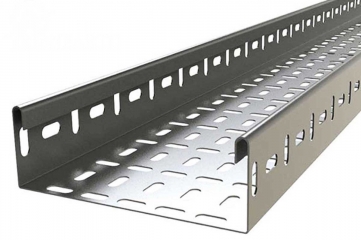
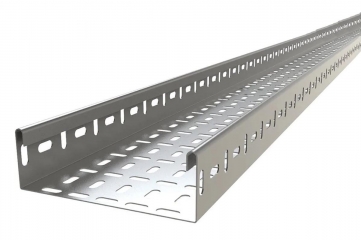
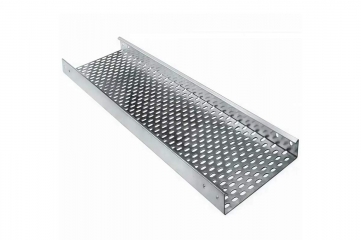
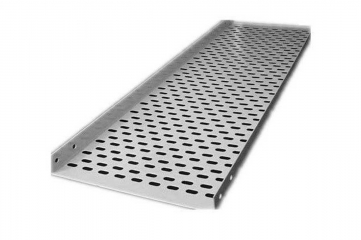
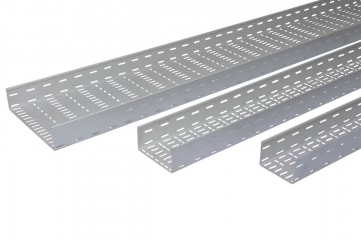
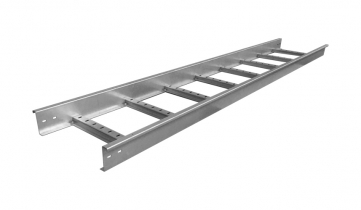
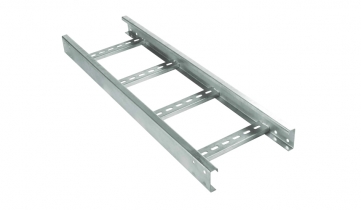
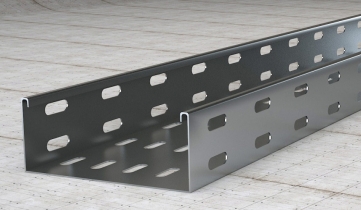
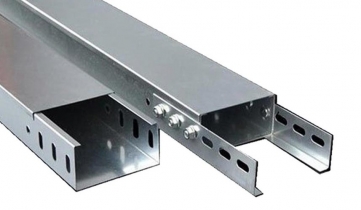
Unlike open ladder trays that leave wires exposed to dust and curious fingers, the raceway design provides a solid base and side walls that shield your most expensive assets. This structural rigidity is exactly what makes the MS Powder Coated Raceway such a favorite for indoor commercial spaces and climate-controlled data centers. The powder coating process doesn't just add a professional aesthetic; it creates an airtight polymer skin over the mild steel that prevents minor scratches from blooming into full-blown rust spots. By investing in this finish, you effectively eliminate the need for repainting or chemical treatments every five years, allowing your maintenance budget to be redirected toward more pressing operational needs.
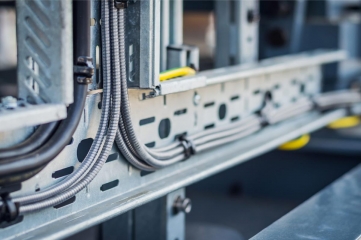
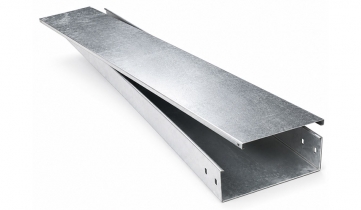
The biggest "hidden" cost in any wiring project isn't the metal, it’s the man-hours. Traditional piping requires specialized bending tools, threading, and hours of "fishing" wires through tight corners, but raceway systems are built for speed. Because they feature removable covers and standardized fittings like tees, bends, and crosses, a small crew can lay out a complex network in half the time it would take to install traditional conduits. This modularity means that when your business grows and you need to add ten more servers or a new robotic arm to the assembly line, you don't have to tear out the old system.
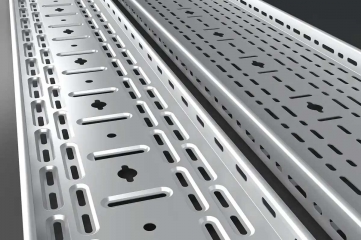
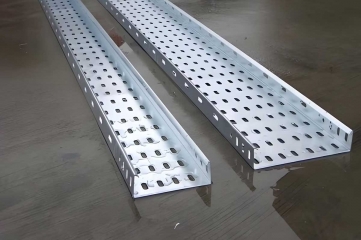
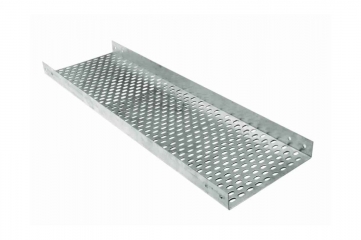
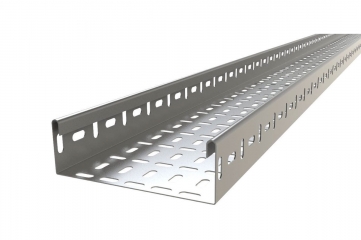
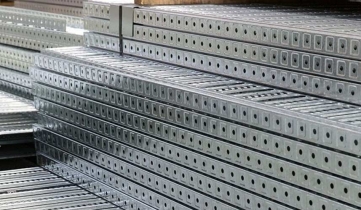
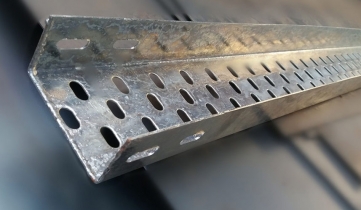
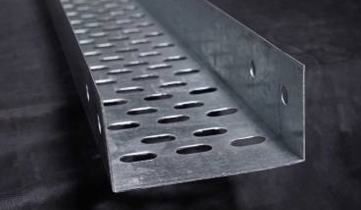
If your project takes you into the grit of an outdoor substation or the humidity of an underground parking garage, you need a material that treats rust as a non-starter. This is the domain of the GI Raceway, where a thick, metallurgical bond of zinc acts as a sacrificial shield for the underlying steel. The cost-effectiveness here isn't found in the purchase price alone; it’s found in the total cost of ownership over two or three decades. While an untreated or poorly coated metal might fail in seven years under coastal air, galvanized steel can easily triple that lifespan without a single moment of intervention. It turns your wiring support into a "set it and forget it" asset, which is the holy grail for any facility manager who has better things to do than climb a ladder with a wire brush and a can of primer.
At the end of the day, a smart wiring solution is one that you don't have to think about once the power is switched on. Choosing a raceway system is a commitment to quality that speaks volumes about the integrity of your entire build. It is the invisible grid that holds your operation together, ensuring that the power flows and the data moves without a single hitch, year after year. When you look at the reduced labor, the lack of maintenance, and the extended cable life, the decision to use a professional raceway isn't just an engineering choice, it is the smartest financial move you can make for your infrastructure.
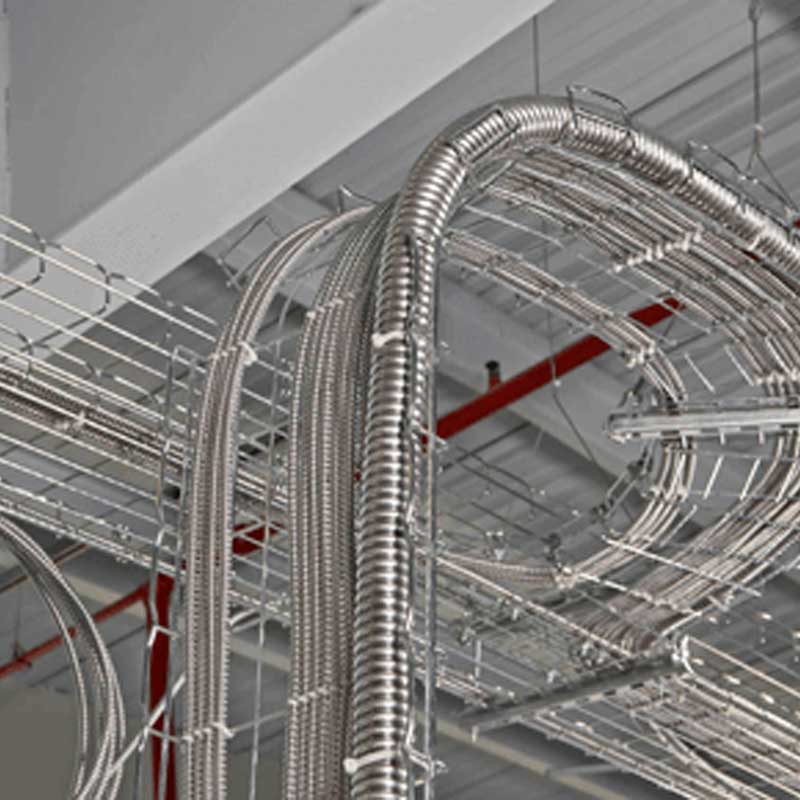
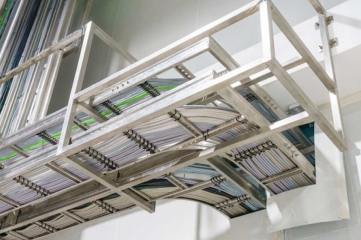
An electrical and communication cable management and organization system known as a cable tray is utilized to accommodate various types of cables, it is typically made of metal, such as aluminum or steel, and is available in a variety of sizes and shapes.
Several advantages of using a cable tray include better cable management, increased safety, and simpler maintenance. In comparison to other conduit systems, cable trays can offer a more effective and affordable solution.
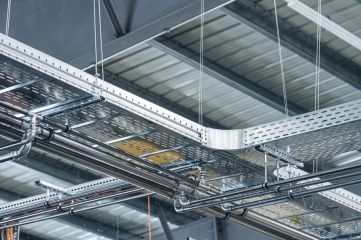
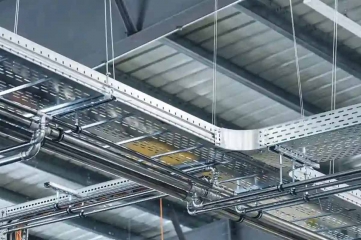
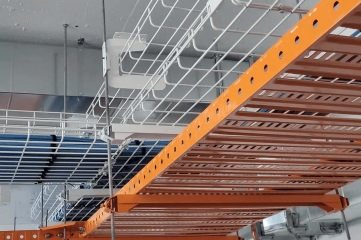
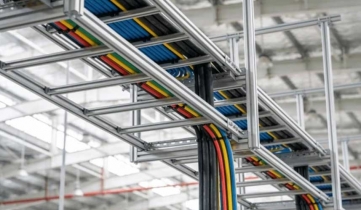
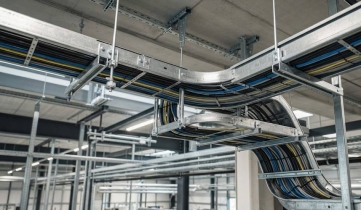
Cable trays can be installed in a number of ways, such as hanging from ceilings, mounting on walls, or using floor stands as support. The installation procedure typically entails cutting and fitting the tray to the required length as well as mounting brackets, supports, and hardware.
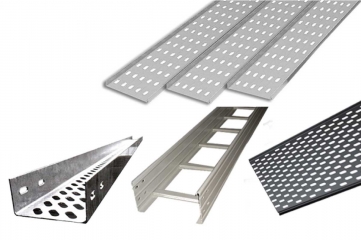
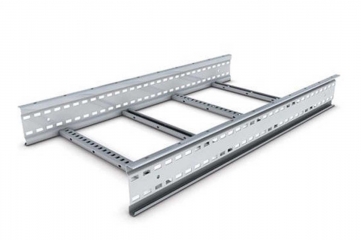
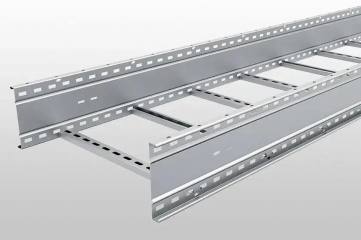
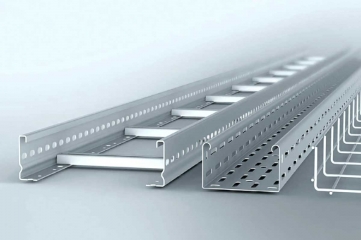
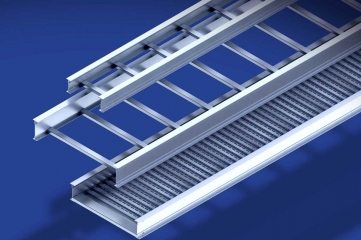
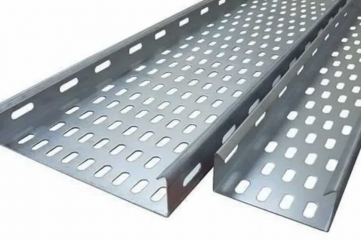
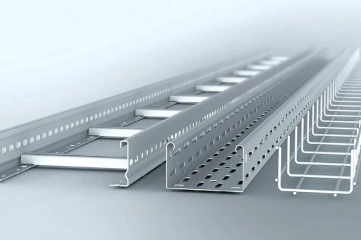
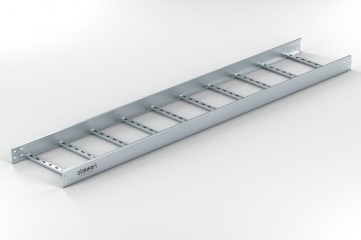
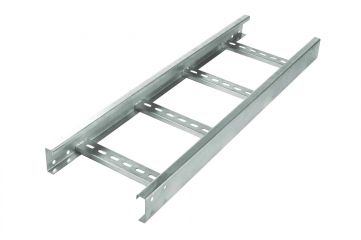
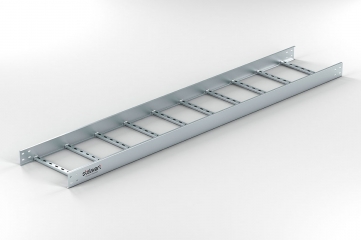
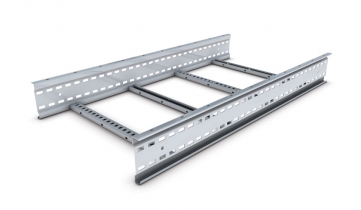
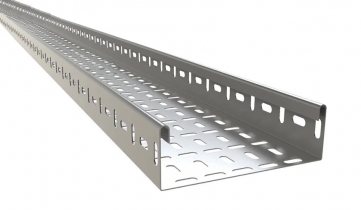
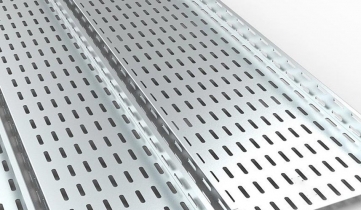
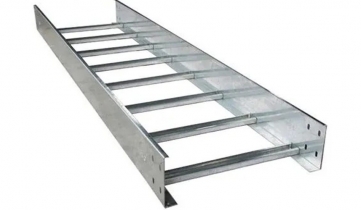
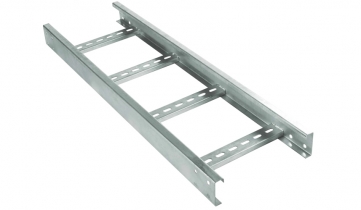
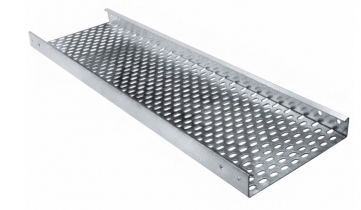
The term cable tray refers to a variety of different products, some of which include a ladder, ventilated bottom, solid bottom, wire mesh, and trough. Each variety of tray is constructed to work with a distinct set of cable arrangements and applications.
When choosing a cable tray, it is essential to take into consideration a variety of factors, including the weight and dimensions of the cables, the setting in which they will be installed, and any applicable codes and standards. It is essential to take into account the particular necessities of the project, such as the cable capacity, accessibility, and ease of installation, among other things.
The answer is yes some cable trays are constructed with fire-retardant materials. Cable trays designed to withstand fire are typically fabricated from materials like galvanized steel or stainless steel, and they are coated with materials designed to withstand fire.