Call Us on






Call Us on
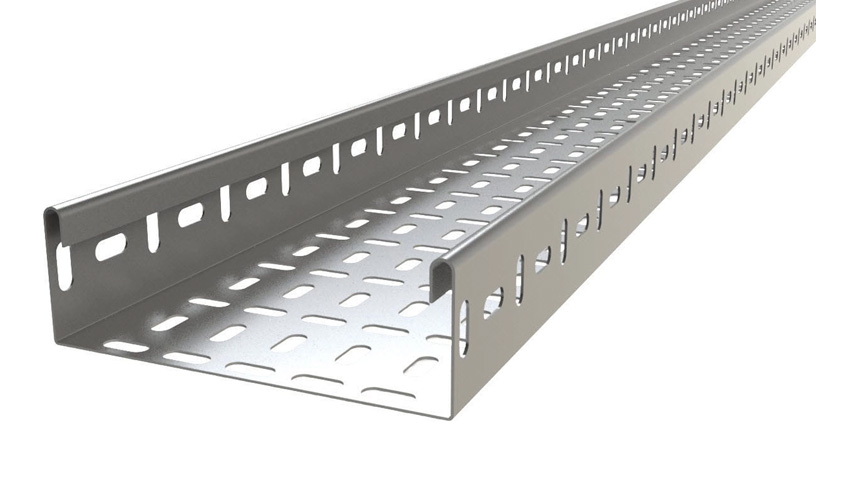
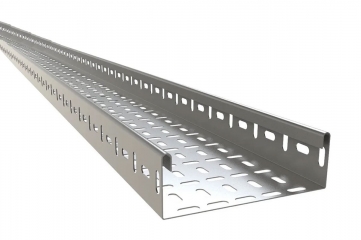
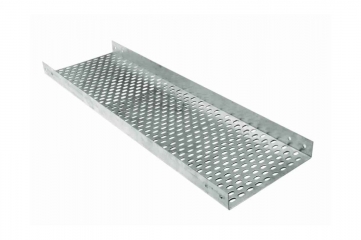
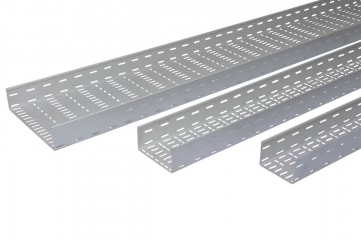
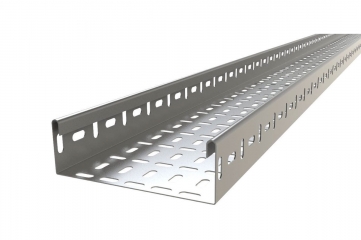
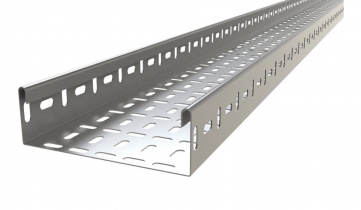
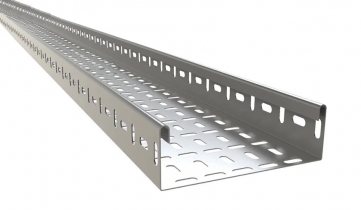
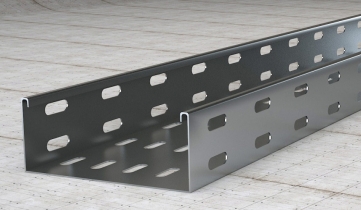
When you’re designing the skeleton of a modern industrial facility, the choice of materials is rarely just a matter of aesthetics; it’s a battle against the elements. Choosing the right substance for your Perforated Cable Trays is essentially like picking the right armor for a soldier, it has to be light enough to manage but tough enough to withstand a relentless environment. These trays are the unknown heroes of infrastructure, responsible for keeping high-voltage power lines and sensitive data cables organized while ensuring they don't overheat or drown in trapped moisture. In the real world of cable management, "one size fits all" is a dangerous myth that leads to sagging metal, flaking paint, and catastrophic rust.
When the environment turns truly hostile, think offshore oil rigs, food processing plants using harsh detergents, or wastewater treatment facilities, even galvanization will eventually surrender. While the initial investment might make a project manager wince, the total cost of ownership is often the lowest because these trays literally never need to be replaced. Stainless steel forms its own passive chromium oxide layer that is impervious to most acids and salts, assuring that the tray remains structurally sound for the entire lifespan of the building. It’s the "set it and forget it" material that ensures your cable management system outlasts the very machines it powers, providing a level of reliability that no other common material can match.
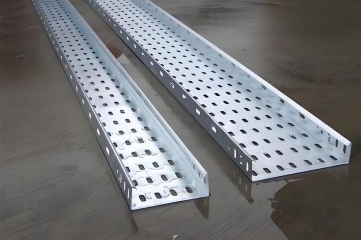
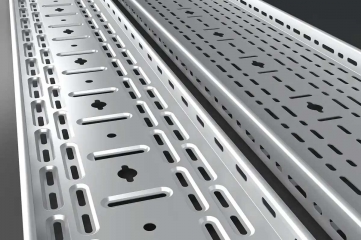
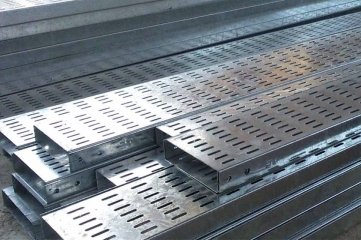
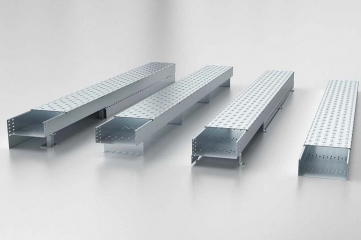
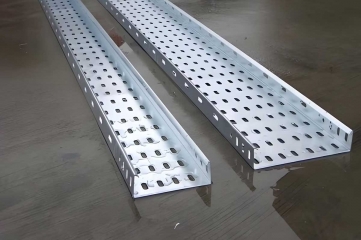
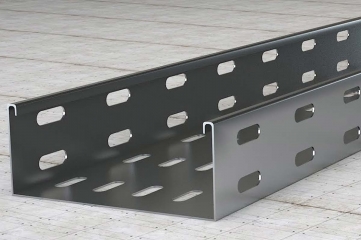
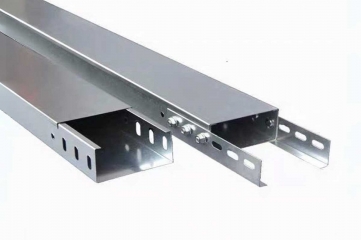
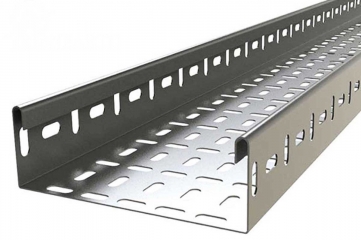
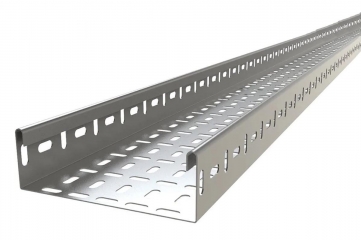
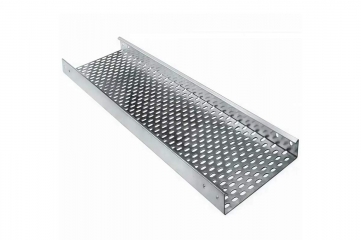
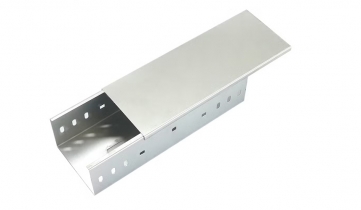
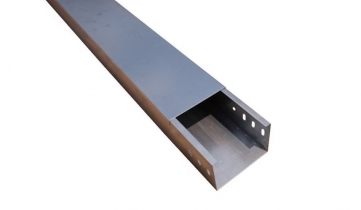
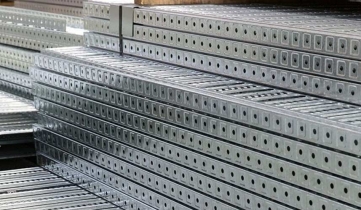
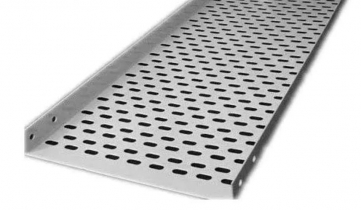
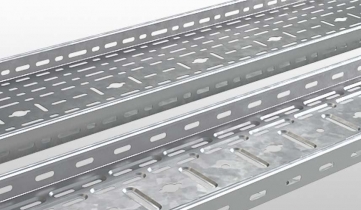
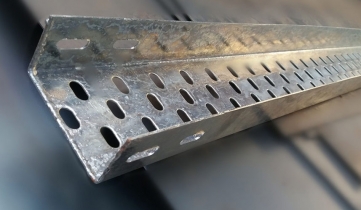
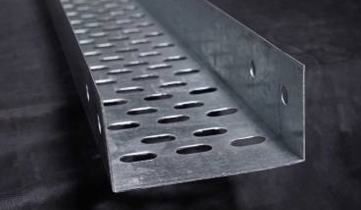
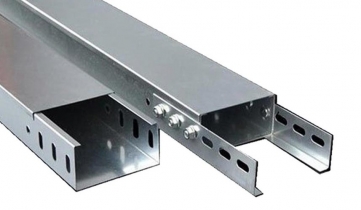
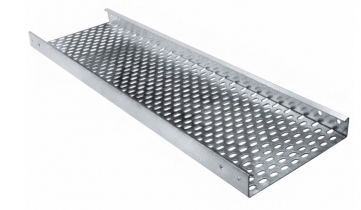
For many engineers, the gold standard for versatility has always been steel treated with a protective layer of zinc to fend off the inevitable march of oxidation. A Gi Perforated Cable Tray by Super Cable Tray Pvt. Ltd. is often the go-to solution for outdoor environments or damp industrial basements where humidity is a constant, uninvited guest. The "Pre-Galvanized" process creates a clean, uniform coating that is perfect for standard commercial buildings, but for heavy-duty industrial sites, the "Hot-Dip" version offers a much thicker metallurgical bond that can actually self-heal small scratches.
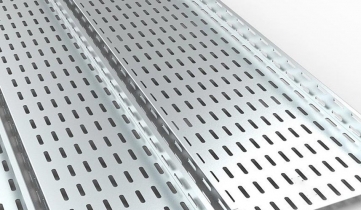
In projects where weight is a major constraint, such as on roof-mounted solar arrays or within lightweight modular structures, aluminum is the secret weapon. It is roughly a third of the weight of steel, which drastically reduces the load on the building's support structure and makes the physical installation much easier for the crew on the ground. Beyond its weight, aluminum is naturally resistant to corrosion because it forms its own protective oxide skin immediately upon exposure to air. Because they are non-magnetic, aluminum trays also help reduce power loss due to hysteresis, making them a technically superior choice for high-amperage power distribution where efficiency is the primary goal.
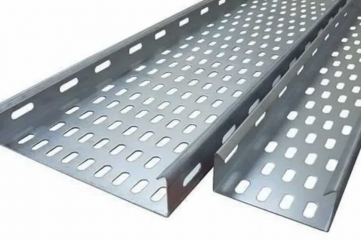
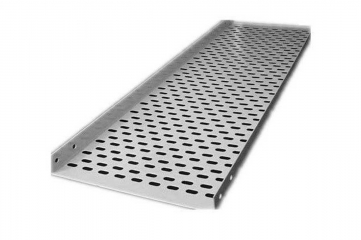
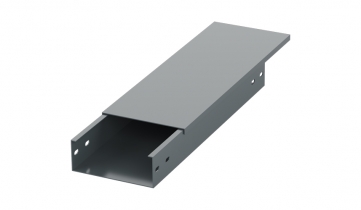
Sometimes, raw metal isn't the answer, especially when you need a combination of chemical resistance and a professional, integrated look. An MS Powder Coated Perforated Cable Tray offers a unique advantage by sealing the mild steel under a baked-on polymer skin that is much tougher than traditional liquid paint. This process isn't just about color-coding your power and data lines, though that certainly helps with maintenance, it’s about creating an airtight seal that resists the abrasive dust and occasional chemical splashes found in manufacturing units. The powder coating is applied electrostatically and then cured under high heat, resulting in a finish that won't flake or peel even when the tray is subjected to the vibrations of heavy machinery.
At the end of the day, your choice of material is an investment in the sanity of your future self. Settling for a subpar material to save a few dollars in the first quarter of construction is a recipe for expensive downtime and hazardous conditions later on. Whether you opt for the rugged reliability of galvanized steel, the chemical-sealed protection of powder-coated mild steel, or the indestructible nature of stainless steel, the key is to match the metal to the "mood" of your environment. By prioritizing durability and environmental compatibility, you ensure that your cable management system remains a silent, steadfast partner in your facility's success.
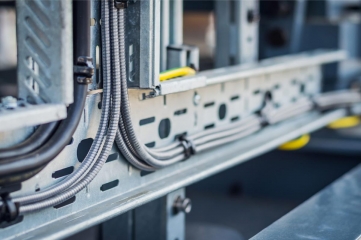
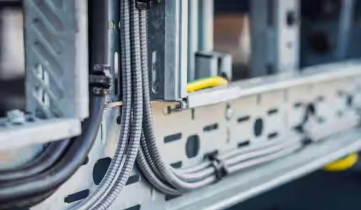
An electrical and communication cable management and organization system known as a cable tray is utilized to accommodate various types of cables, it is typically made of metal, such as aluminum or steel, and is available in a variety of sizes and shapes.
Several advantages of using a cable tray include better cable management, increased safety, and simpler maintenance. In comparison to other conduit systems, cable trays can offer a more effective and affordable solution.
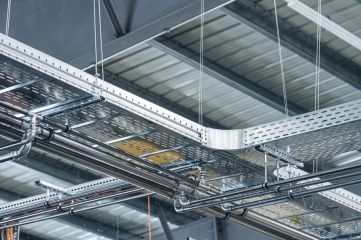
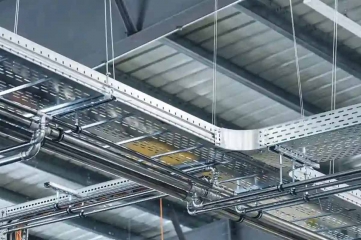
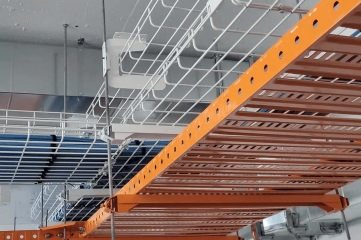
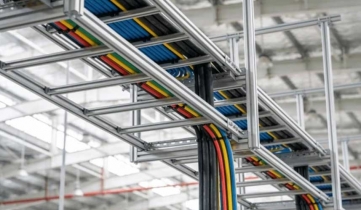
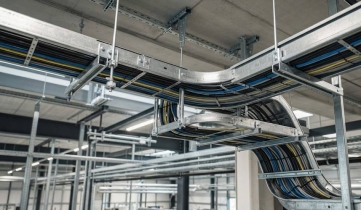
Cable trays can be installed in a number of ways, such as hanging from ceilings, mounting on walls, or using floor stands as support. The installation procedure typically entails cutting and fitting the tray to the required length as well as mounting brackets, supports, and hardware.
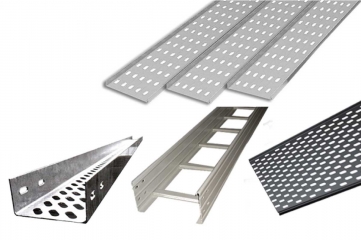
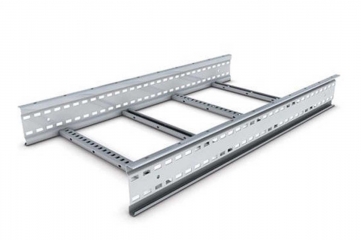
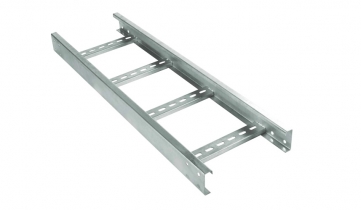
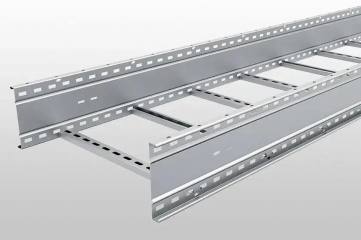
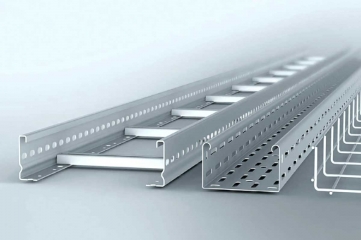
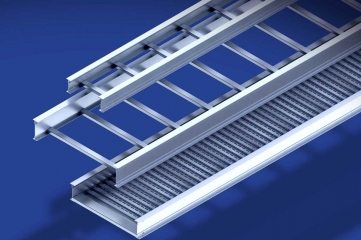
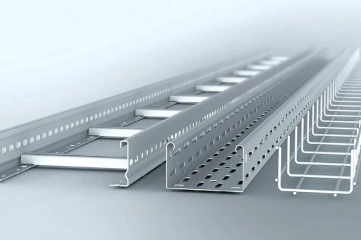
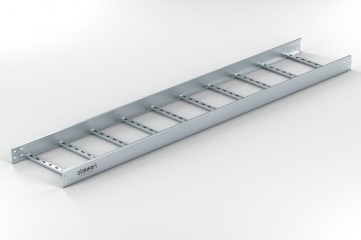
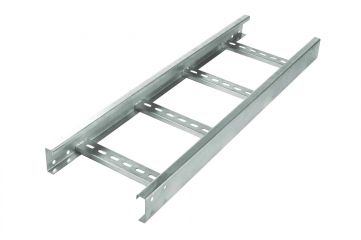
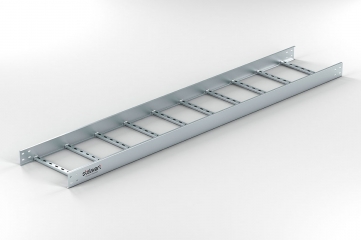
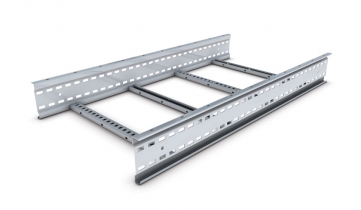
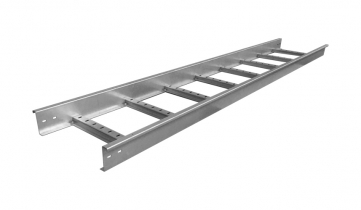
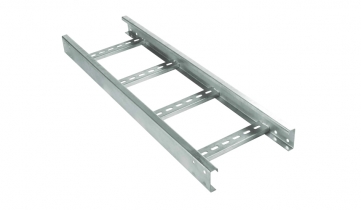
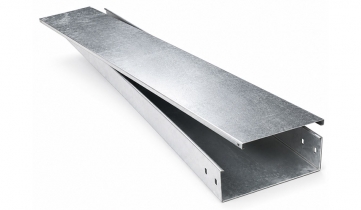
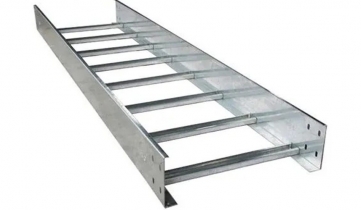
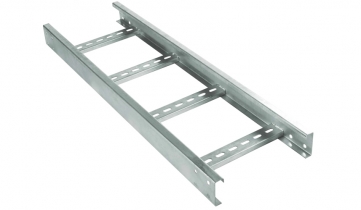
The term cable tray refers to a variety of different products, some of which include a ladder, ventilated bottom, solid bottom, wire mesh, and trough. Each variety of tray is constructed to work with a distinct set of cable arrangements and applications.
When choosing a cable tray, it is essential to take into consideration a variety of factors, including the weight and dimensions of the cables, the setting in which they will be installed, and any applicable codes and standards. It is essential to take into account the particular necessities of the project, such as the cable capacity, accessibility, and ease of installation, among other things.
The answer is yes some cable trays are constructed with fire-retardant materials. Cable trays designed to withstand fire are typically fabricated from materials like galvanized steel or stainless steel, and they are coated with materials designed to withstand fire.