Call Us on






Call Us on
Energy efficiency measurements commonly start with HVAC systems and LED lights. The implementation of a high-performance Cable Tray layout by Super Cable Tray Pvt. Ltd., which optimizes airflow and thermal management results in operational efficiency improvements that reach their highest potential. Your facility's thermal health depends on cable management in industrial zones because well-ventilated systems maintain low resistance to support a healthy power grid. The manager should concentrate on this routing task because it guarantees every watt will arrive at its targeted endpoint.
A system needs efficiency to achieve growing operations which should not affect its existing functioning and thermal performance. The design of your initial system should include 25% extra capacity to prevent industrial heat-bleed which occurs when multiple runs become overloaded. Future expansion design implementation prevents you from spending money to remove old infrastructure that fails to meet your power requirements.
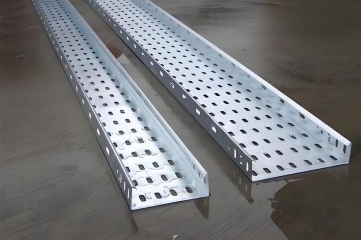
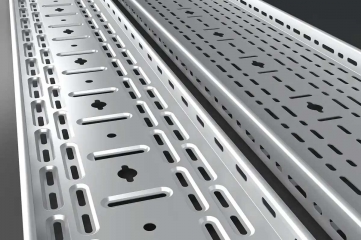
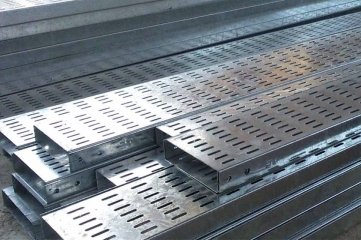
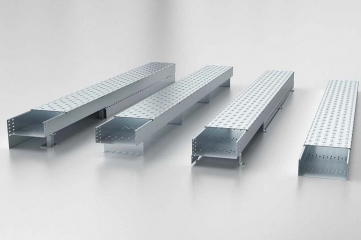
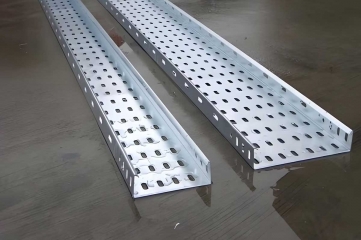
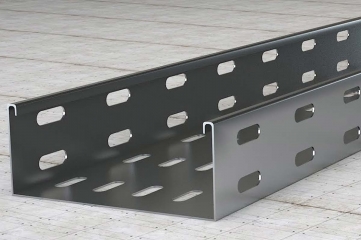
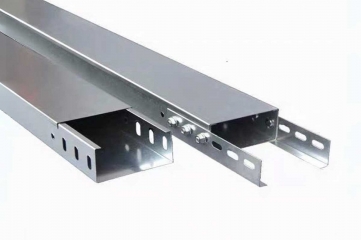
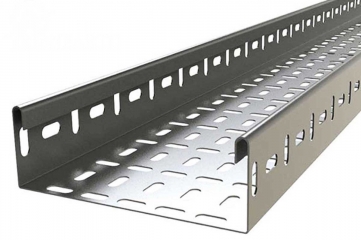
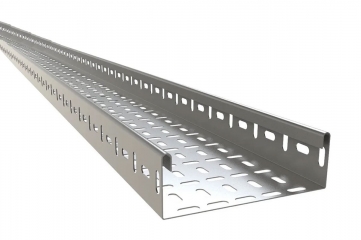
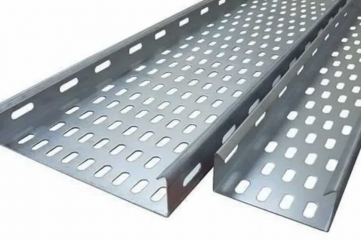
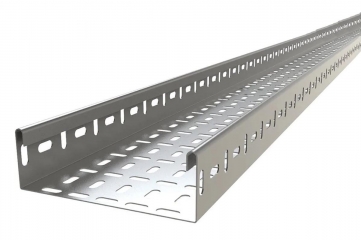
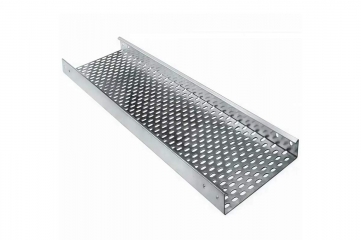
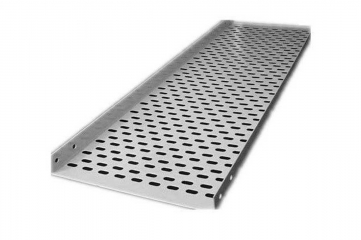
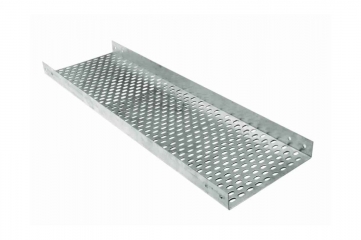
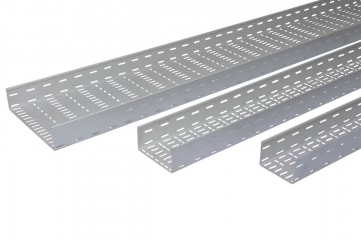
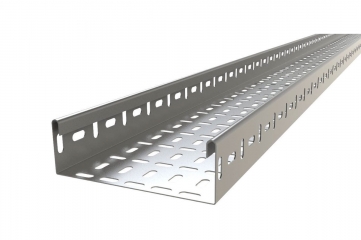
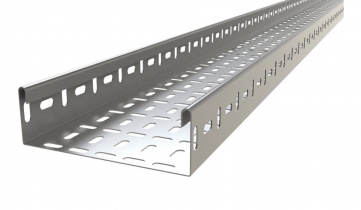
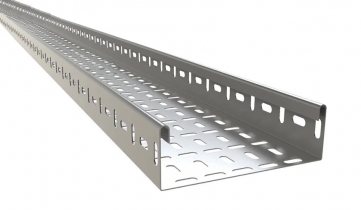
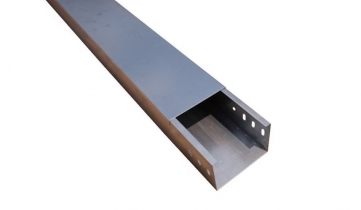
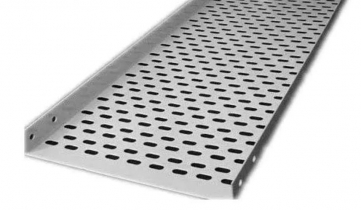
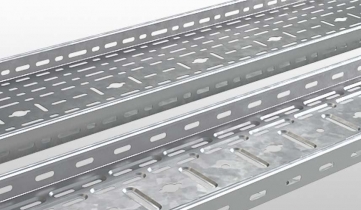
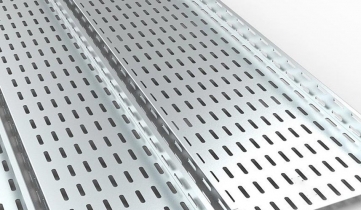
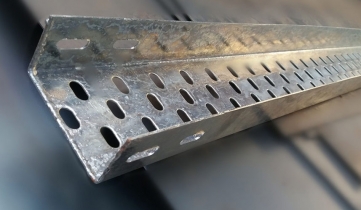
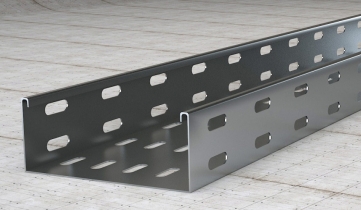
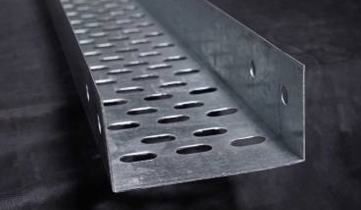
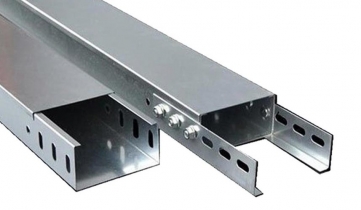
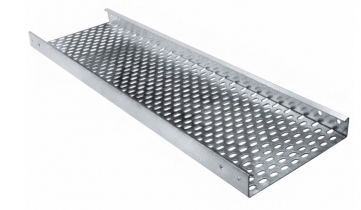
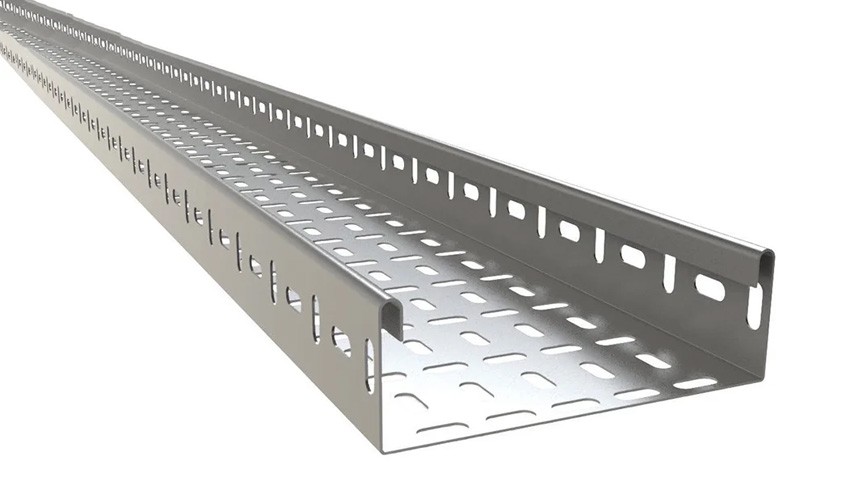
Air circulation functions as the primary element for thermal management activities. The power cables lose heat when they operate under heavy loads; if they become trapped, their resistance increases which compels the system to draw additional electrical current. The Perforated Cable Trays function as a solution because they deliver 360-degree airflow, which serves as a system for passive cooling. Steady ambient temperatures around high-voltage lines optimize conductivity, preventing costly "heat soak" and insulation decay.
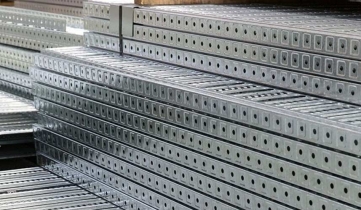
Material selection determines how your infrastructure will cope with environmental challenges throughout its entire operational lifetime. The support system maintains its structural integrity when you use either high-grade galvanized steel or specialized alloys, which prevents any strong materials from experiencing structural damage. A rigid, corrosion-resistant frame preserves original cooling and spacing specs throughout the building's lifespan.
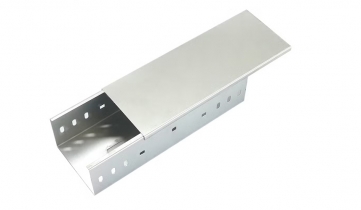
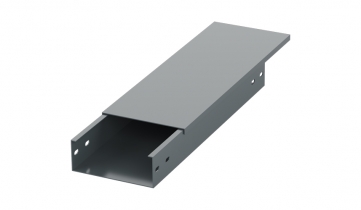
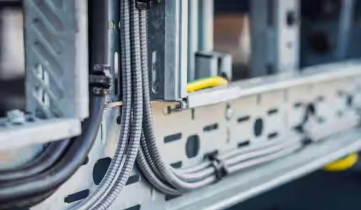
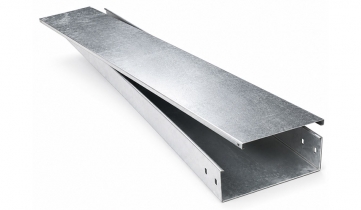
Poor layouts create voltage drops through excessive length or tight bends that stress copper cores. A Raceway Cable Tray transition links industrial areas through an efficient direct route. The containment system forces cables to take the direct path while protecting them from outside elements. The reduction of power source distance to machinery locations minimizes resistance, which enables watts to power production instead of creating heat.
The assembly process needs human intervention because advanced software lacks the ability to achieve complete efficiency. Machines cannot detect cable tension that falls below certain limits or bracket placement that reaches perfect alignment. The finishing process performed by specialized teams adds value to their work because they eliminate all microscopic burrs which are small imperfections that can snag insulation and generate energy leakage points.
A strategic investment in specialized hardware converts a passive energy asset into an outstanding energy asset. Your business operates better when its wiring system functions properly because this system helps extend the lifespan of cables while satisfying international environmental standards. The developed solution enables precise predictive maintenance through organized system operations which allow early detection of energy leaks that would otherwise result in expensive production halts.
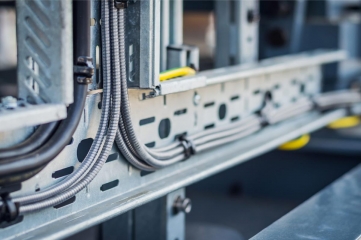
An electrical and communication cable management and organization system known as a cable tray is utilized to accommodate various types of cables, it is typically made of metal, such as aluminum or steel, and is available in a variety of sizes and shapes.
Several advantages of using a cable tray include better cable management, increased safety, and simpler maintenance. In comparison to other conduit systems, cable trays can offer a more effective and affordable solution.
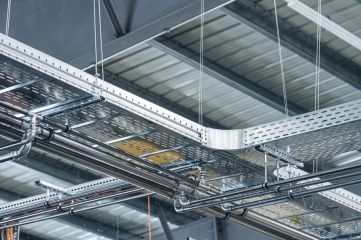
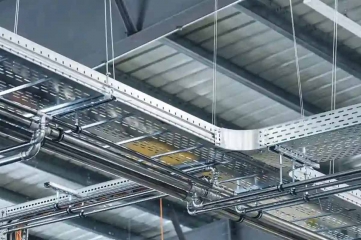
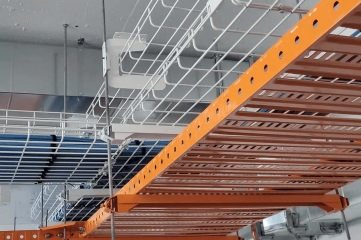
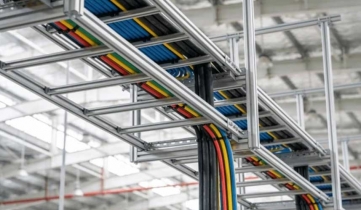
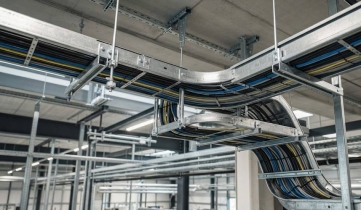
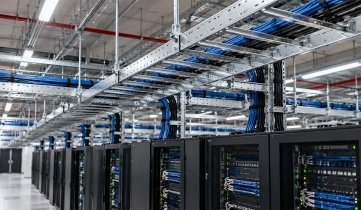
Cable trays can be installed in a number of ways, such as hanging from ceilings, mounting on walls, or using floor stands as support. The installation procedure typically entails cutting and fitting the tray to the required length as well as mounting brackets, supports, and hardware.
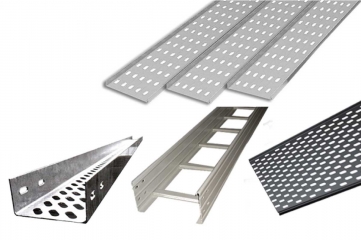
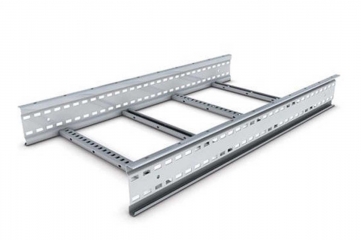
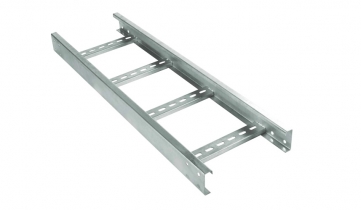
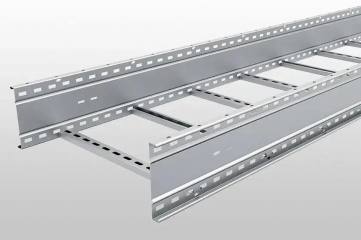
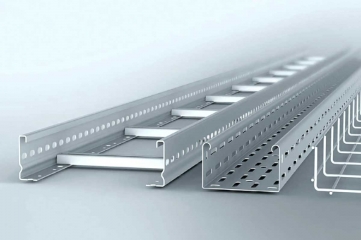
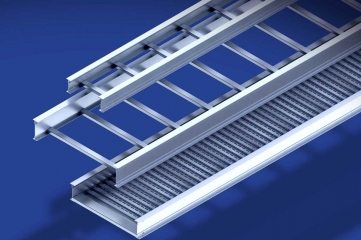
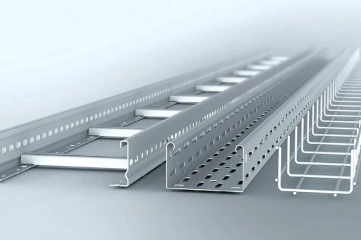
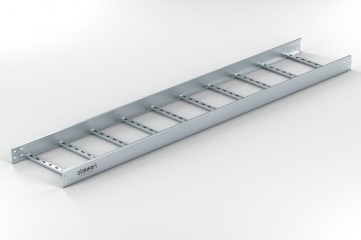
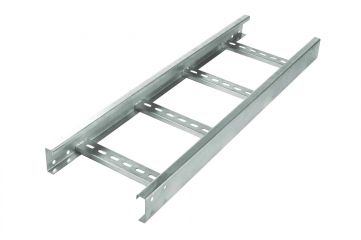
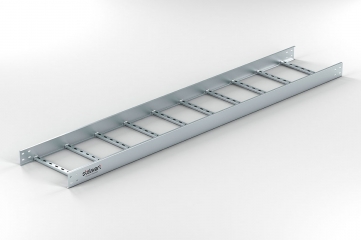
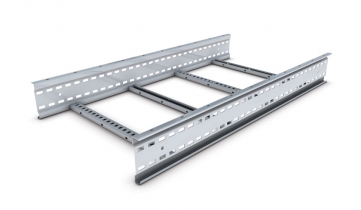
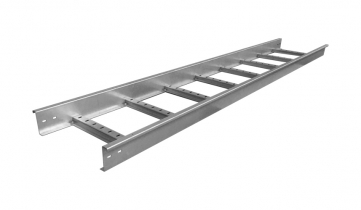
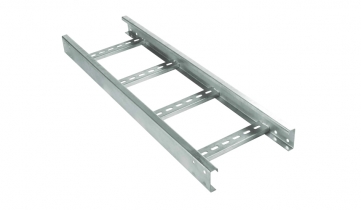
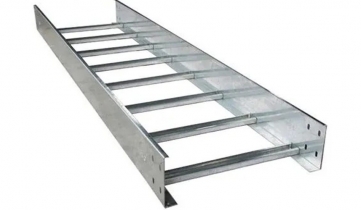
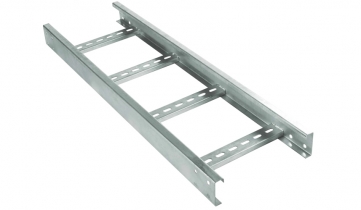
The term cable tray refers to a variety of different products, some of which include a ladder, ventilated bottom, solid bottom, wire mesh, and trough. Each variety of tray is constructed to work with a distinct set of cable arrangements and applications.
When choosing a cable tray, it is essential to take into consideration a variety of factors, including the weight and dimensions of the cables, the setting in which they will be installed, and any applicable codes and standards. It is essential to take into account the particular necessities of the project, such as the cable capacity, accessibility, and ease of installation, among other things.
The answer is yes some cable trays are constructed with fire-retardant materials. Cable trays designed to withstand fire are typically fabricated from materials like galvanized steel or stainless steel, and they are coated with materials designed to withstand fire.