Call Us on






Call Us on
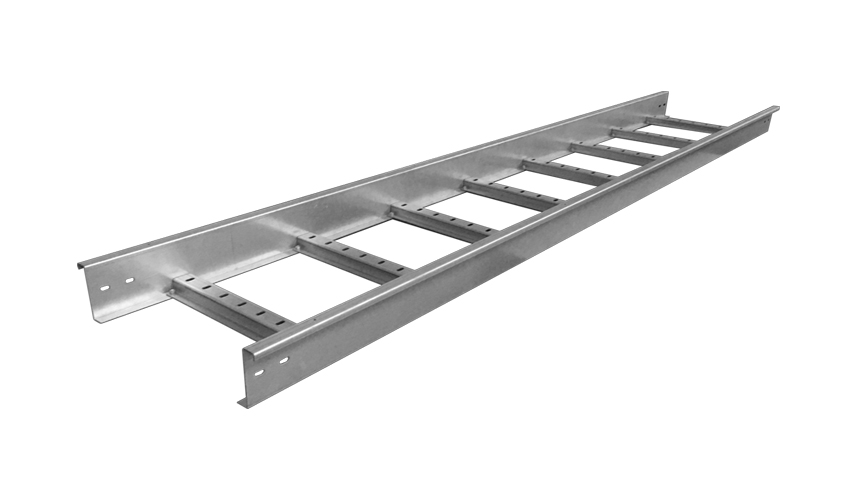
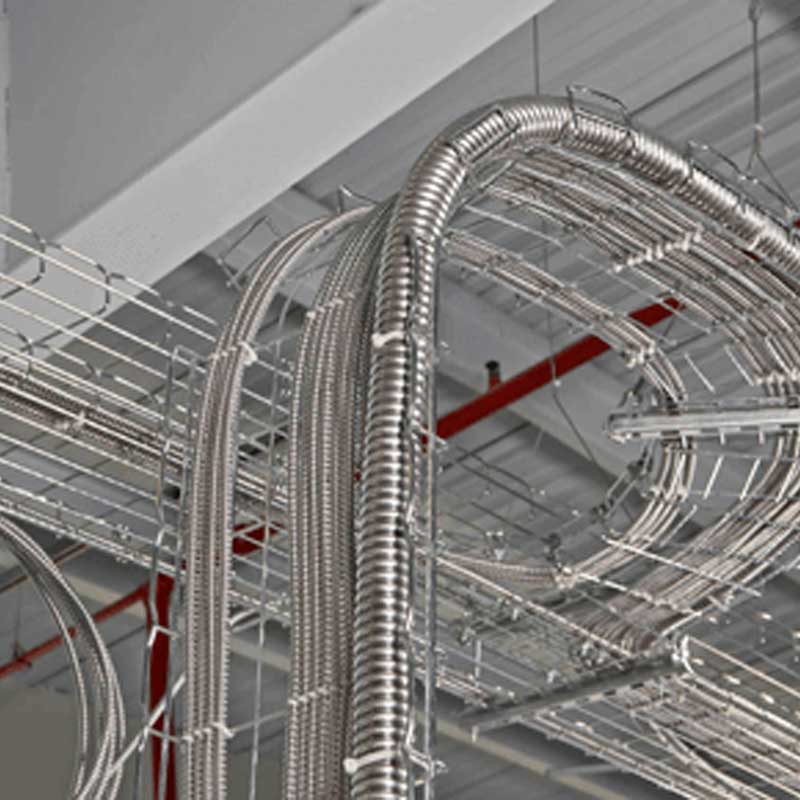
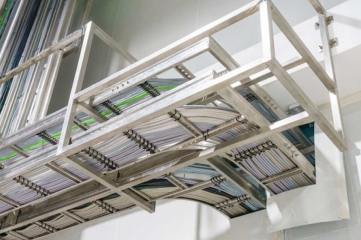
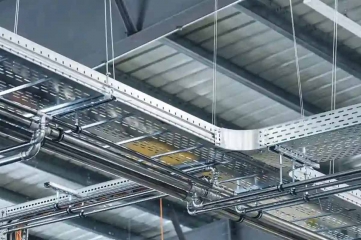
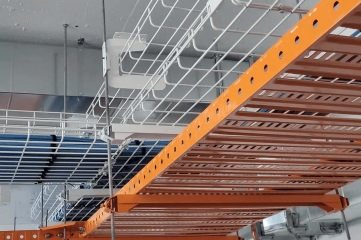
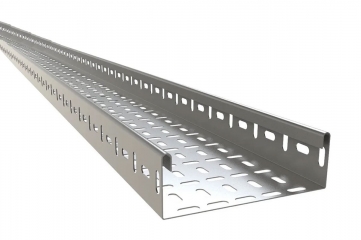
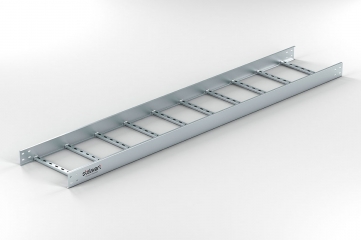
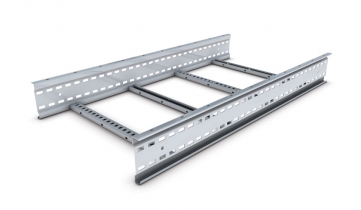
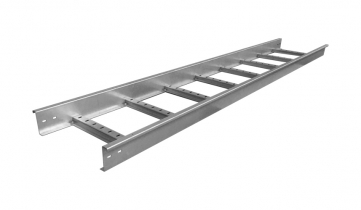
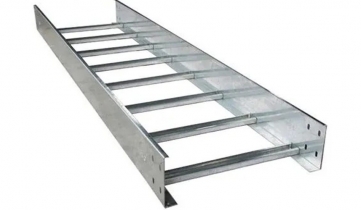
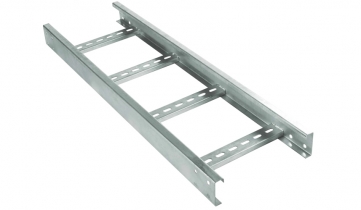
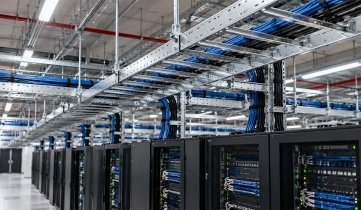
Data centers function as thermal battlegrounds because temperature increases endanger their financial performance. Facility managers select Ladder Cable Trays by Super Cable Tray Pvt. Ltd., as their primary option because its open design provides better airflow control than solid-bottom systems. Engineering teams need thermal efficient equipment which provides breathing infrastructure that creates better airflow for hardware durability.
Efficiency starts at the building foundation stage before server installation begins. The design phase begins when creators build cable management with ergonomics for airflow that demands unrestricted movement. Modern facilities require hardware to have complete heat dissipation freedom for high-frequency computing. The support system must fully protect a facility during critical high-load moments when heat becomes lethal.
The design team achieves fluid cooling through:
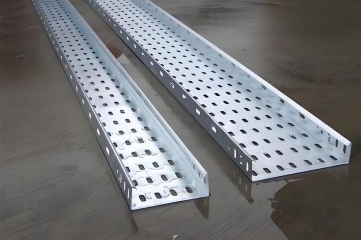
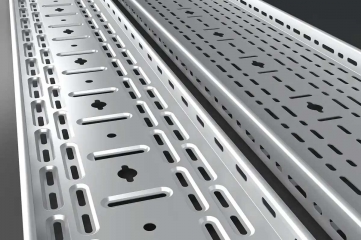
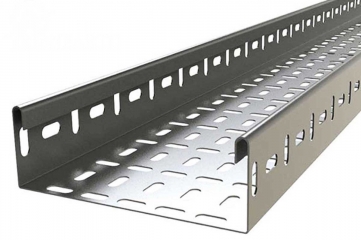
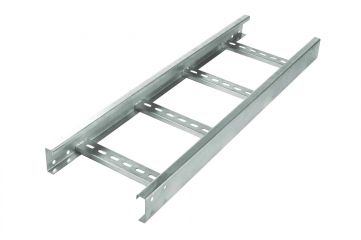
The facility's PUE rating depends on the surface contact which exists between its elements. The MS Powder Coated Ladder Cable Tray uses advanced polymer finishes that resist dust better than raw metal. The smooth coatings empower technicians to pull cables with high efficiency during their narrow maintenance periods. The specialized finish creates a smooth appearance which maintains cleanliness throughout all stages of the demanding equipment operational period.
Industry leaders prioritize these technical elements:
The tray design process needs skilled human input because the high-tech machinery used in production does not achieve exceptional results. The specialized fabrication teams create details which require deburring process to make through machines that automated systems often leave behind. Experts use hand-checked junctions to create products which meet elite industry standards. The manual precision dedication enables each piece to obtain durability which only a master craftsman can provide.
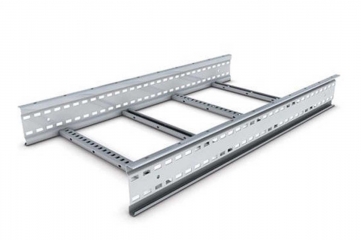
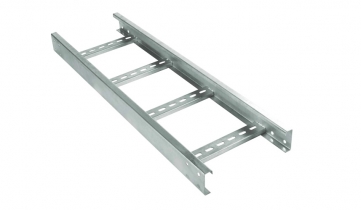
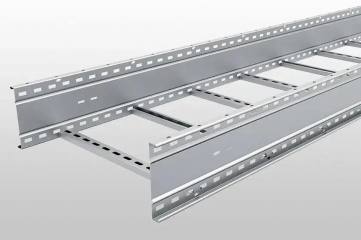
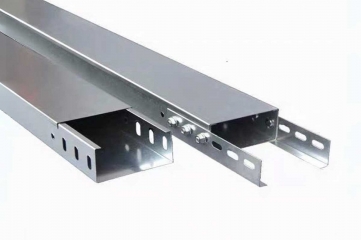
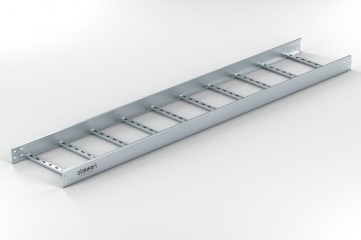
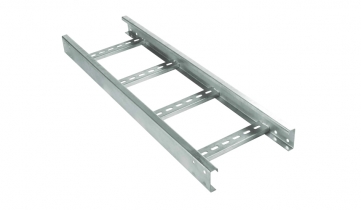
Industrial vendors protect their secret advantages which enable them to conduct massive infrastructure rollouts. The GI Ladder Cable Tray uses hot-dip galvanization to create a battle-ready product which can support extreme weight. The transparent durability loop enables users to assess both load capacity and corrosion resistance through its visible evaluation system. The product creates a physical presence which meets the operational needs of Tier 4 data centers which require continuous operation.
Converting blueprints into physical structures requires exact welds for legendary results. Infrastructure designers use robotic welding and laser-guided bending to ensure mathematical accuracy across every run. Modern manufacturing creates a direct structural bond that embeds strength into the steel base. The frame retains its weight-bearing ability while maintaining flexibility for complex field adjustments.
Advanced production offers these B2B advantages:
The answer to whether ultimate cooling is found through professional ladder-style production is a resounding yes. Your organization receives equipment which helps hardware perform via superior thermal transparency. Quality investments create strategic advantages which benefit each server rack and cooling cycle. The correct partner choice enables your data center to function at the same level as premier equipment which delivers high airflow throughout its operations.
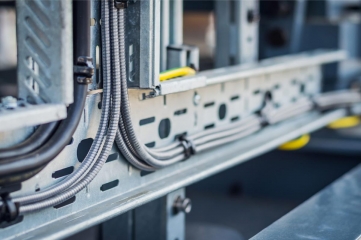
An electrical and communication cable management and organization system known as a cable tray is utilized to accommodate various types of cables, it is typically made of metal, such as aluminum or steel, and is available in a variety of sizes and shapes.
Several advantages of using a cable tray include better cable management, increased safety, and simpler maintenance. In comparison to other conduit systems, cable trays can offer a more effective and affordable solution.
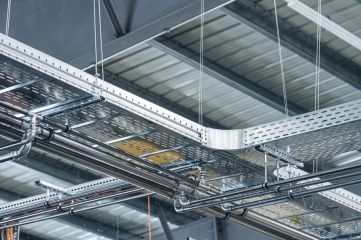
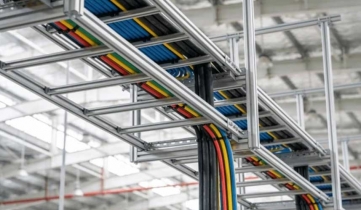
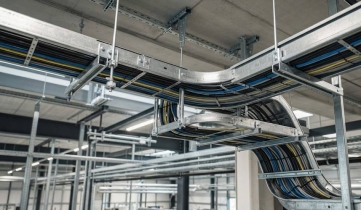
Cable trays can be installed in a number of ways, such as hanging from ceilings, mounting on walls, or using floor stands as support. The installation procedure typically entails cutting and fitting the tray to the required length as well as mounting brackets, supports, and hardware.
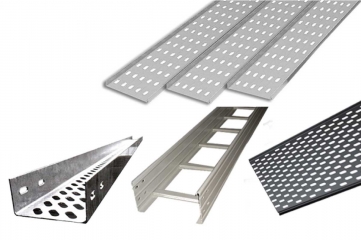
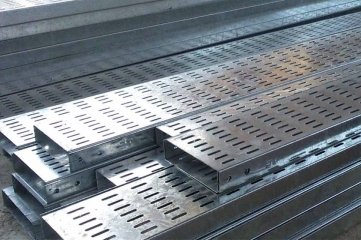
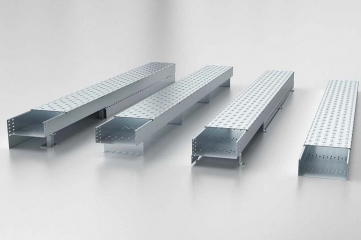
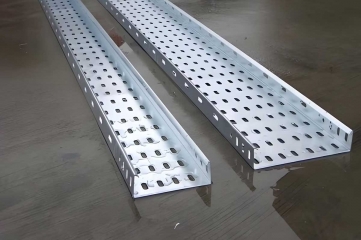
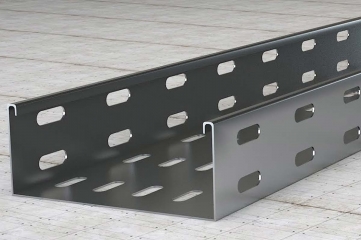
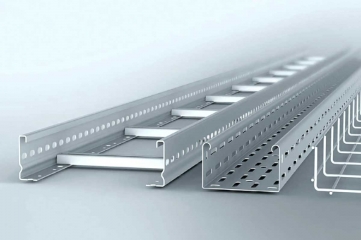
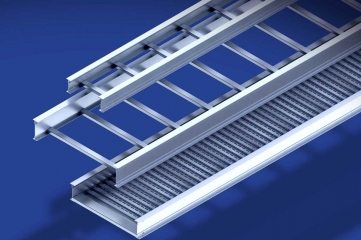
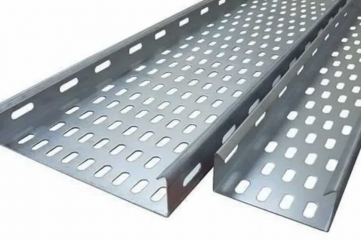
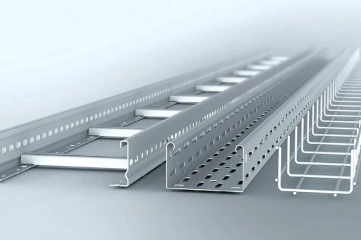
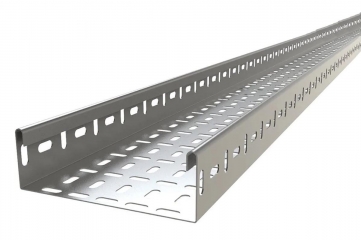
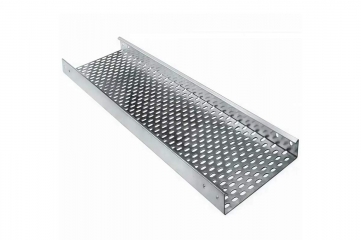
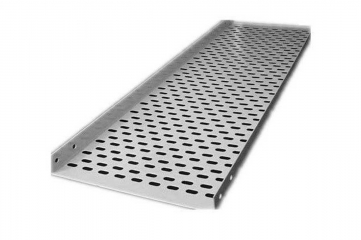
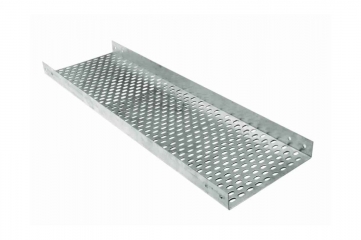
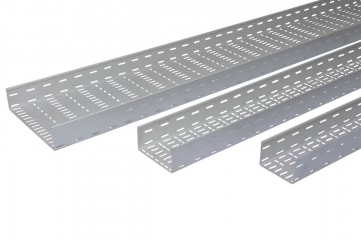
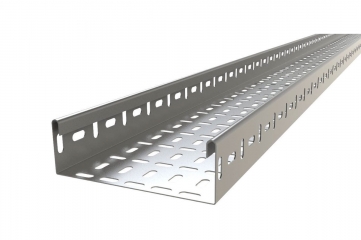
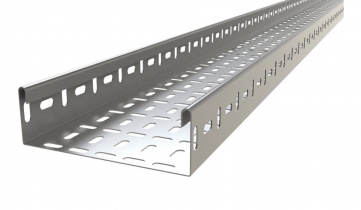
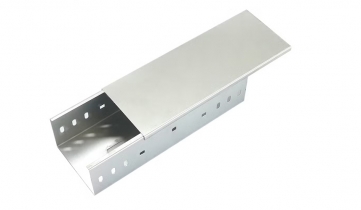
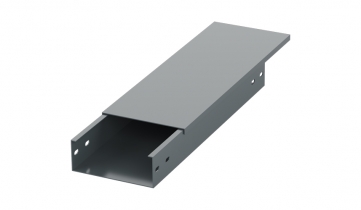
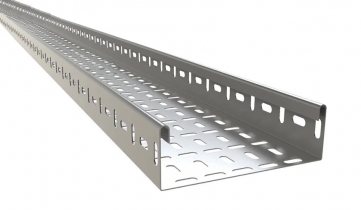
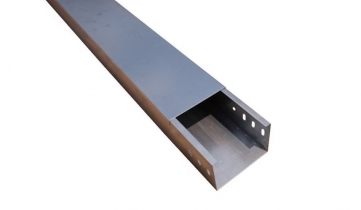
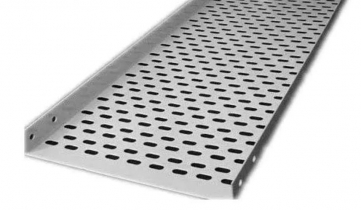
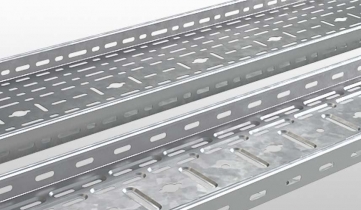
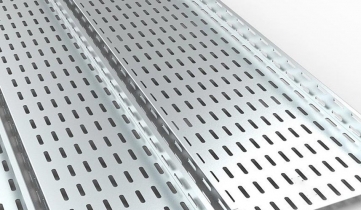
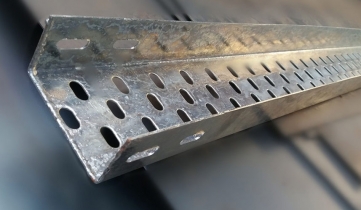
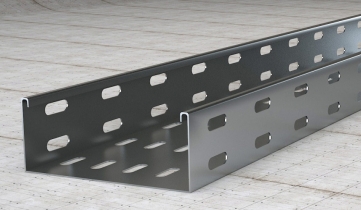
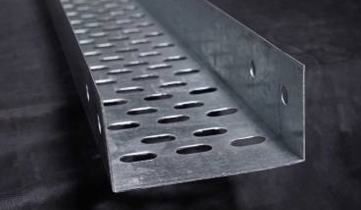
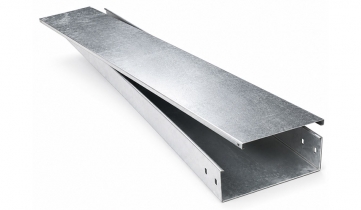
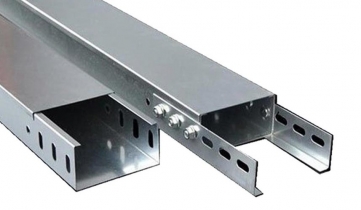
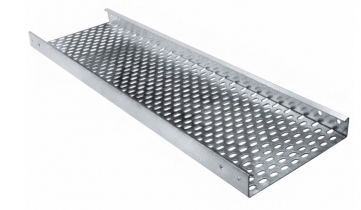
The term cable tray refers to a variety of different products, some of which include a ladder, ventilated bottom, solid bottom, wire mesh, and trough. Each variety of tray is constructed to work with a distinct set of cable arrangements and applications.
When choosing a cable tray, it is essential to take into consideration a variety of factors, including the weight and dimensions of the cables, the setting in which they will be installed, and any applicable codes and standards. It is essential to take into account the particular necessities of the project, such as the cable capacity, accessibility, and ease of installation, among other things.
The answer is yes some cable trays are constructed with fire-retardant materials. Cable trays designed to withstand fire are typically fabricated from materials like galvanized steel or stainless steel, and they are coated with materials designed to withstand fire.