Call Us on







Call Us on

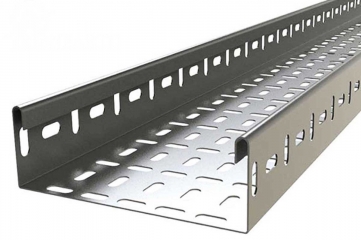
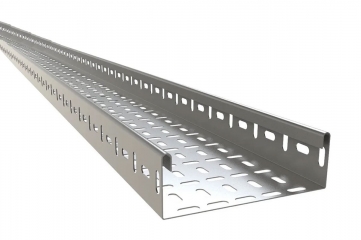
Heavy-duty electrical installations demand infrastructure that does not compromise under load, environmental stress, or the physical demands of long-term industrial operation. Choosing the wrong support system creates problems that compound over time and become increasingly expensive to resolve once the installation is complete. Ladder Cable Trays have earned a strong reputation among engineers and contractors working on demanding projects, and manufacturers like Super Cable Tray Pvt. Ltd. have contributed significantly to establishing what genuine quality looks like in this product category. The reputation is not accidental. It reflects specific structural and practical advantages that make this system consistently outperform alternatives in applications where load capacity, ventilation, and long-term reliability all matter simultaneously.
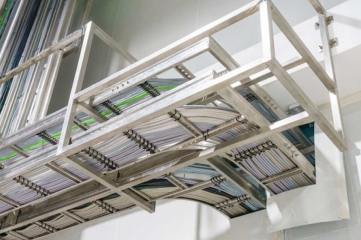
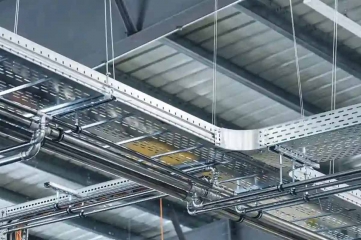
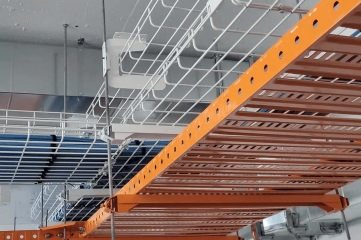
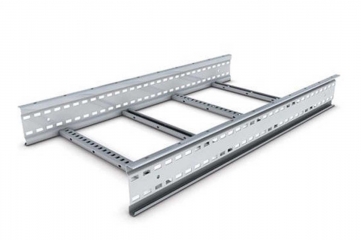
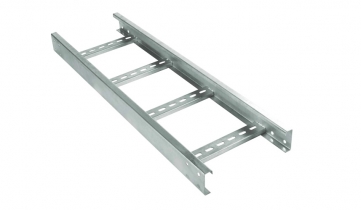
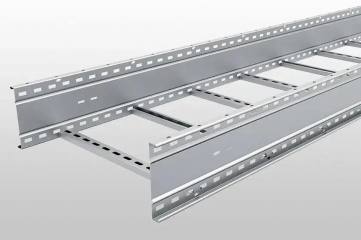
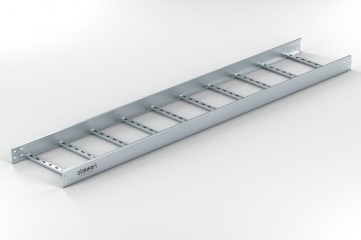
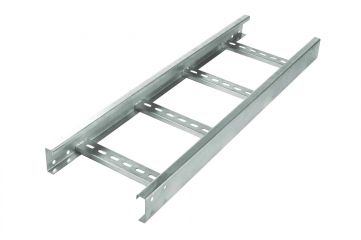
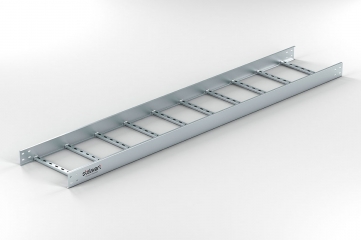
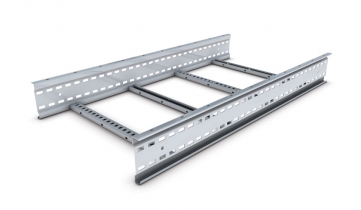
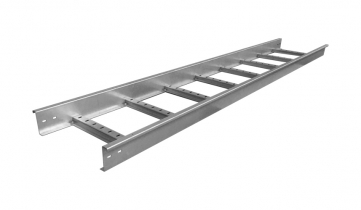
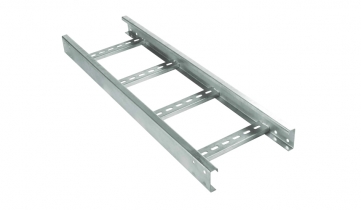
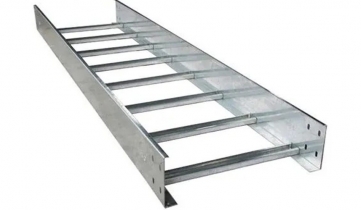
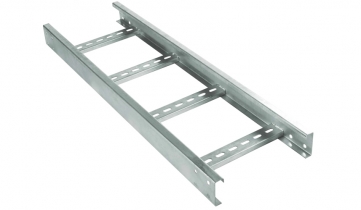
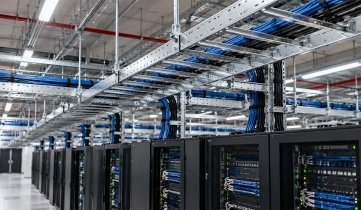
Light-duty cable management solutions work perfectly well in office buildings and light commercial environments. The moment you move into industrial plants, power generation facilities, oil refineries, or large infrastructure projects, the load requirements change completely. Cable bundles in these environments are thick, heavy, and numerous. They run long distances between support points and carry a significant combined weight that cheaper systems are simply not designed to handle. The structural logic of the ladder design addresses this directly. Two longitudinal side rails connected by regularly spaced rungs distribute load across the full system length rather than concentrating stress at single points.
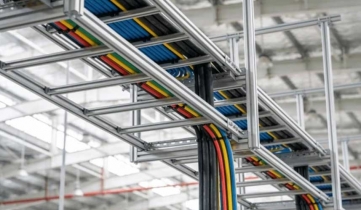
In heavy-duty applications, cable bundles are dense. Power cables carrying significant current generate heat under load, and that heat needs somewhere to go. The open rung design that defines ladder-style cable management creates natural airflow channels around cables throughout their entire run. Heat generated under load dissipates into the surrounding air rather than accumulating within an enclosed space and raising operating temperatures for every cable in the bundle. This thermal management benefit is not trivial. Cables operating consistently below their maximum rated temperature last significantly longer than cables running hot. In large industrial installations where cable replacement is expensive and disruptive, the service life extension that comes from better thermal performance has genuine financial value that compounds across the decades-long operational life of the facility.
Not all systems built on the ladder principle perform equally. The structural advantages of the design only deliver their full potential when the manufacturing behind the product meets genuine quality standards:
Experienced electrical contractors develop strong preferences about which cable management systems install predictably and which ones create problems on-site. Systems that arrive consistently dimensioned, clearly labelled, and properly packaged for site handling reduce the friction that slows installation crews during busy construction phases. Splice plates and connectors that align without forcing allow sections to be joined quickly and accurately. Support brackets that adjust cleanly to accommodate varying installation heights reduce the rework that accumulates when every mounting point requires individual problem-solving. Contractors who have worked with well-manufactured ladder systems on demanding projects know the difference that consistent quality makes to both installation speed and the confidence they have in the finished result.
One of the practical economic advantages that ladder-style systems offer in large industrial installations is their ability to span greater distances between mounting supports without structural compromise. In facilities where support structure installation is itself a high cost, reducing the number of mounting points required across a long cable run has genuine financial value. Systems engineered for long span performance allow project engineers to design support layouts that reduce material and labour costs in the support structure without compromising the integrity of the cable management system above it. This advantage is most significant in large open industrial spaces, elevated cable runs across production floors, and outdoor installations where support structure complexity directly affects both installation cost and long-term maintenance access.
Reliable electrical infrastructure in demanding industrial environments is built on decisions that prioritise long-term performance over short-term cost savings. The support system carrying heavy cable bundles through decades of industrial operation needs to hold its structural integrity, manage heat effectively, resist the environmental conditions around it, and accommodate the inevitable changes that facilities undergo over time. Systems that deliver on all of these requirements consistently earn their place in serious industrial applications through demonstrated performance rather than marketing claims.
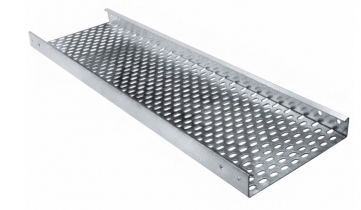
An electrical and communication cable management and organization system known as a cable tray is utilized to accommodate various types of cables, it is typically made of metal, such as aluminum or steel, and is available in a variety of sizes and shapes.
Several advantages of using a cable tray include better cable management, increased safety, and simpler maintenance. In comparison to other conduit systems, cable trays can offer a more effective and affordable solution.
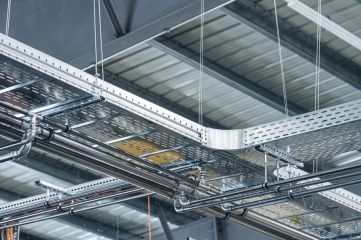
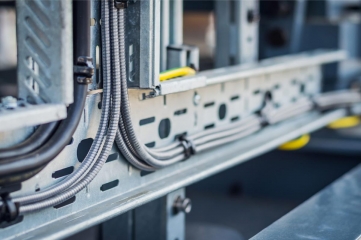
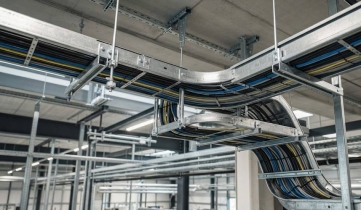
Cable trays can be installed in a number of ways, such as hanging from ceilings, mounting on walls, or using floor stands as support. The installation procedure typically entails cutting and fitting the tray to the required length as well as mounting brackets, supports, and hardware.
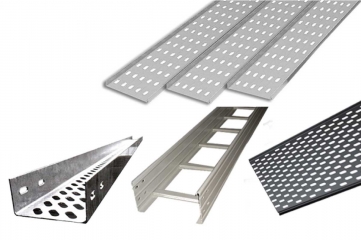
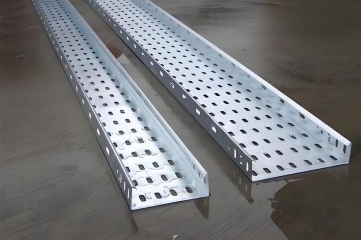
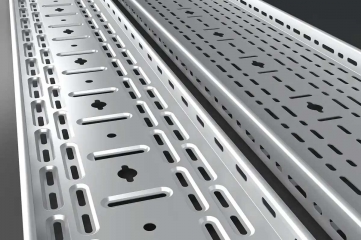
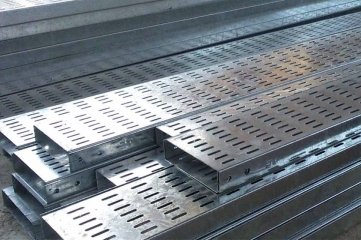
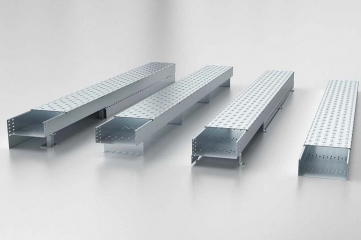
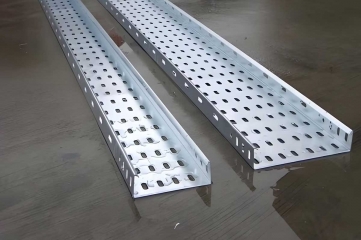
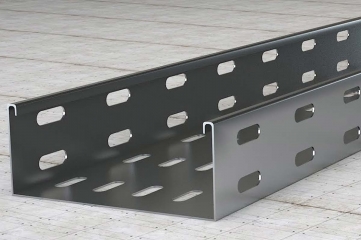
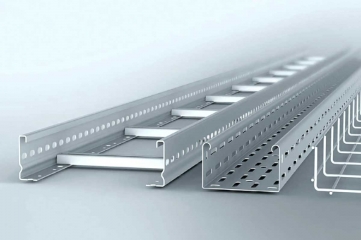
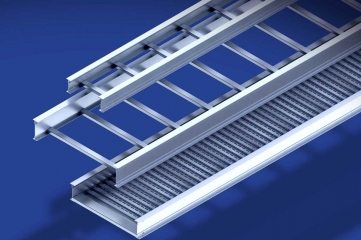
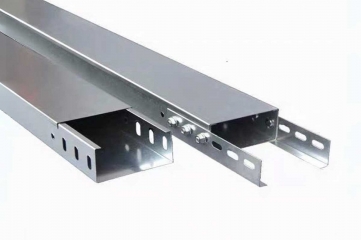
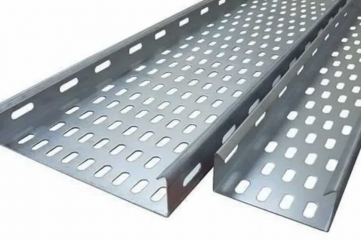
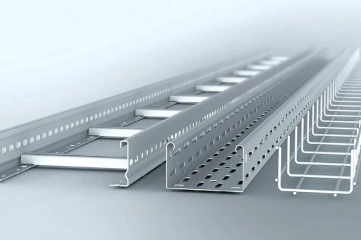
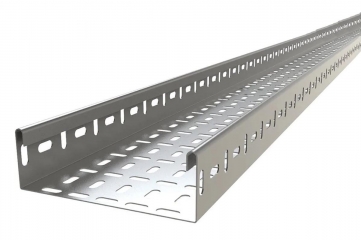
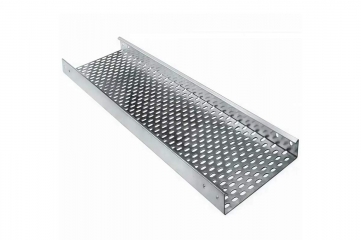
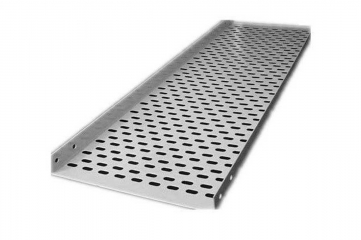
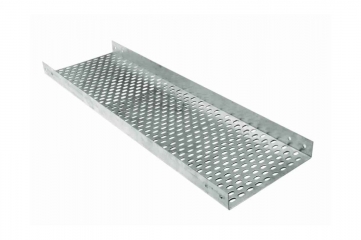
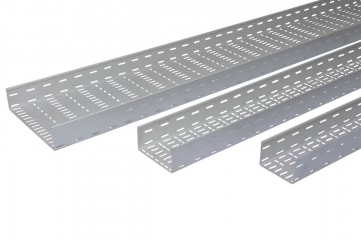
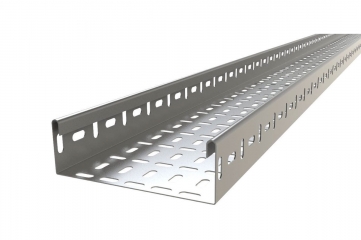
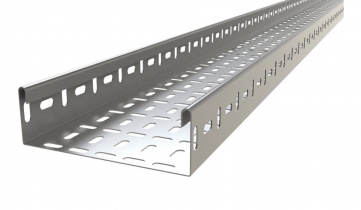
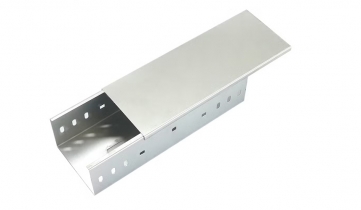
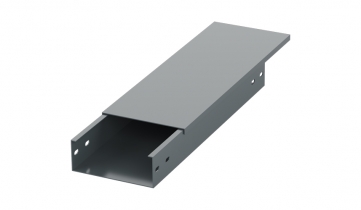
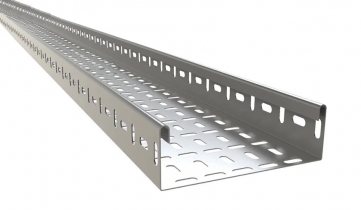
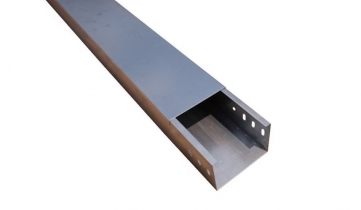
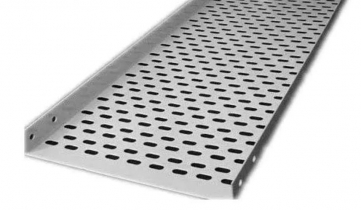
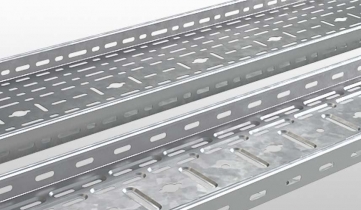
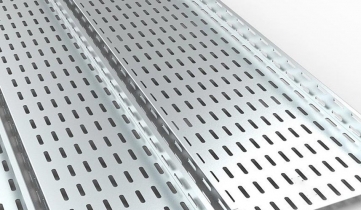
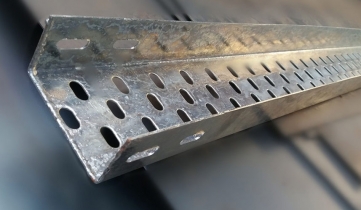
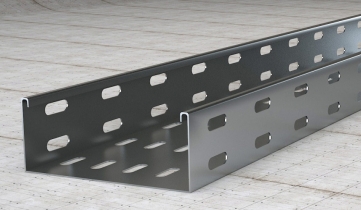
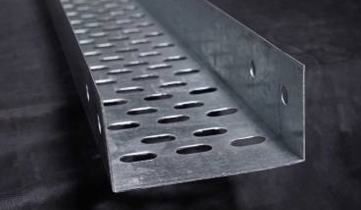
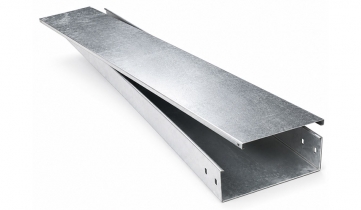
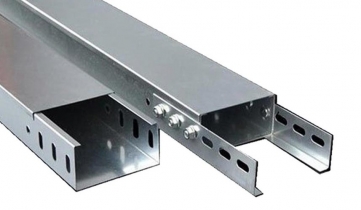
The term cable tray refers to a variety of different products, some of which include a ladder, ventilated bottom, solid bottom, wire mesh, and trough. Each variety of tray is constructed to work with a distinct set of cable arrangements and applications.
When choosing a cable tray, it is essential to take into consideration a variety of factors, including the weight and dimensions of the cables, the setting in which they will be installed, and any applicable codes and standards. It is essential to take into account the particular necessities of the project, such as the cable capacity, accessibility, and ease of installation, among other things.
The answer is yes some cable trays are constructed with fire-retardant materials. Cable trays designed to withstand fire are typically fabricated from materials like galvanized steel or stainless steel, and they are coated with materials designed to withstand fire.