Call Us on







Call Us on
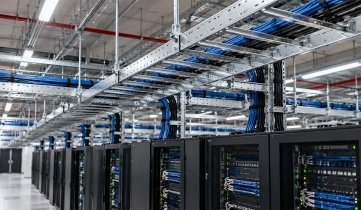
Electrical infrastructure decisions made early in a project tend to stay with a facility for decades. Getting those decisions right matters far more than most people realise until they are dealing with the consequences of getting them wrong. Traditional conduit wiring methods served their purpose for a long time, but they come with limitations that become increasingly frustrating as facilities grow and electrical demands change. The Cable Tray system has become the preferred alternative for engineers and facility managers who think beyond initial installation costs, and companies like Super Cable Tray Pvt. Ltd. have played a real role in demonstrating what a well-engineered system looks like in practice. The comparison between the two approaches is worth understanding properly before any major electrical infrastructure decision is made.
Conduit wiring looks straightforward on paper. Pipes, pull wire, terminate. But anyone who has managed a facility running extensive conduit infrastructure knows how quickly the hidden costs add up over time. Adding a new circuit to an already occupied conduit requires pulling all existing cables, which means taking systems offline during the process. Tracing a fault through a conduit system buried in walls or concrete slabs requires significantly more investigative work than most maintenance budgets account for. Modifications during construction are expensive because conduit paths are fixed once installed, and changing them requires physical alteration of the structure around them.
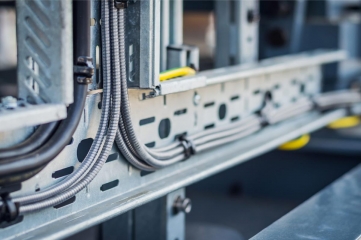
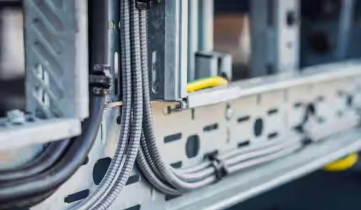
Accessibility is the single biggest practical advantage that open routing systems offer over enclosed conduit alternatives. When cables are visible, supported, and organised along a clearly planned route, maintenance work becomes dramatically more straightforward:
One of the less discussed but genuinely important advantages of open cable management over enclosed conduit systems involves thermal performance. Cables generate heat under load, and that heat needs somewhere to go. In enclosed conduit systems, heat builds up within the pipe and raises the operating temperature of every cable inside it. Sustained elevated temperatures accelerate insulation degradation and reduce the effective service life of the cables themselves. Open routing systems allow heat to dissipate naturally into the surrounding air rather than concentrating it within an enclosed space. Cables running at lower operating temperatures last longer, perform more reliably, and require less frequent replacement than the same cables running hotter inside an enclosed conduit.
Construction timelines have financial consequences that project managers track carefully. Every day of delay has a cost, and electrical installation is frequently on the critical path of major construction projects. Traditional conduit installation is labour-intensive and sequential. Pipes must be installed before cables can be pulled. Pulling cables through occupied conduit requires steady, controlled effort and often multiple attempts when bends are tight or distances are long. Open routing systems install faster because the support infrastructure goes up quickly, and cable laying happens without the resistance and friction that conduit pulling creates. Larger cable cross-sections that would be extremely difficult to pull through conduit can be laid into open systems without special equipment or excessive labour.
Facilities change. Equipment gets added, relocated, and upgraded. Electrical demands that seemed adequate at commissioning become insufficient within a few years as operations evolve. The routing infrastructure installed during construction either accommodates that growth cleanly or creates expensive obstacles to it. Open systems with available capacity allow new cables to be added alongside existing ones without structural modification. Width and depth options available in well-designed systems mean that initial installations can be specified with future growth in mind rather than built to exact present requirements that become inadequate quickly.
The choice between different electrical routing approaches is ultimately a decision about how much friction a facility is willing to accept across its operational lifetime. Systems that are easy to maintain, easy to modify, and genuinely built to handle growth deliver value that extends far beyond the initial installation. The upfront thinking required to plan and specify a well-designed routing infrastructure pays back steadily through every maintenance visit, every circuit addition, and every facility upgrade that happens without requiring expensive and disruptive rework. That long-term perspective is what separates genuinely good infrastructure decisions from ones that simply appear adequate at the time they are made.
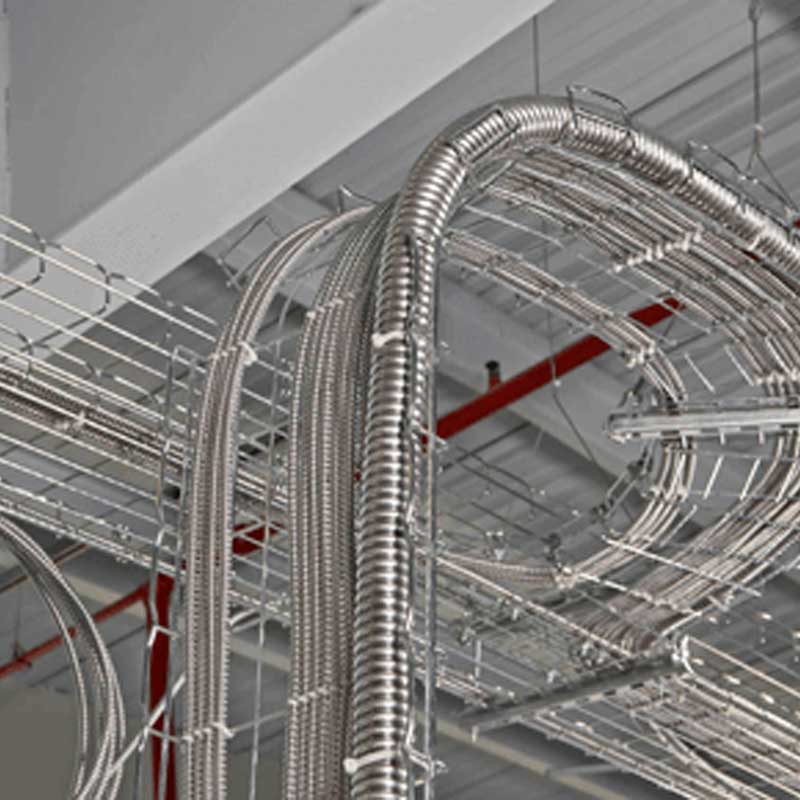
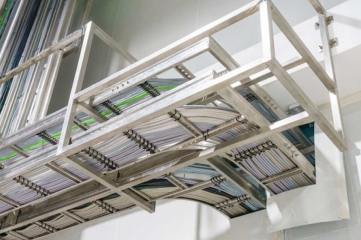
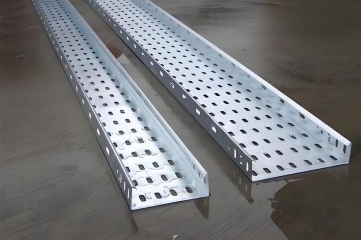
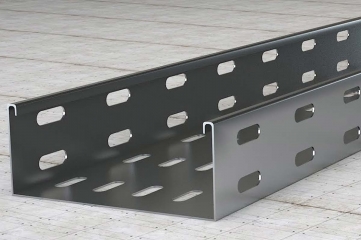
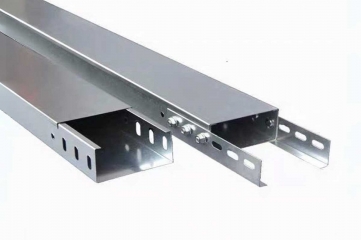
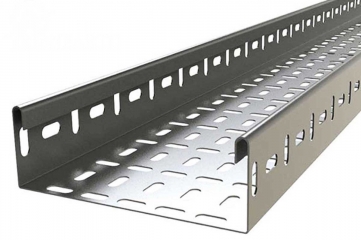
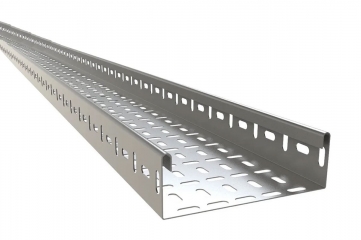
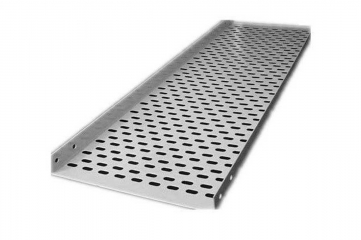
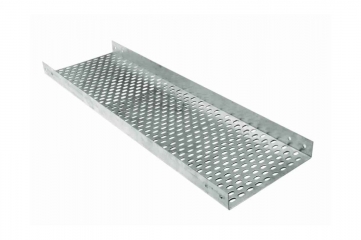
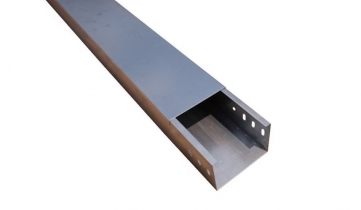
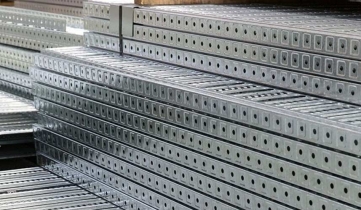
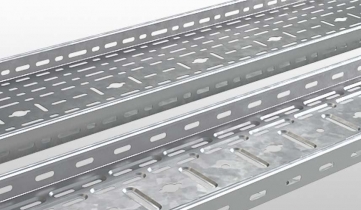
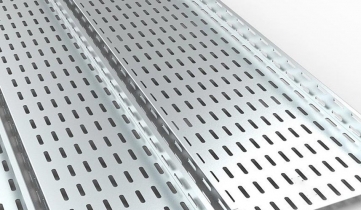
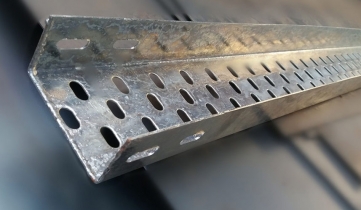
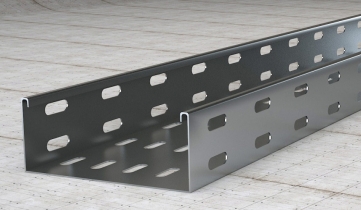
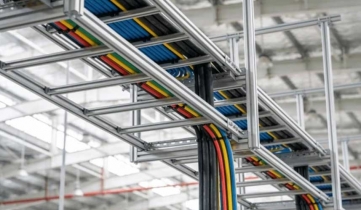
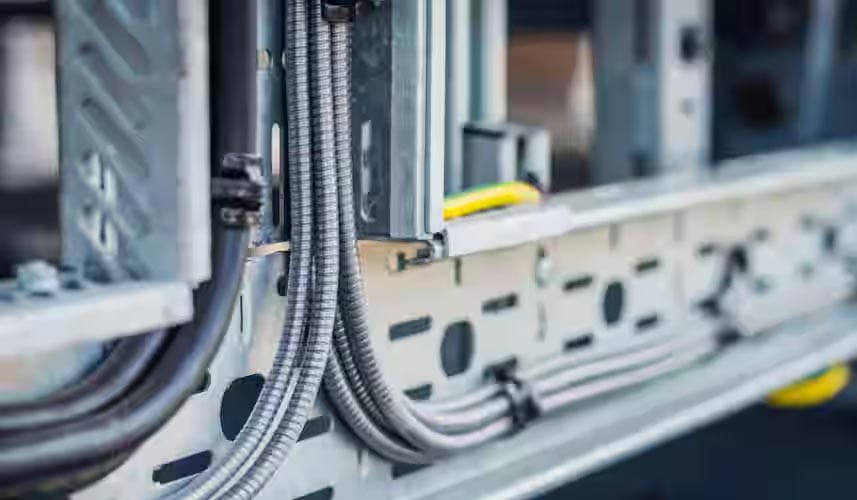
An electrical and communication cable management and organization system known as a cable tray is utilized to accommodate various types of cables, it is typically made of metal, such as aluminum or steel, and is available in a variety of sizes and shapes.
Several advantages of using a cable tray include better cable management, increased safety, and simpler maintenance. In comparison to other conduit systems, cable trays can offer a more effective and affordable solution.
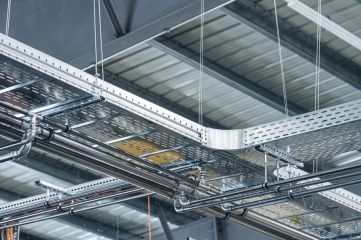
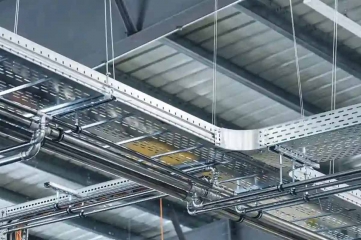
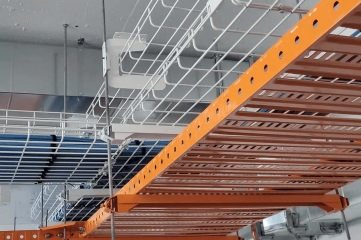
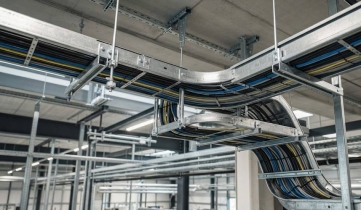
Cable trays can be installed in a number of ways, such as hanging from ceilings, mounting on walls, or using floor stands as support. The installation procedure typically entails cutting and fitting the tray to the required length as well as mounting brackets, supports, and hardware.
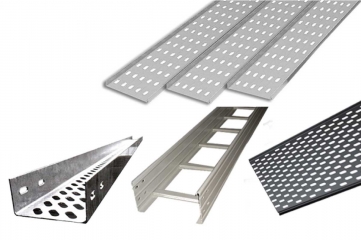
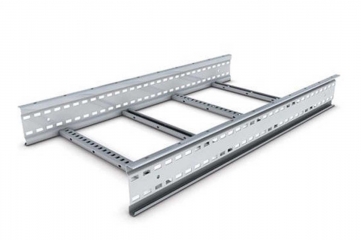
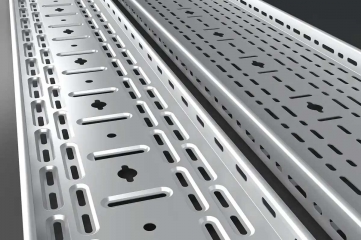
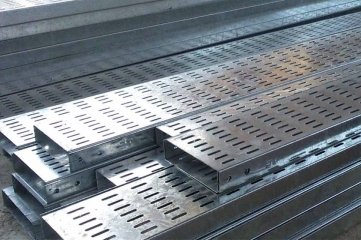
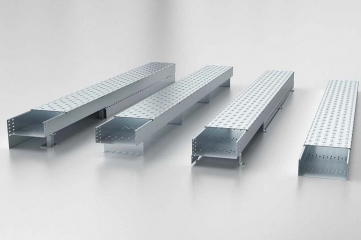
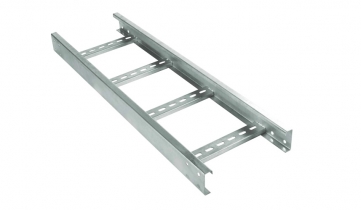
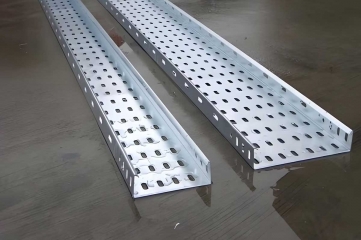
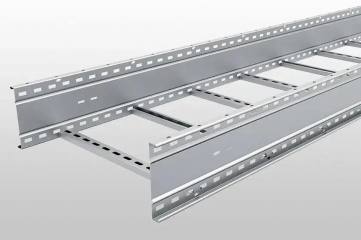
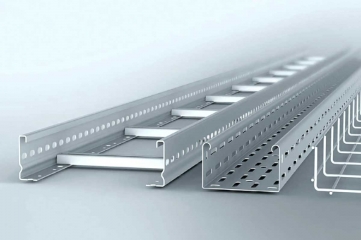
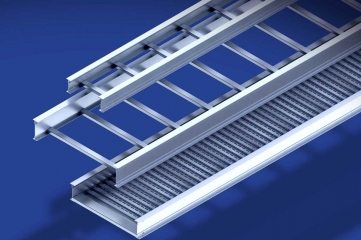
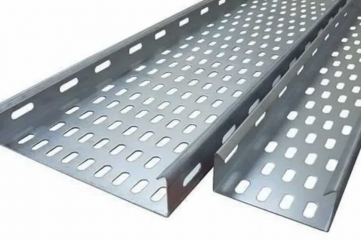
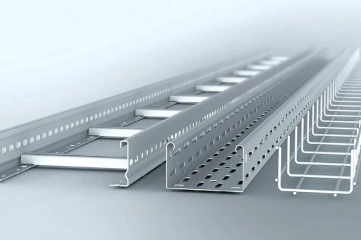
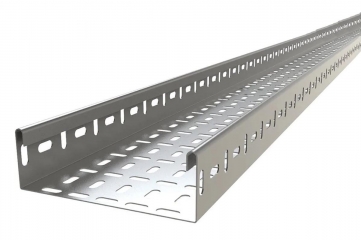
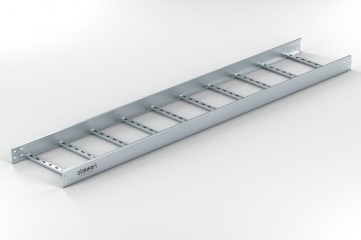
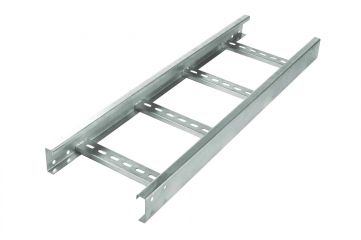
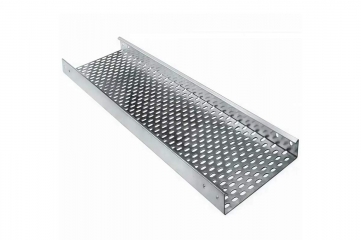
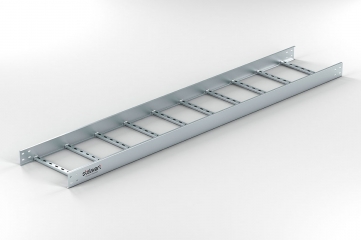
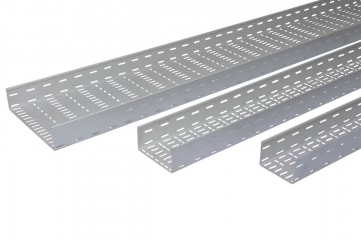
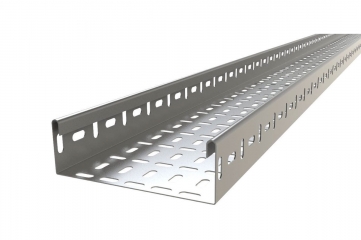
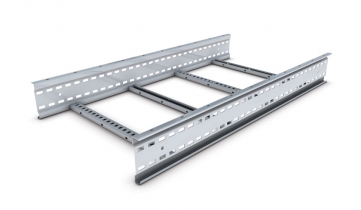
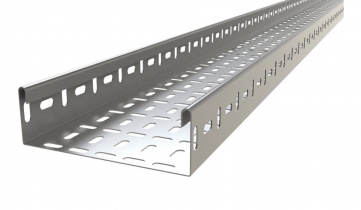
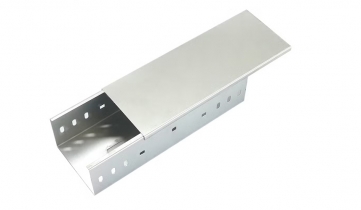
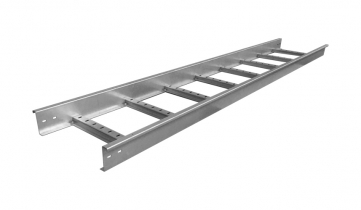
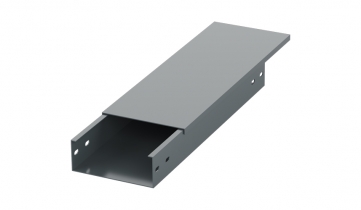
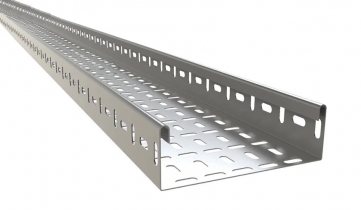
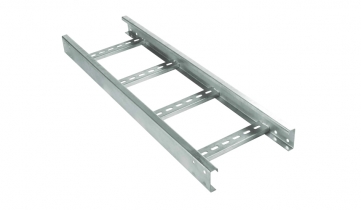
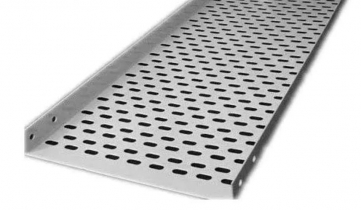
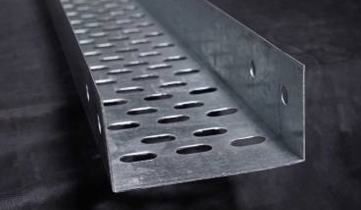
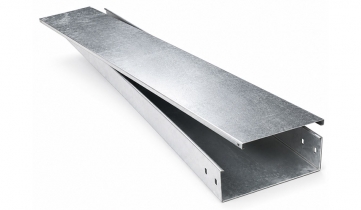
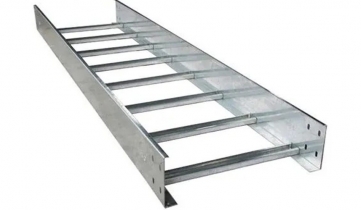
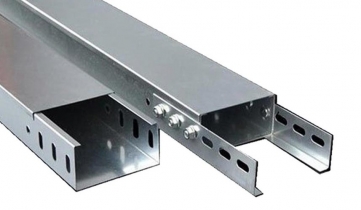
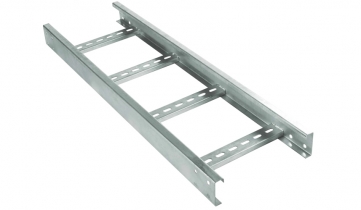
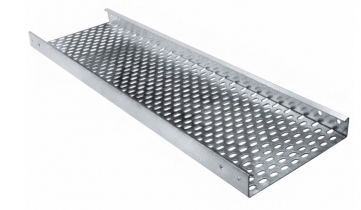
The term cable tray refers to a variety of different products, some of which include a ladder, ventilated bottom, solid bottom, wire mesh, and trough. Each variety of tray is constructed to work with a distinct set of cable arrangements and applications.
When choosing a cable tray, it is essential to take into consideration a variety of factors, including the weight and dimensions of the cables, the setting in which they will be installed, and any applicable codes and standards. It is essential to take into account the particular necessities of the project, such as the cable capacity, accessibility, and ease of installation, among other things.
The answer is yes some cable trays are constructed with fire-retardant materials. Cable trays designed to withstand fire are typically fabricated from materials like galvanized steel or stainless steel, and they are coated with materials designed to withstand fire.