Call Us on






Call Us on
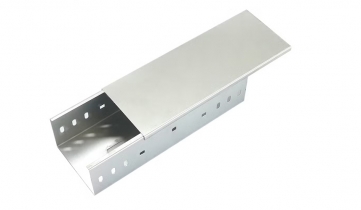
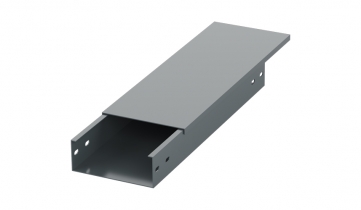
A poorly planned layout creates maintenance headaches safety risks and the kind of tangled infrastructure that nobody wants to deal with during a project. The correct method requires starters because it delivers benefits that extend throughout the entire process. The Raceway Cable Tray system has earned its place as a preferred solution for facilities that need clean, organised, and durable cable routing, and manufacturers like Super Cable Tray Pvt Ltd have built a solid reputation around delivering exactly that standard. When the layout is clean and the hardware performs reliably, everything else in the electrical infrastructure becomes easier to manage.
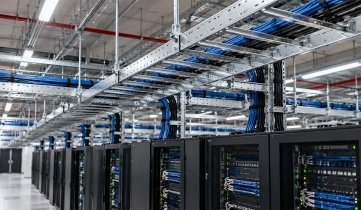
Walk into any well-managed industrial facility or commercial building, and the cable management tells you something immediately about how the entire operation is run. Organised routing is not just about aesthetics. It directly affects how quickly technicians can identify faults, how safely maintenance work can be carried out, and how efficiently future upgrades or expansions can be planned. Facilities running a disorganised cable infrastructure spend more time on routine maintenance because tracing a specific line through a chaotic layout takes far longer than it should. Properly routed cables also reduce wear caused by friction, heat buildup, and physical stress that accumulates over time in poorly supported installations. The upfront investment in a properly designed routing system pays back steadily across the life of the facility.
Not all raceway systems perform equally once they leave the catalogue and enter a real installation environment. The hardware has to hold up under the actual loads placed on it, resist the environmental conditions present in the facility, and remain stable across temperature fluctuations that cause materials to expand and contract over time. Several factors determine whether a system truly performs or simply looks adequate during initial inspection:
No two facilities have identical cable routing requirements. Industrial plants, commercial towers, data centres, and infrastructure projects each present specific spatial constraints, load requirements, and maintenance access needs that a rigid system cannot accommodate. Design flexibility in a raceway system is not a luxury feature. It is a practical necessity for installers working in environments where routing paths change direction frequently, clearances are tight, and future expansion needs to be anticipated during the initial installation.
Electrical contractors and project managers understand that installation speed matters as much as product quality when deadlines are tight. A raceway system that installs cleanly and predictably keeps projects moving. Splice plates that align without forcing, covers that clip securely without special tools, and support brackets that adjust without requiring rework at every anchor point all contribute to a smoother installation experience. Contractors who have worked with well-engineered systems develop strong preferences and rarely switch suppliers without a compelling reason.
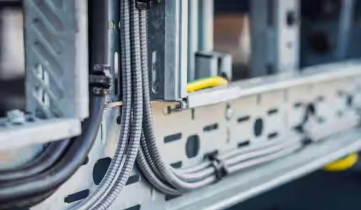
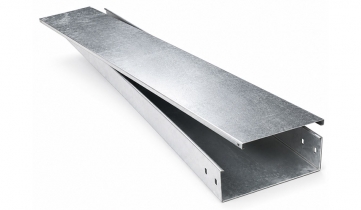
A cable management system that performs well at installation but creates ongoing maintenance demands is not truly delivering value. Facilities running properly specified raceway systems report significantly lower maintenance overhead because cables remain accessible, identifiable, and protected across years of operation. Future cable additions can be routed through existing infrastructure without disturbing installed cables. Damaged sections can be replaced without requiring a complete system overhaul. Cover systems that remove and replace cleanly allow inspection and maintenance work to be completed efficiently rather than requiring extended downtime.
Good cable management infrastructure is one of those investments that reveals its value gradually rather than all at once. The facilities that get it right from the beginning spend less time managing problems, less money on reactive maintenance, and less effort planning expansions than those that treat routing as an afterthought. Choosing hardware that is genuinely engineered for performance, designed for installation efficiency, and built to last across years of real-world use is the decision that makes everything downstream easier. That outcome is worth getting right the first time.
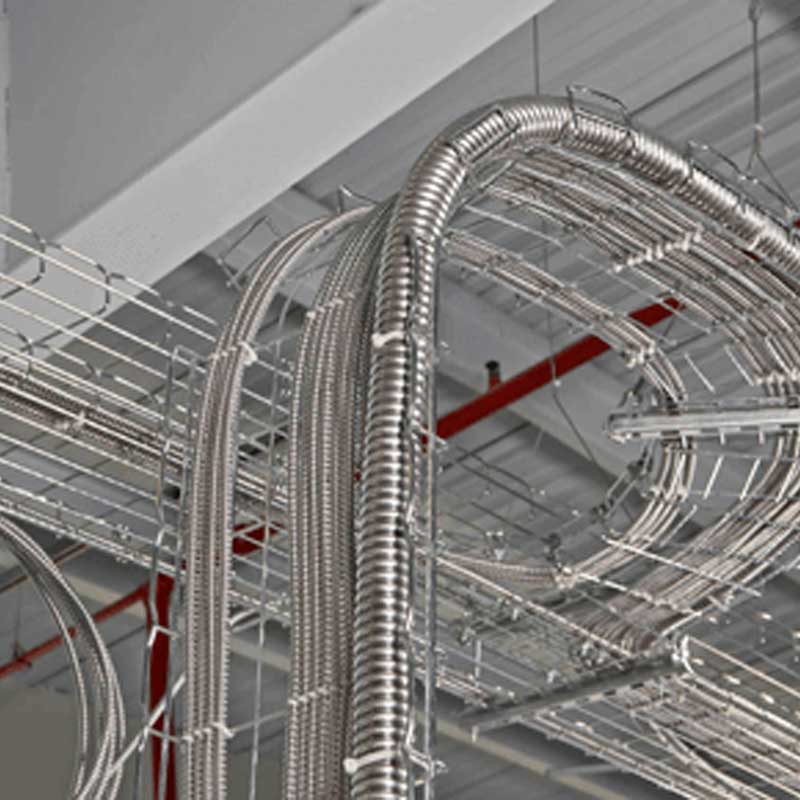
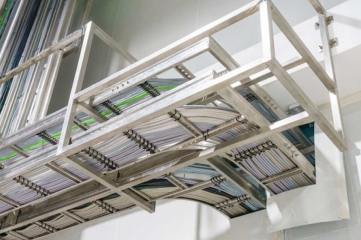
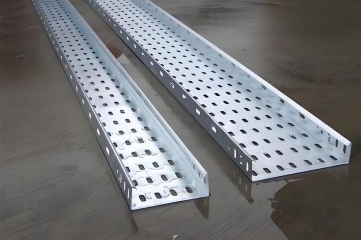
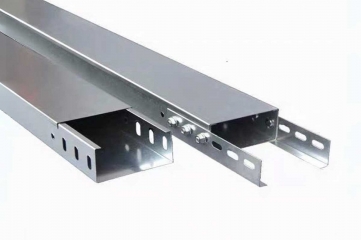
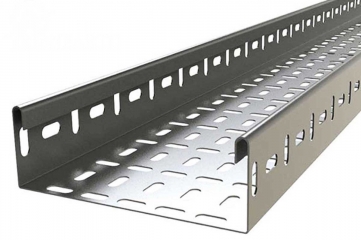
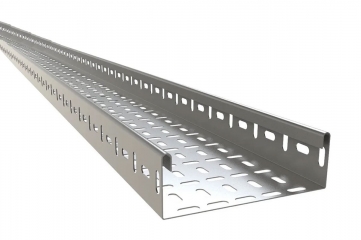
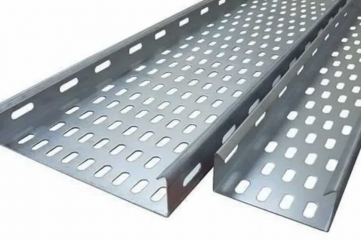
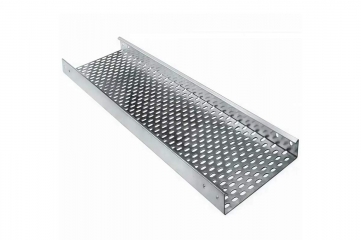
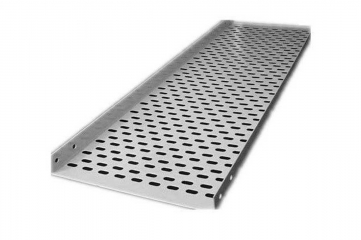
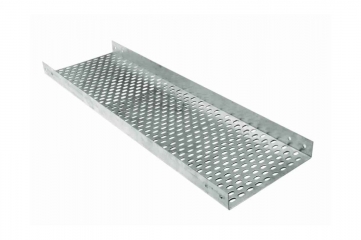
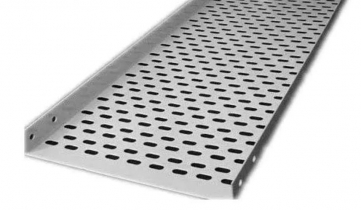
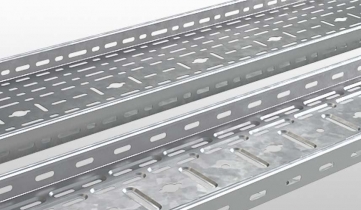
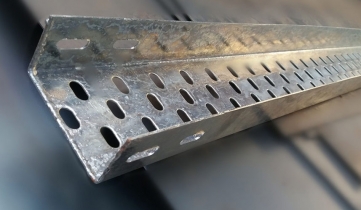
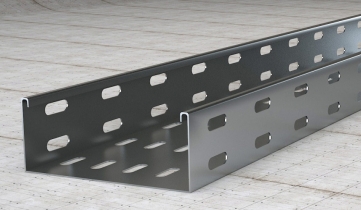
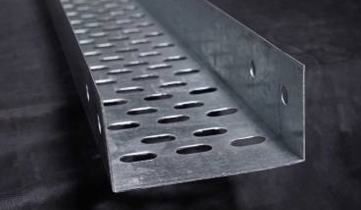
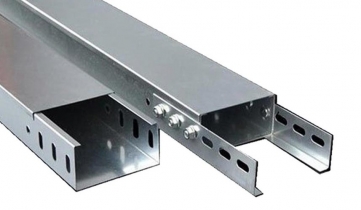
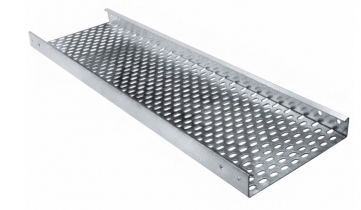
An electrical and communication cable management and organization system known as a cable tray is utilized to accommodate various types of cables, it is typically made of metal, such as aluminum or steel, and is available in a variety of sizes and shapes.
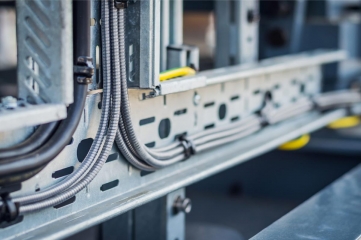
Several advantages of using a cable tray include better cable management, increased safety, and simpler maintenance. In comparison to other conduit systems, cable trays can offer a more effective and affordable solution.
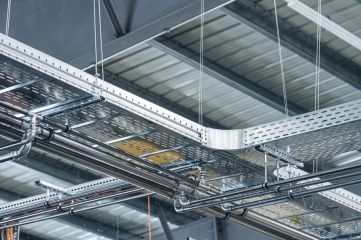
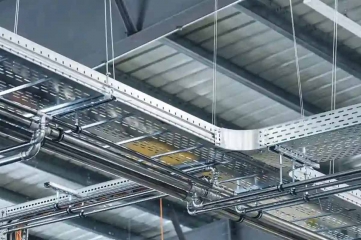
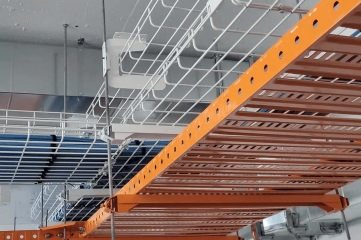
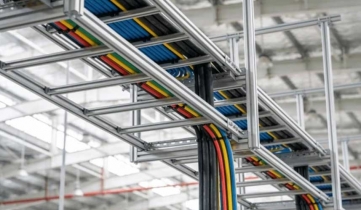
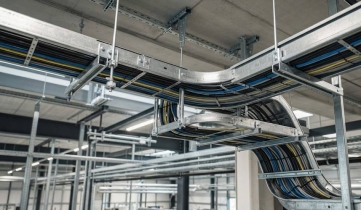
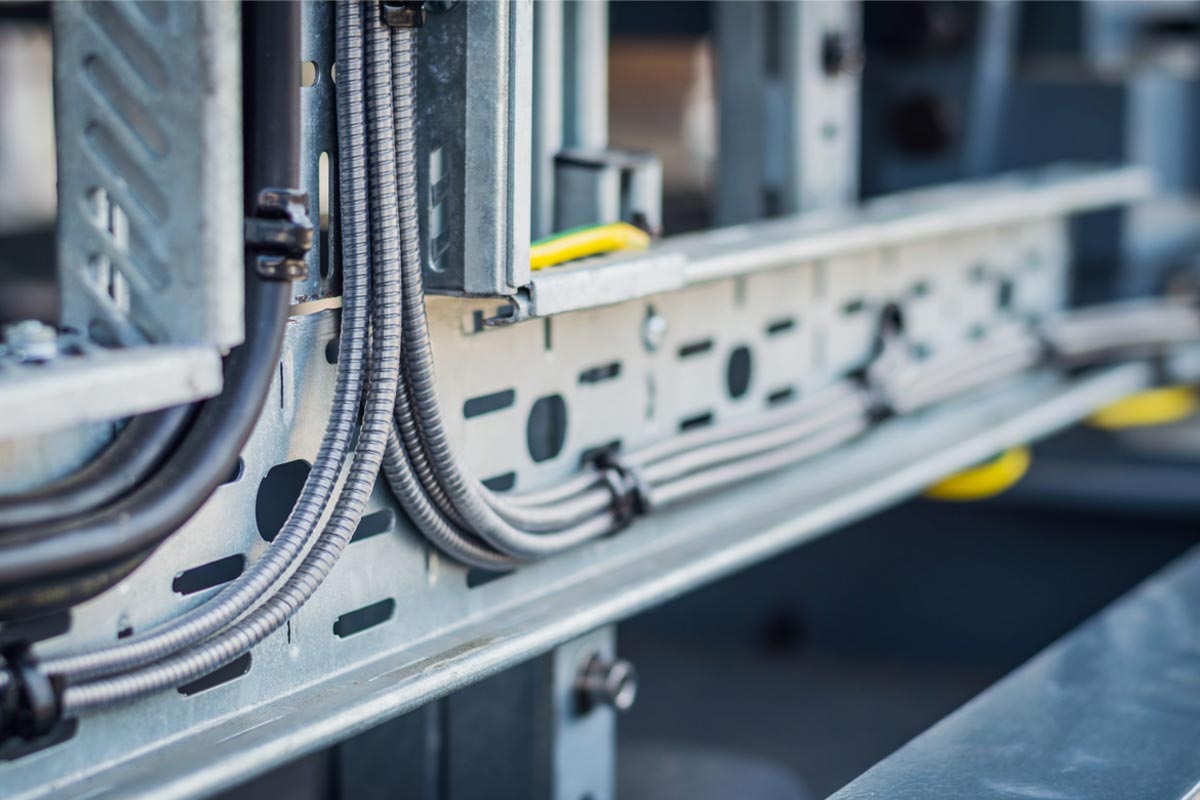
Cable trays can be installed in a number of ways, such as hanging from ceilings, mounting on walls, or using floor stands as support. The installation procedure typically entails cutting and fitting the tray to the required length as well as mounting brackets, supports, and hardware.
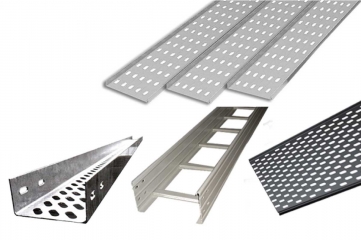
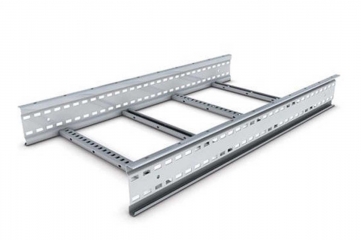
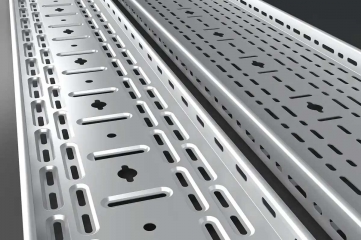
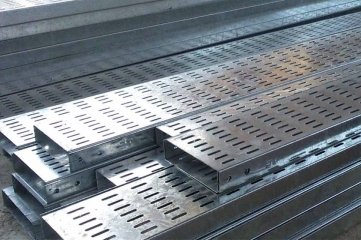
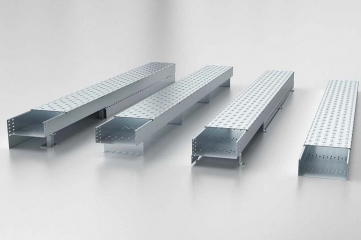
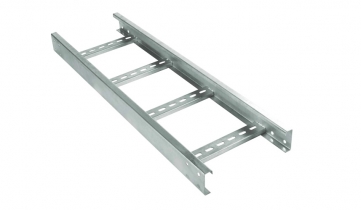
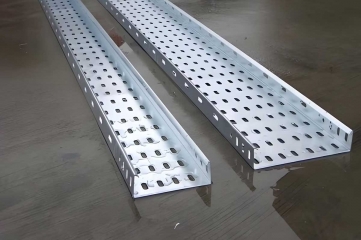
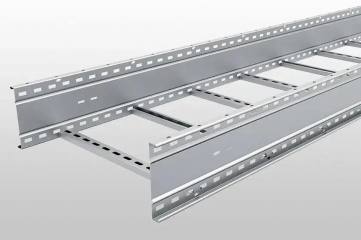
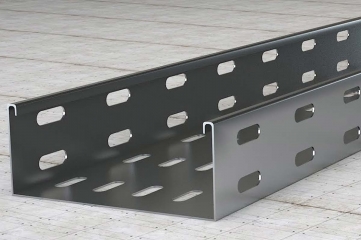
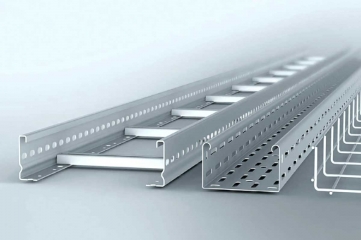
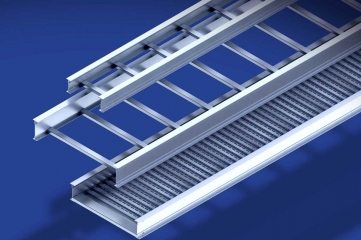
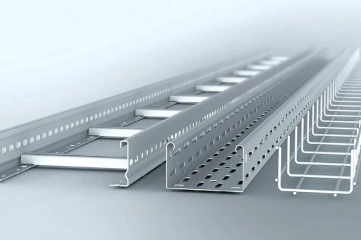
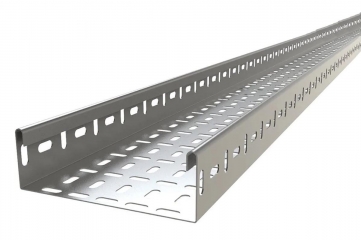
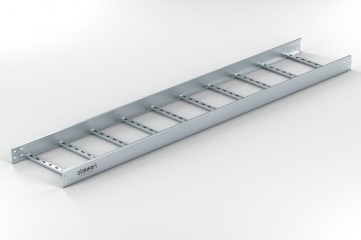
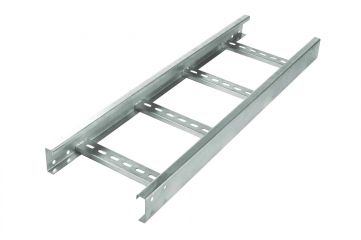
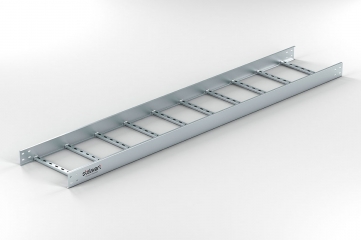
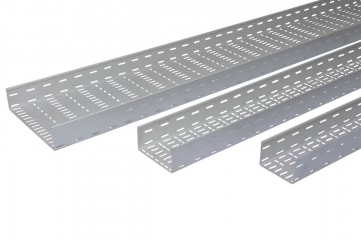
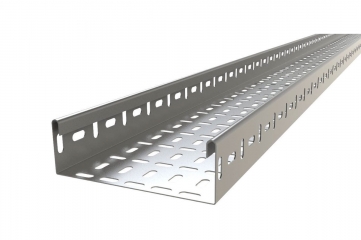
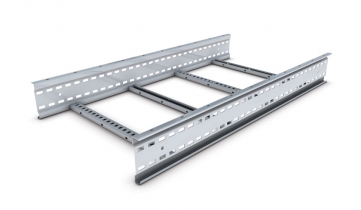
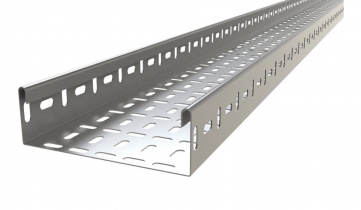
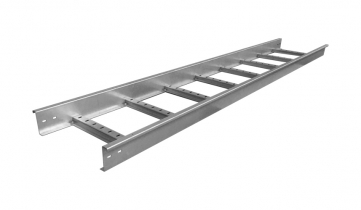
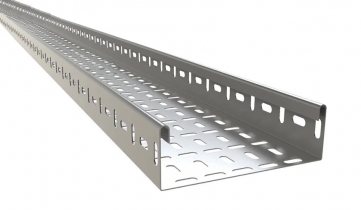
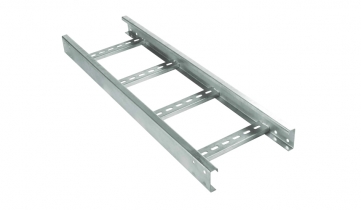
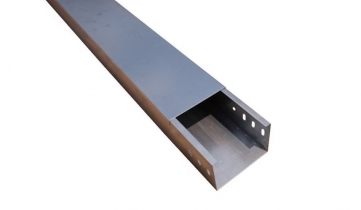
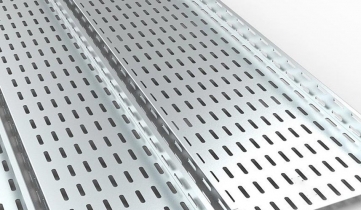
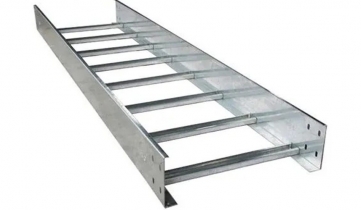
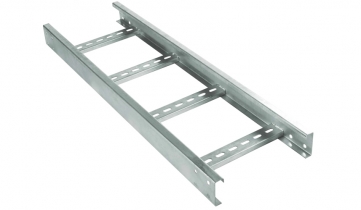
The term cable tray refers to a variety of different products, some of which include a ladder, ventilated bottom, solid bottom, wire mesh, and trough. Each variety of tray is constructed to work with a distinct set of cable arrangements and applications.
When choosing a cable tray, it is essential to take into consideration a variety of factors, including the weight and dimensions of the cables, the setting in which they will be installed, and any applicable codes and standards. It is essential to take into account the particular necessities of the project, such as the cable capacity, accessibility, and ease of installation, among other things.
The answer is yes some cable trays are constructed with fire-retardant materials. Cable trays designed to withstand fire are typically fabricated from materials like galvanized steel or stainless steel, and they are coated with materials designed to withstand fire.