Call Us on







Call Us on
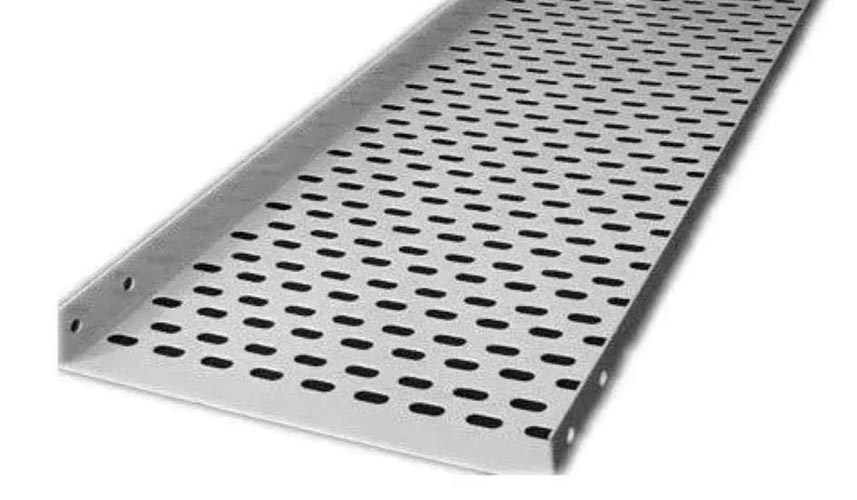
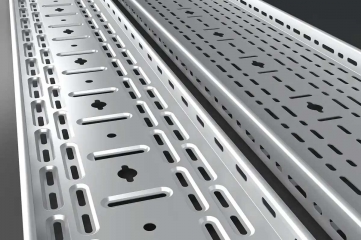
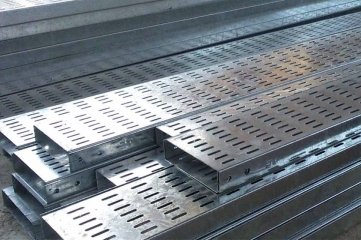
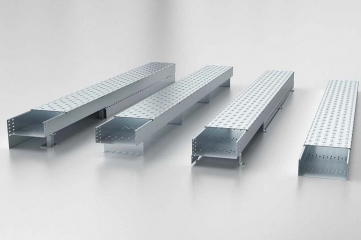
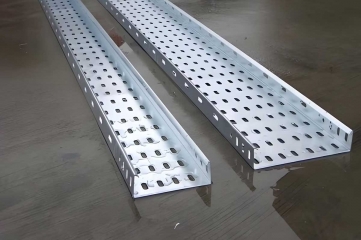
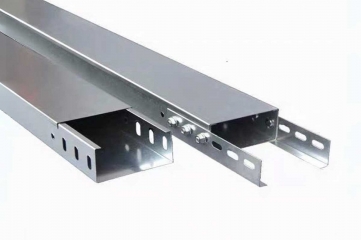
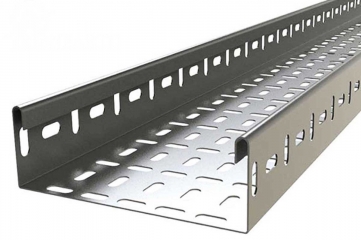
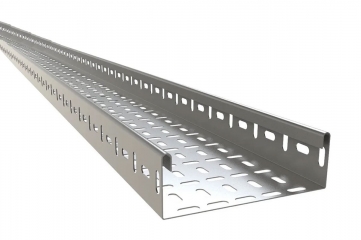
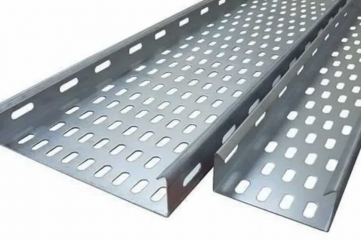
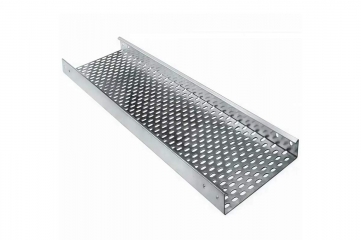
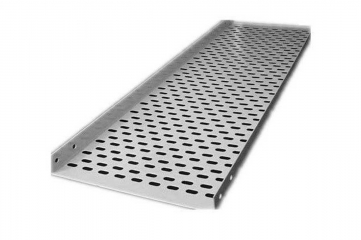
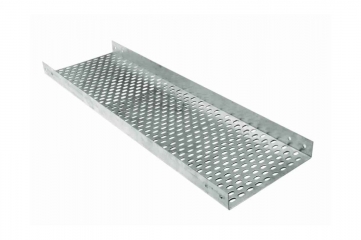
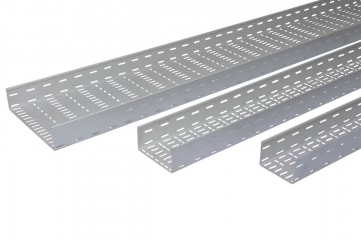
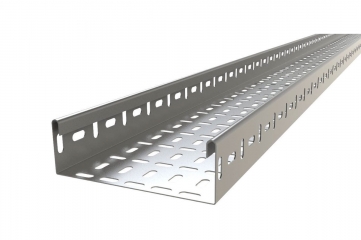
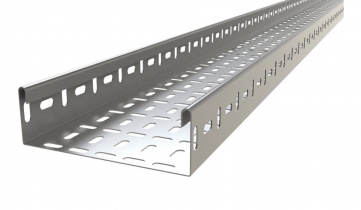
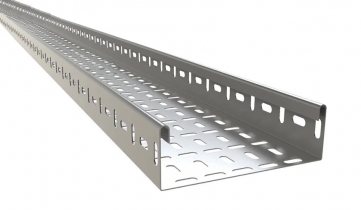
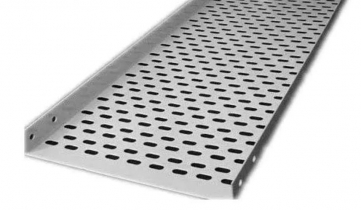
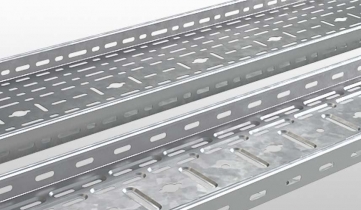
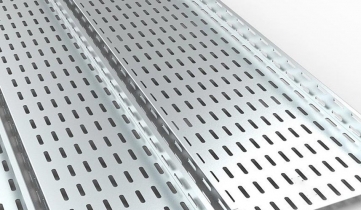
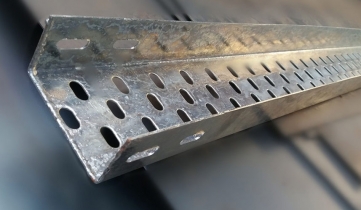
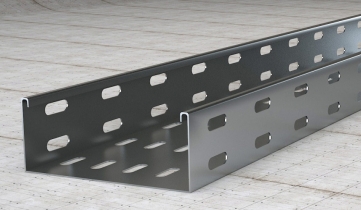
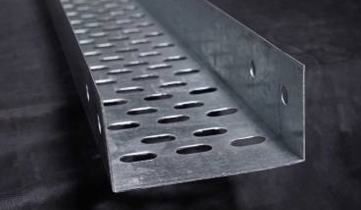
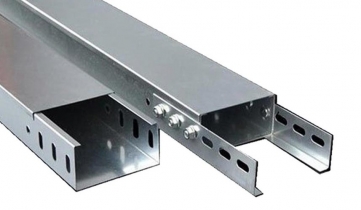
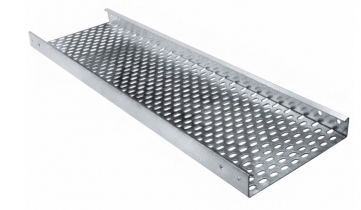
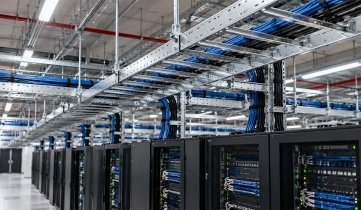
Electrical planning decisions made during construction have a way of defining how smoothly a facility operates for years afterwards. Choose the wrong routing system, and you spend the next decade working around its limitations. Choose well, and the infrastructure largely takes care of itself. Perforated Cable Trays have become a genuinely preferred solution among engineers and contractors who understand what long-term electrical infrastructure management actually involves, and manufacturers like Super Cable Tray Pvt. Ltd. have helped establish what reliable performance in this category looks like. The reasons facilities are moving away from traditional wiring methods toward open tray systems are practical, well-documented, and worth understanding before any major infrastructure decision gets finalised.
Conduit wiring has a long history and a legitimate place in certain applications. But its limitations become very apparent once a facility is operational and evolving. Adding a new circuit to a fully occupied conduit run means pulling every existing cable out, which takes the connected systems offline during the process. Tracing a specific cable fault through metres of enclosed pipe buried behind walls or above ceiling panels requires time and investigative effort that inflates maintenance costs significantly. Physical modifications to conduit paths during facility upgrades often require structural work that disrupts operations well beyond the electrical scope of the project. These are not rare occurrences.
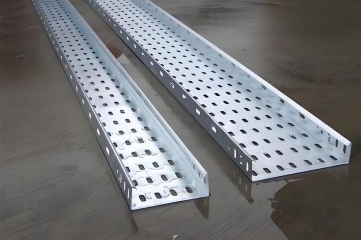
Heat management in electrical infrastructure is one of those topics that does not get enough attention during the procurement phase. Cables generate heat under load, and what happens to that heat depends entirely on the routing system around them. Enclosed conduit traps heat within the pipe, raising operating temperatures for every cable inside it. Sustained heat above rated operating temperatures degrades insulation faster, reduces cable service life, and increases the risk of thermal faults developing over time. Perforated tray designs address this directly by allowing airflow around cables throughout their full run. Heat dissipates naturally rather than concentrating in an enclosed space.
Anyone who has managed a major electrical installation knows that labour hours and project timelines are directly connected to how the routing system is installed. Traditional conduit work is sequential and time-consuming. Pipes go in first. Cable pulling happens after, with friction and bend resistance making the process slow and physically demanding for installation crews. Open tray systems change this dynamic considerably:
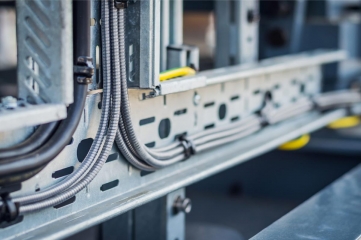
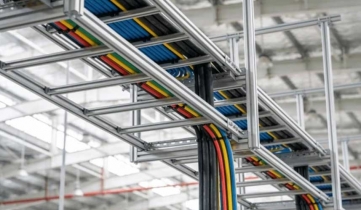
The most compelling long-term argument for open cable routing systems is what they do to the cost and effort of ongoing maintenance. When cables are visible, supported, and organised along clearly defined routes, maintenance work changes character entirely. Fault identification that requires hours of investigation in a conduit system can often be completed in minutes when cables are visually traceable. Cable additions for new equipment or circuit expansions happen without disturbing existing installations or creating outages beyond what the specific new connection requires. Inspection of cable condition, including insulation wear, physical damage, or thermal stress, can be incorporated into routine maintenance walks rather than requiring dedicated investigative sessions.
Facilities rarely stay the same for long. Equipment gets added. Operations expand. Electrical demands that seemed adequate at commissioning become insufficient within a few years as the business evolves around them. Infrastructure that accommodates growth cleanly has genuine long-term value that fixed conduit systems simply cannot match. Open tray systems with available capacity allow new cables to be added alongside existing ones as requirements change. Systems specified with future expansion in mind during initial installation avoid the expensive rework that facilities face when conduit infrastructure reaches capacity and needs to be supplemented or replaced entirely.
The infrastructure choices made during a facility's construction phase define the working environment for everyone who maintains and operates it afterwards. Systems that are straightforward to maintain, genuinely adaptable to changing requirements, and built to perform across decades rather than just during initial commissioning deliver value that goes far beyond the original installation budget. Taking the time to evaluate routing options properly, understand their long-term performance implications, and specify systems that serve the facility's future as well as its present needs in the entire operational life of the building.
An electrical and communication cable management and organization system known as a cable tray is utilized to accommodate various types of cables, it is typically made of metal, such as aluminum or steel, and is available in a variety of sizes and shapes.
Several advantages of using a cable tray include better cable management, increased safety, and simpler maintenance. In comparison to other conduit systems, cable trays can offer a more effective and affordable solution.
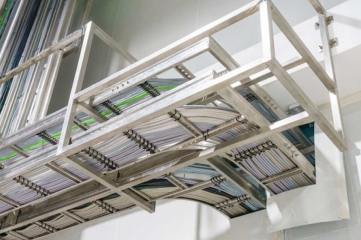
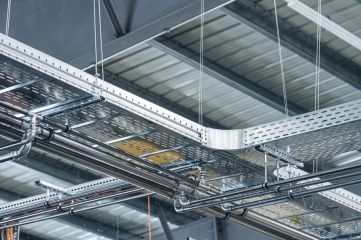
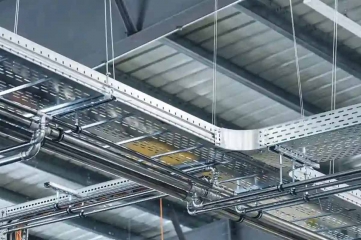
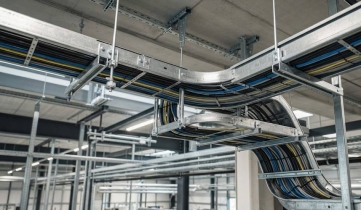
Cable trays can be installed in a number of ways, such as hanging from ceilings, mounting on walls, or using floor stands as support. The installation procedure typically entails cutting and fitting the tray to the required length as well as mounting brackets, supports, and hardware.
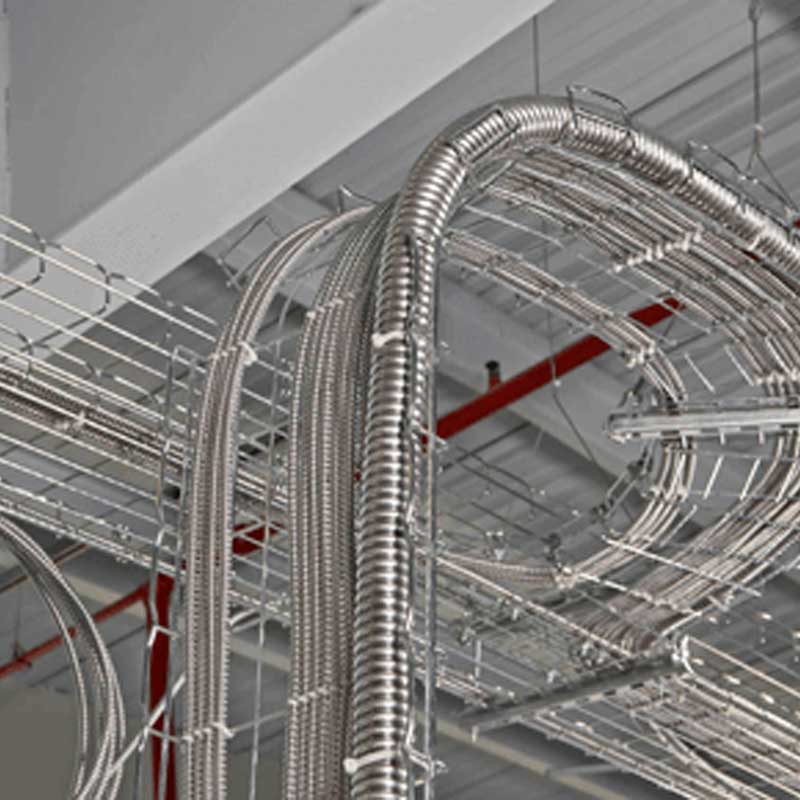
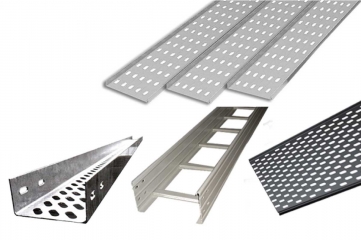
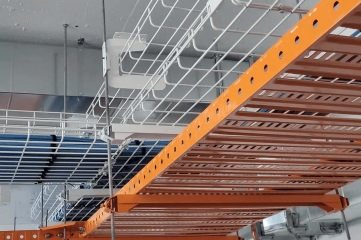
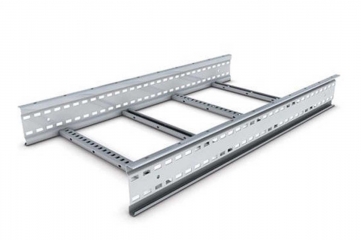
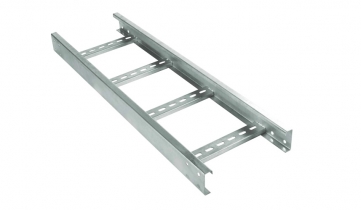
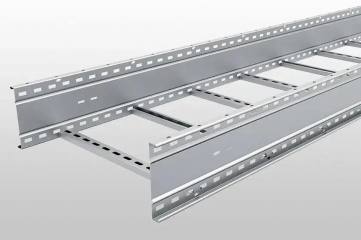
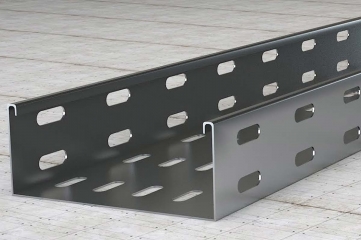
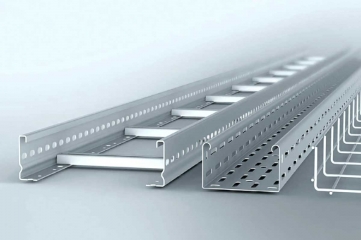
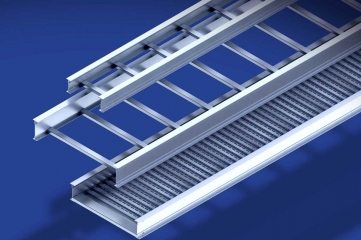
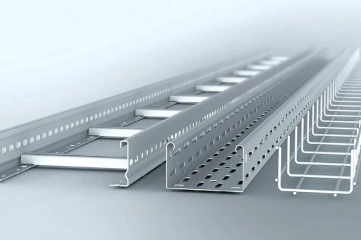
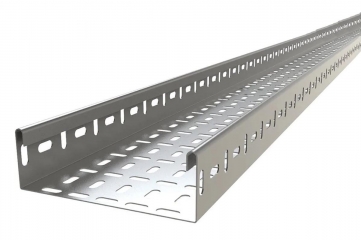
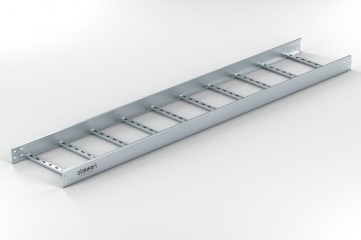
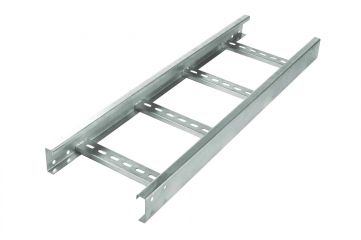
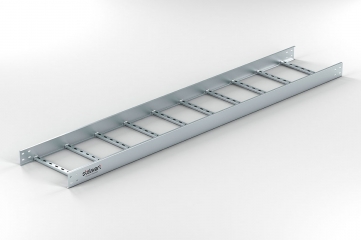
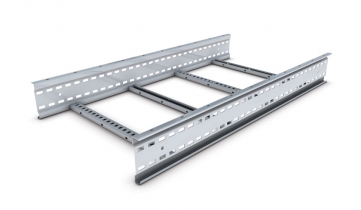
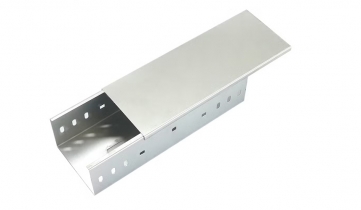
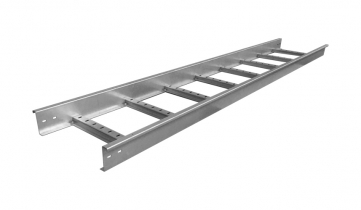
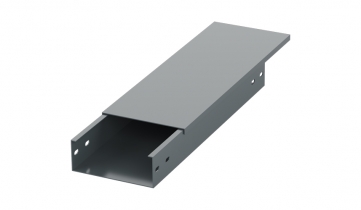
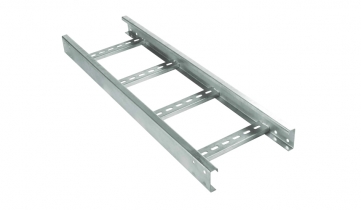
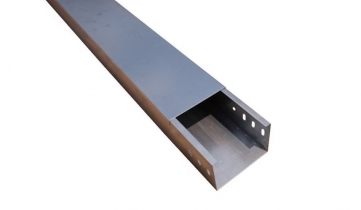
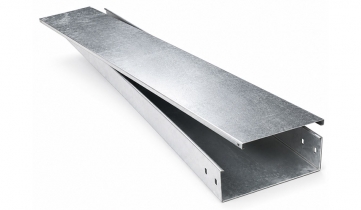
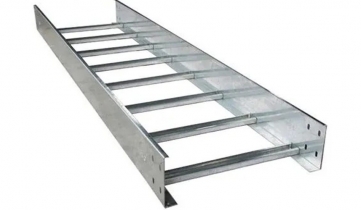
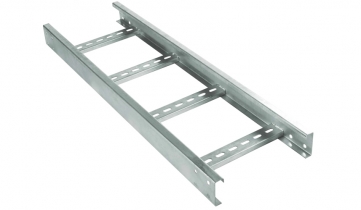
The term cable tray refers to a variety of different products, some of which include a ladder, ventilated bottom, solid bottom, wire mesh, and trough. Each variety of tray is constructed to work with a distinct set of cable arrangements and applications.
When choosing a cable tray, it is essential to take into consideration a variety of factors, including the weight and dimensions of the cables, the setting in which they will be installed, and any applicable codes and standards. It is essential to take into account the particular necessities of the project, such as the cable capacity, accessibility, and ease of installation, among other things.
The answer is yes some cable trays are constructed with fire-retardant materials. Cable trays designed to withstand fire are typically fabricated from materials like galvanized steel or stainless steel, and they are coated with materials designed to withstand fire.