Call Us on







Call Us on
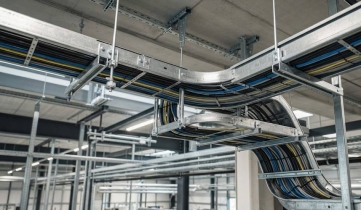
In any electrical installation of considerable size, the final considerations will always be the same – what cables to use, what routes to take and how to support them. It is here that mistakes are made all too frequently. Getting the Cable Tray selection right from the start is what separates a well-built installation from one that causes headaches for years and reputed companies like Super Cable Tray Pvt. Ltd. has spent decades helping engineers and contractors make that call correctly.
The single biggest mistake people make is choosing a tray type before they have properly assessed where it will be installed. The environment dictates almost everything else. Ask these questions before looking at any product:
Narrowing down the environment first saves a great deal of time and prevents costly replacements down the line.
Once the environment is clear, the material choice follows logically:
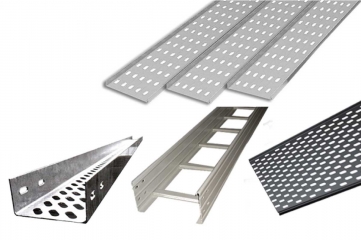
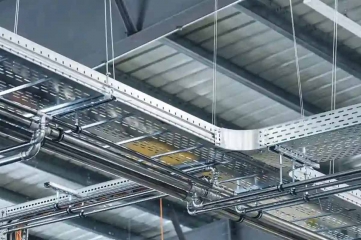
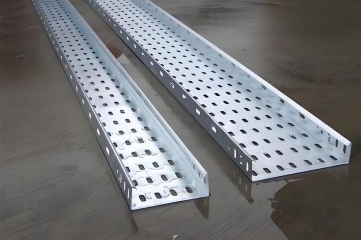
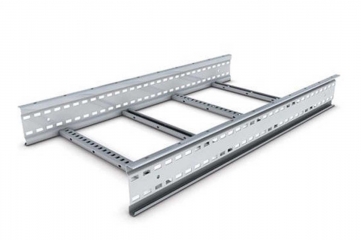
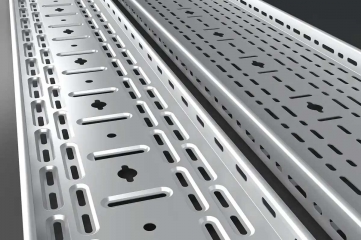
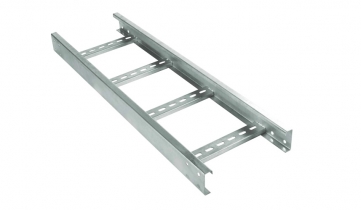
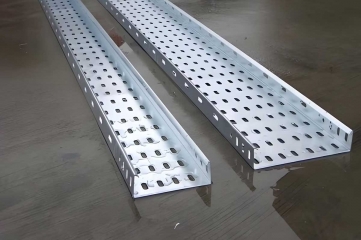
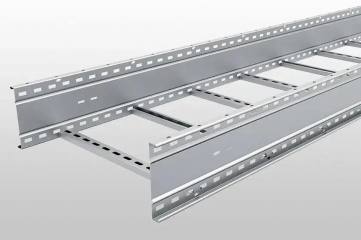
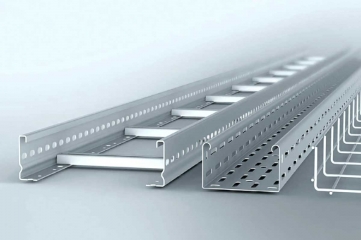
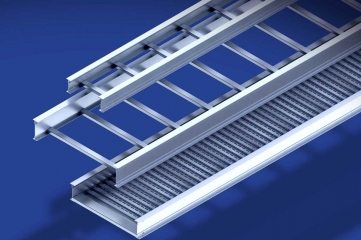
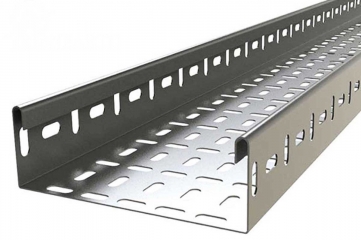
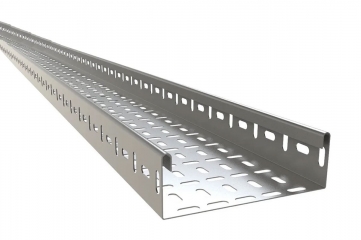
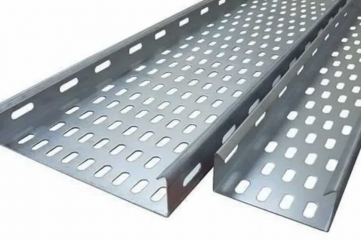
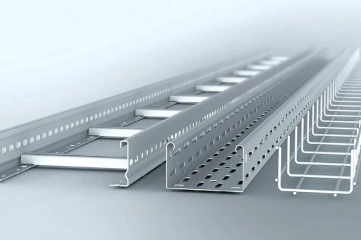
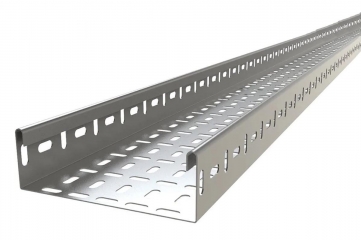
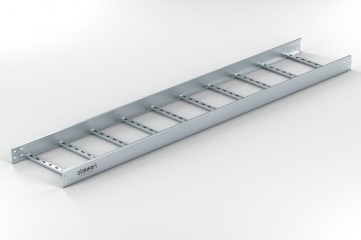
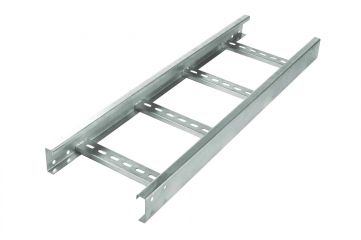
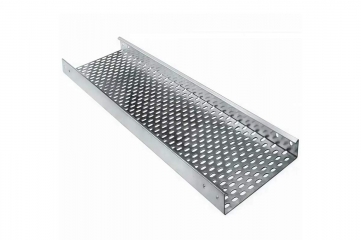
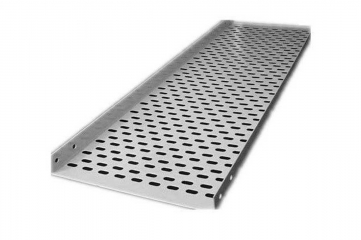
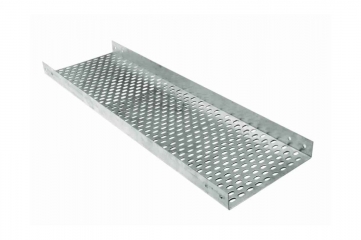
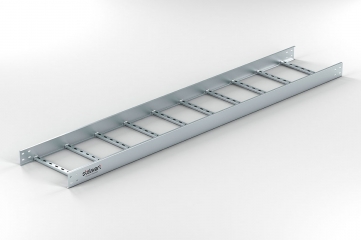
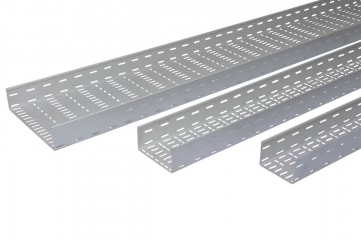
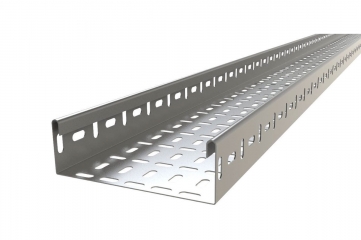
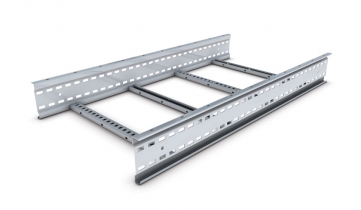
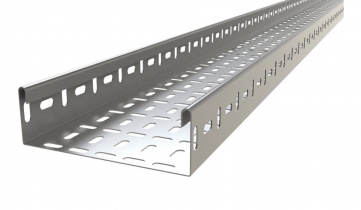
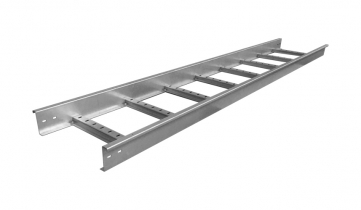
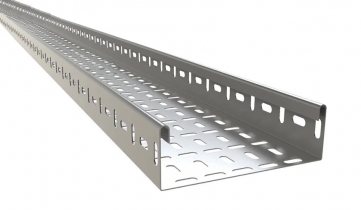
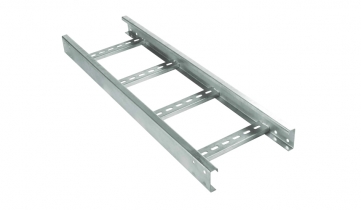
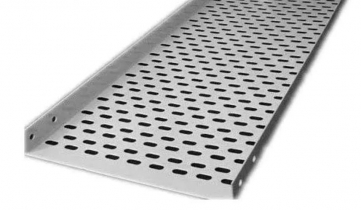
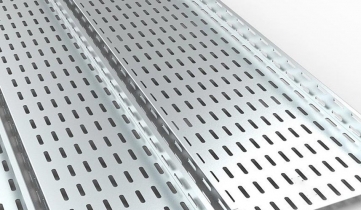
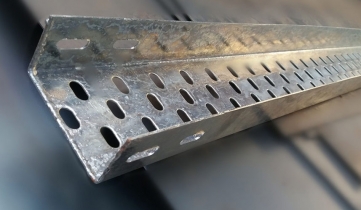
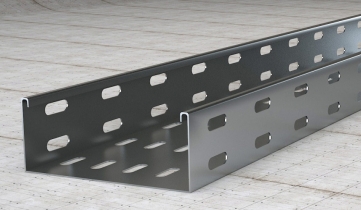
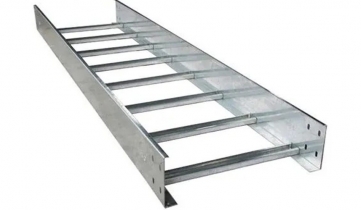
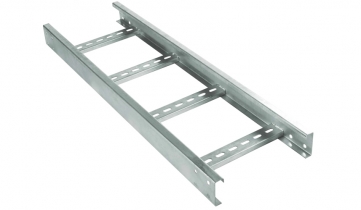
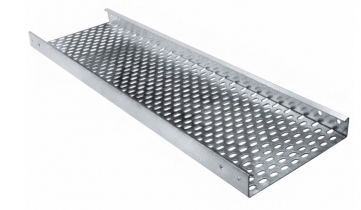
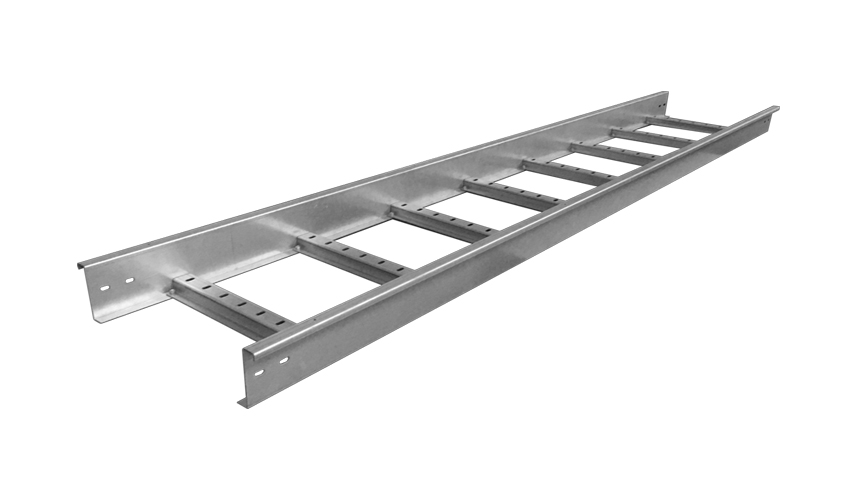
The material handles the environmental question; the tray type handles the functional one. Each configuration has a specific strength. Perforated trays work well in commercial buildings, data centres and institutional projects where a clean appearance and moderate ventilation are both needed. Ladder trays are built for heavy industrial use—the open rung design maximizes airflow around large cable bundles, making them the right choice wherever heat dissipation is a priority.
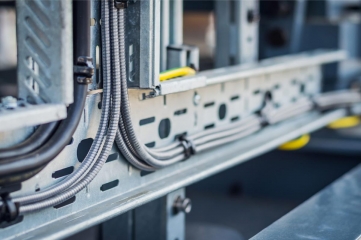
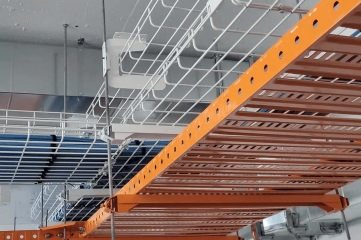
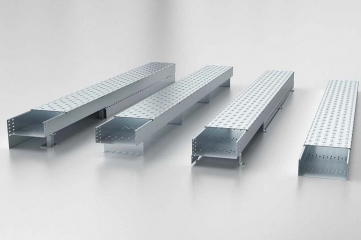
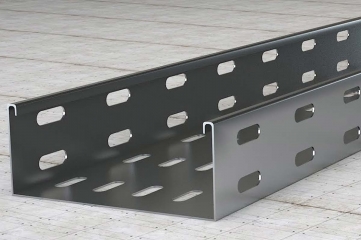
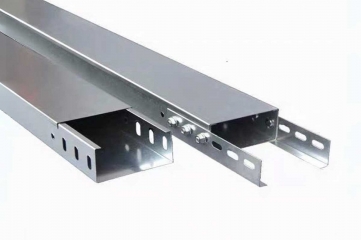
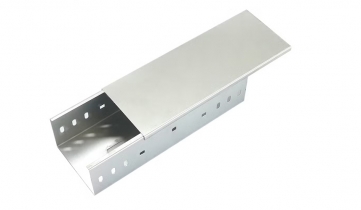
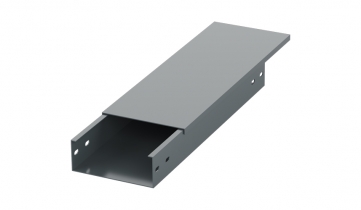
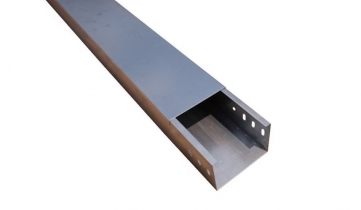
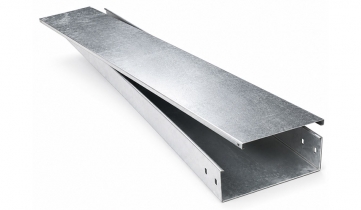
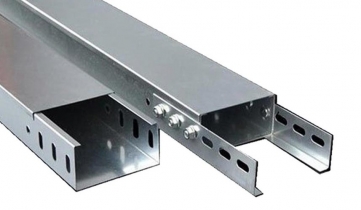
Wire mesh trays offer flexibility and lightweight handling, suited to data and communication cable runs where frequent changes are expected. A Raceway Cable Tray, with its fully enclosed design, is the best fit for areas where cables need protection from dust, physical contact, or accidental interference — commonly seen in offices, corridor and retail fit-outs.
Undersized trays deflect, sag and eventually fail. Oversized trays waste money. Load calculation is not optional — it is foundational. Here is what goes into it:
Always refer to the manufacturer's published load span tables rather than estimating.
Accessories: The Part Most People Underestimate
Before finalising any order, confirm the following are available in matching specification. Horizontal and vertical bends for navigating corners and level changes cleanly. Reducers and tees for branching routes and transitioning between tray widths. Couplers and splice plates for joining tray sections with structural continuity.
Earthing clamps and bonding strips for maintaining electrical continuity across the tray run.
Price is the easiest thing to compare and often the least important one. What actually protects you in the long run:
The cable trays is not the most visible part of an electrical installation, but it is one of the most consequential. A well-chosen tray, correctly loaded and properly installed, will outlast much of the rest of the system around it. Do the groundwork before the project starts and the installation will speak for itself.
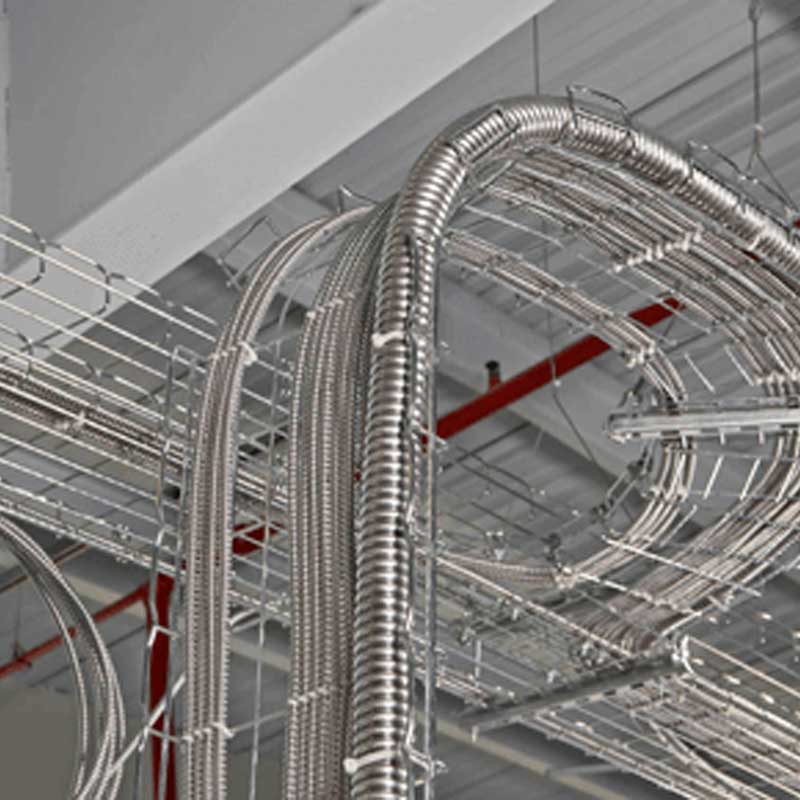
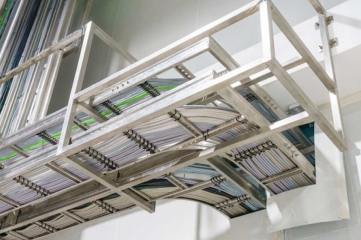
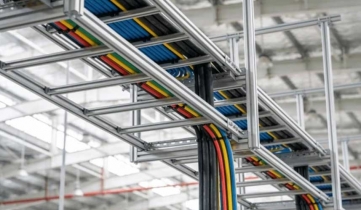
An electrical and communication cable management and organization system known as a cable tray is utilized to accommodate various types of cables, it is typically made of metal, such as aluminum or steel, and is available in a variety of sizes and shapes.
Several advantages of using a cable tray include better cable management, increased safety, and simpler maintenance. In comparison to other conduit systems, cable trays can offer a more effective and affordable solution.
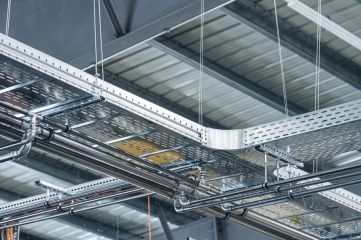
Cable trays can be installed in a number of ways, such as hanging from ceilings, mounting on walls, or using floor stands as support. The installation procedure typically entails cutting and fitting the tray to the required length as well as mounting brackets, supports, and hardware.
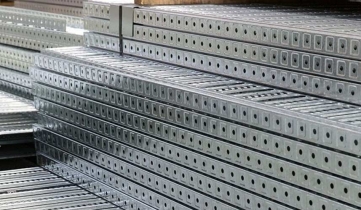
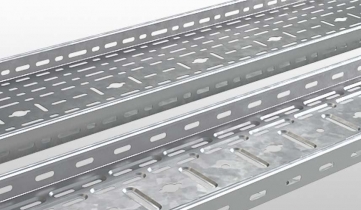
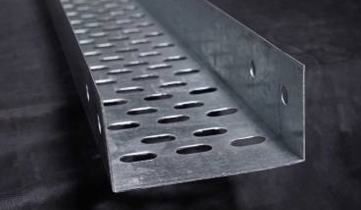
The term cable tray refers to a variety of different products, some of which include a ladder, ventilated bottom, solid bottom, wire mesh, and trough. Each variety of tray is constructed to work with a distinct set of cable arrangements and applications.
When choosing a cable tray, it is essential to take into consideration a variety of factors, including the weight and dimensions of the cables, the setting in which they will be installed, and any applicable codes and standards. It is essential to take into account the particular necessities of the project, such as the cable capacity, accessibility, and ease of installation, among other things.
The answer is yes some cable trays are constructed with fire-retardant materials. Cable trays designed to withstand fire are typically fabricated from materials like galvanized steel or stainless steel, and they are coated with materials designed to withstand fire.