Call Us on







Call Us on
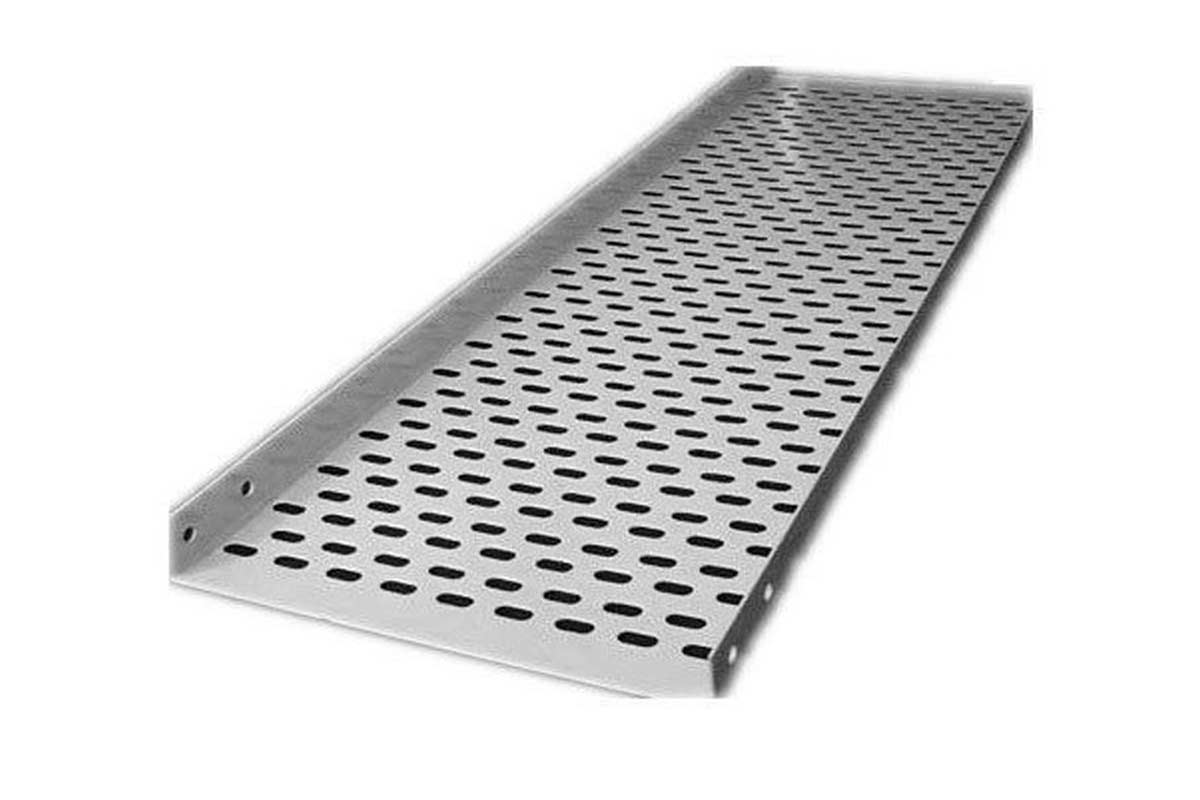
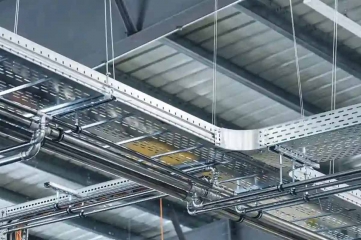
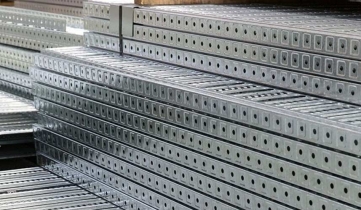
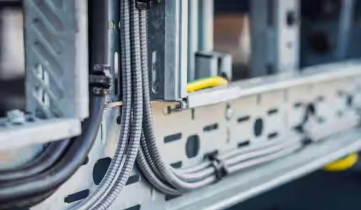
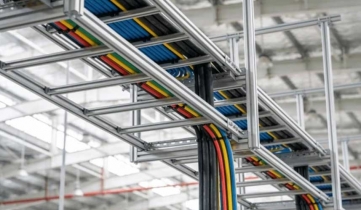
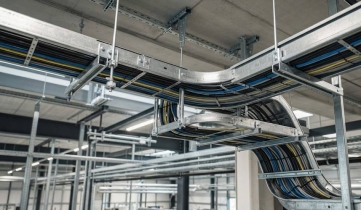
Anyone who has worked on the electrical side of a large industrial project knows how quickly cable management can spiral out of control. Dozens of cable routes, multiple voltage levels, different systems running in parallel — without a reliable support structure, it becomes a tangled mess that is dangerous to work around and nearly impossible to maintain. The good news is that the solution is straightforward when the right product is chosen from the start. Super Cable Tray Pvt. Ltd. manufactures industry-grade Perforated Cable Trays that bring genuine order to complex industrial wiring — built tough enough to handle demanding environments without requiring constant attention after installation.
Cable management in industrial environment goes beyond aesthetics. Problems with cable management include:
What Makes Perforated Trays Well-Suited for Industrial Use
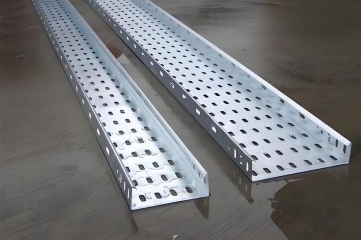
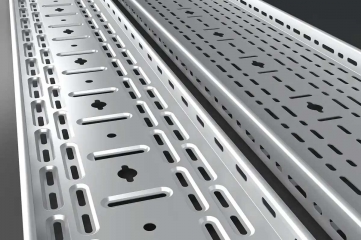
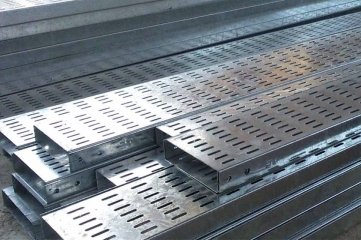
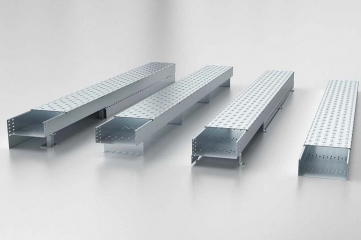
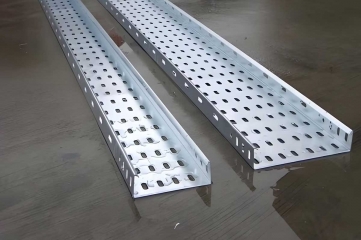
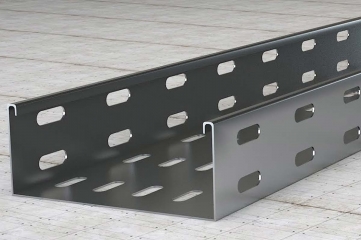
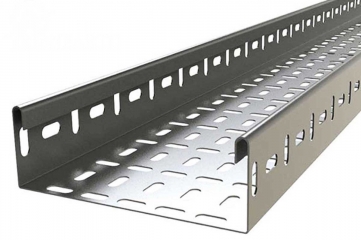
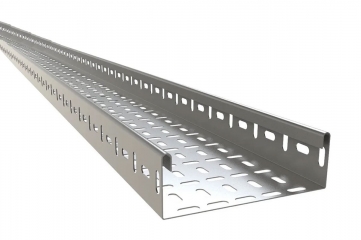
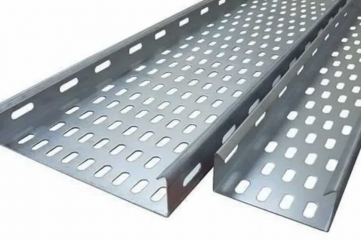
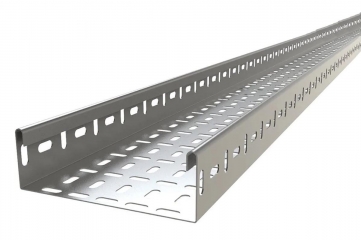
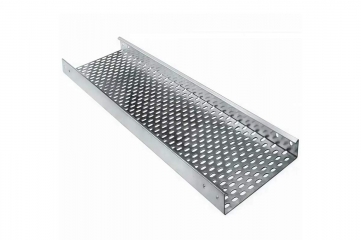
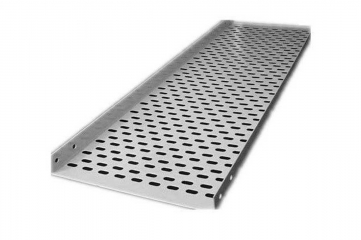
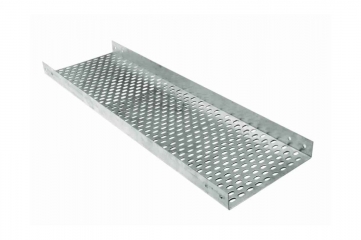
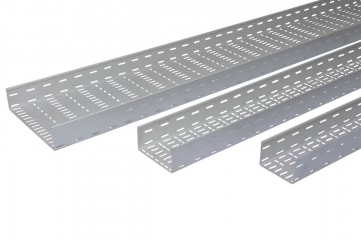
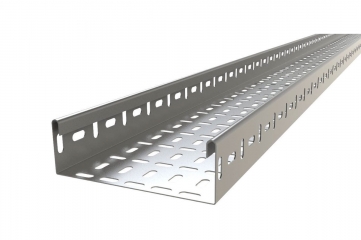
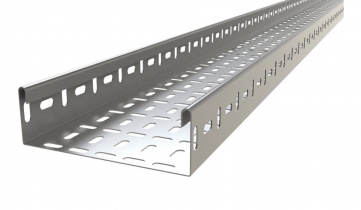
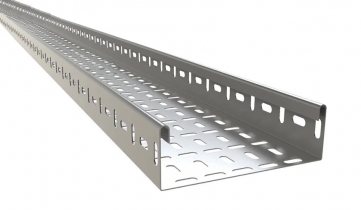
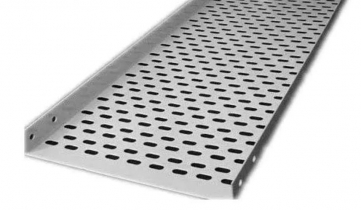
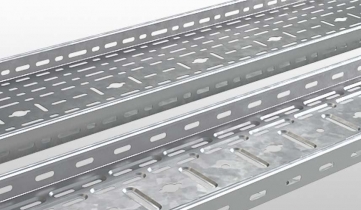
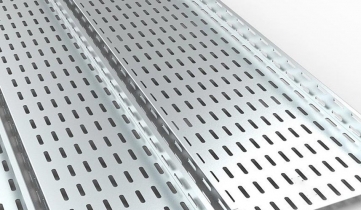
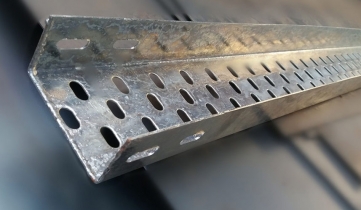
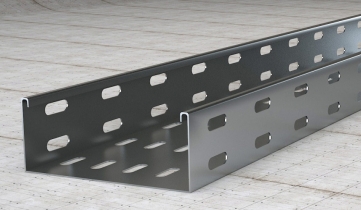
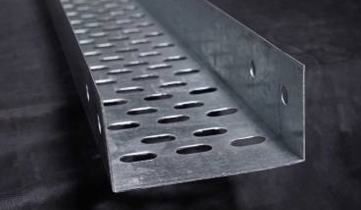
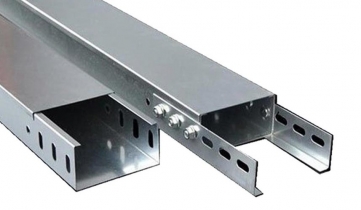
As the name suggests, cable trays are cable trays with a number of holes or slots cut into their base. The implications of this simple construction feature are:
These trays do not belong to any one industry sector because they offer ventilation, strength, and adaptability, making them an effective choice for various industries. Oil and gas industries Galvanized finishes withstand the corrosive environment that exists in such facilities. Pharmaceutical and food processing plants structured, inspectable cable routing that meets hygiene and safety standards. Automobile manufacturing plants where control, instrumentation and power cables all need to be managed in the same installation. Steel and cement plants heavy industrial environments with high dust, heat and mechanical vibration. Textile mills and paper factories long production floor runs where cable volume is substantial. Water treatment plants where moisture resistance and low maintenance are both priorities.
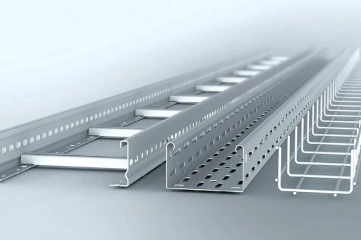
Understanding where perforated trays sit in relation to other cable management types helps in making the right specification decision:
Specifications Worth Confirming Before You Order
A few details that separate a well-chosen tray from a regrettable one. Zinc coating weight for hot-dip galvanized products; a minimum of 610 g/m² is generally recommended for outdoor or corrosive environments. Perforation pattern consistent, clean punching with no sharp burrs on the edges; rough edges damage cable insulation during installation and over time. IS 9537 compliance; the relevant Indian standard for cable trays; always confirm this is met before finalising a supplier. Custom sizing standard widths and depths may not match every project layout; a manufacturer who can supply to your exact dimensions saves considerable site-level improvisation.
The appeal of cable trays in industrial settings comes down to something practical — they do their job reliably, year after year, without demanding much in return. When specified to match the environment, loaded within rated capacity and installed with proper supports and earthing, they become a part of the facility that simply works. For any industrial project where cable volume is significant and performance cannot be left to chance, they are a choice that holds up well under scrutiny.
An electrical and communication cable management and organization system known as a cable tray is utilized to accommodate various types of cables, it is typically made of metal, such as aluminum or steel, and is available in a variety of sizes and shapes.
Several advantages of using a cable tray include better cable management, increased safety, and simpler maintenance. In comparison to other conduit systems, cable trays can offer a more effective and affordable solution.
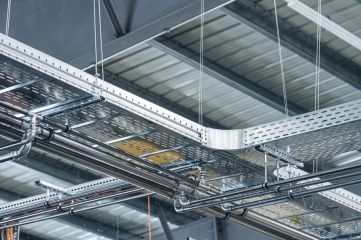
Cable trays can be installed in a number of ways, such as hanging from ceilings, mounting on walls, or using floor stands as support. The installation procedure typically entails cutting and fitting the tray to the required length as well as mounting brackets, supports, and hardware.
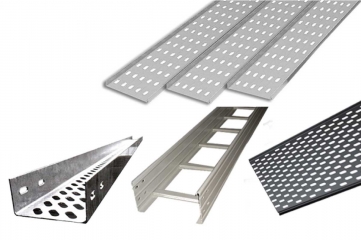
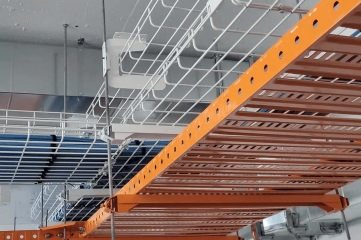
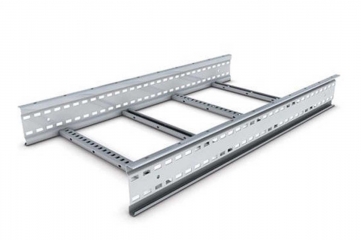
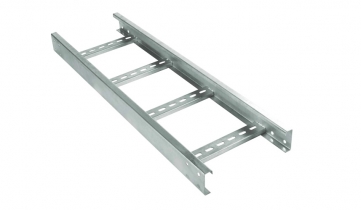
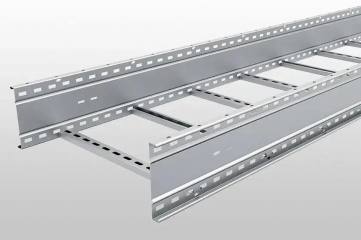
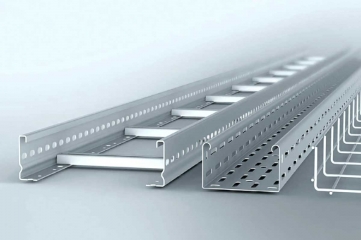
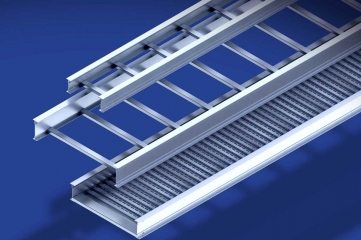
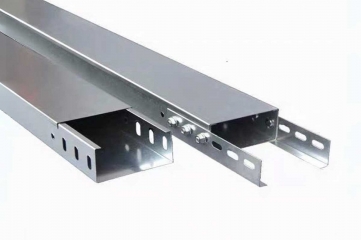
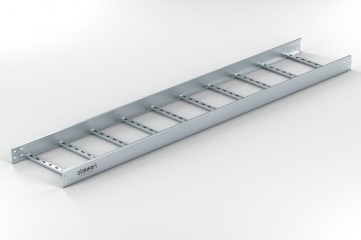
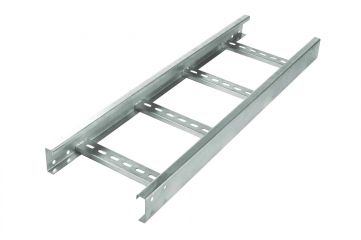
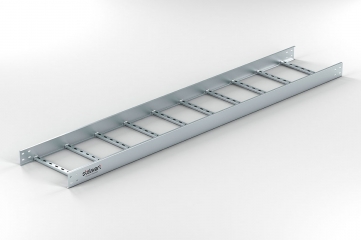
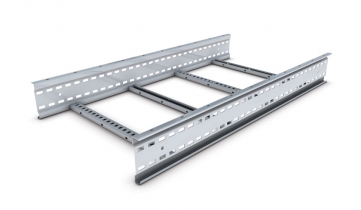
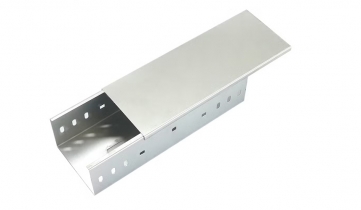
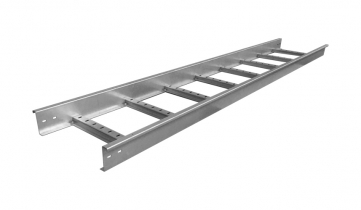
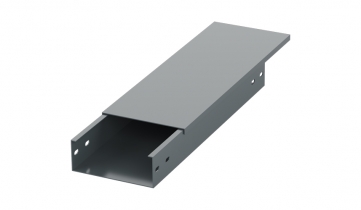
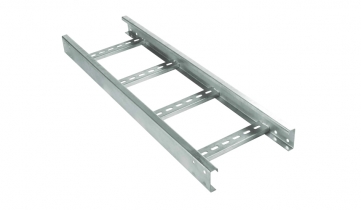
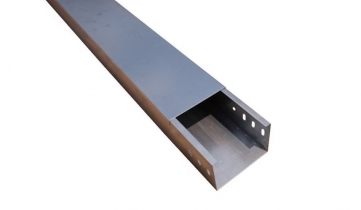
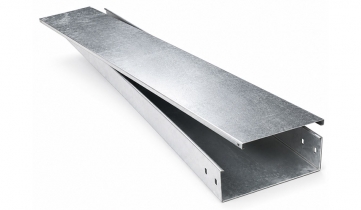
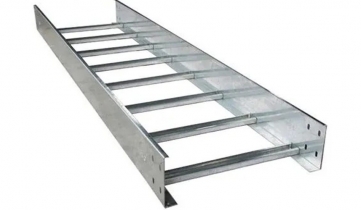
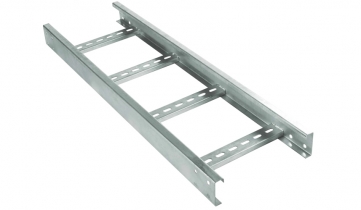
The term cable tray refers to a variety of different products, some of which include a ladder, ventilated bottom, solid bottom, wire mesh, and trough. Each variety of tray is constructed to work with a distinct set of cable arrangements and applications.
When choosing a cable tray, it is essential to take into consideration a variety of factors, including the weight and dimensions of the cables, the setting in which they will be installed, and any applicable codes and standards. It is essential to take into account the particular necessities of the project, such as the cable capacity, accessibility, and ease of installation, among other things.
The answer is yes some cable trays are constructed with fire-retardant materials. Cable trays designed to withstand fire are typically fabricated from materials like galvanized steel or stainless steel, and they are coated with materials designed to withstand fire.