Call Us on







Call Us on
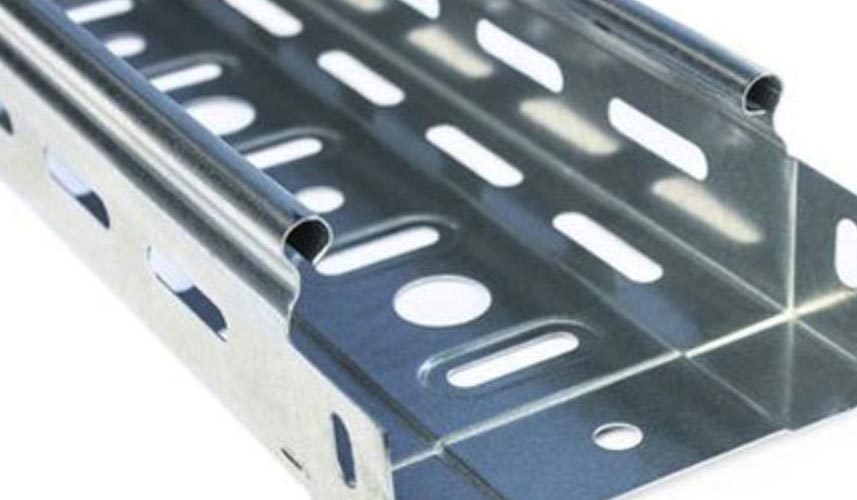
Behind every functioning power plant, refinery or large industrial facility is a cable support system that most visitors never notice — yet without it, nothing works the way it should. Cables need to be routed deliberately, supported consistently and ventilated properly, especially when they are carrying the kind of loads that industrial operations demand. For heavy-duty applications, few systems are as dependable as Ladder Cable Trays and reputed companies like Super Cable Tray Pvt. Ltd. has built a strong reputation supplying them to some of the most demanding projects in the country. If you are planning an electrical network that needs to hold up under pressure, understanding this product thoroughly is time well spent.
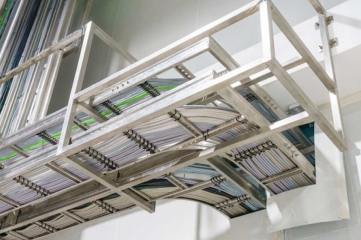
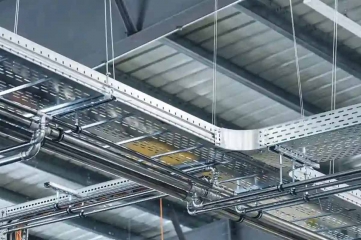
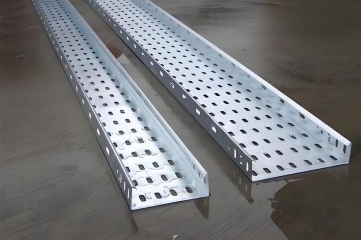
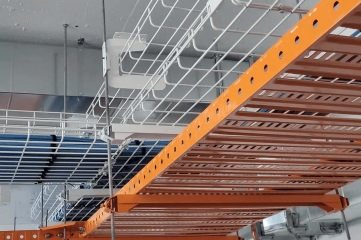
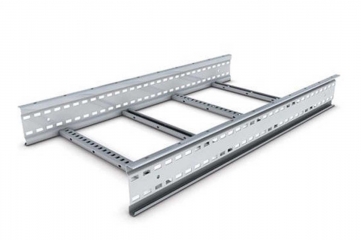
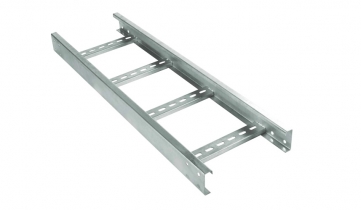
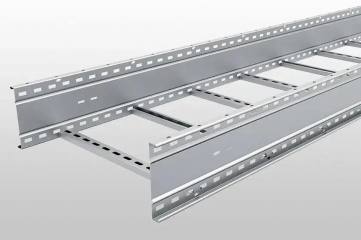
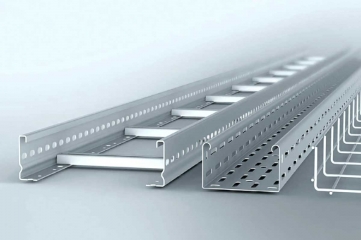
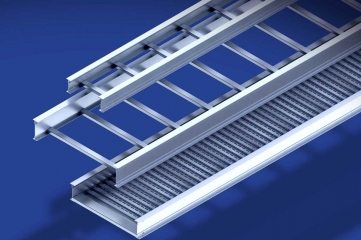
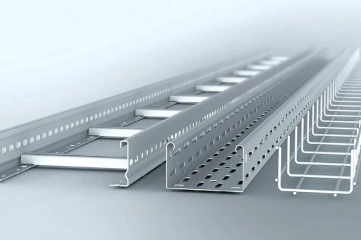
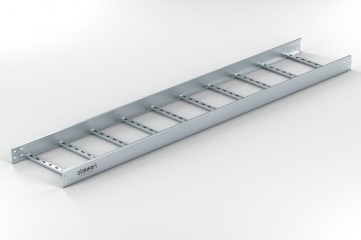
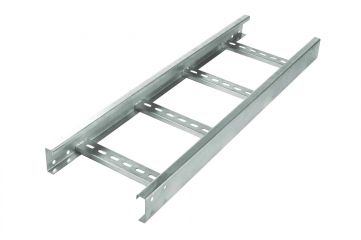
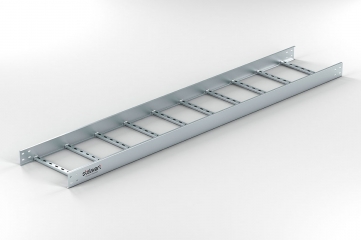
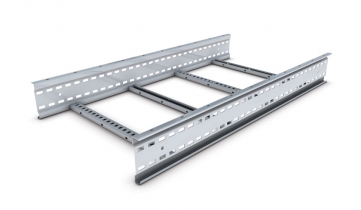
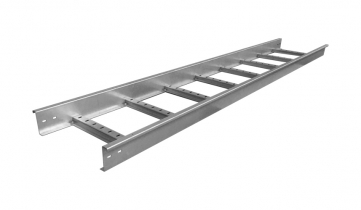
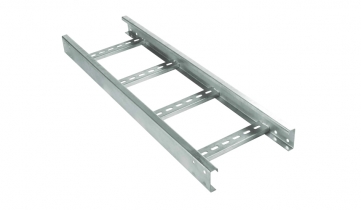
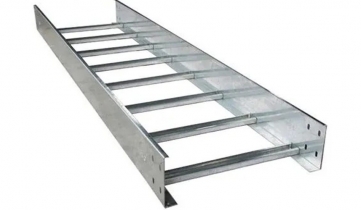
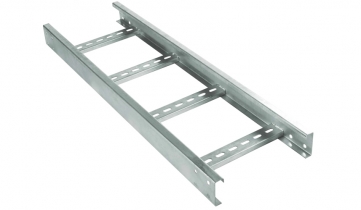
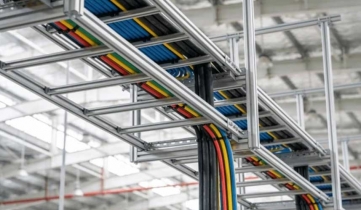
It gets its name from its appearance — two solid side rails connected by a series of cross rungs at regular intervals, much like a horizontal ladder. This structure creates an open framework that supports cables from below while leaving the sides and top completely open.
The design is intentional. In environments where cables carry high currents over long distances, heat is a natural byproduct. There are no enclosed walls trapping heat, no solid base restricting airflow — just clean, unobstructed ventilation across the entire run.
Not every installation calls for a ladder tray, but in the right environment, nothing else comes close:
It is worth pausing on the ventilation point because it drives so many specification decisions in industrial electrical engineering. Cables are rated for specific operating temperatures, and when they are bundled together inside an enclosed tray without airflow, the combined heat from each conductor raises the ambient temperature around all of them.
Ladder trays eliminate most of this problem. The open design means cables run closer to their rated capacity, which in practice often allows for smaller cable cross-sections and lower material costs across the project. For large installations with dozens of cable routes, this saving can be considerable — more than enough to justify the choice several times over.
Not all ladder trays are built to the same standard. These are the specifications that matter most:
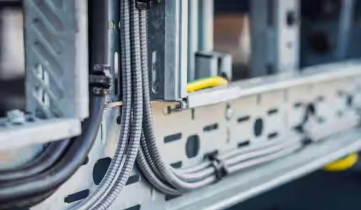
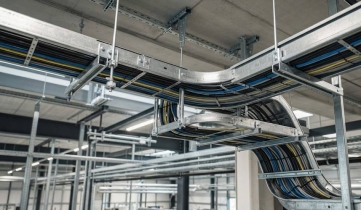
A ladder tray installation is only as good as the accessories connecting it. Horizontal bends and tees handle corners and branching routes in plan, while vertical inside and outside bends manage level changes across floors or along structural risers. Hangers, cleats and brackets fix the tray to steelwork or concrete at the correct intervals, while earthing clamps maintain bonding continuity across every section of the run. When sourcing a Cable Tray system, always confirm that the full accessories range is available from the same manufacturer in matching specification — mixing suppliers is where fitment problems and structural weak points most commonly occur.
The best product still underperforms if installation is not handled correctly. Support spacing should always be calculated from the manufacturer's load span tables, not estimated from site habit or experience. Earthing bonding must be installed at every tray joint and at regular intervals along extended runs. Cable fill should be kept within the recommended limit — leaving space in the tray is not wasteful; it is what makes future additions and maintenance genuinely practical. Purpose-made fittings should be used at every bend and junction, since field-fabricated alternatives save time upfront and cost more later.
Industrial electrical networks carry the load that keeps operations running. Every component in that network needs to be specified with that responsibility in mind. it, when chosen to match the environment, calculated for the load and installed with proper care, become a quiet but essential part of a facility that simply keeps working — year after year, without drama.
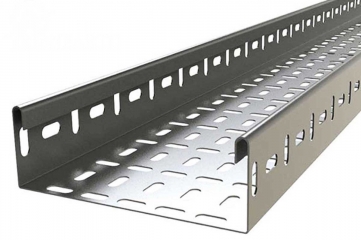
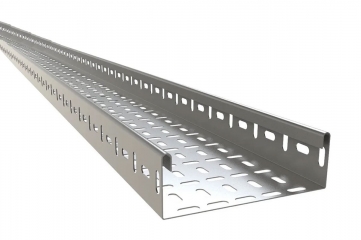
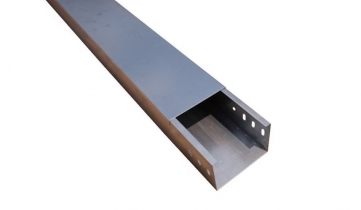
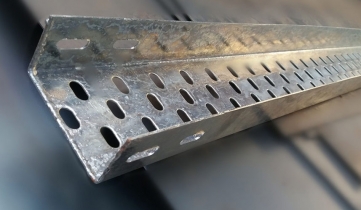
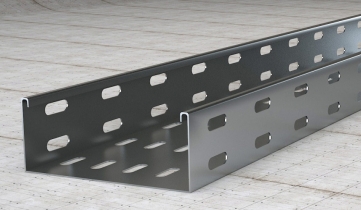
An electrical and communication cable management and organization system known as a cable tray is utilized to accommodate various types of cables, it is typically made of metal, such as aluminum or steel, and is available in a variety of sizes and shapes.
Several advantages of using a cable tray include better cable management, increased safety, and simpler maintenance. In comparison to other conduit systems, cable trays can offer a more effective and affordable solution.
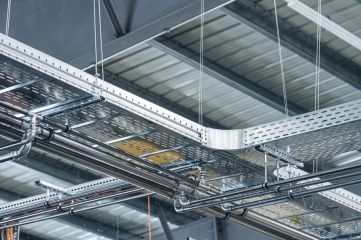
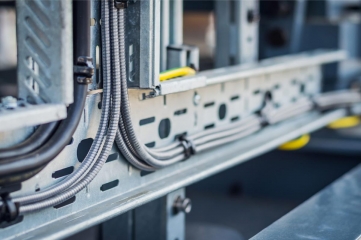
Cable trays can be installed in a number of ways, such as hanging from ceilings, mounting on walls, or using floor stands as support. The installation procedure typically entails cutting and fitting the tray to the required length as well as mounting brackets, supports, and hardware.
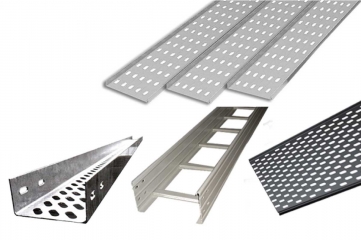
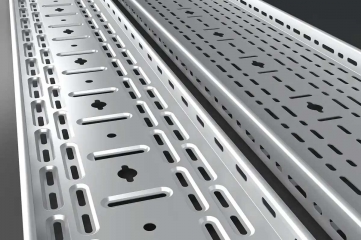
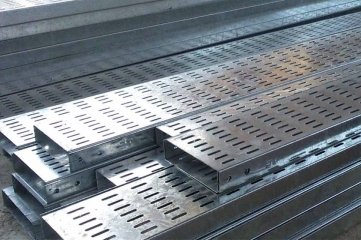
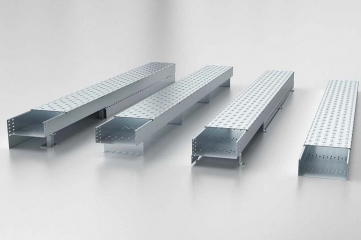
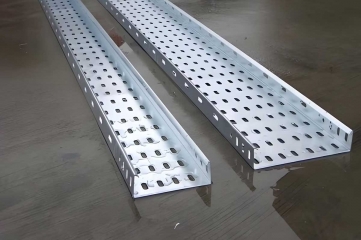
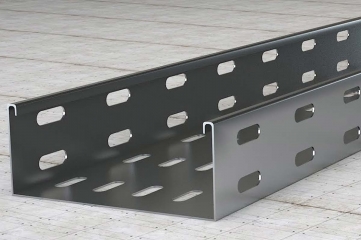
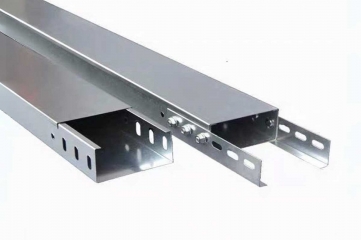
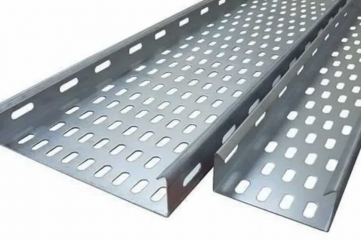
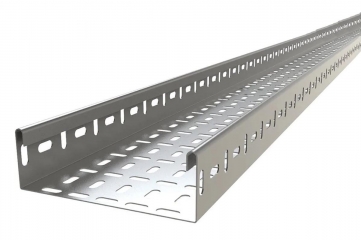
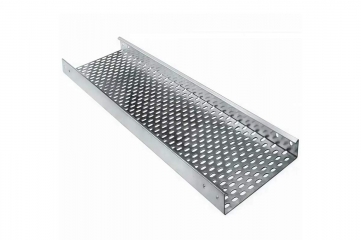
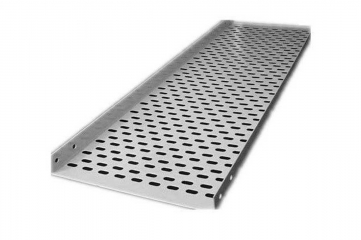
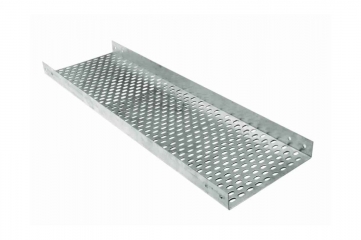
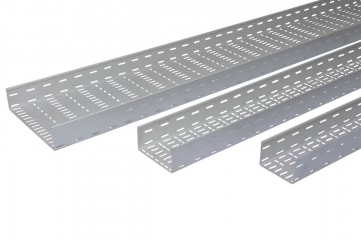
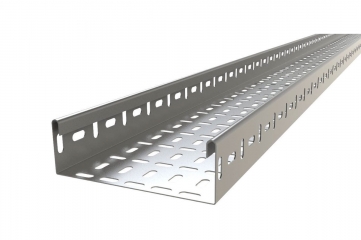
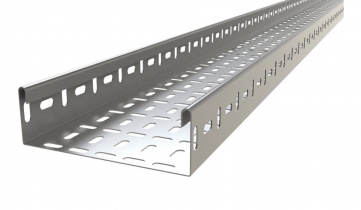
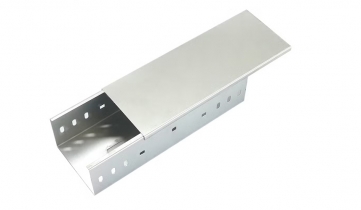
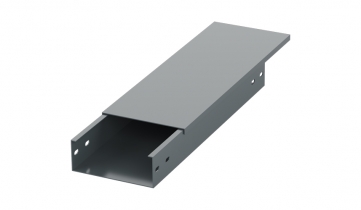
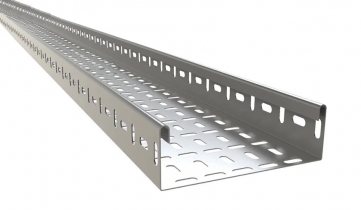
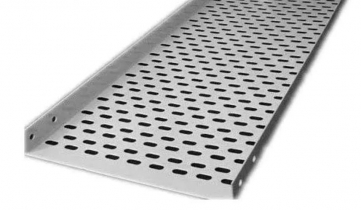
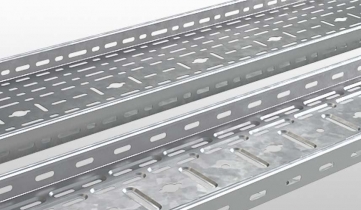
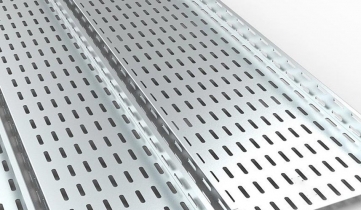
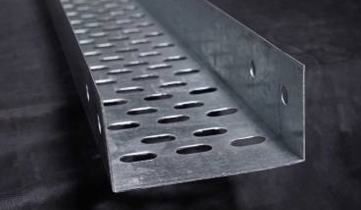
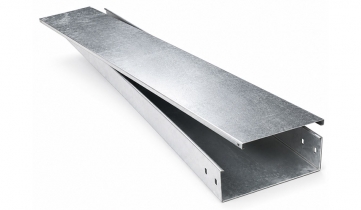
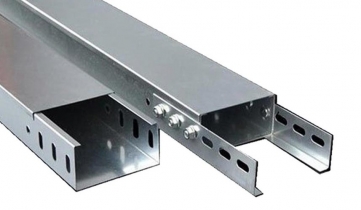
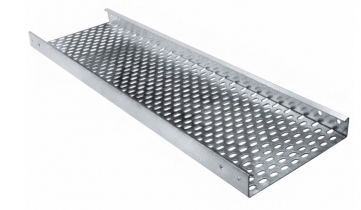
The term cable tray refers to a variety of different products, some of which include a ladder, ventilated bottom, solid bottom, wire mesh, and trough. Each variety of tray is constructed to work with a distinct set of cable arrangements and applications.
When choosing a cable tray, it is essential to take into consideration a variety of factors, including the weight and dimensions of the cables, the setting in which they will be installed, and any applicable codes and standards. It is essential to take into account the particular necessities of the project, such as the cable capacity, accessibility, and ease of installation, among other things.
The answer is yes some cable trays are constructed with fire-retardant materials. Cable trays designed to withstand fire are typically fabricated from materials like galvanized steel or stainless steel, and they are coated with materials designed to withstand fire.