Call Us on







Call Us on
When buildings go up — whether it is a power plant, a hospital or a data centre — there is a whole world of electrical infrastructure working quietly behind the walls and above the ceilings. At the heart of that infrastructure, Super Cable Tray Pvt. Ltd. manufactures industry-trusted GI Perforated Cable Trays that play a role most people overlook until something goes wrong. If you are an engineer, contractor or procurement manager trying to understand these systems better, this guide covers everything worth knowing — from what they are made of to how they should be installed.
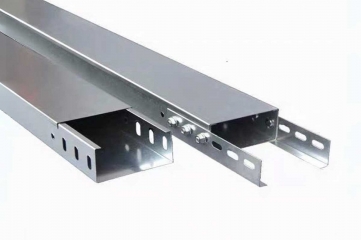
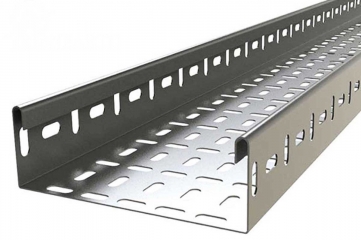
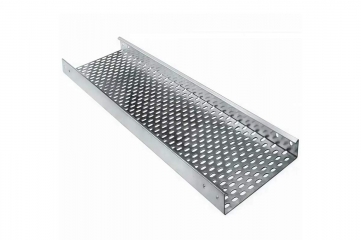
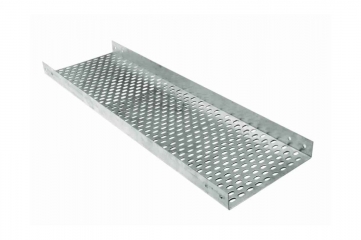
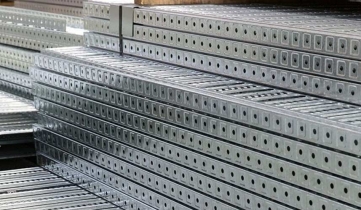
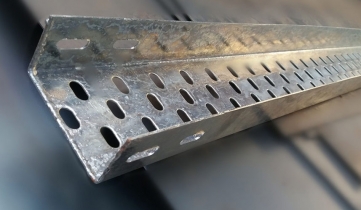
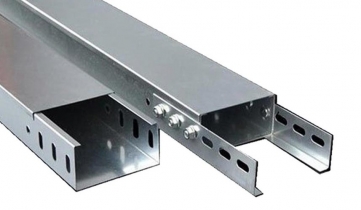
GI stands for Galvanised Iron — essentially steel that has been coated with zinc to shield it from rust and corrosion. The galvanising process, whether hot-dip or electrolytic, creates a tough outer layer that holds up well against humidity, chemicals and outdoor exposure.
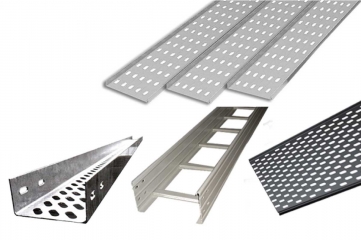
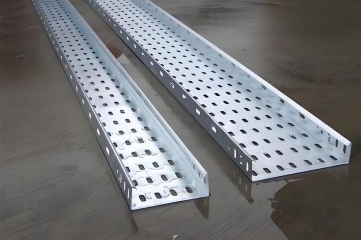
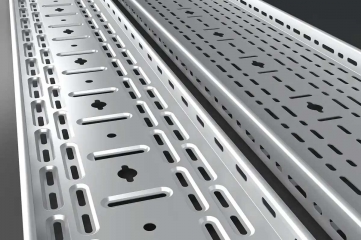
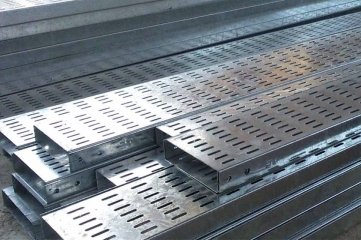
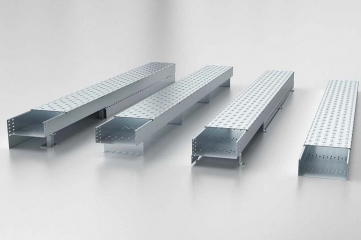
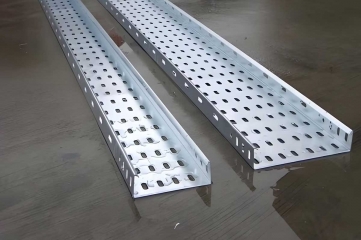
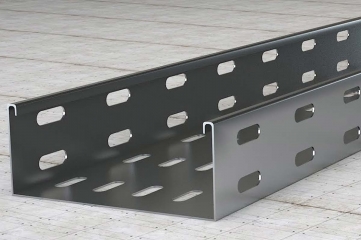
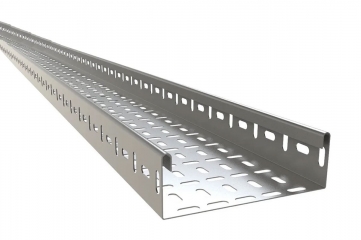
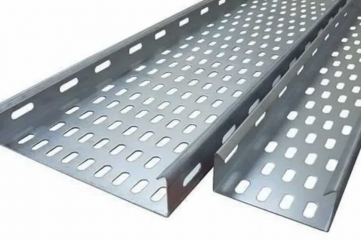
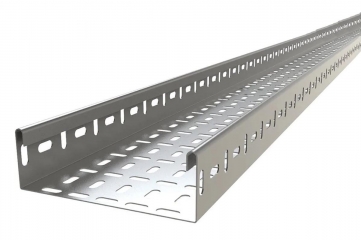
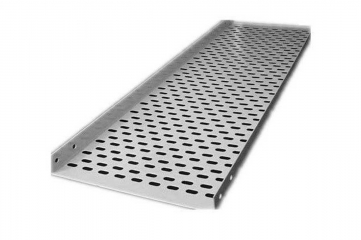
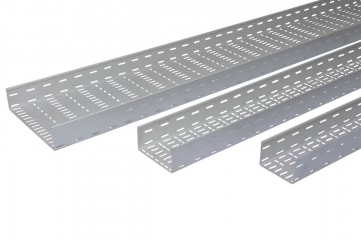
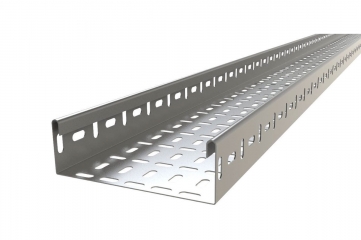
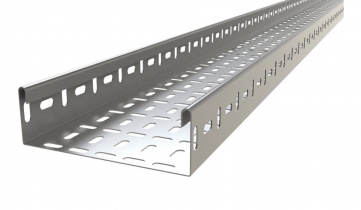
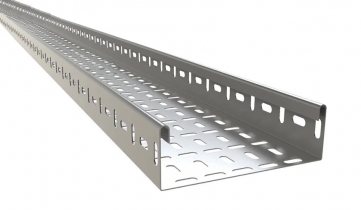
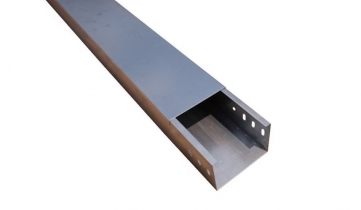
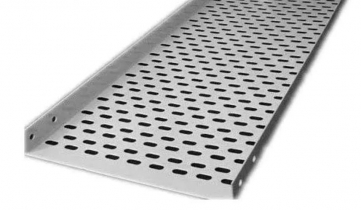
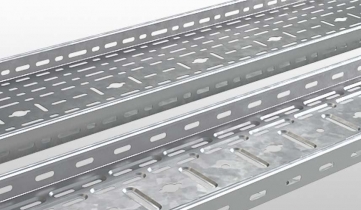
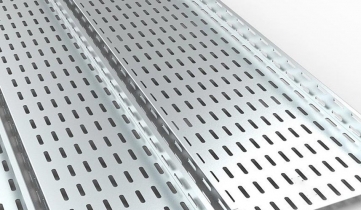
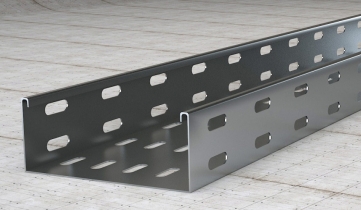
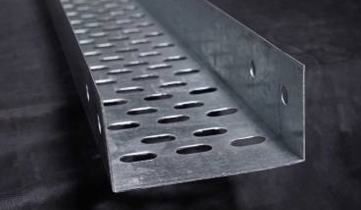
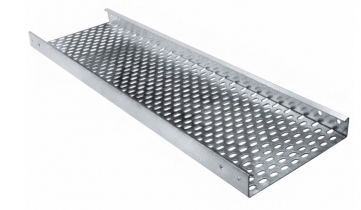
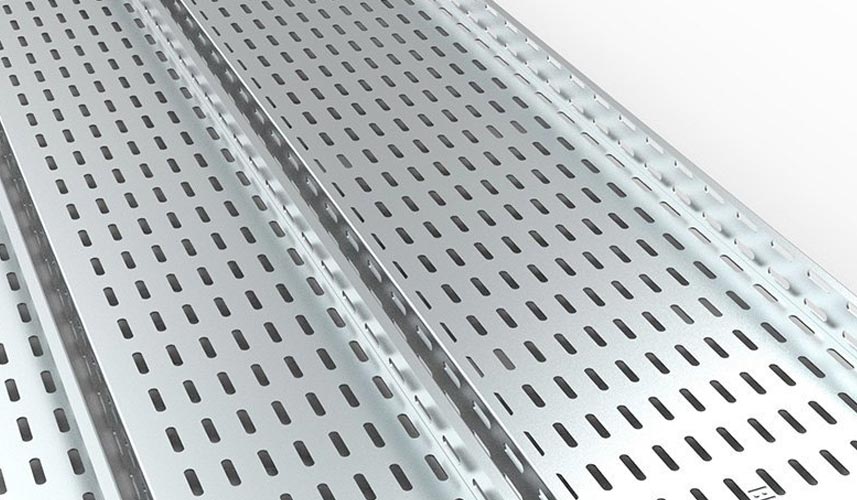
The "perforated" element refers to the punched holes or slots across the base of the tray. These openings do more than reduce material weight — they allow air to move freely around the cables, which matters a great deal when cables carry current and generate heat. Better airflow means lower operating temperatures and in the long run, a longer life for your cables.
The applications are broader than most people expect:
Walk into any cable tray conversation with these specifics in mind:
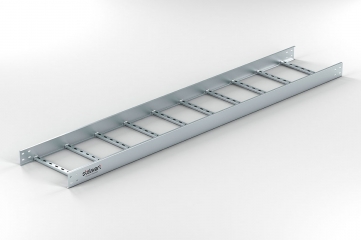
When engineers and contractors specify Perforated Cable Trays for projects that demand both quality and accountability, there are good reasons these keep showing up in the specs over and over again. They look neater than ladder trays inside occupied buildings. They cost less per metre than solid-bottom trays while still protecting cables from below. Installation is significantly faster compared to conduit or trunking systems. They are flexible; cables can be added or removed without dismantling the entire system. They work equally well for power cables, control cables and instrumentation wiring.
A few things go wrong repeatedly on site — and most of them are avoidable:
Cable trays are not a glamorous product, but they are a foundational one. When specified correctly and sourced from a credible manufacturer, they contribute directly to the safety, efficiency and longevity of an electrical installation. Whether your project is a single-storey facility or a sprawling industrial complex, the tray system you choose shapes how manageable that installation will be five and ten years from now. Do the groundwork upfront — check certifications, verify load ratings and make sure the accessories catalogue is complete. It will save you a great deal of trouble once cables start going in.
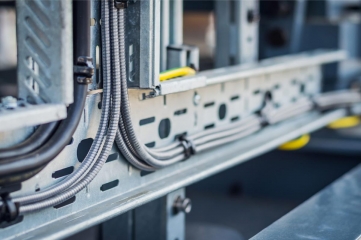
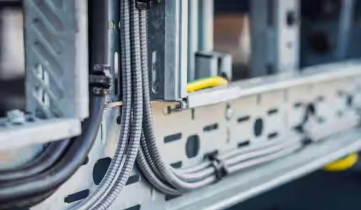
An electrical and communication cable management and organization system known as a cable tray is utilized to accommodate various types of cables, it is typically made of metal, such as aluminum or steel, and is available in a variety of sizes and shapes.
Several advantages of using a cable tray include better cable management, increased safety, and simpler maintenance. In comparison to other conduit systems, cable trays can offer a more effective and affordable solution.
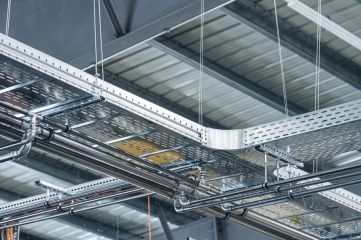
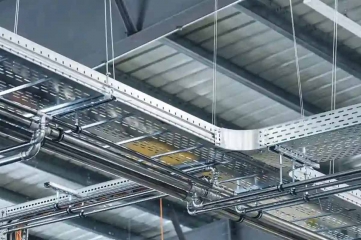
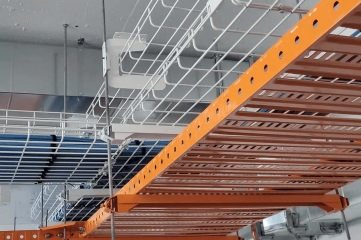
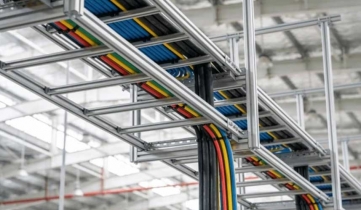
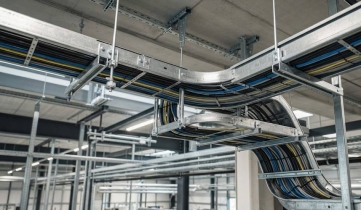
Cable trays can be installed in a number of ways, such as hanging from ceilings, mounting on walls, or using floor stands as support. The installation procedure typically entails cutting and fitting the tray to the required length as well as mounting brackets, supports, and hardware.
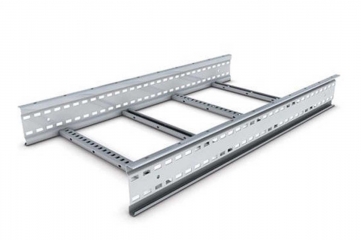
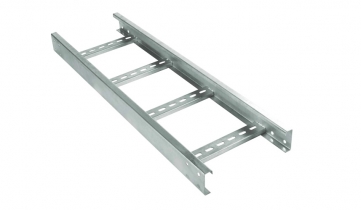
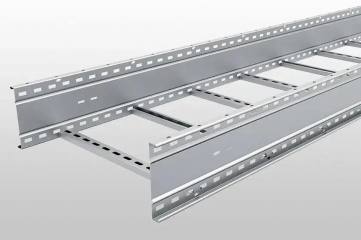
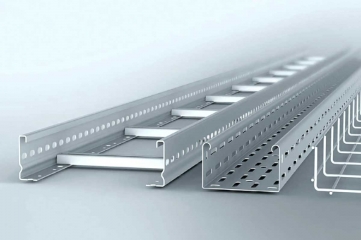
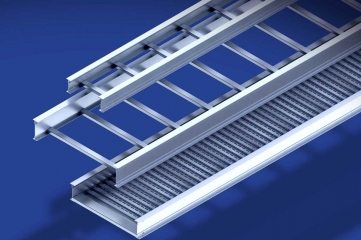
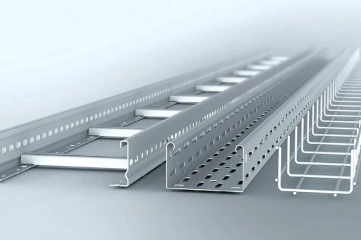
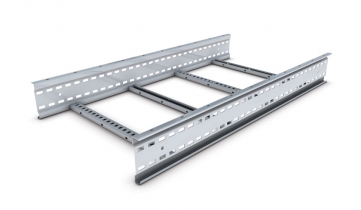
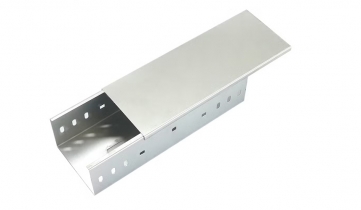
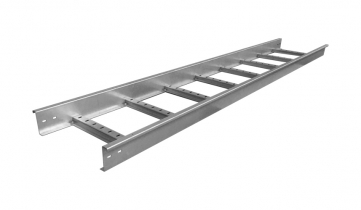
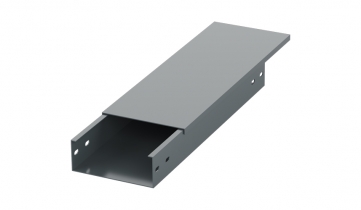
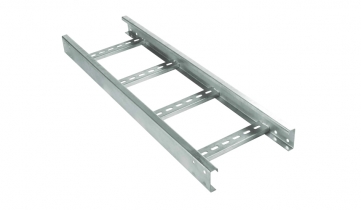
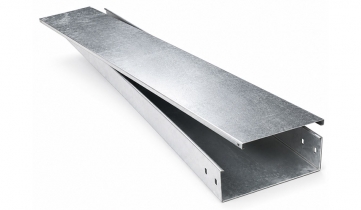
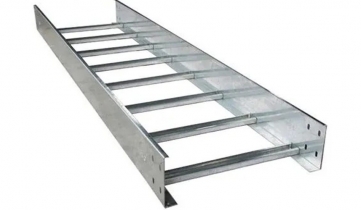
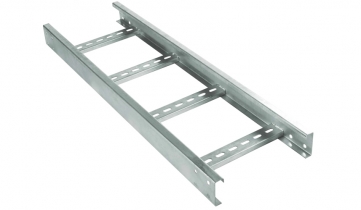
The term cable tray refers to a variety of different products, some of which include a ladder, ventilated bottom, solid bottom, wire mesh, and trough. Each variety of tray is constructed to work with a distinct set of cable arrangements and applications.
When choosing a cable tray, it is essential to take into consideration a variety of factors, including the weight and dimensions of the cables, the setting in which they will be installed, and any applicable codes and standards. It is essential to take into account the particular necessities of the project, such as the cable capacity, accessibility, and ease of installation, among other things.
The answer is yes some cable trays are constructed with fire-retardant materials. Cable trays designed to withstand fire are typically fabricated from materials like galvanized steel or stainless steel, and they are coated with materials designed to withstand fire.