Call Us on







Call Us on
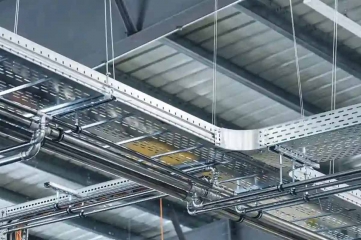
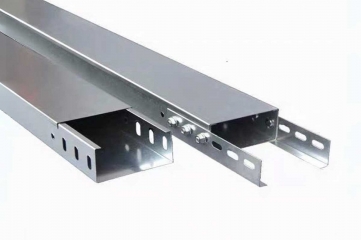
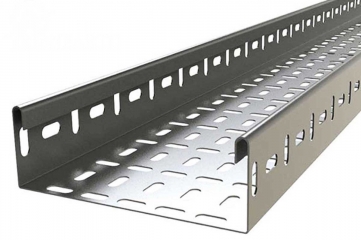
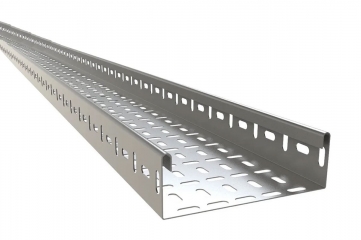
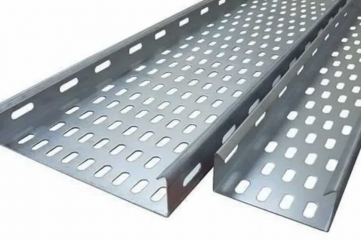
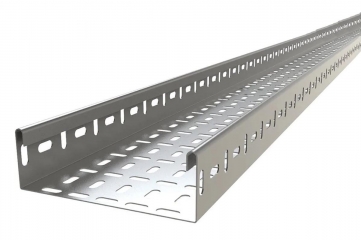
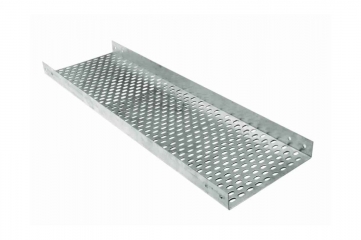
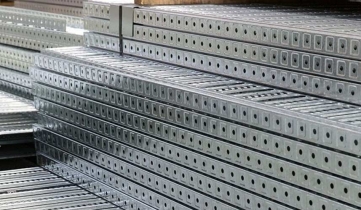
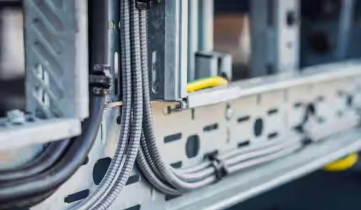
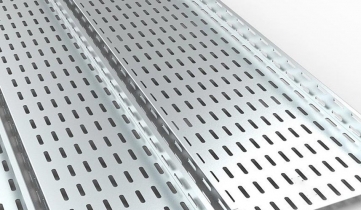
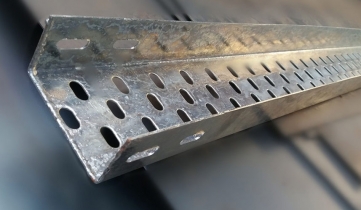
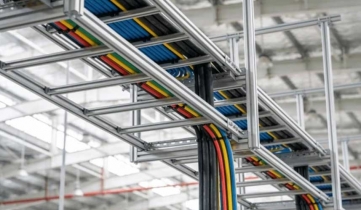
Electrical installations are only as reliable as the systems supporting them. Cables that are poorly routed, left exposed or bundled without structure become a liability — not just for performance, but for safety. That is where smart cable management steps in, and few products address the challenge as effectively as Galvanized Cable Trays, manufactured by reputed manufacturers like Super Cable Tray Pvt. Ltd. for projects that demand durability and long-term dependability.
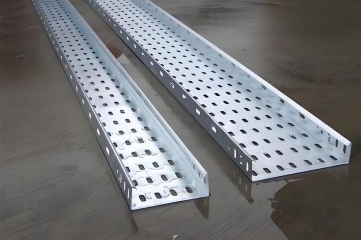
Galvanization is a process where steel is coated with a layer of zinc; either through hot-dip galvanizing or electro-galvanizing. The zinc layer does something remarkably effective: it acts as a sacrificial coating, corroding in place of the steel beneath it.
For cable trays, this matters enormously. Installations in power plants, outdoor environments, coastal areas or anywhere near chemicals are exposed to conditions that would eat through ordinary steel within a few monsoon seasons. Galvanized trays hold their ground where others fail.
These trays are not limited to one type of project. Their corrosion resistance and structural strength make them a reliable fit across a wide range of settings:
When you compare galvanized trays to alternatives made from stainless steel, aluminium or plastic, a few things stand out clearly:
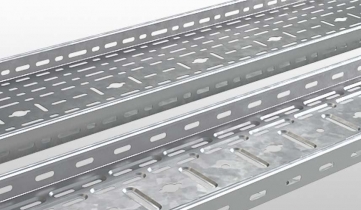
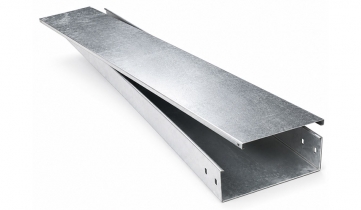
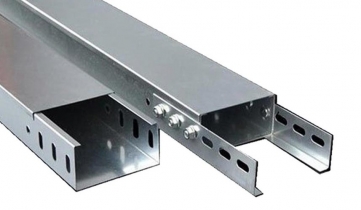
Not every project calls for the same tray configuration. Galvanized steel is the material; the form it takes depends entirely on your specific need.
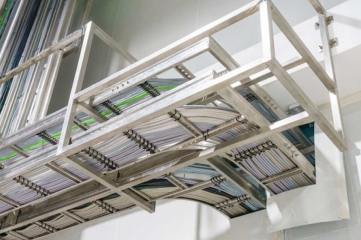
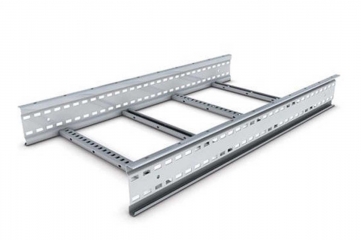
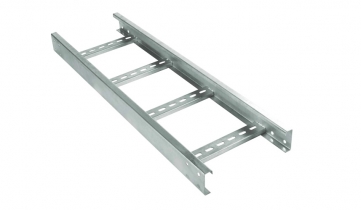
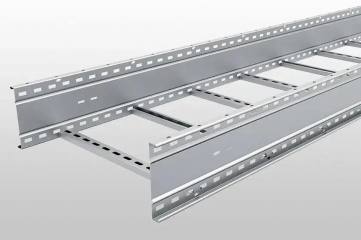
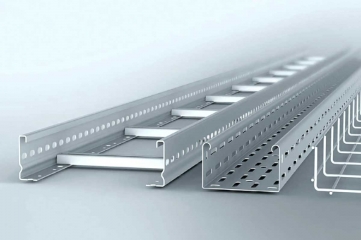
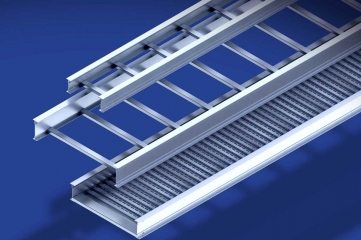
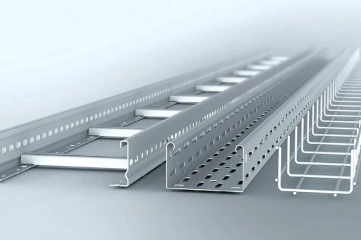
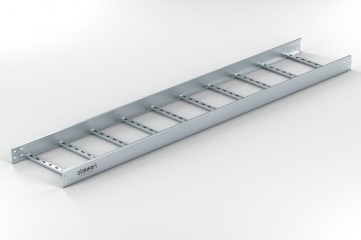
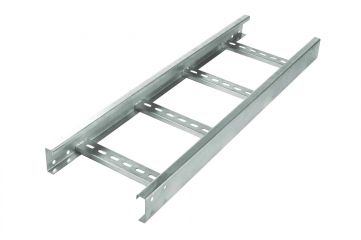
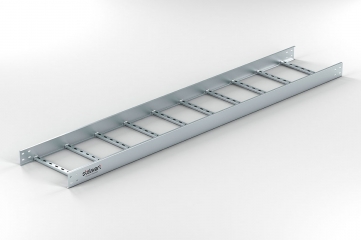
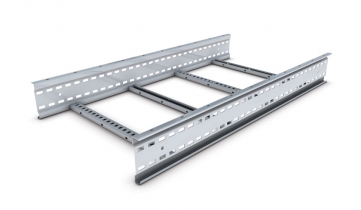
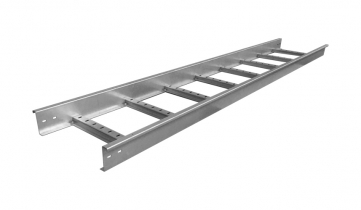
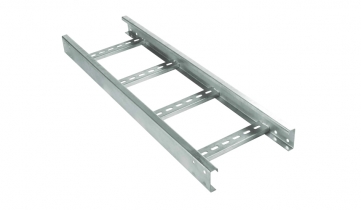
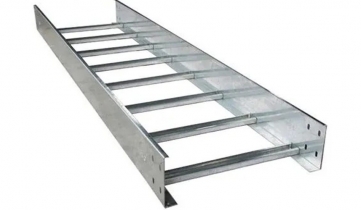
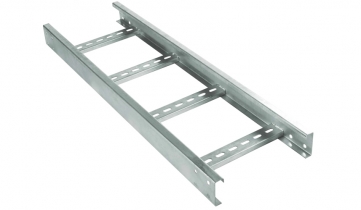
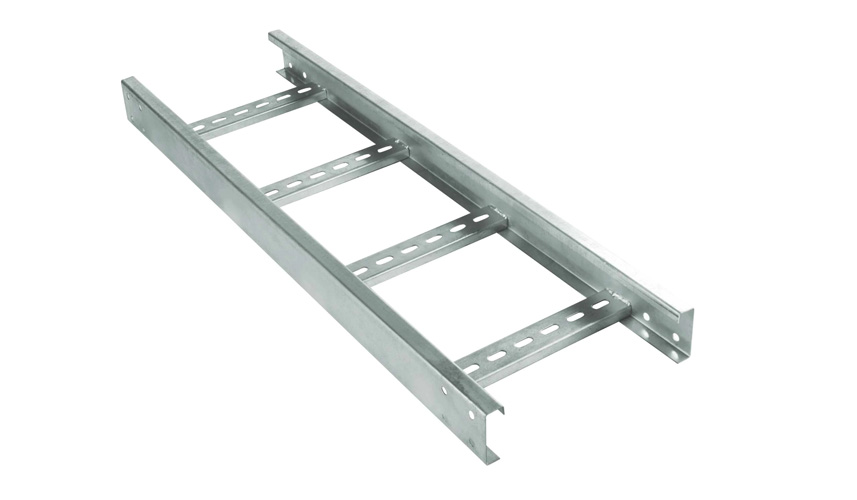
Ladder Cable Trays are the preferred choice in industrial settings where cables generate significant heat and ventilation is critical — the open rung design allows maximum airflow around the cable bundle, keeping operating temperatures safely in check. Knowing which type fits which zone before the design is finalised saves considerable time and rework down the line.
A few checks that are easy to skip but genuinely worth the effort:
Even the best tray underperforms if installed without care. A few principles that hold across most projects. Space support hangers according to the manufacturer's load span tables; every tray type has a recommended maximum span. Earth the tray system at regular intervals using proper bonding conductors. Keep cable fill within the recommended limit, typically 40 to 50 per cent of the tray's cross-sectional area.
Use factory-made fittings for all bends and junctions rather than improvising cuts and bends on-site. Inspect all joints and fixings before cables are laid, since corrections after the fact are always time-consuming and costly.
Cable management is not an afterthought — it is infrastructure. Cable trays, when correctly specified, sourced from a credible manufacturer and installed with care, provide a foundation that keeps electrical systems safe, accessible and performing reliably for the long haul. Do the groundwork before the project starts, and the installation will speak for itself.
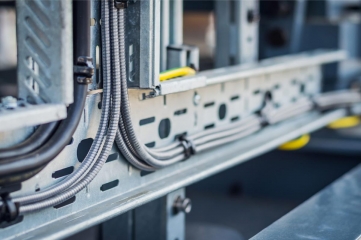
An electrical and communication cable management and organization system known as a cable tray is utilized to accommodate various types of cables, it is typically made of metal, such as aluminum or steel, and is available in a variety of sizes and shapes.
Several advantages of using a cable tray include better cable management, increased safety, and simpler maintenance. In comparison to other conduit systems, cable trays can offer a more effective and affordable solution.
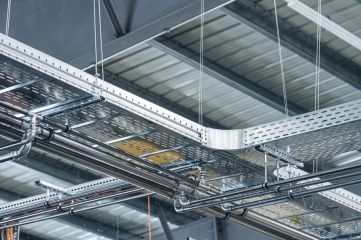
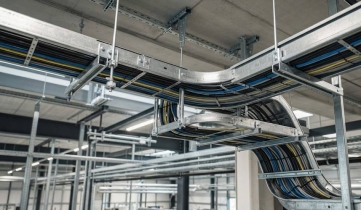
Cable trays can be installed in a number of ways, such as hanging from ceilings, mounting on walls, or using floor stands as support. The installation procedure typically entails cutting and fitting the tray to the required length as well as mounting brackets, supports, and hardware.
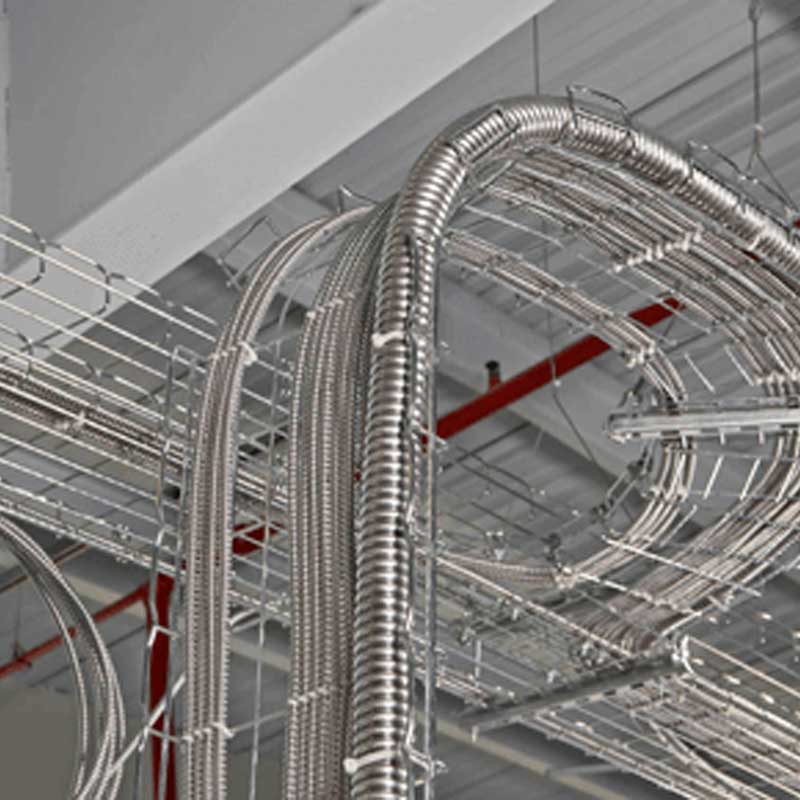
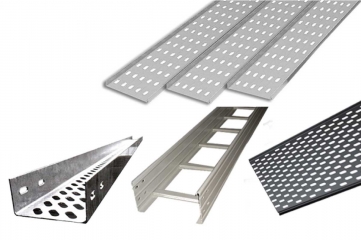
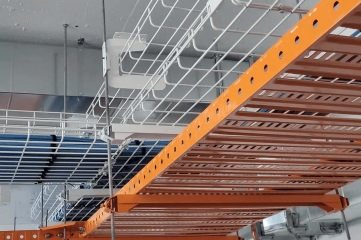
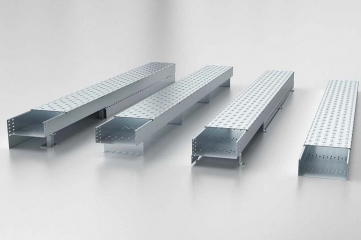
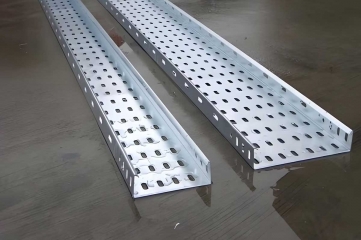
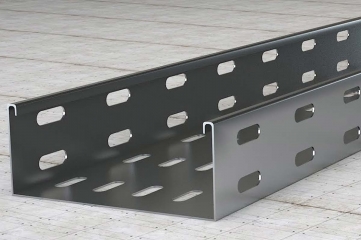
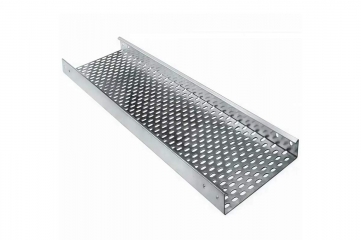
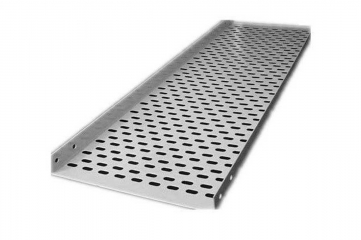
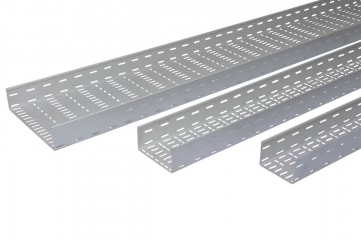
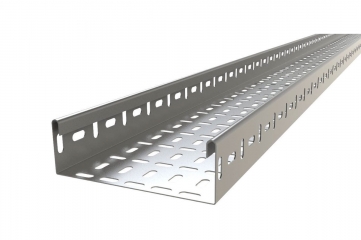
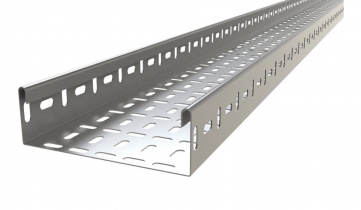
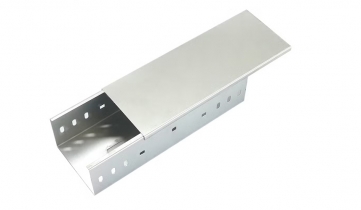
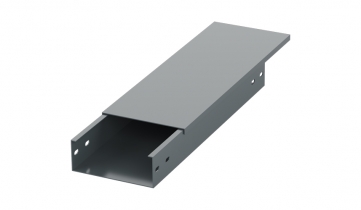
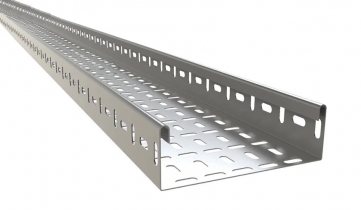
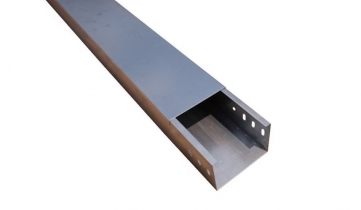
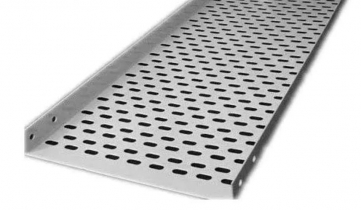
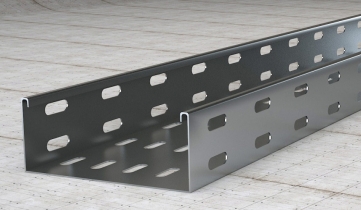
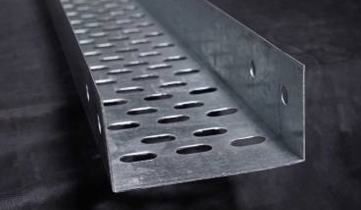
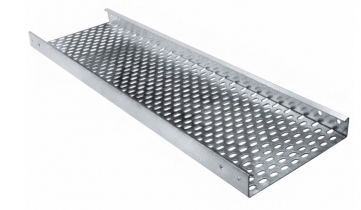
The term cable tray refers to a variety of different products, some of which include a ladder, ventilated bottom, solid bottom, wire mesh, and trough. Each variety of tray is constructed to work with a distinct set of cable arrangements and applications.
When choosing a cable tray, it is essential to take into consideration a variety of factors, including the weight and dimensions of the cables, the setting in which they will be installed, and any applicable codes and standards. It is essential to take into account the particular necessities of the project, such as the cable capacity, accessibility, and ease of installation, among other things.
The answer is yes some cable trays are constructed with fire-retardant materials. Cable trays designed to withstand fire are typically fabricated from materials like galvanized steel or stainless steel, and they are coated with materials designed to withstand fire.