Call Us on







Call Us on
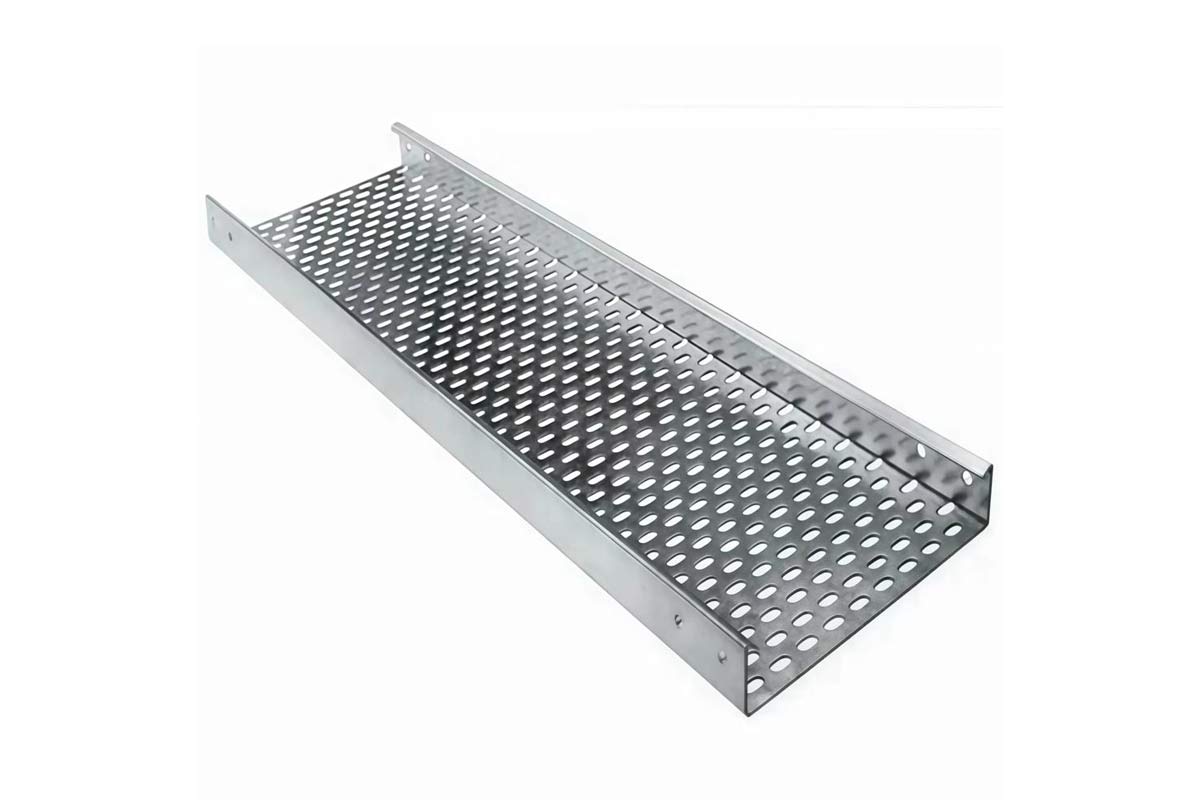
Have you ever walked into a brand-new office, looked down, and saw a massive rat's nest of cords? It just kills the vibe immediately. But honestly, the ugly look is the least of our worries. Those exposed wires are a ticking time bomb for safety. From power lines to data cables, they keep businesses alive. Leaving them out in the open? That is a huge mistake. That is exactly why adding a reliable Raceway Cable Tray makes all the difference for a modern workspace. We pour crazy amounts of money into nice furniture and fast computers. Yet, we completely forget how to manage the cables powering them. Let's dig into why this matters so much.
Think about a regular Tuesday at the office. People are walking around holding coffees. Heavy chairs are rolling back and forth. Maybe the cleaning crew is dragging a heavy vacuum cleaner around the floor. If your cables are just lying there unprotected, they are getting crushed constantly. Day after day, the plastic casing on those wires wears thin. When that insulation finally cracks, you are staring down a sudden network crash. Even worse, it could create a spark that starts a fire. Pests are another nightmare altogether. Rats and mice actually love chewing on soft wire casings. If we do not block them out physically, they will chew right through expensive network lines and leave us in the dark.
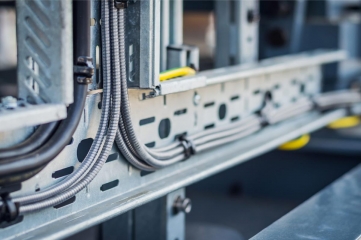
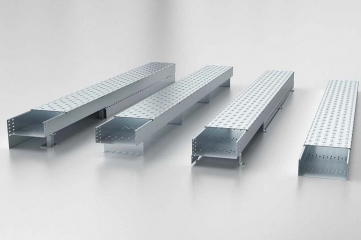
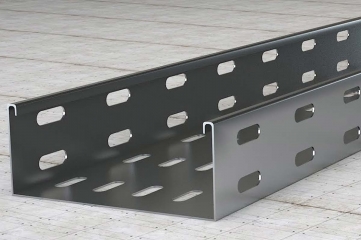
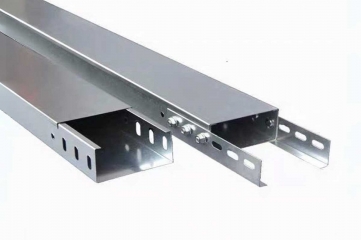
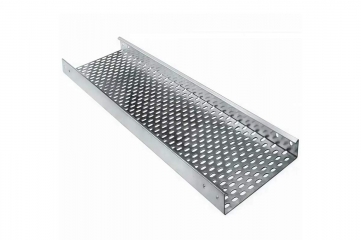
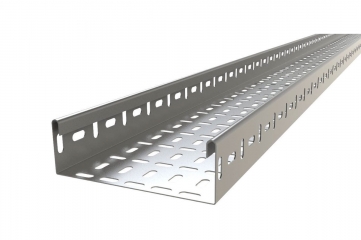
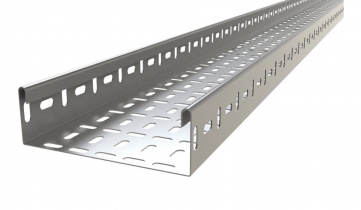
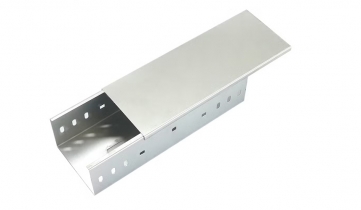
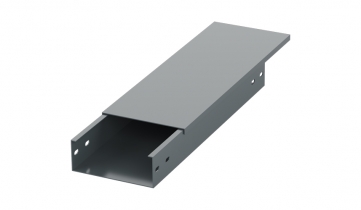
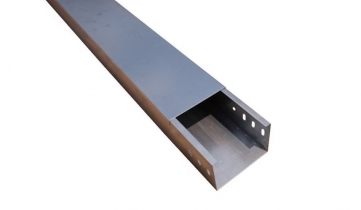
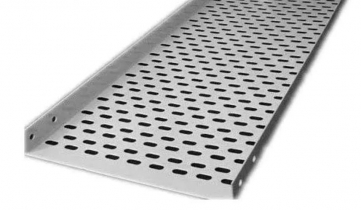
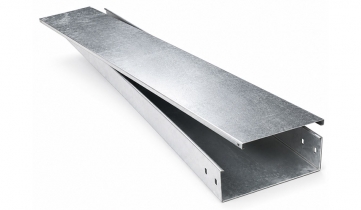
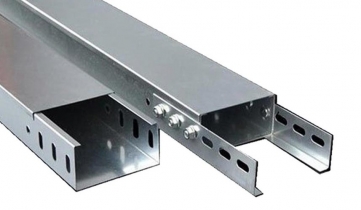
So, how do we fix this mess? We need a solid physical wall between our electrical wires and the outside world. Unlike open wire mesh options that leave things exposed to the elements, this specific system wraps the cords up completely. It is essentially a metal tunnel for your facility's power supply. Once you tuck your wiring inside, the cables are totally safe from getting stepped on or smashed by a stray utility cart. The cords sit comfortably inside, untouched by the daily chaos happening on the outside. We do not have to stress about random power drops just because someone moved a heavy desk too far to the left and pinched a wire.
Physical damage is bad, but electrical problems are often scarier and harder to track down. Packing a bunch of power cords tightly together naturally generates a lot of heat. If a wire does happen to short out, having a closed metal box helps contain the problem immediately. It stops a tiny electrical spark from catching onto a nearby carpet or a wooden desk. Plus, there is the data side of things. If we mix heavy power lines right next to internet cables, the signals can mess with each other. By separating them inside these closed metal channels, our internet speeds stay fast, and our video calls drop far less often.
Running a commercial facility in Delhi means dealing with some serious environmental headaches. We get extreme summer heat, and the heavy dust accumulation is no joke. Dust settles on absolutely everything. If it gets into sensitive electrical joints, it causes severe overheating. That is exactly where local manufacturing steps in to save the day. At Super Cable Tray Pvt. Ltd., we design closed wiring systems that are built specifically to handle these tough local conditions. A sealed structural system keeps the thick Delhi dust out of the wiring completely. When we buy locally built, heavy-duty infrastructure, we spend way less time and money replacing fried wires down the road.
While keeping the building from catching fire is obviously the main goal, we get a bunch of really nice bonus features when we clean up our cable management. Here is what else we gain:
Wiring should never be an afterthought. It is the literal lifeline of our daily business operations. Using a high-quality Raceway Cable Tray gives us peace of mind. It mixes heavy-duty physical protection with a really neat, professional finish. By doing this right the first time, we protect our expensive gear and keep everyone in the building safe. Partnering with a dedicated team like Super Cable Tray Pvt. Ltd. just makes sense when we want to get the job done correctly and securely.
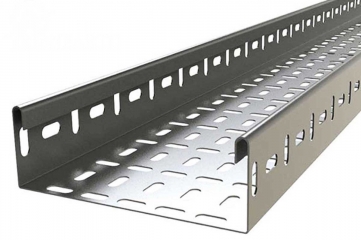
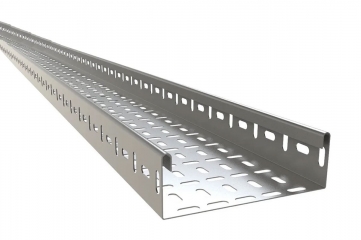
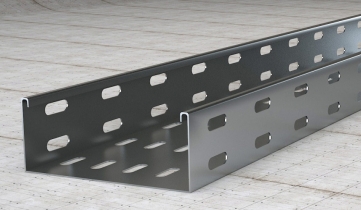
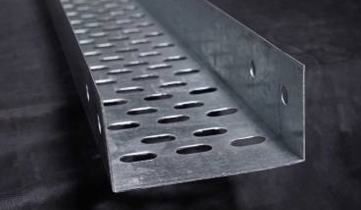
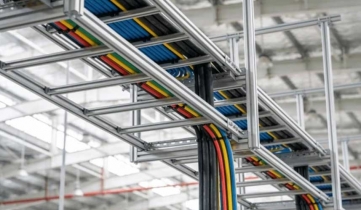
An electrical and communication cable management and organization system known as a cable tray is utilized to accommodate various types of cables, it is typically made of metal, such as aluminum or steel, and is available in a variety of sizes and shapes.
Several advantages of using a cable tray include better cable management, increased safety, and simpler maintenance. In comparison to other conduit systems, cable trays can offer a more effective and affordable solution.
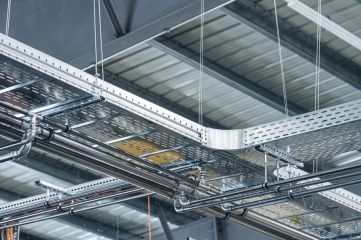
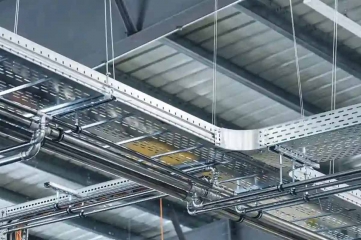
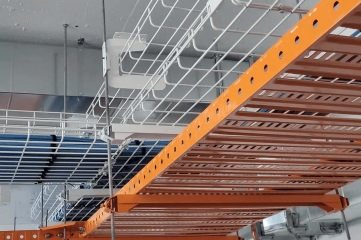
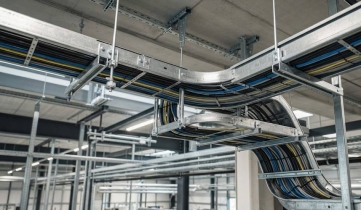
Cable trays can be installed in a number of ways, such as hanging from ceilings, mounting on walls, or using floor stands as support. The installation procedure typically entails cutting and fitting the tray to the required length as well as mounting brackets, supports, and hardware.
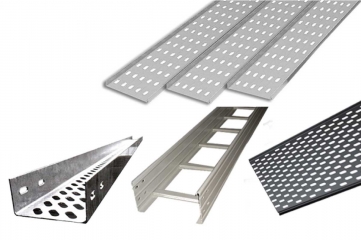
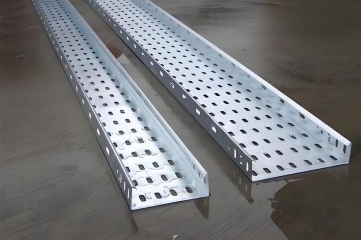
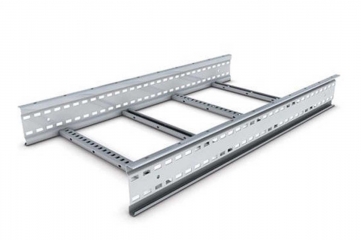
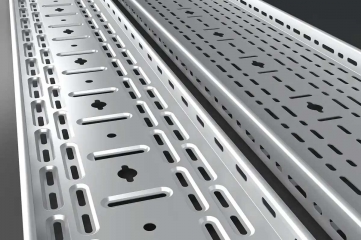
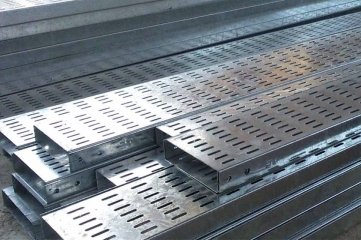
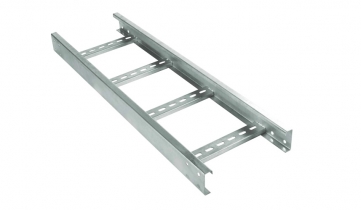
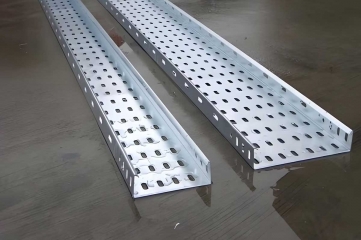
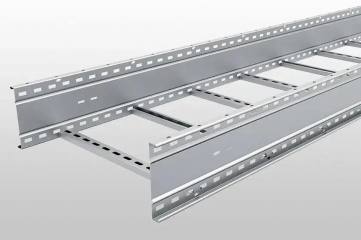
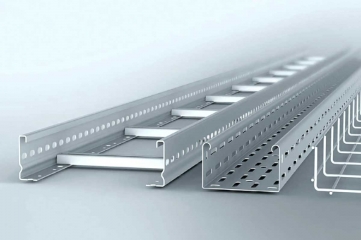
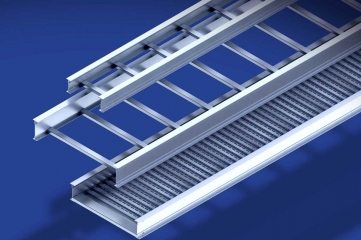
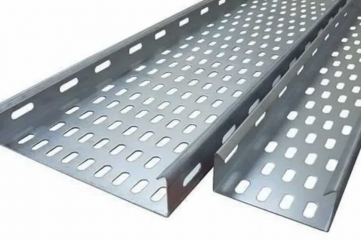
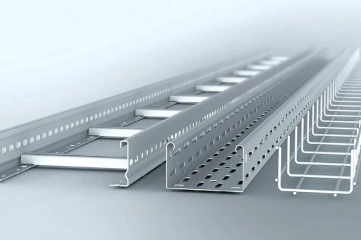
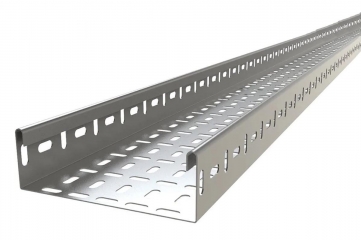
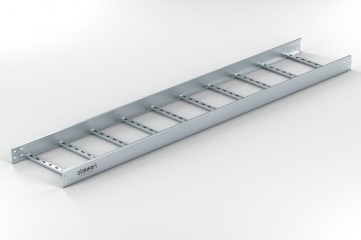
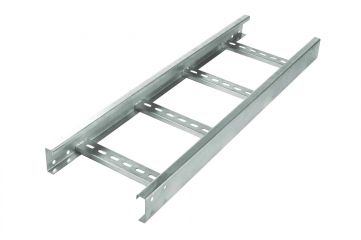
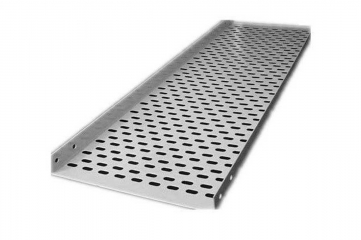
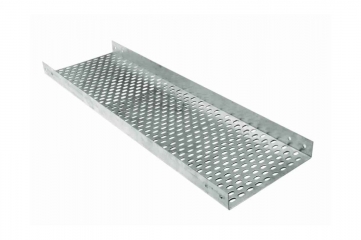
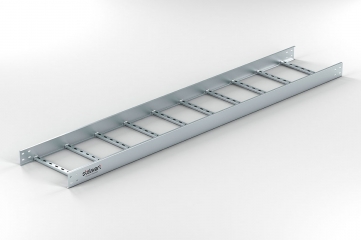
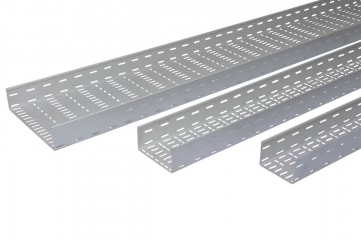
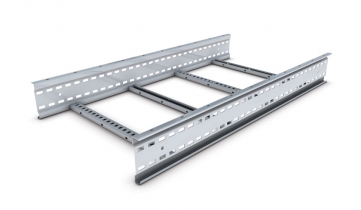
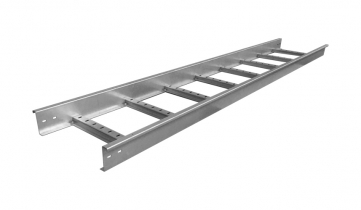
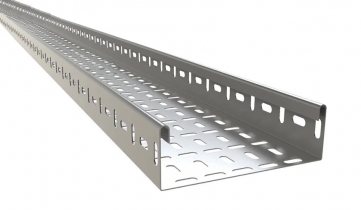
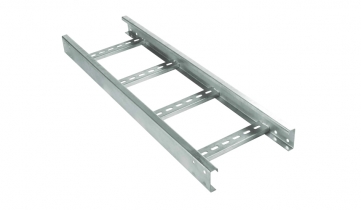
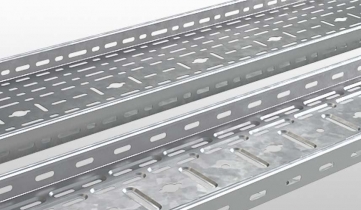
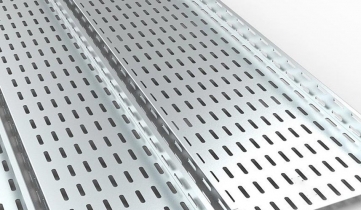
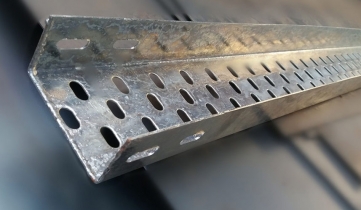
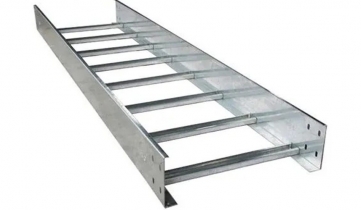
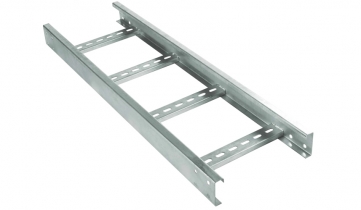
The term cable tray refers to a variety of different products, some of which include a ladder, ventilated bottom, solid bottom, wire mesh, and trough. Each variety of tray is constructed to work with a distinct set of cable arrangements and applications.
When choosing a cable tray, it is essential to take into consideration a variety of factors, including the weight and dimensions of the cables, the setting in which they will be installed, and any applicable codes and standards. It is essential to take into account the particular necessities of the project, such as the cable capacity, accessibility, and ease of installation, among other things.
The answer is yes some cable trays are constructed with fire-retardant materials. Cable trays designed to withstand fire are typically fabricated from materials like galvanized steel or stainless steel, and they are coated with materials designed to withstand fire.