Call Us on







Call Us on
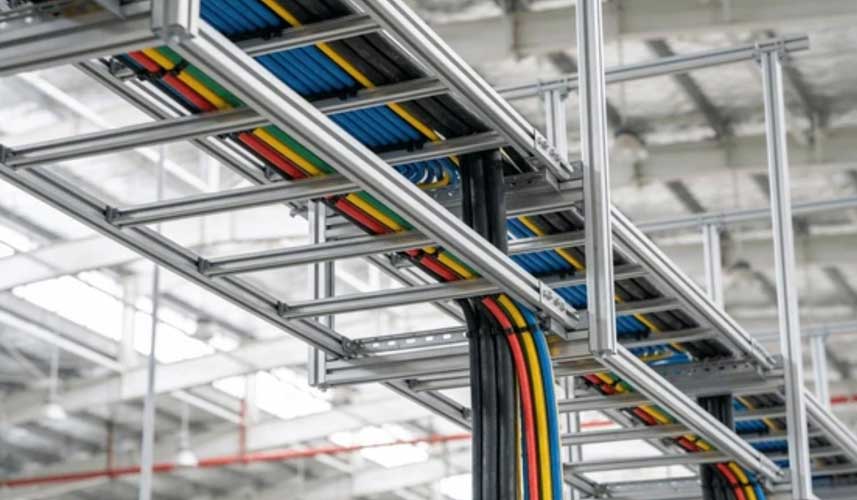
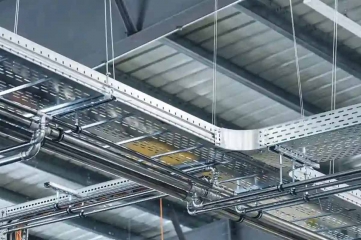
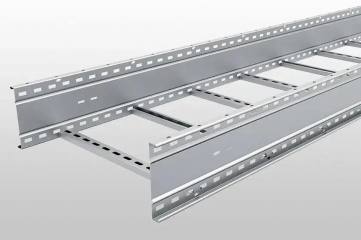
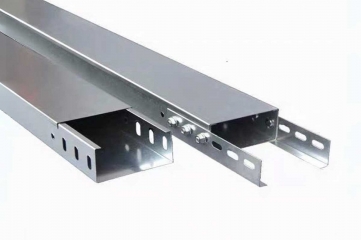
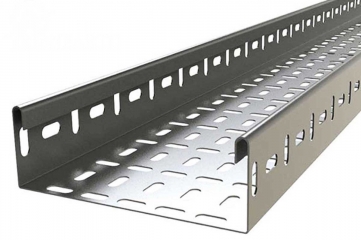
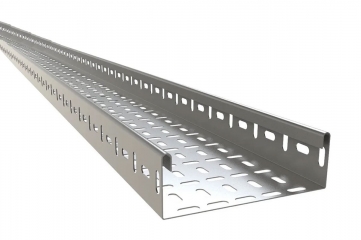
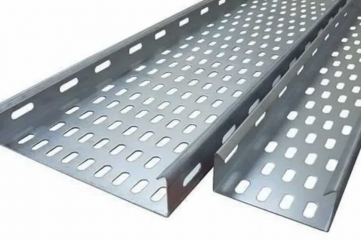
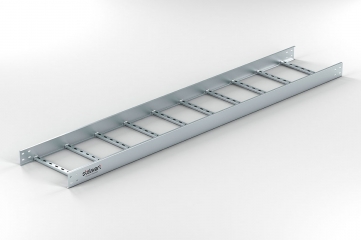
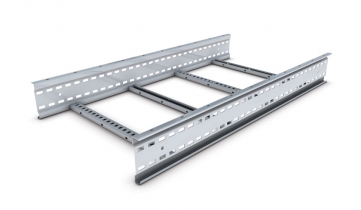
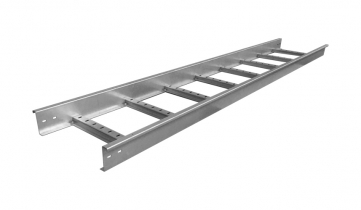
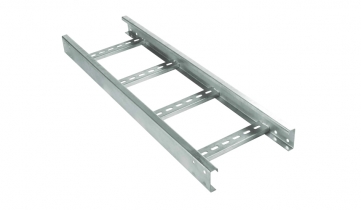
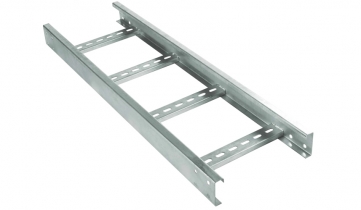
Setting up high-capacity power distribution in a busy facility is one of those jobs where solid planning pays off every single day. When electrical runs are laid out with clean spacing and proper support, the whole plant floor runs smoother—routine checks take minutes, heat moves away naturally, and adding a new line down the road feels like a simple, straightforward task rather than a major headache. Building that kind of reliable, stress-free setup comes down to choosing support systems engineered for real-world plant conditions. Installing Ladder Cable Trays manufactured by experienced producers like Super Cable Tray Pvt. Ltd. gives your team an open, high-tensile framework that holds serious conductor weight while keeping every meter of your power layout visible and easy to reach.
When you stand under a long run of thick copper or aluminum feeder lines, you realize just how heavy power really is. Underestimating that static load early on is usually why you see side rails bowing or rungs dipping over long open stretches. When setting up runs with Ladder Cable Trays in Singapore, experienced crews always walk the structural path first, checking beam support intervals and side-rail gauge before pulling the first line.
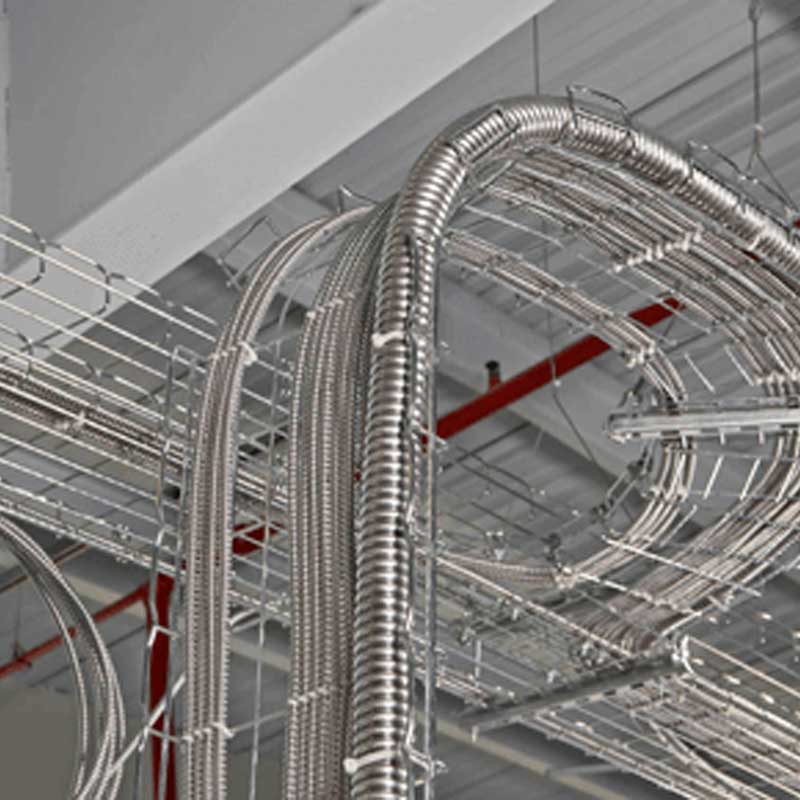
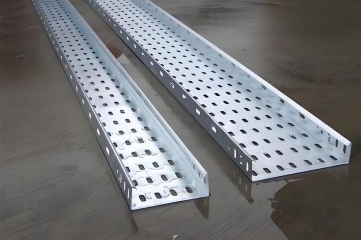
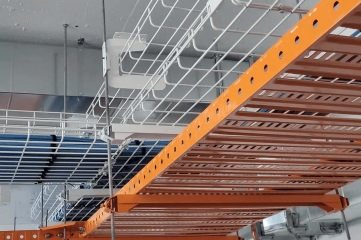
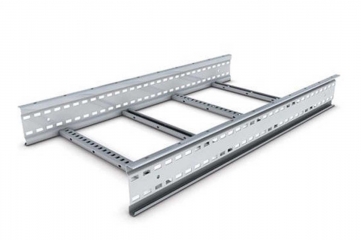
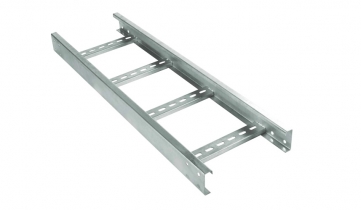
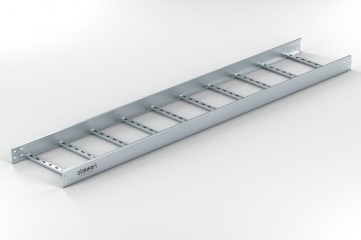
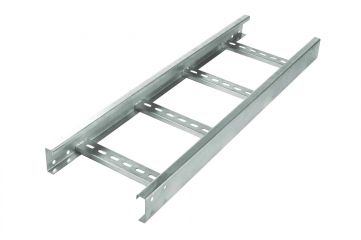
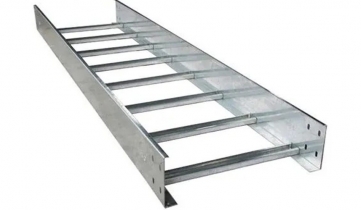
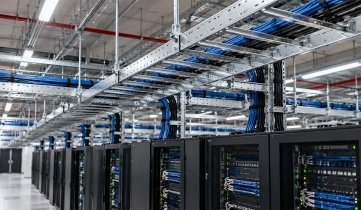
There is a huge difference in how cables perform when they have room to breathe. High-current feeder lines generate warmth continuously as power flows through them. If those lines are tucked away inside closed trunking, that heat stays trapped, raising resistance and gradually wearing out the insulation over time. The open-rung construction of a Ladder Cable Trays acts like a natural cooling system. It lets ambient air rise through the rungs and sweep heat away naturally without needing extra ventilation fans. Giving your tray runs a bit of clearance from overhead heat pipes—and keeping around 300 mm of space between stacked tiers—lets air circulate freely so your conductors stay cool and efficient through peak operating shifts.
If you have ever been on the floor during a heavy motor start or a power surge, you know the sudden jolt that passes through main lines. Under severe fault conditions, unbound heavy cables can shift or whip abruptly, putting sudden mechanical stress on terminal connections and surrounding gear.
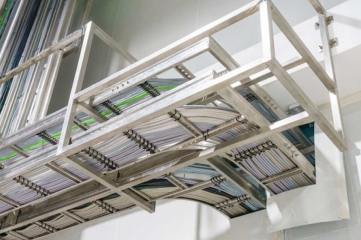
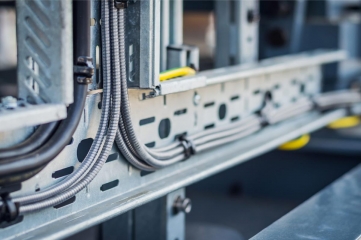
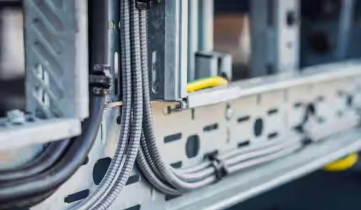
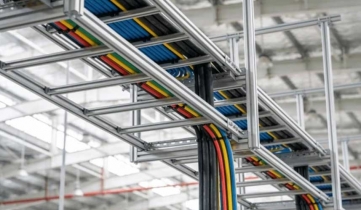
A well-planned Ladder Cable Trays system keeps the heavy power side of your facility completely separate from its sensitive control systems. Running high-voltage power lines right next to control cables or fiber optics often creates subtle electrical interference, which leads to random sensor errors and unexpected trips that take hours to diagnose. Keeping these circuits separated is the simplest way to ensure clean communication across your automated systems. Heavy power feeds lay best on the lowest tray level where structural strength is highest. Control lines are neatly routed on intermediate levels, separated by metallic dividers, while sensitive data cables are kept secure on a dedicated top tier, far from high-voltage noise.
An active plant is always changing, whether you are wiring up a new drive, swapping out a motor, or extending a conveyor line. Running Ladder Cable Trays in Singapore keeps all your cabling neat and accessible for safety checks, while leaving enough extra room so your team can pull new wire later without ripping down what is already there.
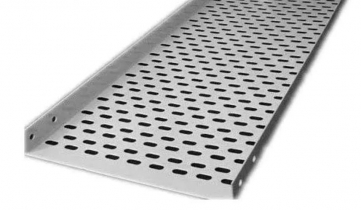
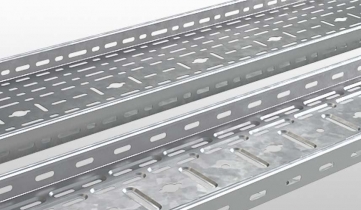
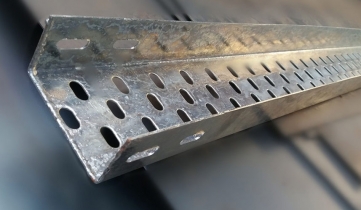
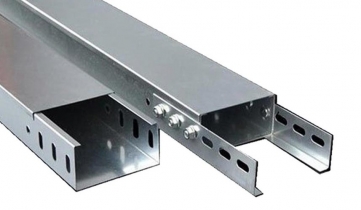
An electrical and communication cable management and organization system known as a cable tray is utilized to accommodate various types of cables, it is typically made of metal, such as aluminum or steel, and is available in a variety of sizes and shapes.
Several advantages of using a cable tray include better cable management, increased safety, and simpler maintenance. In comparison to other conduit systems, cable trays can offer a more effective and affordable solution.
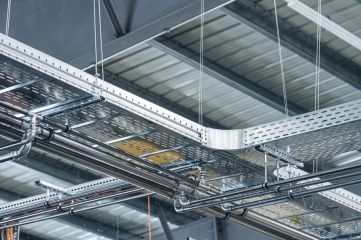
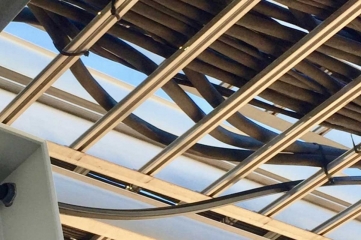
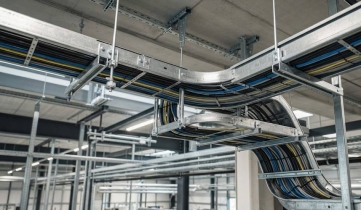
Cable trays can be installed in a number of ways, such as hanging from ceilings, mounting on walls, or using floor stands as support. The installation procedure typically entails cutting and fitting the tray to the required length as well as mounting brackets, supports, and hardware.
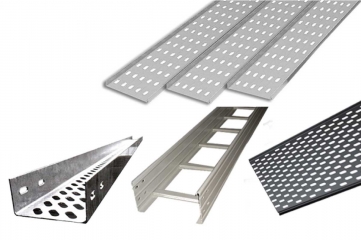
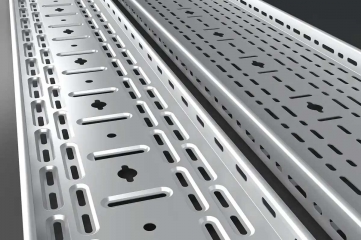
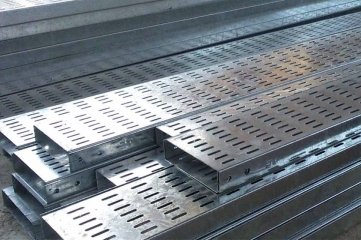
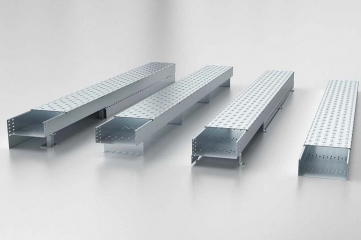
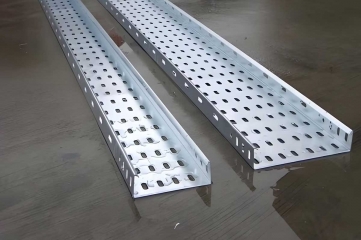
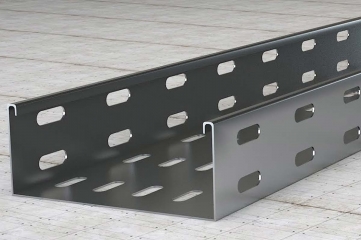
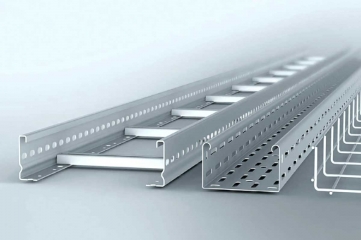
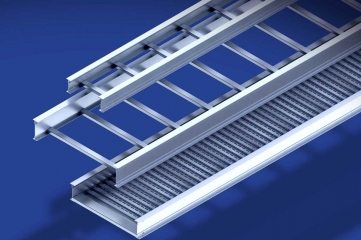
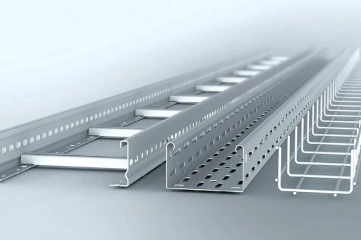
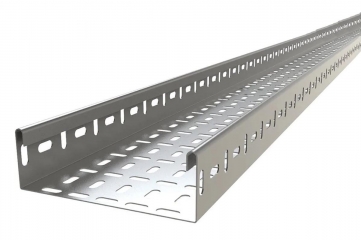
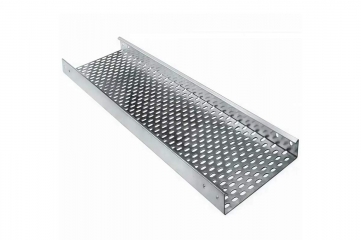
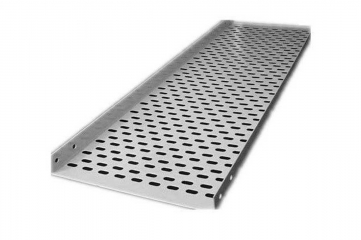
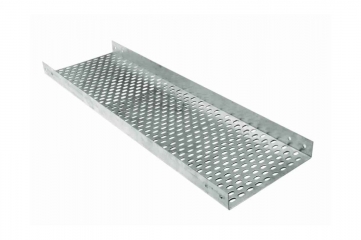
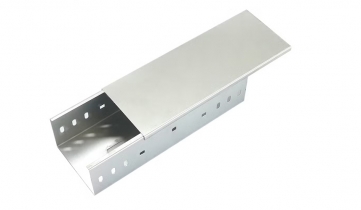
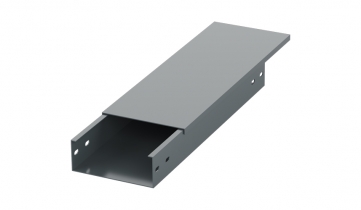
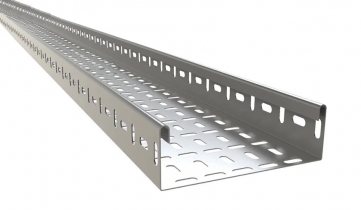
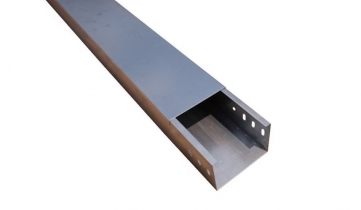
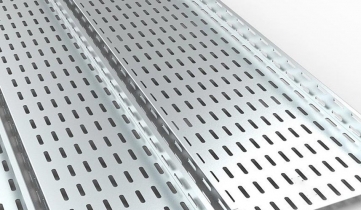
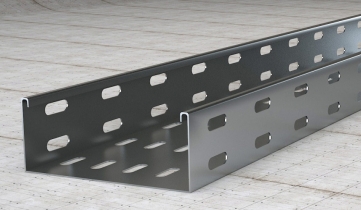
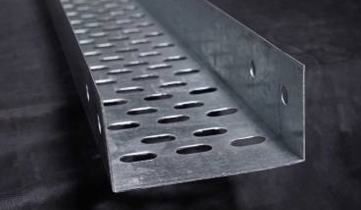
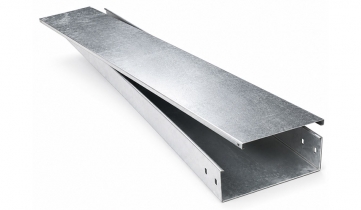
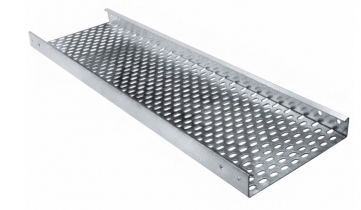
The term cable tray refers to a variety of different products, some of which include a ladder, ventilated bottom, solid bottom, wire mesh, and trough. Each variety of tray is constructed to work with a distinct set of cable arrangements and applications.
When choosing a cable tray, it is essential to take into consideration a variety of factors, including the weight and dimensions of the cables, the setting in which they will be installed, and any applicable codes and standards. It is essential to take into account the particular necessities of the project, such as the cable capacity, accessibility, and ease of installation, among other things.
The answer is yes some cable trays are constructed with fire-retardant materials. Cable trays designed to withstand fire are typically fabricated from materials like galvanized steel or stainless steel, and they are coated with materials designed to withstand fire.