Call Us on







Call Us on
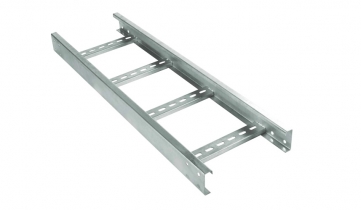
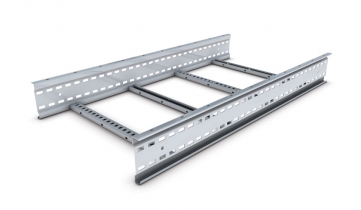
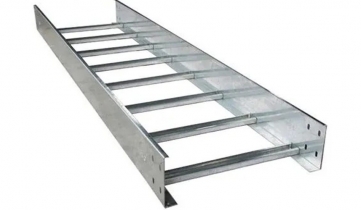
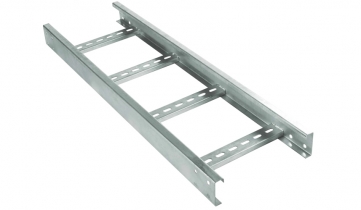
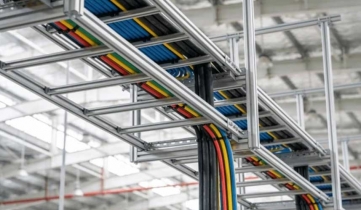
If you’ve been on a big job site, you know cables are a pain. Sometimes it feels like no matter how much you plan, there’s always an extra bundle or a last-minute change that throws your whole system off. You end up crawling around trying to trace wires or figuring out where to drop new ones in. When it comes to hassle-free projects, Ladder Cable Trays from Super Cable Tray Pvt. Ltd., are the go-to. They deliver reliable results every time, and soon enough, you’ll be recommending them to everyone. Want to know why they’re the industry’s top pick?
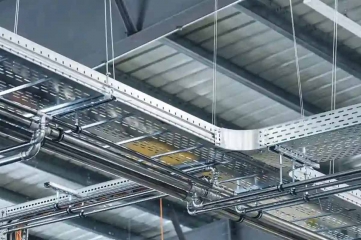
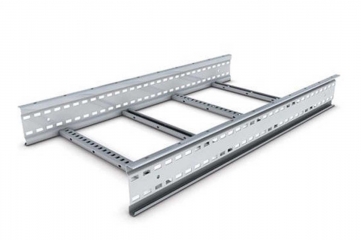
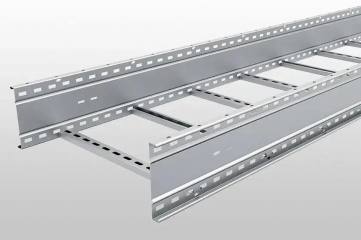
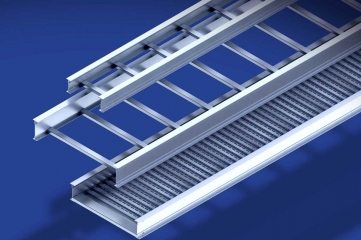
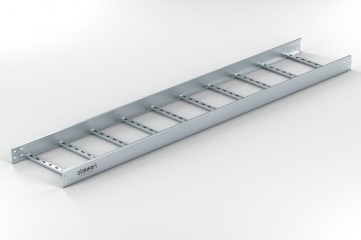
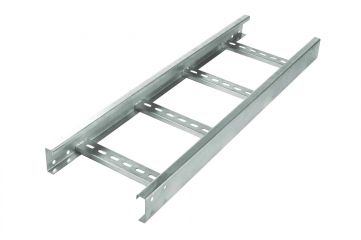
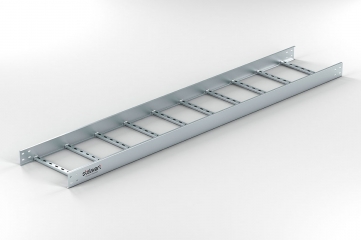
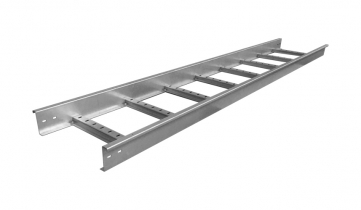
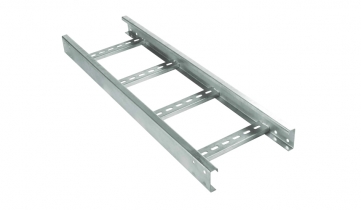
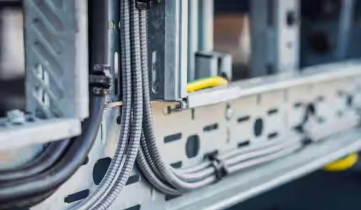
When you’re staring down hundreds of feet of cable and a deadline that’s coming up way too fast, you really don’t want to mess with something that can’t hold up. A cable support ladder system is just straightforward—no weird secrets, no crazy install tricks that only one guy on your crew knows. You know it’s reliable, so you can trust the whole setup from start to finish. Honestly, you end up saving time, and let’s be real, less time crawling around means more time actually getting to the next task.
Here’s why most of us like using these:
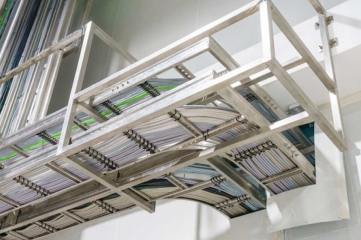
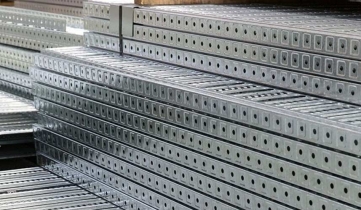
Some projects are just rough. We mean, big commercial builds or plants where nothing is ever straightforward. That’s where heavy duty ladder cable management is a must. These trays hold up under pressure and can take whatever the job throws at them. You don’t have to second-guess their strength or durability. In the end, it’s one less thing to worry about when you’re managing a complicated site. Honestly, it’s just less stress—not worrying about trays snapping or shifting is a relief.
Why you’ll be glad you went heavy duty:
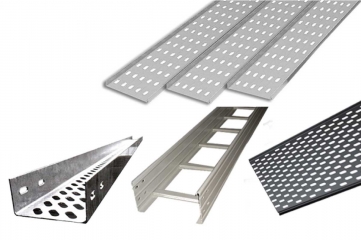
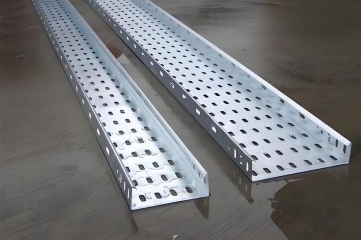
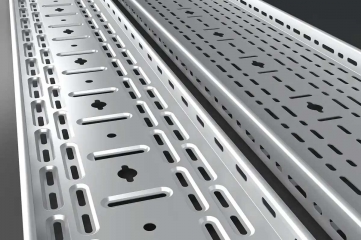
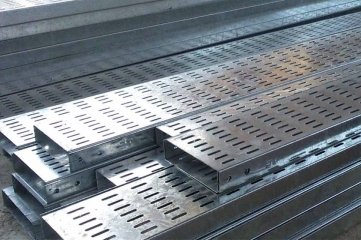
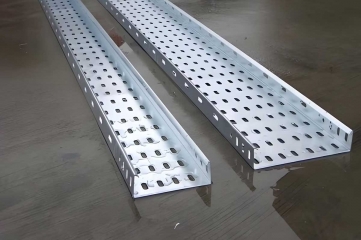
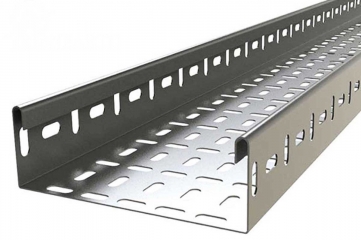
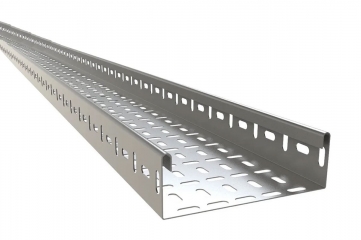
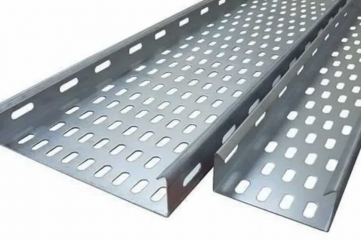
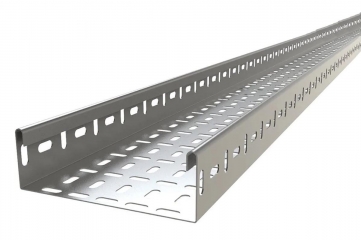
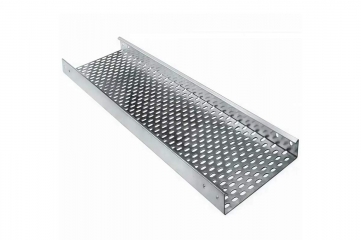
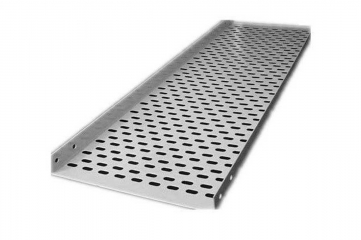
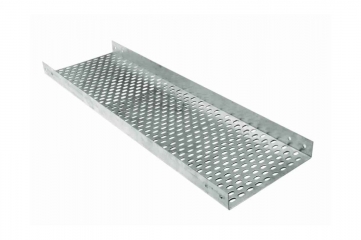
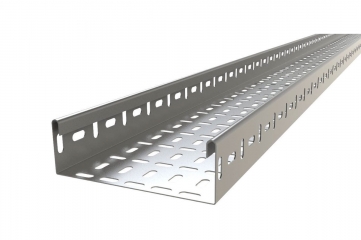
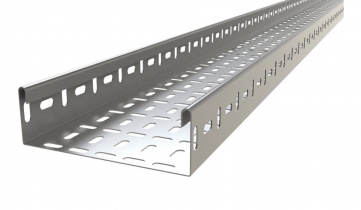
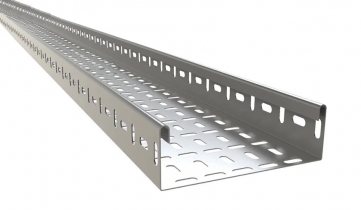
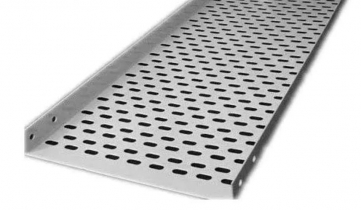
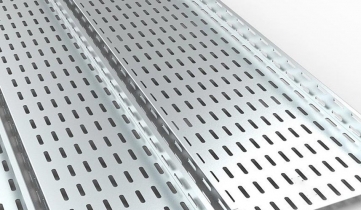
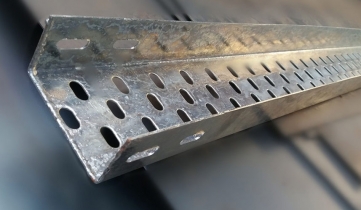
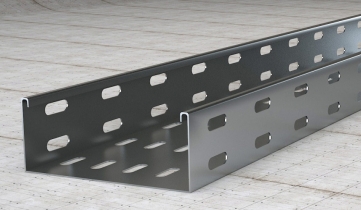
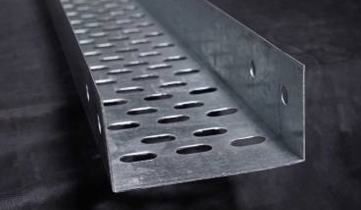
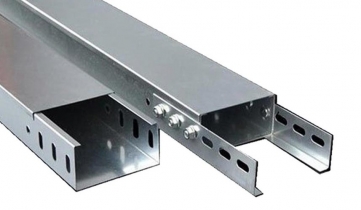
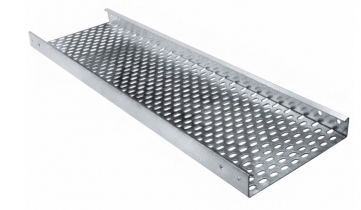
You see perforated cable trays all over, and there’s a reason for that. Those little holes actually help, even if sometimes you wonder if it’s just for show. The Perforated Cable Trays make cable routing simple and let air move around to keep things cool. Adjustments or add-ons are quick, with no hassle when plans change. Plus, they’re light enough for one person to handle, which keeps the workday moving. Basically, they’re just easy, and easy is good when you’re tired and the clock’s ticking.
Why people keep using them:
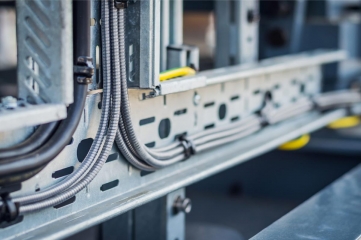
Nobody wants a rat’s nest of cables, especially when you’re hoping the building will last more than a couple years. Structured cabling and solid engineering make life a heck of a lot easier, trust me. Well-planned layouts save you time when you need to trace or upgrade lines later. They also cut down on those emergency repairs that always seem to pop up at the worst time. You want cabling to be something you forget about because it just… works.
What you get when you do it right:
They just do. When you’ve got a cable support ladder system, heavy duty ladder cable management, perforated cable trays, and those reliable, engineered setups, you get less mess, more flexibility, and you don’t have to panic every time someone needs to add something new. For anyone running a big build or an industrial site, these are the little things that make a big difference—less stress, fewer surprises, and maybe, just maybe, you get to go home on time for once.
An electrical and communication cable management and organization system known as a cable tray is utilized to accommodate various types of cables, it is typically made of metal, such as aluminum or steel, and is available in a variety of sizes and shapes.
Several advantages of using a cable tray include better cable management, increased safety, and simpler maintenance. In comparison to other conduit systems, cable trays can offer a more effective and affordable solution.
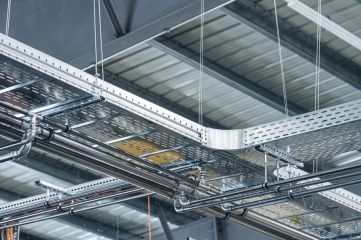
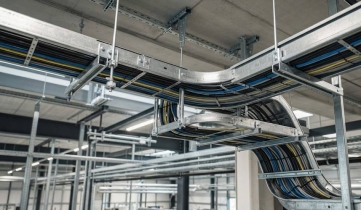
Cable trays can be installed in a number of ways, such as hanging from ceilings, mounting on walls, or using floor stands as support. The installation procedure typically entails cutting and fitting the tray to the required length as well as mounting brackets, supports, and hardware.
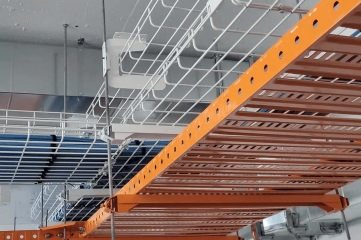
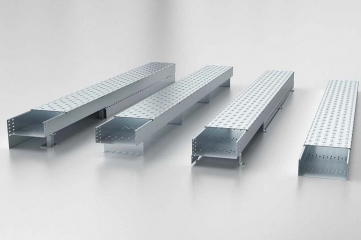
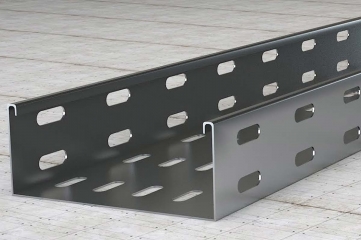
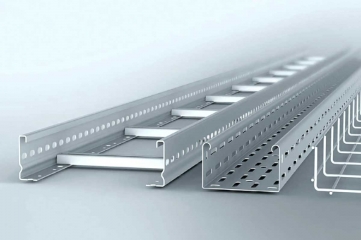
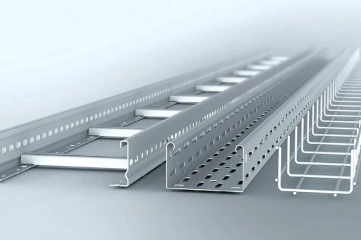
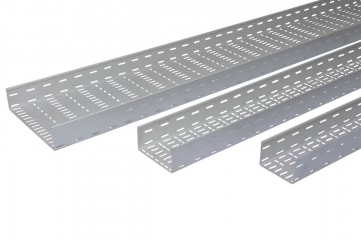
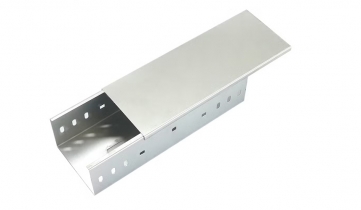
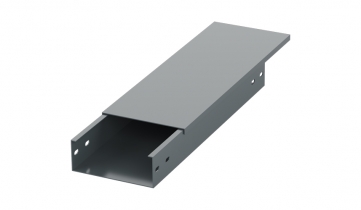
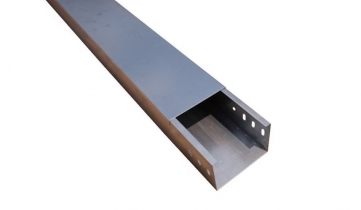
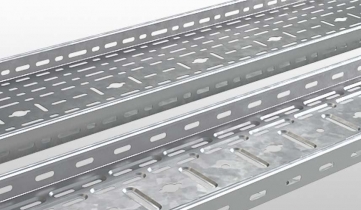
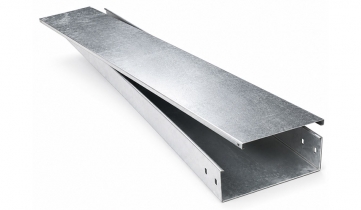
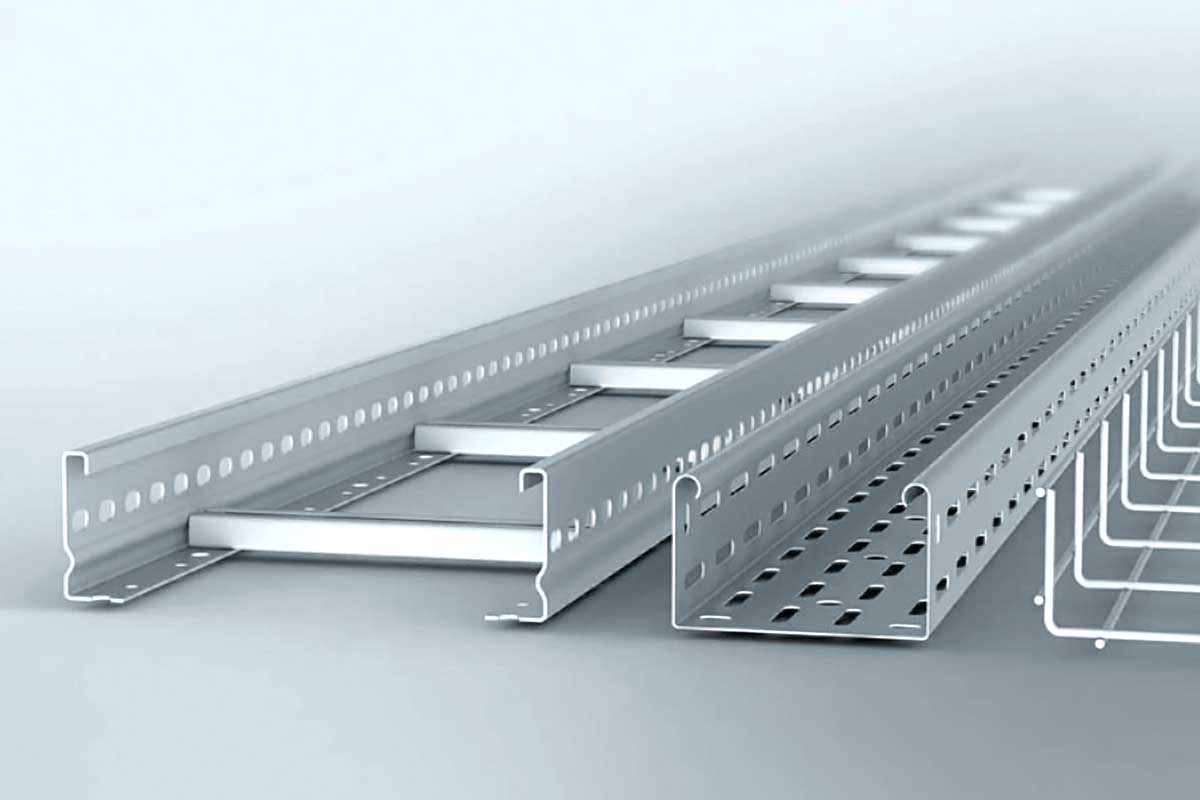
The term cable tray refers to a variety of different products, some of which include a ladder, ventilated bottom, solid bottom, wire mesh, and trough. Each variety of tray is constructed to work with a distinct set of cable arrangements and applications.
When choosing a cable tray, it is essential to take into consideration a variety of factors, including the weight and dimensions of the cables, the setting in which they will be installed, and any applicable codes and standards. It is essential to take into account the particular necessities of the project, such as the cable capacity, accessibility, and ease of installation, among other things.
The answer is yes some cable trays are constructed with fire-retardant materials. Cable trays designed to withstand fire are typically fabricated from materials like galvanized steel or stainless steel, and they are coated with materials designed to withstand fire.