Call Us on







Call Us on
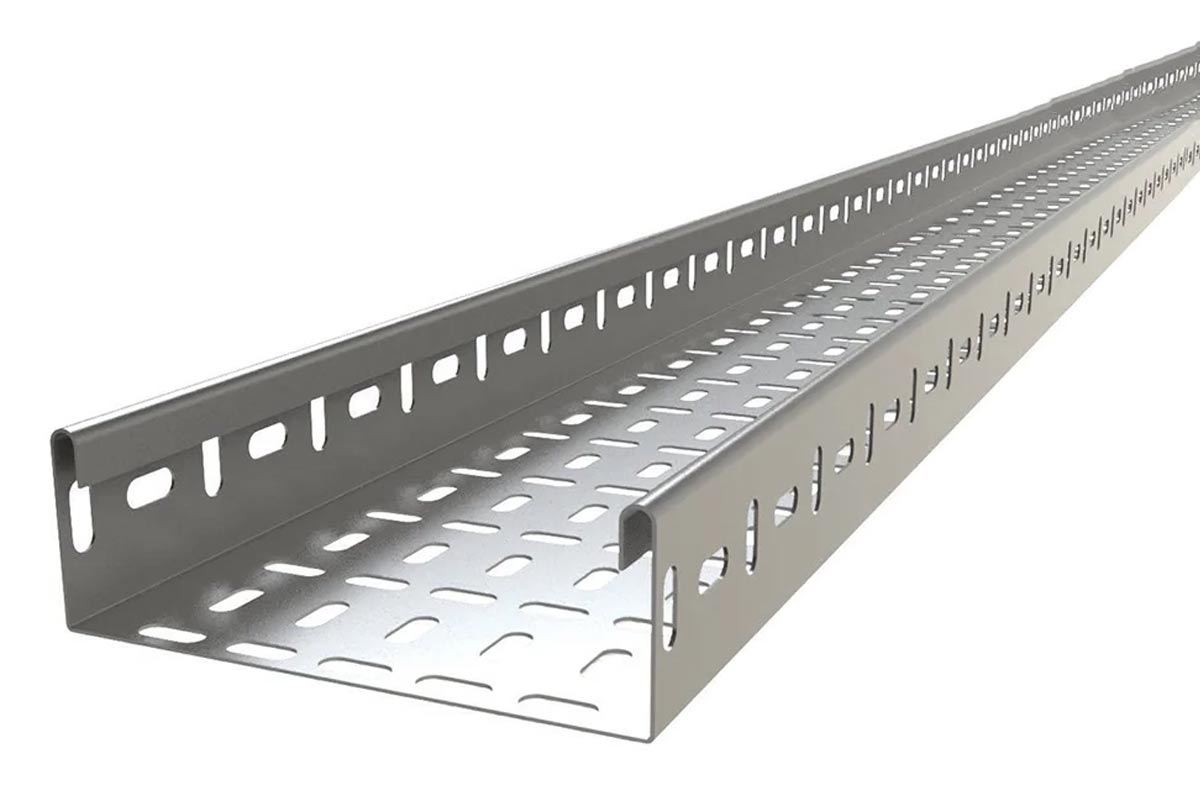
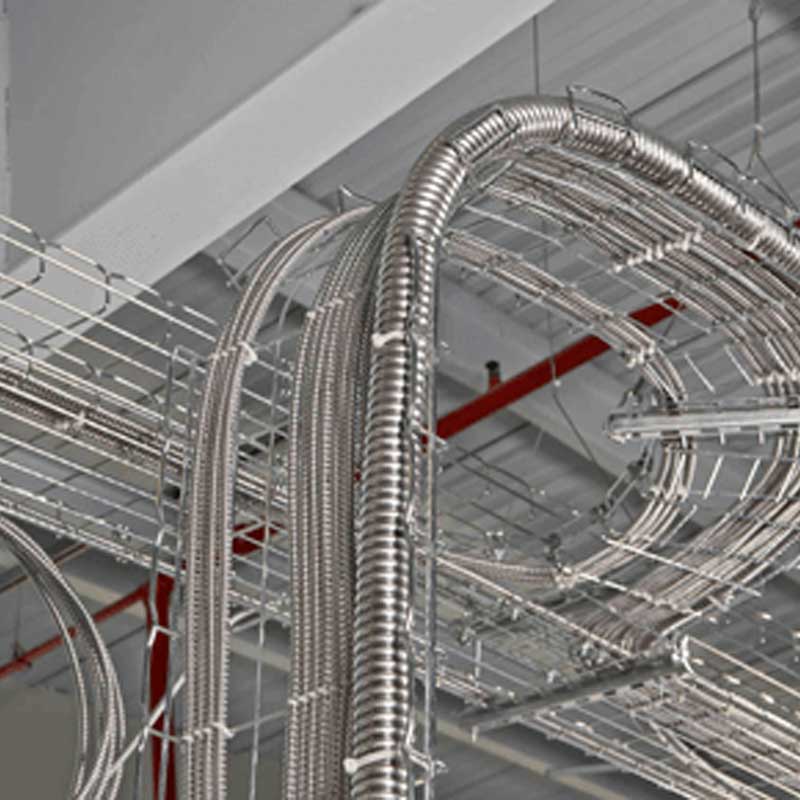
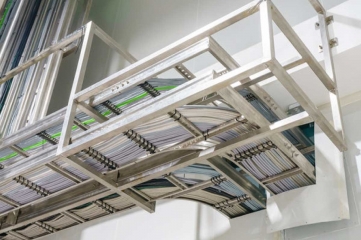
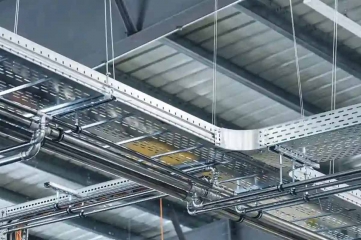
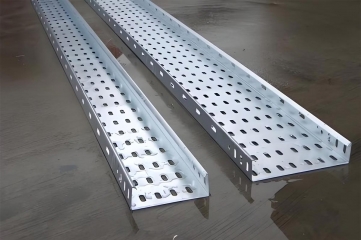
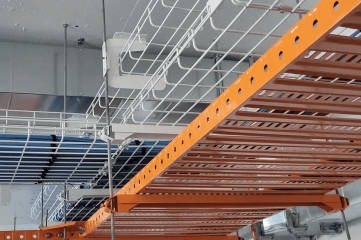
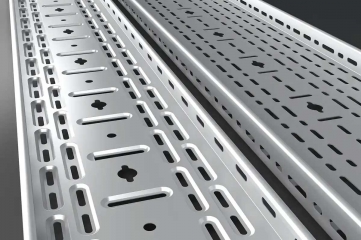
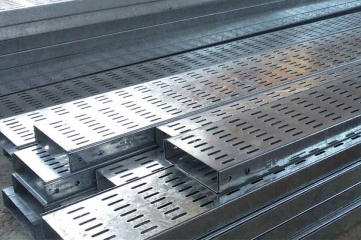
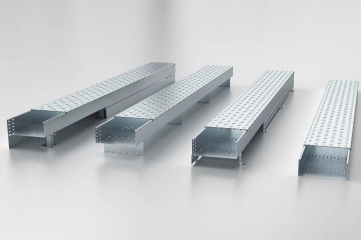
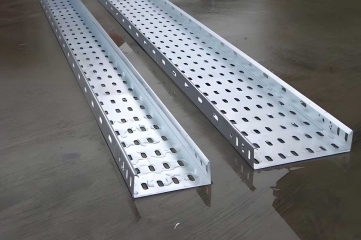
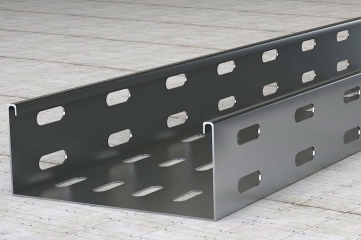
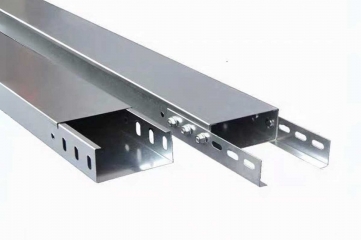
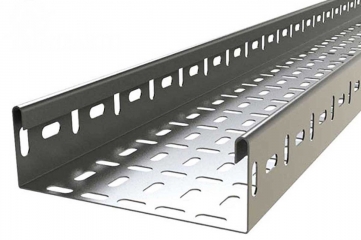
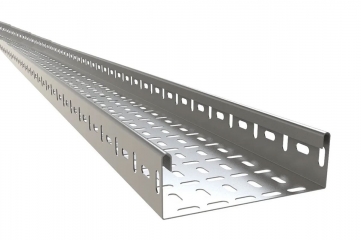
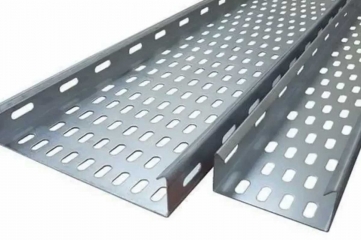
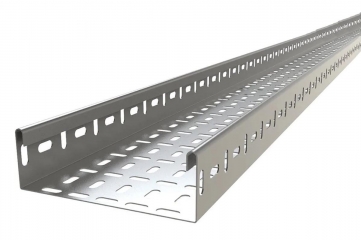
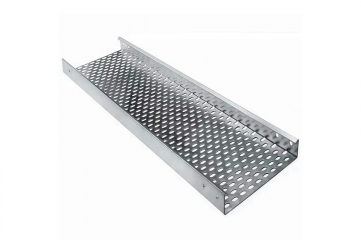
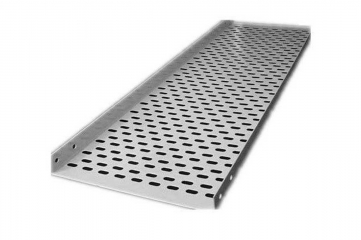
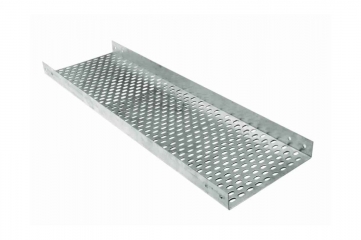
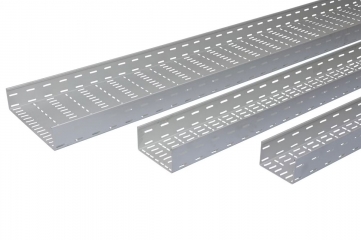
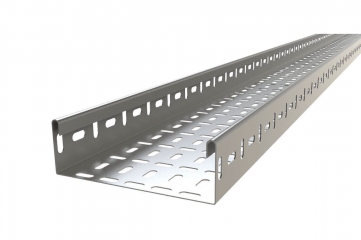
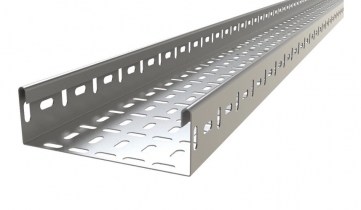
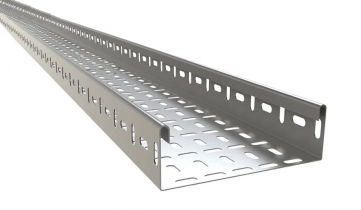
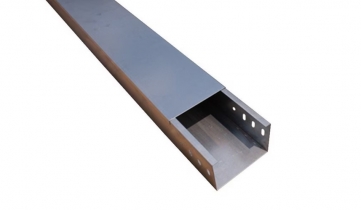
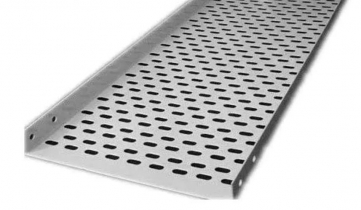
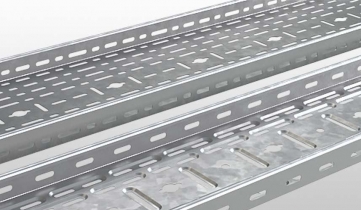
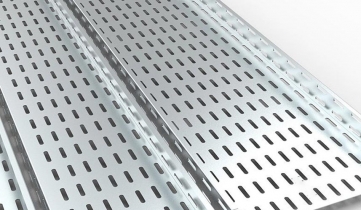
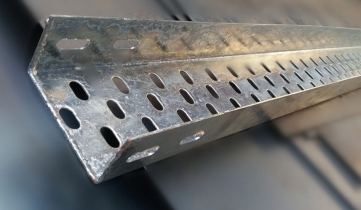
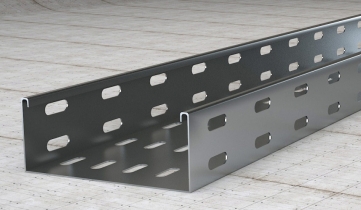
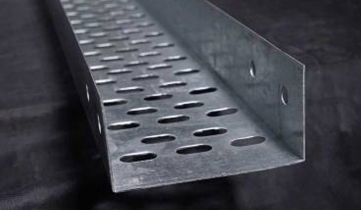
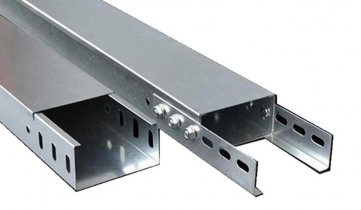
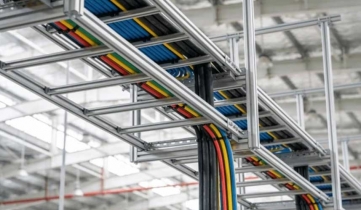
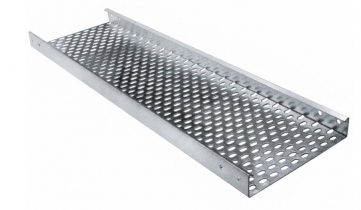
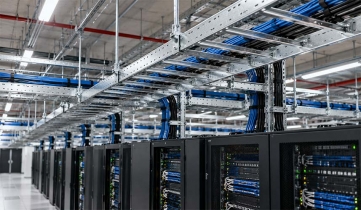
When a server hall scales up rack densities, the real nightmare hiding above those cabinets isn't just a mess of wires—it’s thermal trapping. Hundreds of active copper leads packed together generate relentless heat. Lock those runs inside closed trunking, and you build an overhead oven that bakes cable insulation until it cracks, short-circuits, or drops data packets. This is where specialized Perforated Cable Trays Manufacturers become crucial on the job floor. They supply precision-punched steel channels that let trapped heat vent naturally into return air ducts while supporting heavy, multi-layer cable bundles across massive open spans.
Continuous current flow through heavy power cables generates steady resistance heat. If that thermal load stays trapped around the bundle, the outer jacket degrades fast, forcing cooling equipment to work overtime just to keep server inlets within safe thermal limits.
Electrical engineers mandate ventilated tray profiles to maintain natural heat dissipation along primary containment routes:
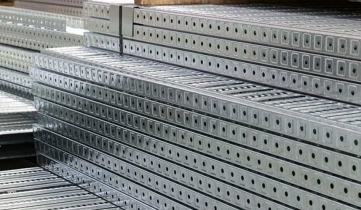
Cable containment pathways don't just hang in dry, temperature-controlled server rooms; they run through damp sub-floor plenums, near chiller coils, and across humid air shafts where temperature shifts create surface moisture. Cheap sheet metal with thin plating rusts quickly, dropping metallic flakes straight into server air intakes. Sourcing hardware through established GI Perforated Cable Tray Suppliers in India protects critical infrastructure against ambient moisture damage:
Data halls are living spaces where racks get swapped, power feeds get doubled, and fiber lines get rerouted during tight maintenance windows. Trying to modify rigid, fully welded conduit runs while live servers operate underneath creates metal dust, noise, and high risks of accidental downtime. Getting modular tray components straight from Perforated Cable Trays Manufacturers gives site technicians an immediate speed advantage during expansions:
A sudden phase-to-earth fault inside a high-voltage server hall can send thousands of fault amperes surging through the overhead tray grid in milliseconds. If those metal channels lack continuous earthing continuity, that fault energy can energize the entire structural ceiling, endangering technicians and frying connected gear.
Equipment builders like Super Cable Tray Pvt. Ltd. design heavy-gauge side rails with dedicated bonding points along every section. Buying directly from verified GI Perforated Cable Tray Suppliers in India ensures project managers get factory-tested hardware that passes strict earthing continuity tests, directing fault energy safely to ground.
Building out a hyperscale facility means working against brutal commissioning deadlines where a week's delay can trigger massive financial penalties. Waiting on site welders to measure, cut, and weld custom elbows or elevation risers on the fly creates immediate site bottlenecks.
Direct factory supply arrangements deliver clear practical advantages for fast-moving electrical contractors:
The cable containment that gets cut first on the build is an operational pain in the ass forever. Trays bow weakly between supports, sharp slot edges rip insulation and thin galvanizing flakes off as rust inside air handling units. Partnering with experienced Perforated Cable Trays Manufacturers gives data facility managers a clean, durable structural foundation for their power and data networks. Manufacturers like Super Cable Tray Pvt. Ltd. produce heavy-gauge, ventilated steel channels that carry massive cable loads safely to ensure long-term reliability as server halls expand.
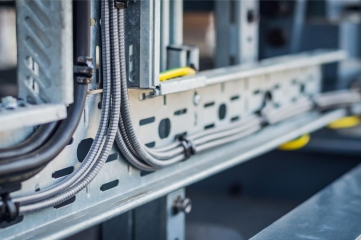
An electrical and communication cable management and organization system known as a cable tray is utilized to accommodate various types of cables, it is typically made of metal, such as aluminum or steel, and is available in a variety of sizes and shapes.
Several advantages of using a cable tray include better cable management, increased safety, and simpler maintenance. In comparison to other conduit systems, cable trays can offer a more effective and affordable solution.
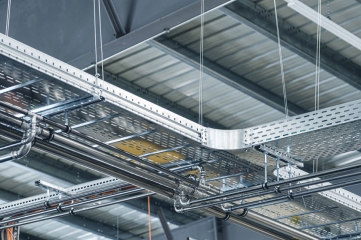
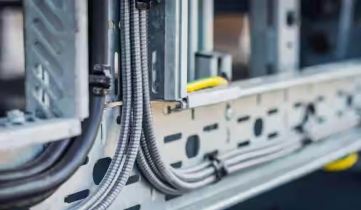
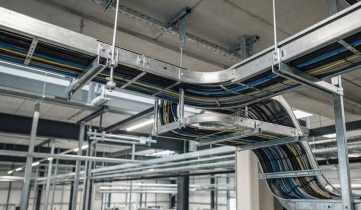
Cable trays can be installed in a number of ways, such as hanging from ceilings, mounting on walls, or using floor stands as support. The installation procedure typically entails cutting and fitting the tray to the required length as well as mounting brackets, supports, and hardware.
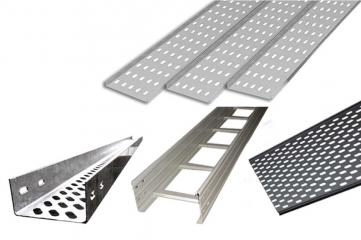
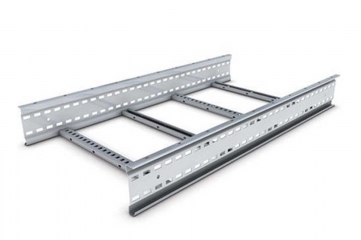
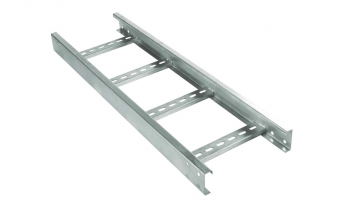
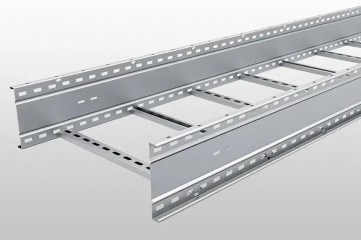
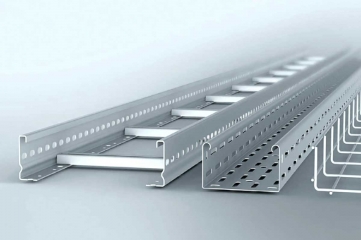
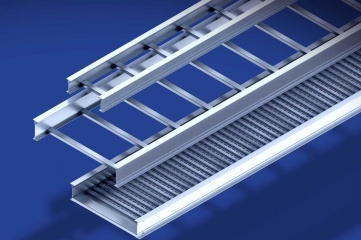
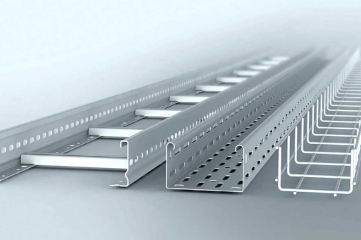
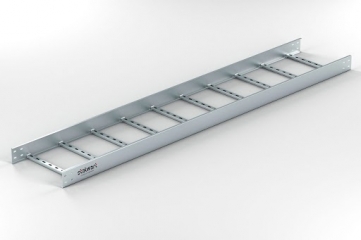
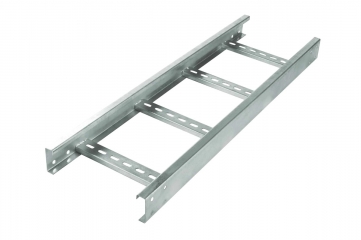
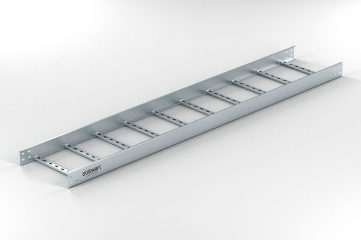
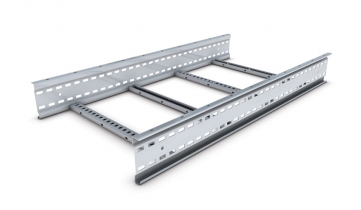
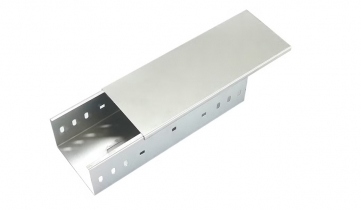
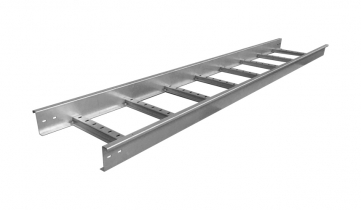
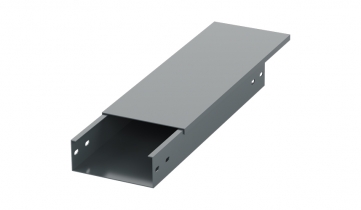
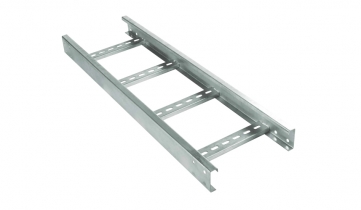
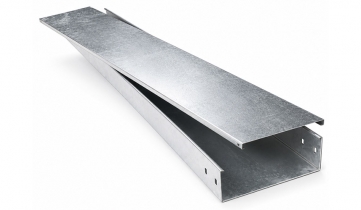
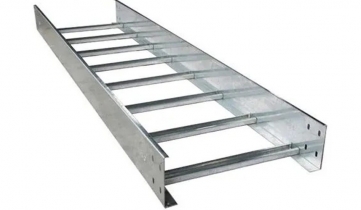
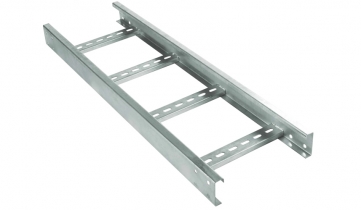
The term cable tray refers to a variety of different products, some of which include a ladder, ventilated bottom, solid bottom, wire mesh, and trough. Each variety of tray is constructed to work with a distinct set of cable arrangements and applications.
When choosing a cable tray, it is essential to take into consideration a variety of factors, including the weight and dimensions of the cables, the setting in which they will be installed, and any applicable codes and standards. It is essential to take into account the particular necessities of the project, such as the cable capacity, accessibility, and ease of installation, among other things.
The answer is yes some cable trays are constructed with fire-retardant materials. Cable trays designed to withstand fire are typically fabricated from materials like galvanized steel or stainless steel, and they are coated with materials designed to withstand fire.