Call Us on







Call Us on
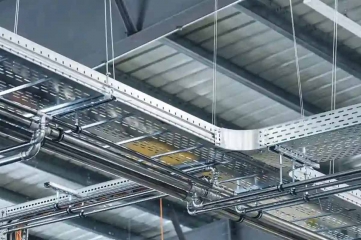
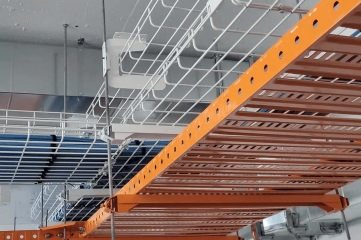
Have you ever walked through a busy manufacturing plant and looked up? Most of us stay entirely focused on the massive machines directly in front of us. Yet, right above our heads sits the actual nervous system of the building. Thousands of heavy power lines work non-stop to keep operations moving. We rarely think about what holds all that heavy wiring up there. If your facility leans on an aging support frame, you are basically gambling with your business. Relying on an outdated Cable Tray is one of the most common, yet completely ignored, safety threats in any industrial workspace.
We tend to install these overhead networks and then forget about them for years. That habit is incredibly dangerous. As companies buy new equipment, they run heavier cords across the ceiling. Nobody pauses to ask if the original metal structure can handle the extra weight. Over time, the metal gives up. Bolts loosen, and the steel begins to bend. What used to be a clean row of wires slowly turns into a heavily overloaded structural disaster waiting for a tipping point.
The scariest risk is a complete structural collapse. When ceiling brackets snap under excessive pressure, hundreds of pounds of sharp metal and live electricity crash down onto the floor. Even if it stays up, bent metal creates incredibly sharp edges. As heavy machines cause the building to vibrate, those steel corners slowly saw into the plastic wrapping around your wires. Eventually, that friction strips the wires bare. Once live copper touches the metal frame, you trigger an instant short circuit that can easily bypass standard safety breakers.
Fire is another massive headache we have to discuss. When you cram way too many thick wires into an old Cable Tray, natural air circulation stops completely. Heavy electrical loads naturally generate intense heat. Without enough open air to cool things down, those packed cords bake themselves until the plastic insulation turns brittle and cracks. If a single spark flies inside that cramped space, it catches fire immediately. Before anyone even smells smoke, flames can easily race across the ceiling and shut down the entire plant.
You do not need to hire a structural engineer to spot the early warning signs. Anyone walking the floor can see the red flags if they know where to look. If you spot any of these issues, call your maintenance crew immediately:
If your business operates in or around Delhi, the environmental stress sits on a whole different level. We deal with scorching summers hitting forty-five degrees, followed by heavy monsoon moisture, and a constant layer of industrial dust. Cheap steel frames might survive in a mild climate, but they fall apart fast here. The intense heat and humidity eat away at untreated metal, turning it into a rusty mess way earlier than expected. Local facilities absolutely need something built specifically to fight off rapid corrosion.
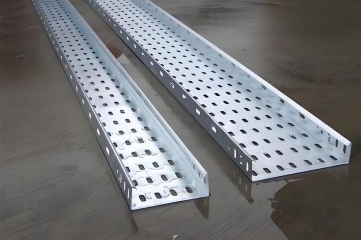
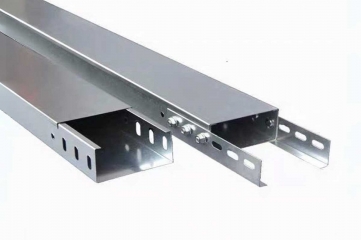
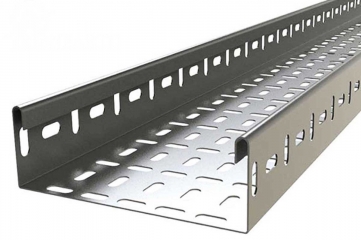
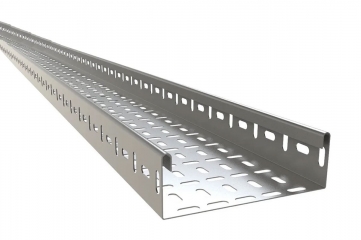
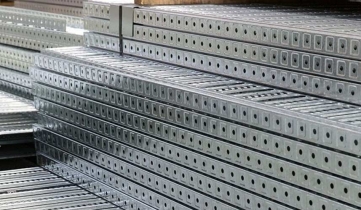
The smartest move you can make is upgrading to heavy-duty, certified infrastructure. This is where partnering with Super Cable Tray Pvt. Ltd. makes a world of difference for your facility. We manufacture premium, load-tested products right here in the capital, engineered specifically to handle both heavy industrial loads and our harsh local weather. Installing a brand new, galvanized Cable Tray guarantees that your electrical lines have the strongest, most secure support possible. It is the easiest way to keep your workers safe and your machines running without unexpected downtime.
We should never cut corners on facility safety. Taking a couple of hours to audit your overhead wiring setups saves you massive headaches, expensive equipment damage, and serious workplace injuries down the road. Walk your factory floor today, grab a flashlight, and take a hard look at what hangs above you. If things look bent, rusted, or overloaded, it is time to make a change.
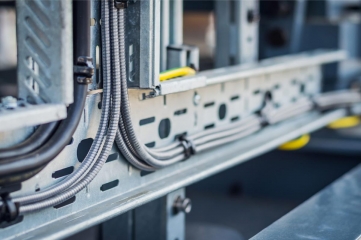
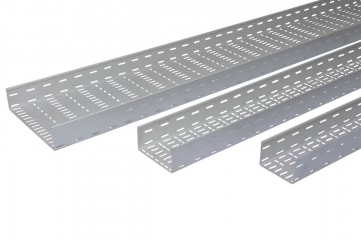
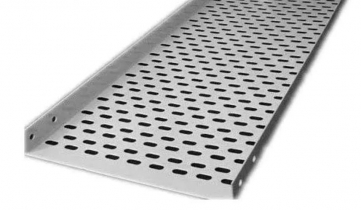
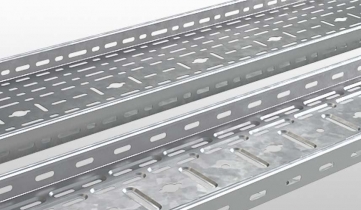
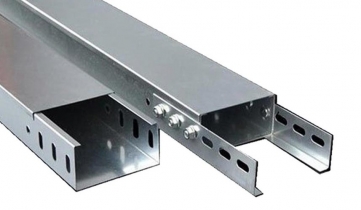
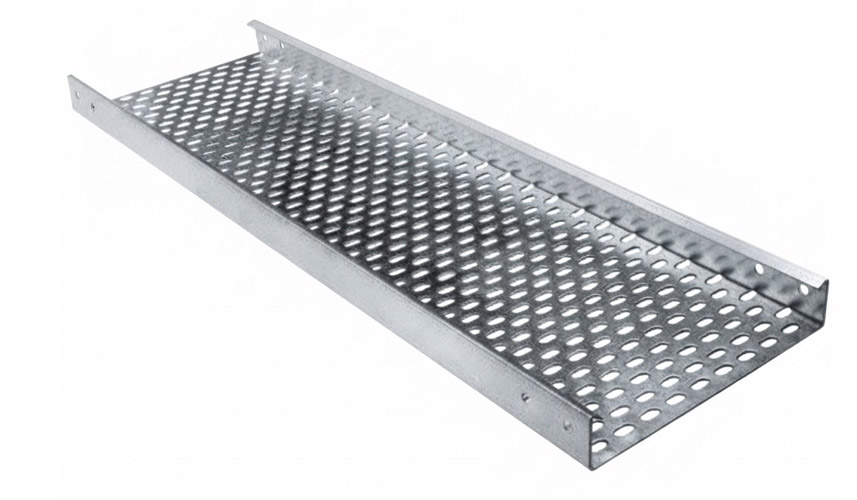
An electrical and communication cable management and organization system known as a cable tray is utilized to accommodate various types of cables, it is typically made of metal, such as aluminum or steel, and is available in a variety of sizes and shapes.
Several advantages of using a cable tray include better cable management, increased safety, and simpler maintenance. In comparison to other conduit systems, cable trays can offer a more effective and affordable solution.
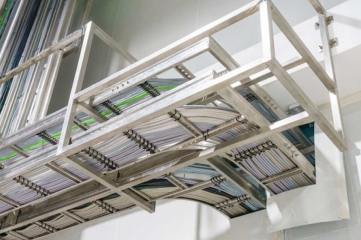
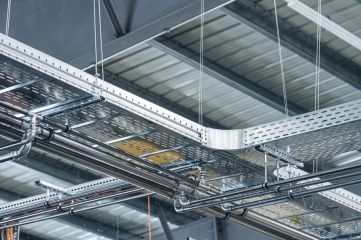
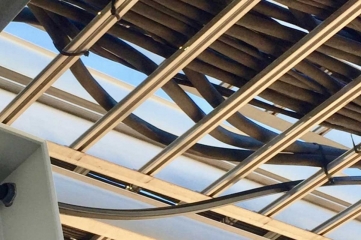
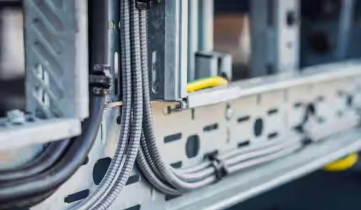
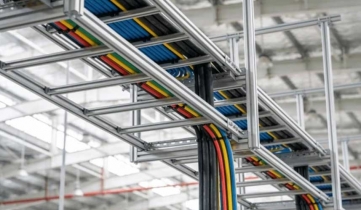
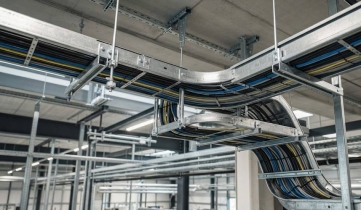
Cable trays can be installed in a number of ways, such as hanging from ceilings, mounting on walls, or using floor stands as support. The installation procedure typically entails cutting and fitting the tray to the required length as well as mounting brackets, supports, and hardware.
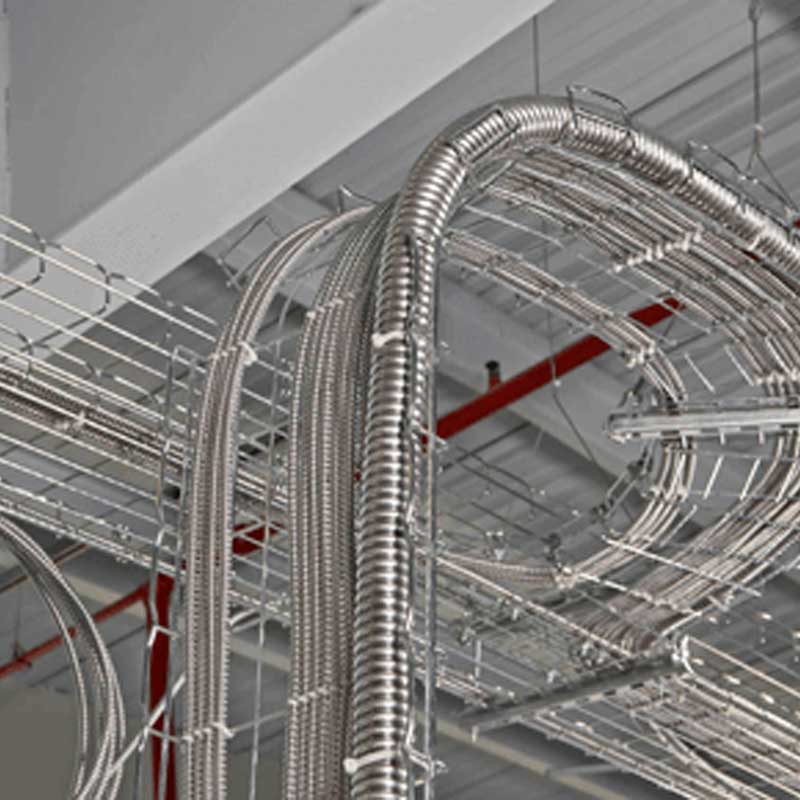
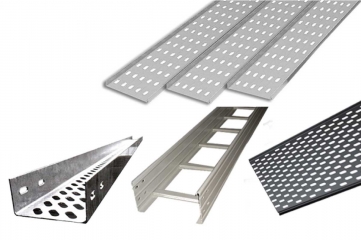
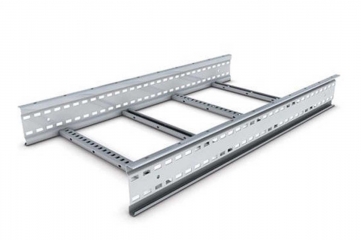
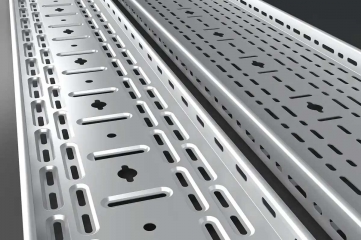
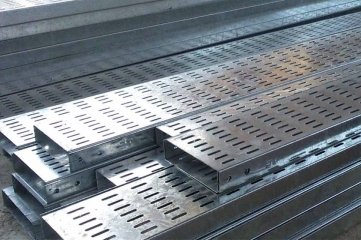
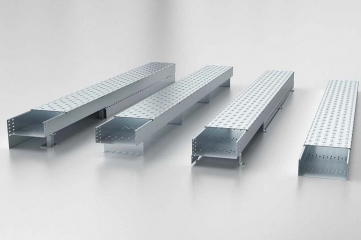
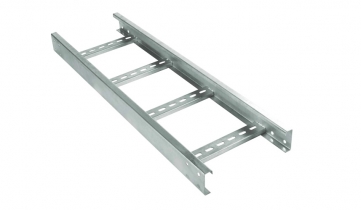
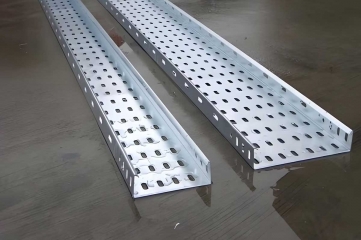
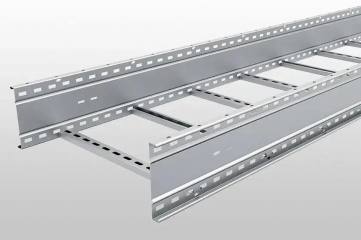
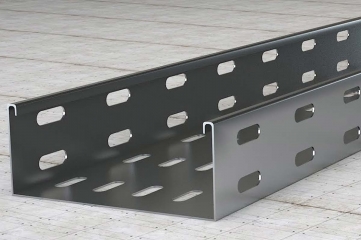
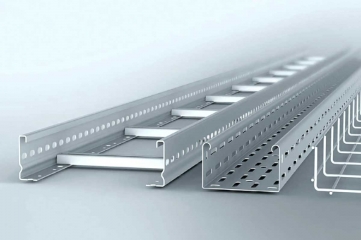
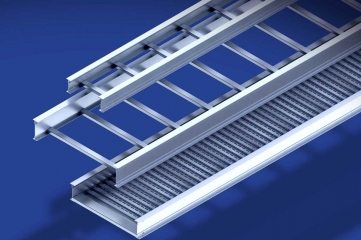
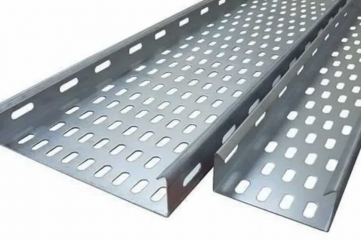
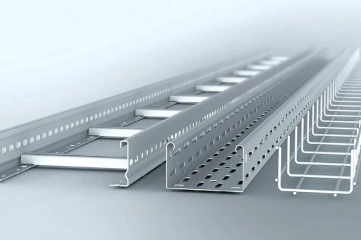
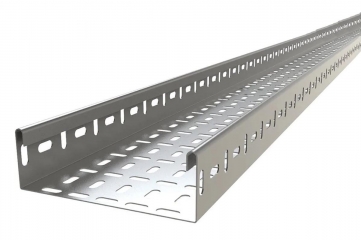
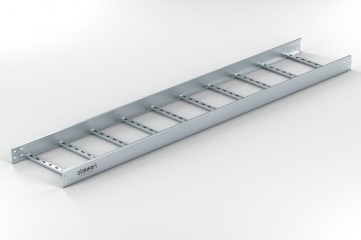
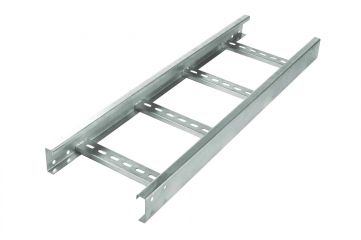
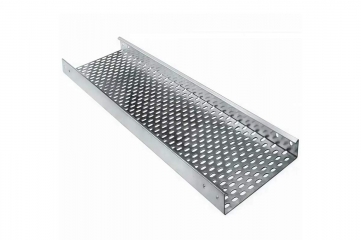
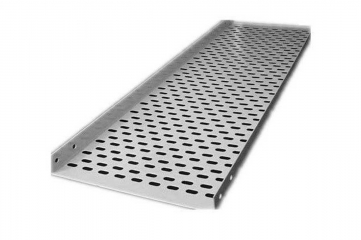
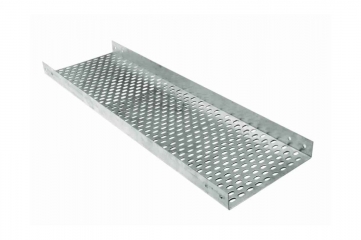
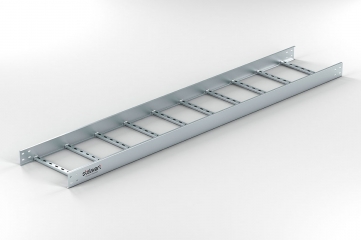
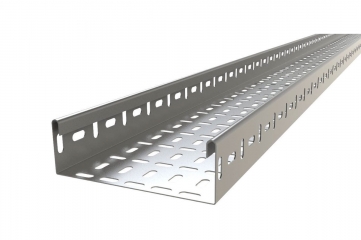
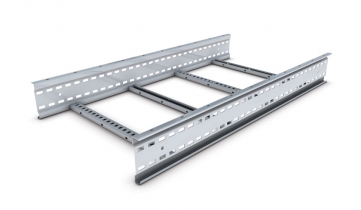
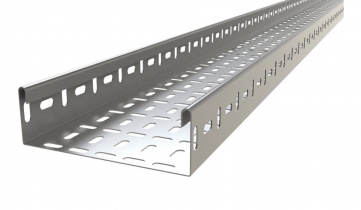
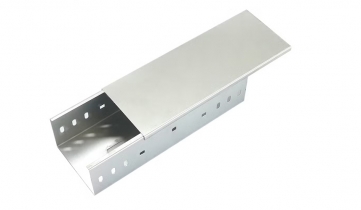
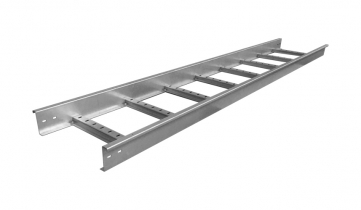
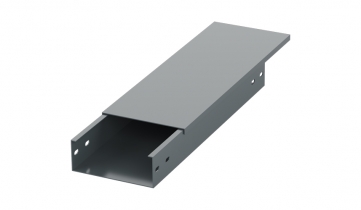
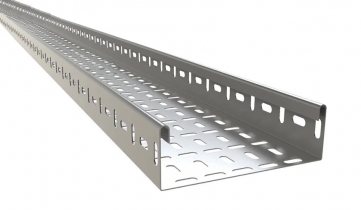
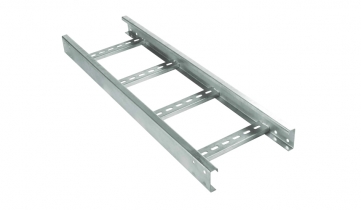
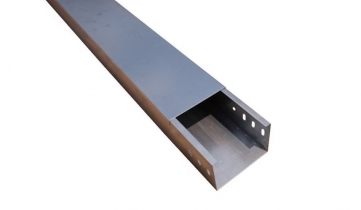
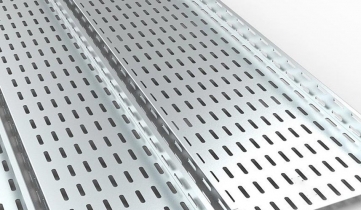
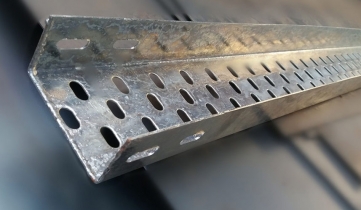
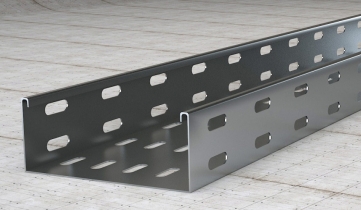
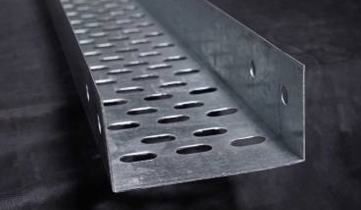
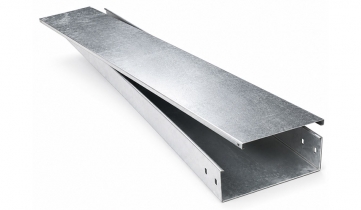
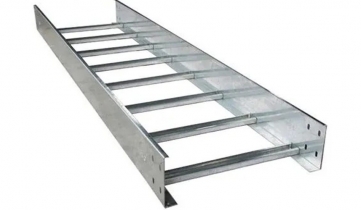
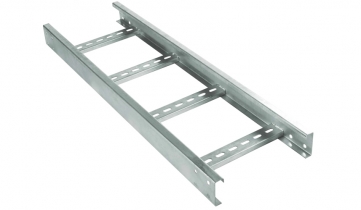
The term cable tray refers to a variety of different products, some of which include a ladder, ventilated bottom, solid bottom, wire mesh, and trough. Each variety of tray is constructed to work with a distinct set of cable arrangements and applications.
When choosing a cable tray, it is essential to take into consideration a variety of factors, including the weight and dimensions of the cables, the setting in which they will be installed, and any applicable codes and standards. It is essential to take into account the particular necessities of the project, such as the cable capacity, accessibility, and ease of installation, among other things.
The answer is yes some cable trays are constructed with fire-retardant materials. Cable trays designed to withstand fire are typically fabricated from materials like galvanized steel or stainless steel, and they are coated with materials designed to withstand fire.