Call Us on







Call Us on
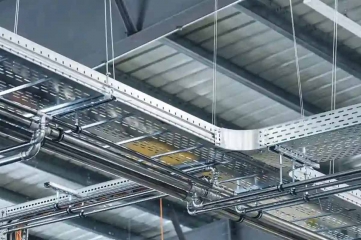
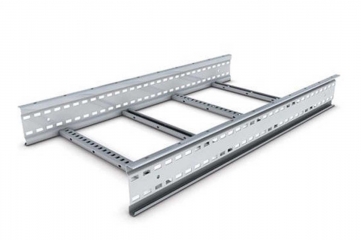
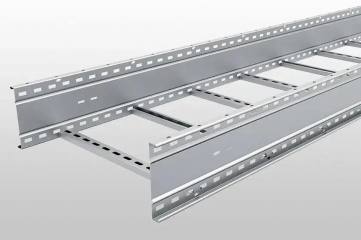
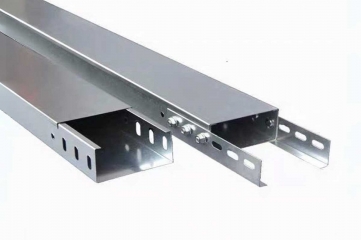
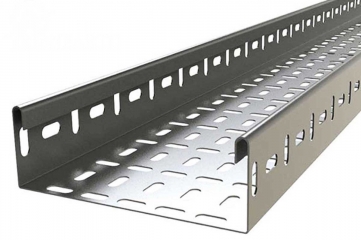
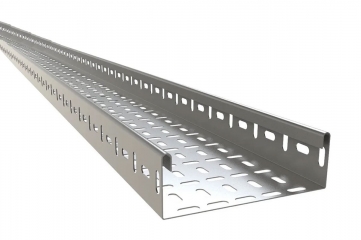
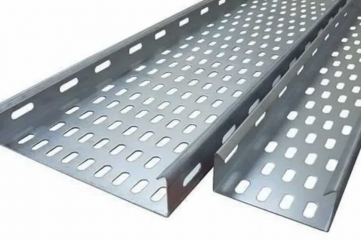
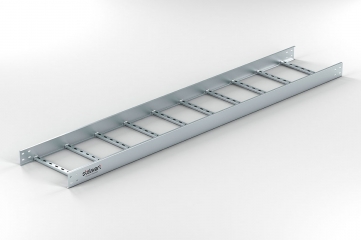
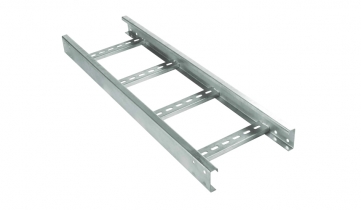
Large industrial sites move a staggering amount of cable, day in and day out. Get the routing wrong early, and crews feel it for months afterward. When projects scale up fast, most teams end up looking at Ladder Cable Trays from names like Super Cable Tray Pvt. Ltd., a supplier that keeps coming up in those conversations. That's not just habit or brand loyalty talking. It comes down to how the design actually holds up once real cable starts moving through it. Engineers who've worked with both styles rarely switch back.
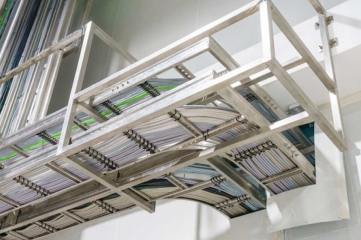
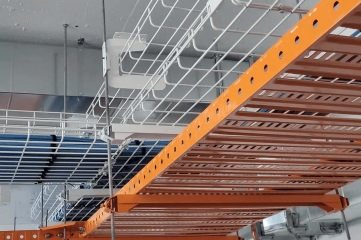
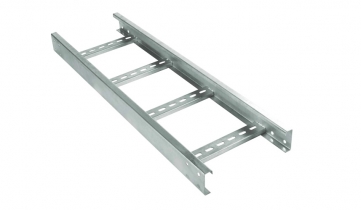
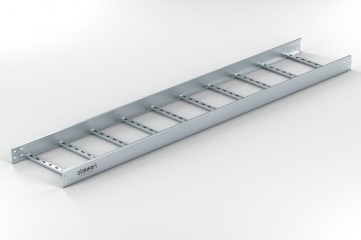
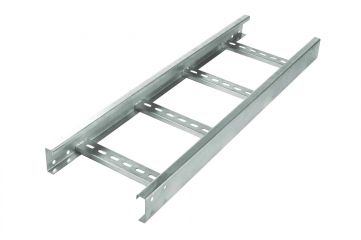
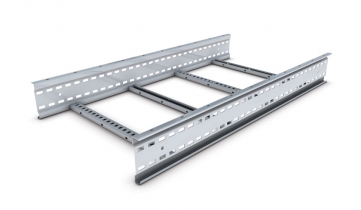
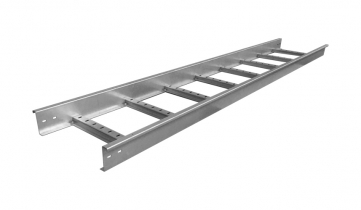
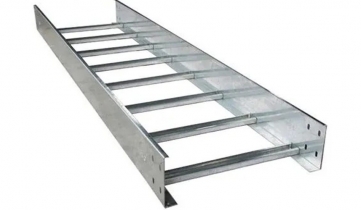
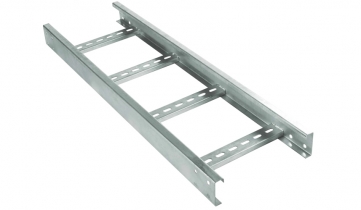
Solid-bottom trays look sturdy on paper, sure. But they slow installation down more than people expect. Every pull means threading cable through a narrow, enclosed channel with barely any access. Open rungs let electricians work from almost any angle instead. That flexibility alone saves real hours on big commercial jobs. Crews working overhead notice it fastest, honestly, since handling gets so much easier. Fewer obstructions during installation usually means fewer delays creeping into the schedule.
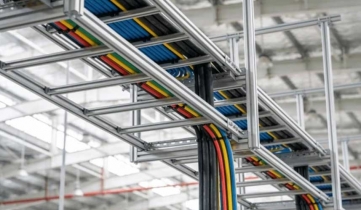
Heat is quietly one of the biggest threats to cable lifespan. Enclosed trays trap warm air right where cables sit bundled together. Open rungs let that heat escape on its own, no extra systems needed. That kind of passive cooling matters a lot in dense data centers and plants. Facilities running high-load circuits lean on this ventilation more than they'd admit. Skip it, and you're often looking at shortened cable life down the road.
Cable weight adds up fast once installations get large. Underestimate that load, and you end up with sagging trays and real safety concerns. Reliable Ladder Cable Trays are built with heavy, high-density runs in mind from the start. That extra structural margin matters most when a facility expands wiring years down the line. Buyers who think ahead about capacity tend to skip expensive retrofits later. Getting this number right early saves a surprising amount of money. Skipping it usually means a costly retrofit a few years down the road.
Plenty of suppliers sell trays without much engineering behind the pitch. Real expertise tends to show up in small, specific habits instead. Here's what usually separates manufacturers worth trusting with big orders:
Some environments genuinely need this specific tray style. Data centers, power plants, manufacturing floors — that's where it shows up most. These sites combine heavy loads with constant heat, day after day. Here's what usually signals a project actually calls for ladder-style trays:
Domestic manufacturing has come a long way over the past decade. Established Ladder Cable Trays Suppliers In India now regularly serve demanding international clients. That growth reflects genuine investment in testing, materials, and consistency across batches. Buyers get shorter lead times without giving up on engineering standards. Sourcing locally also means faster support whenever specs need last-minute adjustment. That responsiveness ends up mattering more than most people expect mid-project.
Corrosion works quietly, long before any structural failure shows itself. Galvanized and epoxy coatings each suit different environments in their own way. Facilities near coastlines or chemical exposure need coatings matched carefully to conditions. Suppliers who get this right rarely deal with premature rust complaints later. That attention to detail protects installations for decades, not just a few years. Get the coating choice wrong, and replacement work gets expensive fast.
Cable management rarely gets much attention until something actually breaks. The steadiest installations trace back to decisions made early, before construction even starts. Choosing the right tray design changes outcomes more than most people realize. Good infrastructure choices, in the end, quietly keep projects running smoothly for years.
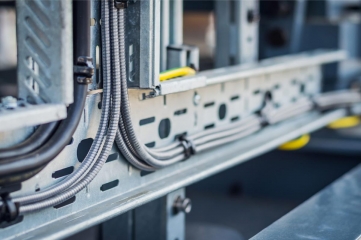
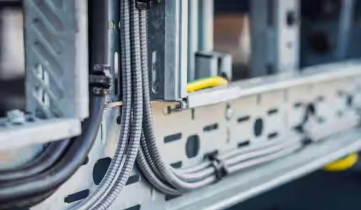
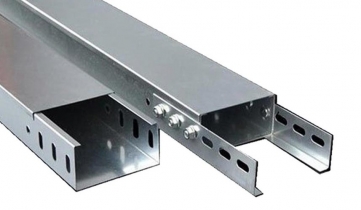
An electrical and communication cable management and organization system known as a cable tray is utilized to accommodate various types of cables, it is typically made of metal, such as aluminum or steel, and is available in a variety of sizes and shapes.
Several advantages of using a cable tray include better cable management, increased safety, and simpler maintenance. In comparison to other conduit systems, cable trays can offer a more effective and affordable solution.
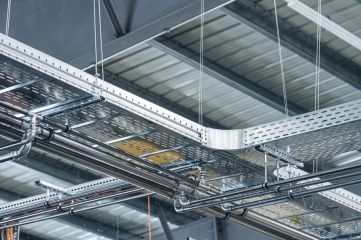
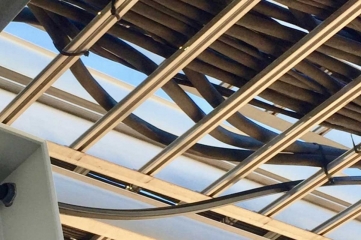
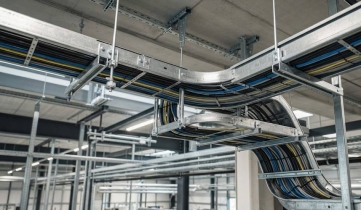
Cable trays can be installed in a number of ways, such as hanging from ceilings, mounting on walls, or using floor stands as support. The installation procedure typically entails cutting and fitting the tray to the required length as well as mounting brackets, supports, and hardware.
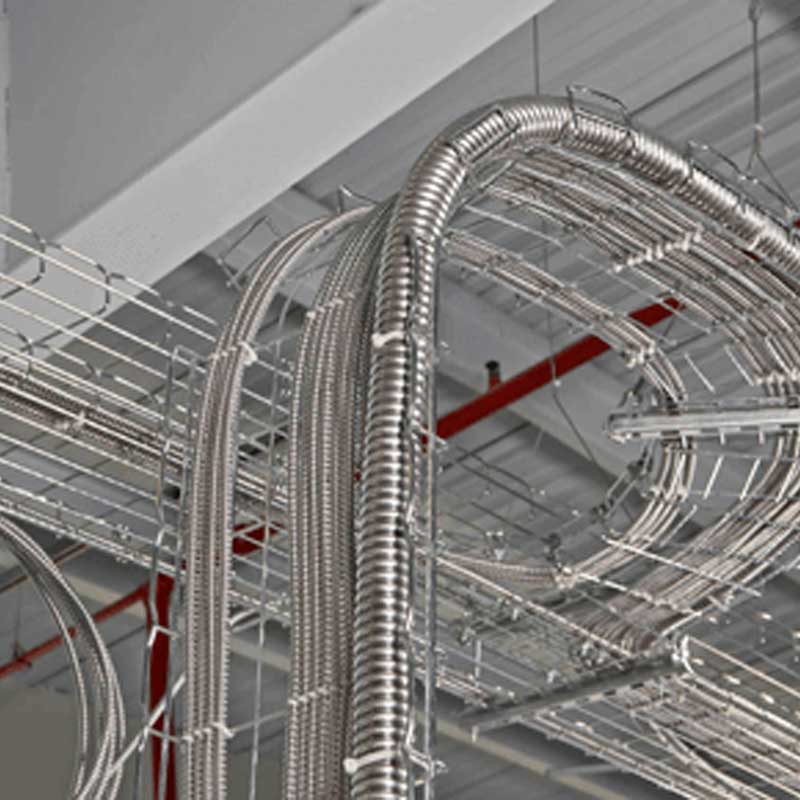
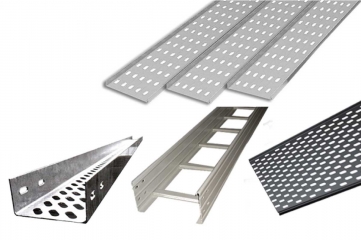
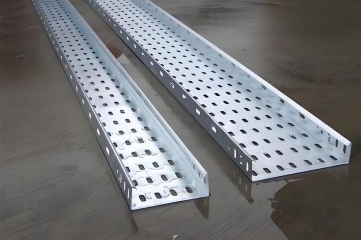
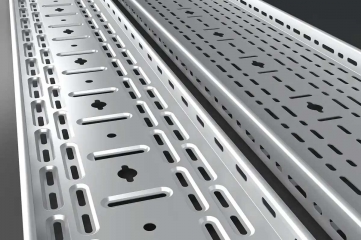
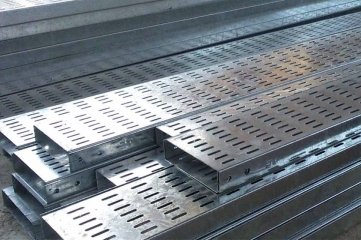
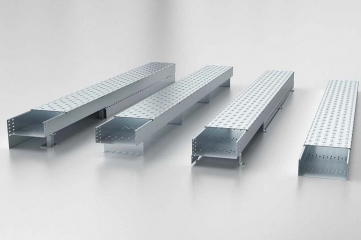
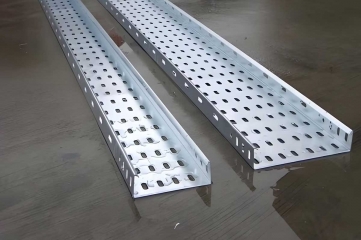
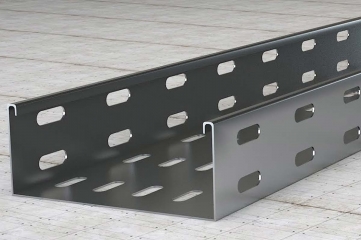
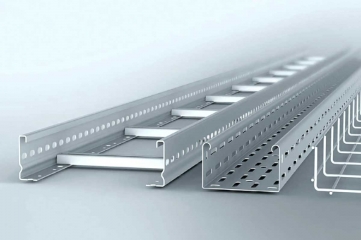
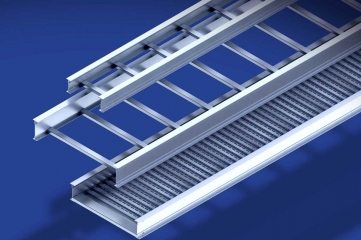
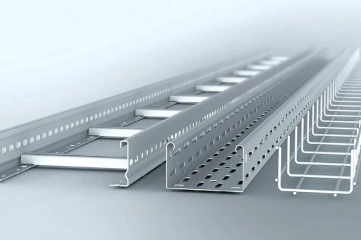
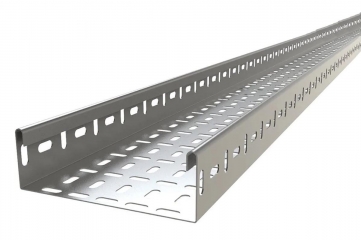
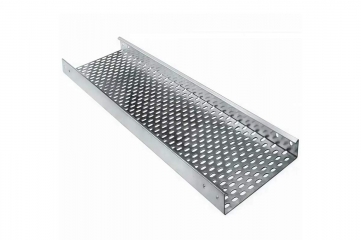
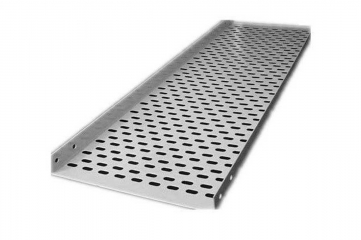
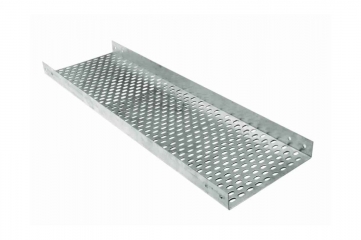
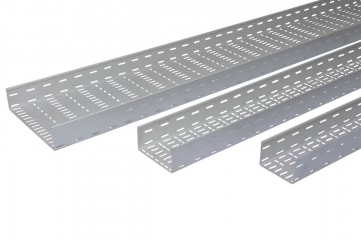
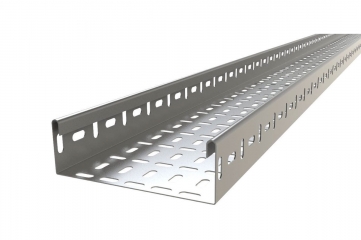
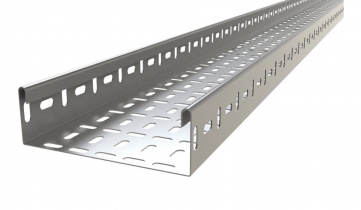
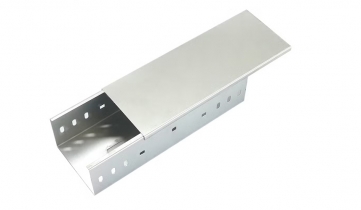
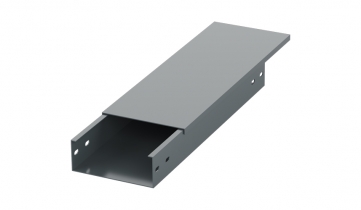
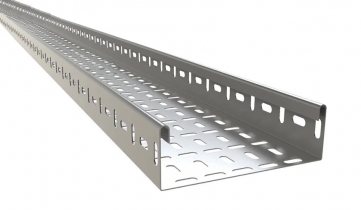
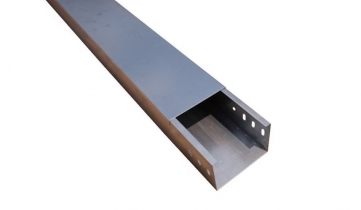
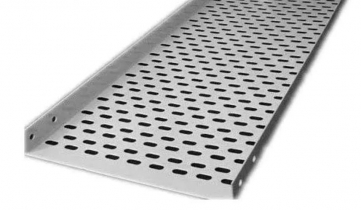
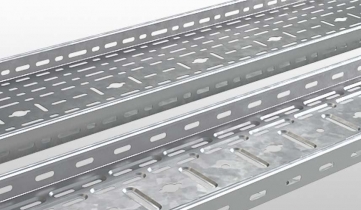
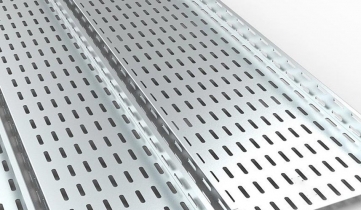
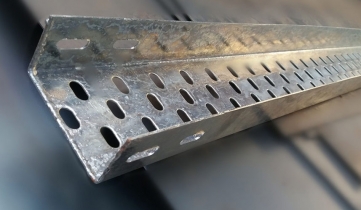
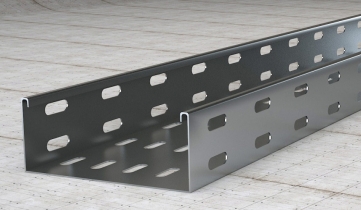
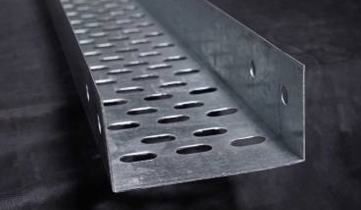
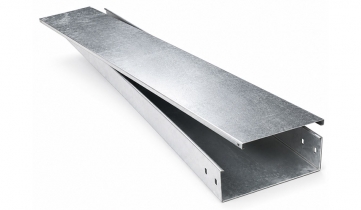
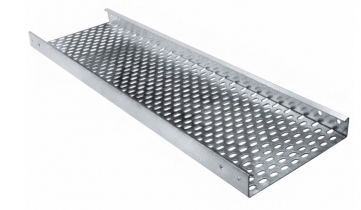
The term cable tray refers to a variety of different products, some of which include a ladder, ventilated bottom, solid bottom, wire mesh, and trough. Each variety of tray is constructed to work with a distinct set of cable arrangements and applications.
When choosing a cable tray, it is essential to take into consideration a variety of factors, including the weight and dimensions of the cables, the setting in which they will be installed, and any applicable codes and standards. It is essential to take into account the particular necessities of the project, such as the cable capacity, accessibility, and ease of installation, among other things.
The answer is yes some cable trays are constructed with fire-retardant materials. Cable trays designed to withstand fire are typically fabricated from materials like galvanized steel or stainless steel, and they are coated with materials designed to withstand fire.