Call Us on







Call Us on
Electrical fires rarely start with something dramatic or obvious. Most trace back to overheated wiring crammed into inadequate support systems. When engineers plan for safety, they usually end up consulting experienced Cable Tray Manufacturers, and Super Cable Tray Pvt. Ltd. often comes up in those early conversations. Good tray design isn't just about holding cables in place. It's about airflow, load capacity, and long-term structural stability too. Skip any of those, and the risk shows up sooner than most people expect.
Overheating rarely happens because of one obvious mistake alone. It builds slowly, usually from cables bundled too tightly for too long. Proper tray spacing lets heat dissipate before it becomes a genuine hazard. Engineers who understand this design airflow into every layout from the very start. Facilities that skip this step often discover the cost during a safety inspection. By then, retrofitting an entire wiring layout gets expensive fast. Prevention here is far cheaper than dealing with fire damage later. Insurance claims and unplanned downtime add up fast once a fire actually starts.
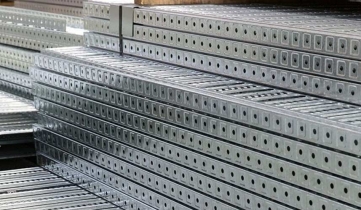
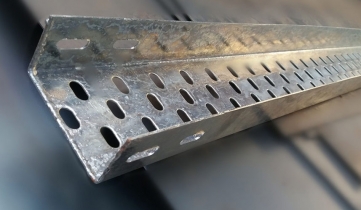
Not all tray materials handle industrial environments the same way. Galvanized steel resists corrosion far better than untreated alternatives ever could. Facilities near coastal air or heavy moisture depend on that resistance daily. A GI Cable Trays Exporters in India often becomes essential for these demanding projects. Cutting corners on material grade rarely saves money once corrosion sets in. Rust spreads quietly at first, then accelerates once it takes hold. Replacement costs down the line usually dwarf the original savings anyway. Facilities near industrial fumes face this same corrosion risk constantly.
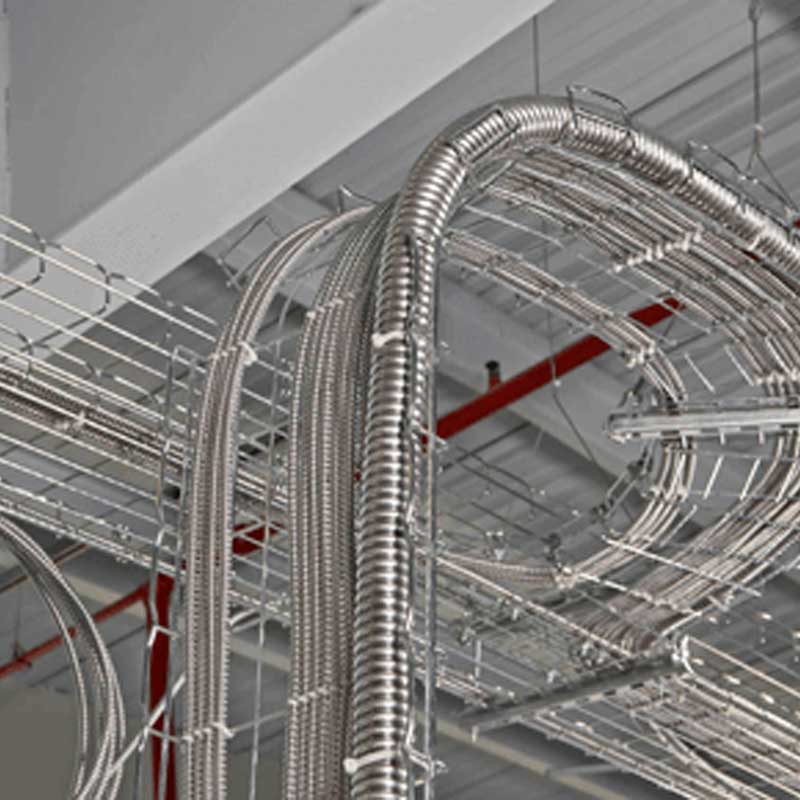
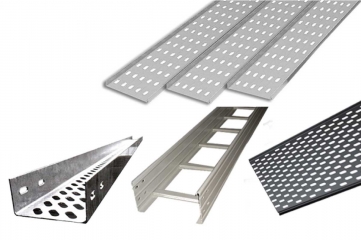
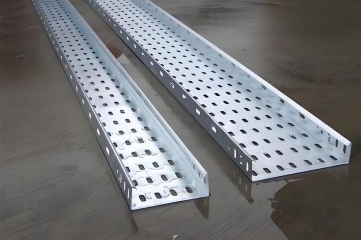
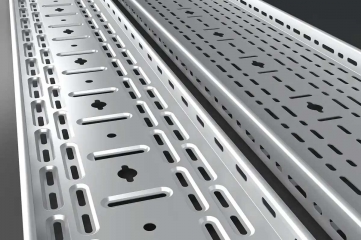
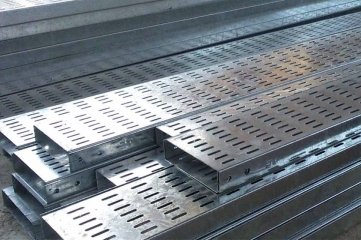
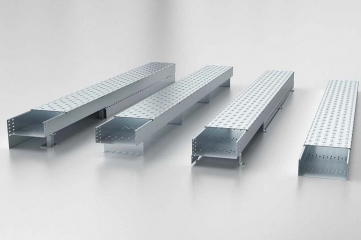
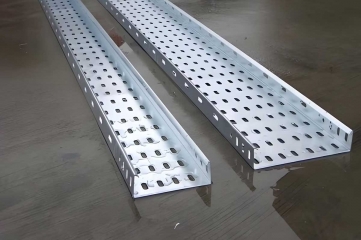
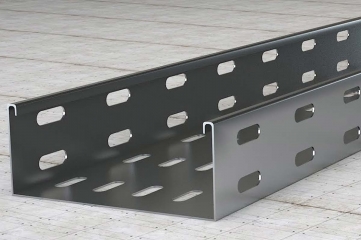
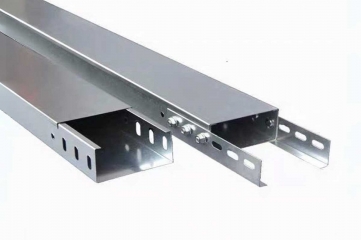
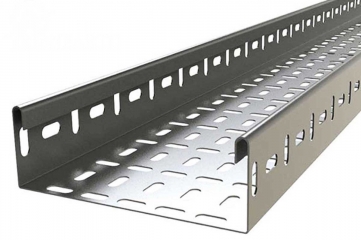
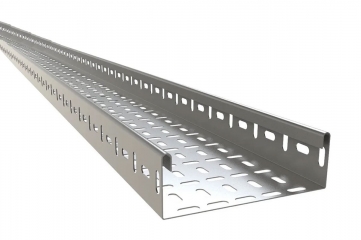
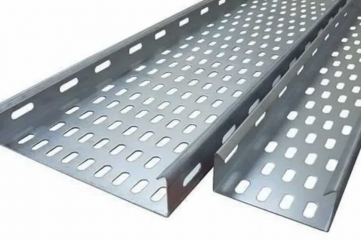
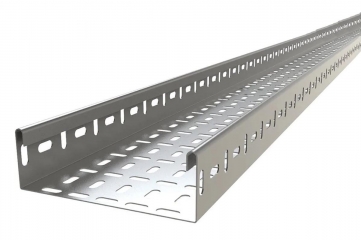
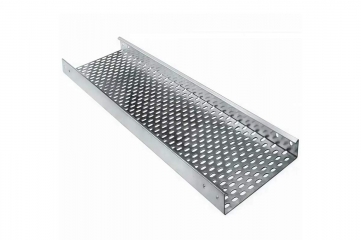
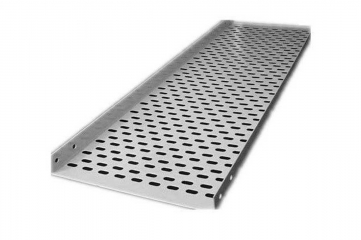
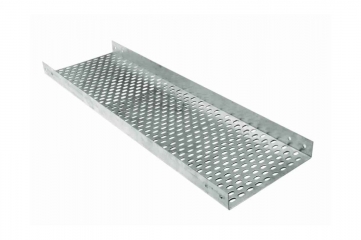
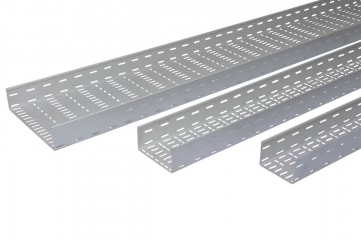
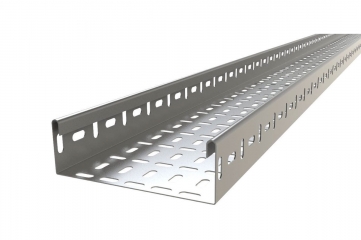
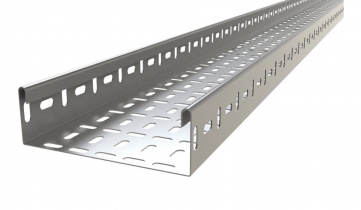
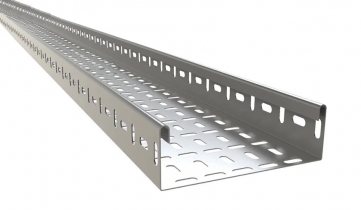
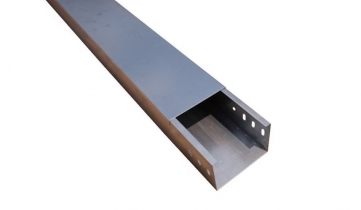
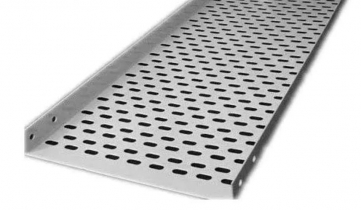
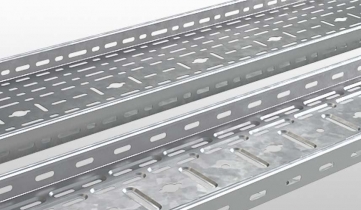
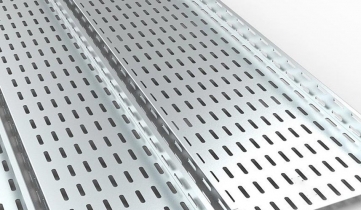
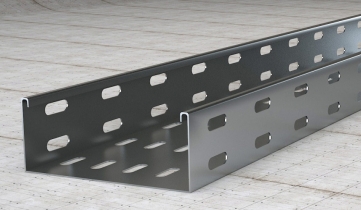
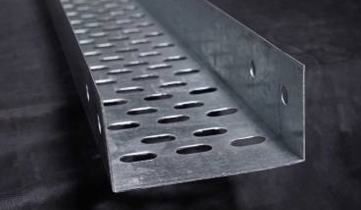
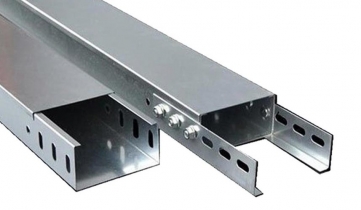
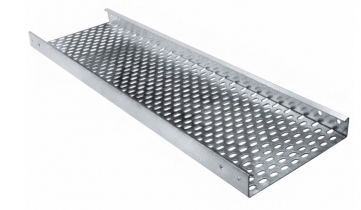
Solid trays look sturdy, but they trap heat in ways engineers dislike. Perforated designs let air circulate freely around bundled cable runs. That airflow reduces thermal stress on insulation over years of continuous, heavy use. Facilities working with a Perforated Cable Trays Suppliers in Delhi often notice this difference immediately. Dust and debris also clear more easily through open, well-ventilated perforated designs. Fewer maintenance headaches later make up for any minor installation complexity now. Technicians notice the difference the very first time they open up a run for repairs.
Plenty of suppliers sell trays without much engineering depth behind them. Real expertise shows up through specific, verifiable production practices instead. Here's what typically separates manufacturers worth trusting with critical infrastructure:
Maintenance teams rarely think about trays until something goes wrong. Good design, though, makes their job noticeably easier every single day. Accessible layouts mean technicians spend less time untangling crowded cable runs. Watch for these signs that a tray system was actually designed thoughtfully:
Short-term contracts rarely build the trust infrastructure projects actually require. Relationships develop slowly, through repeated performance across many separate installations. Facility managers who switch suppliers constantly end up losing institutional project knowledge. A supplier familiar with past layouts saves everyone repeated clarification later. Experienced Cable Tray Manufacturers tend to retain clients for exactly this reason. That familiarity becomes especially valuable during large-scale facility expansions or unplanned retrofits. Steady partnerships absorb complexity better than transactional, one-off sourcing ever could. That reliability tends to matter most during unexpected project changes or tight deadlines.
Electrical infrastructure rarely fails through one dramatic, obvious mistake. It fails through small oversights made early and never revisited. Choosing partners who genuinely understand both safety and airflow changes outcomes significantly. Good design decisions quietly protect facilities long after installation crews move on to other projects.
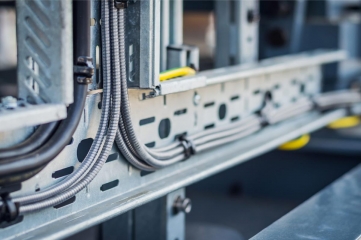
An electrical and communication cable management and organization system known as a cable tray is utilized to accommodate various types of cables, it is typically made of metal, such as aluminum or steel, and is available in a variety of sizes and shapes.
Several advantages of using a cable tray include better cable management, increased safety, and simpler maintenance. In comparison to other conduit systems, cable trays can offer a more effective and affordable solution.
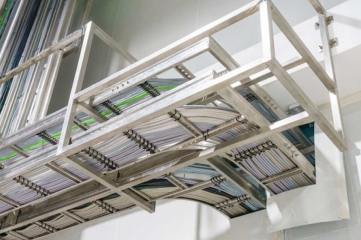
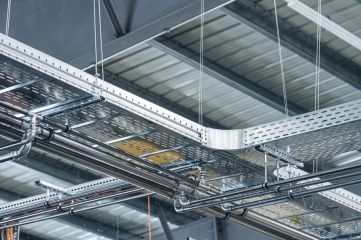
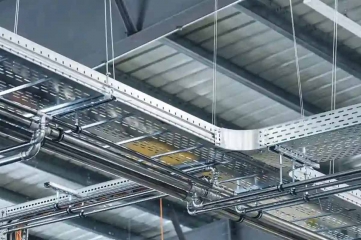
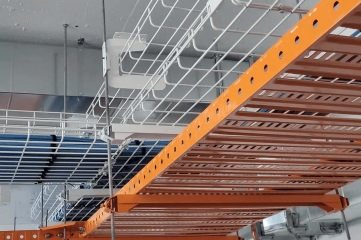
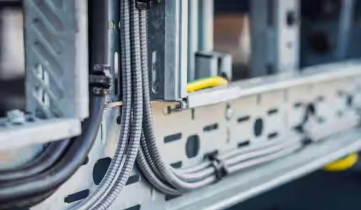
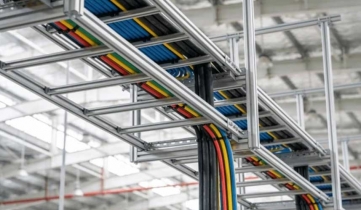
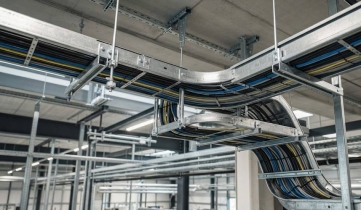
Cable trays can be installed in a number of ways, such as hanging from ceilings, mounting on walls, or using floor stands as support. The installation procedure typically entails cutting and fitting the tray to the required length as well as mounting brackets, supports, and hardware.
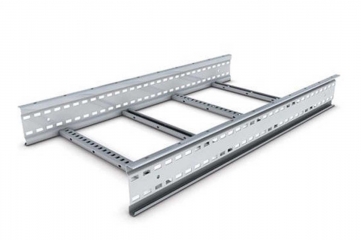
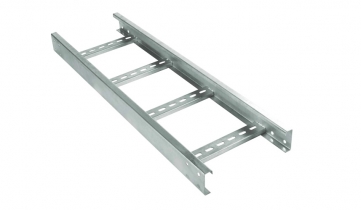
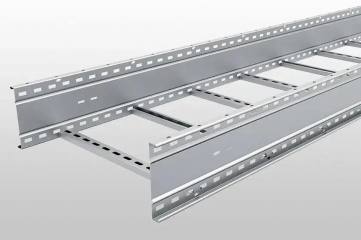
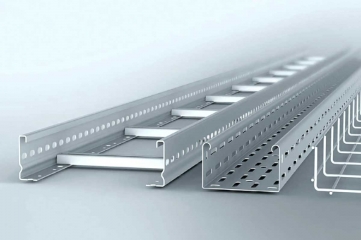
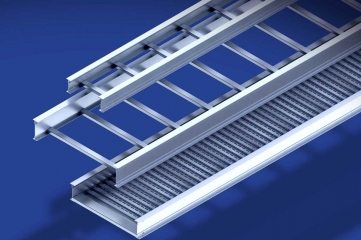
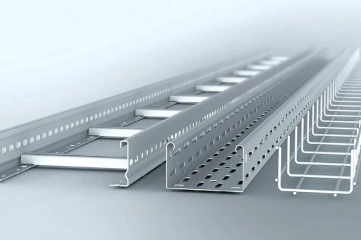
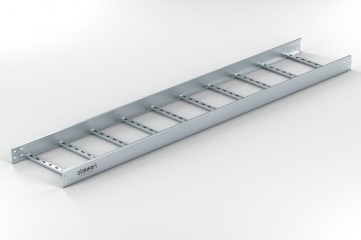
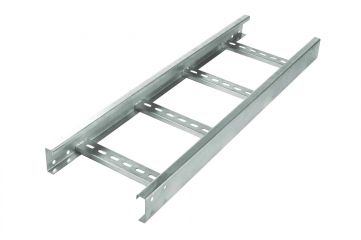
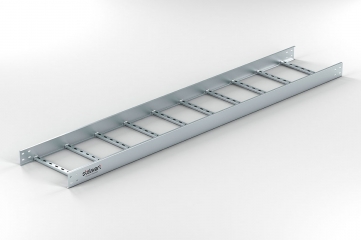
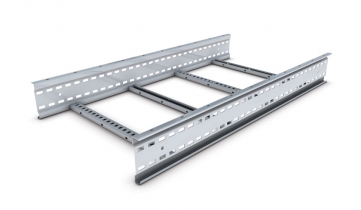
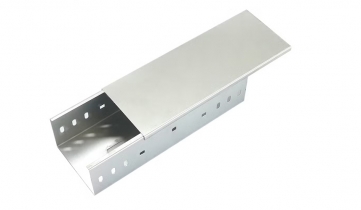
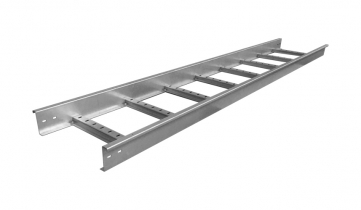
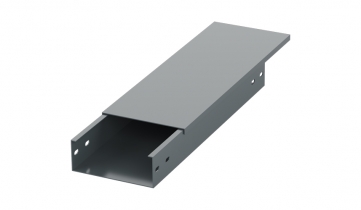
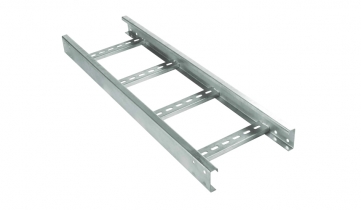
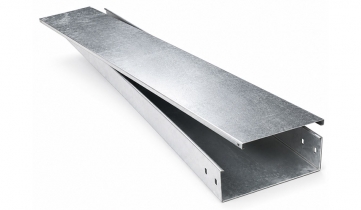
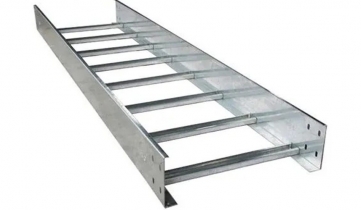
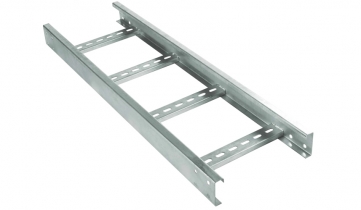
The term cable tray refers to a variety of different products, some of which include a ladder, ventilated bottom, solid bottom, wire mesh, and trough. Each variety of tray is constructed to work with a distinct set of cable arrangements and applications.
When choosing a cable tray, it is essential to take into consideration a variety of factors, including the weight and dimensions of the cables, the setting in which they will be installed, and any applicable codes and standards. It is essential to take into account the particular necessities of the project, such as the cable capacity, accessibility, and ease of installation, among other things.
The answer is yes some cable trays are constructed with fire-retardant materials. Cable trays designed to withstand fire are typically fabricated from materials like galvanized steel or stainless steel, and they are coated with materials designed to withstand fire.